

Your kitchen is the heart of your home, but it can also be one of the biggest sources of waste and energy use. Imagine cutting down your bills, reducing waste, and creating a healthier space for you and your family—all without major hassle.
How? By making simple, smart changes to your kitchen that protect the planet and boost your well-being. If you want to transform your kitchen into an eco-friendly haven, keep reading. You’ll discover easy tips that make a big difference, starting today.
Choose Sustainable Materials
Choosing sustainable materials is a key step to make your kitchen eco-friendly. These materials reduce waste and save natural resources. They also last longer, which means less need to replace them. This helps protect the planet and cuts down on pollution.
Many options exist for eco-friendly choices. From countertops to cabinets and flooring, you can pick materials that are better for the environment. These choices create a healthier space for your family and reduce your carbon footprint.
Eco-friendly Countertops
Eco-friendly countertops use recycled or natural materials. Bamboo, recycled glass, and reclaimed wood are popular choices. These materials need less energy to produce than traditional stone or plastic.
Concrete and soapstone also work well and last a long time. They resist scratches and heat. Choosing these options helps reduce landfill waste and lowers pollution.
Sustainable Cabinets And Flooring
Look for cabinets made from FSC-certified wood. This certification means the wood comes from well-managed forests. Cabinets made from recycled or reclaimed wood also reduce waste.
For flooring, bamboo and cork are smart choices. Both grow quickly and can be harvested without killing the plant. These floors are durable, easy to clean, and add natural beauty to the kitchen.
Cut Down On Waste
Cutting down on waste is a simple step toward an eco-friendly kitchen. Waste harms the environment and fills landfills. Reducing waste saves resources and energy. It also helps your kitchen stay clean and organized. Small changes in daily habits create a big impact over time.
Composting Kitchen Scraps
Composting turns food scraps into useful soil. It keeps waste out of the trash. Fruit peels, vegetable bits, coffee grounds, and eggshells all belong in the compost bin. Avoid adding meat or dairy as they attract pests. Composting reduces methane gas from landfills. It also provides rich nutrients for plants. Even a small kitchen can have a compost container. Use it to collect scraps daily. Empty the compost into a garden bin or a community compost site.
Reducing Single-use Plastics
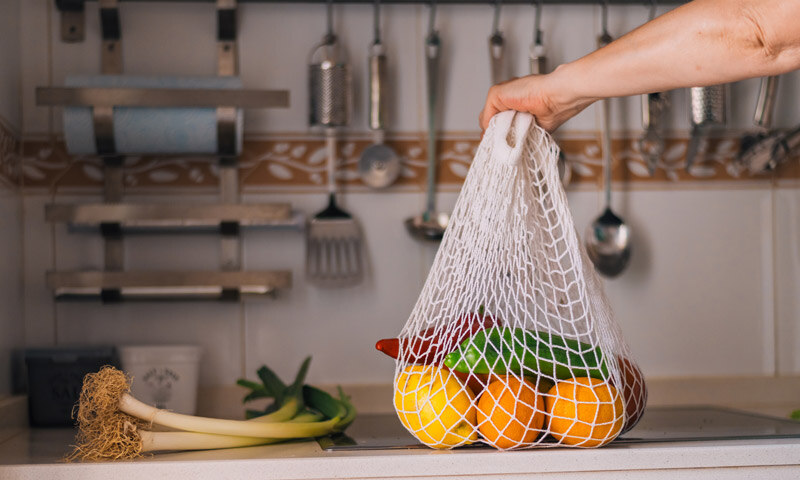
Single-use plastics add to pollution and waste. Items like plastic bags, straws, and wrap are used once and thrown away. Choose reusable bags, containers, and wraps instead. Use beeswax wraps or silicone lids to cover food. Carry a reusable water bottle and coffee cup. This lowers plastic waste and saves money. Simple swaps reduce trash and protect oceans. Teach family members about these small changes. Together, waste in your kitchen will drop quickly.
Use Energy-efficient Appliances
Using energy-efficient appliances helps reduce electricity use in your kitchen. It lowers your energy bills and protects the environment. These appliances use less power but work just as well as regular ones.
Choosing the right appliances and taking care of them keeps your kitchen eco-friendly. Small changes can make a big difference in saving energy.
Selecting Energy Star Rated Devices
Energy Star rated appliances meet strict energy-saving rules. They use less power than standard models. Look for this label when buying refrigerators, dishwashers, or ovens. These devices cut energy waste and help save money on bills.
Energy Star products also reduce greenhouse gas emissions. This means a cleaner, healthier planet. Choosing these appliances supports eco-friendly living without losing convenience or performance.
Maintaining Appliances For Efficiency
Keep appliances clean and well-maintained to save energy. Dust and dirt make them work harder. Clean refrigerator coils regularly for better cooling. Defrost freezers to prevent ice build-up.
Check seals on doors to stop cold air from escaping. Fix leaks or broken parts quickly. Regular maintenance ensures your appliances use energy smartly and last longer.
Opt For Water Conservation
Water conservation plays a big role in making your kitchen eco-friendly. Saving water helps reduce waste and lower utility bills. Small changes in your kitchen can make a big difference over time.
Installing Low-flow Faucets
Low-flow faucets reduce water use without lowering pressure. They help save gallons of water every day. Installing these faucets is simple and affordable. They also help protect the environment by cutting water waste. Choose models that fit your kitchen style and needs.
Fixing Leaks Promptly
Leaky faucets and pipes waste a surprising amount of water. Fixing leaks quickly saves water and money. Check your kitchen often for drips and leaks. Tighten or replace parts as soon as you find problems. This small task keeps your kitchen efficient and eco-friendly.
Switch To Eco-friendly Cleaning
Switching to eco-friendly cleaning helps protect your home and the planet. It reduces pollution and keeps your kitchen safe for your family. Small changes in cleaning products make a big difference. This section explains simple ways to clean your kitchen naturally and safely.
Natural Cleaning Ingredients
Use ingredients like vinegar, baking soda, and lemon for cleaning. These items are cheap and easy to find. Vinegar removes stains and kills germs without harsh chemicals. Baking soda works well to scrub surfaces and absorb odors. Lemon adds a fresh smell and breaks down grease. Mixing these ingredients can replace many store-bought cleaners.
Avoiding Harmful Chemicals
Many cleaning products contain chemicals that harm health and nature. These chemicals can cause allergies or breathing problems. They also pollute water and soil. Choose cleaners with simple, natural ingredients instead. Read labels carefully and avoid products with bleach or ammonia. Safe cleaning keeps your kitchen clean and your family healthy.

Credit: amazingarchitecture.com
Incorporate Green Cooking Habits
Incorporating green cooking habits helps make your kitchen eco-friendly. It saves energy and reduces waste. Simple changes can have a big impact on the environment.
Planning Meals To Reduce Waste
Plan meals before shopping. Buy only what you need. This cuts food waste at home. Use leftovers creatively to avoid throwing food away. Store food properly to keep it fresh longer. Planning helps save money and the planet.
Using Pressure Cookers And Microwaves
Pressure cookers cook food faster and use less energy. They keep nutrients in food better than boiling. Microwaves use less power for reheating and small cooking tasks. Both tools reduce cooking time and energy use. Choose these appliances for greener cooking.
Enhance Kitchen Lighting
Good lighting makes the kitchen feel fresh and inviting. It helps reduce electricity use and supports eco-friendly living. Enhancing kitchen lighting can brighten your space without harming the environment. Small changes can have a big impact on energy savings and comfort.
Maximizing Natural Light
Let sunlight fill your kitchen. Use sheer curtains or none at all. Keep windows clean for clear light. Place mirrors to reflect sunlight and make the room brighter. Arrange furniture to avoid blocking windows. Natural light saves energy and lifts your mood.
Using Led Bulbs
Switch to LED bulbs for kitchen lighting. They use less energy than traditional bulbs. LEDs last much longer, reducing waste. Choose bulbs with warm light for a cozy feel. Use dimmers to control brightness and save power. LED bulbs lower bills and help the planet.

Credit: www.ecomena.org
Grow Your Own Herbs
Growing your own herbs is a smart way to make your kitchen eco-friendly. Fresh herbs reduce the need for store-bought ones wrapped in plastic. They add flavor to meals without waste. Plus, it feels great to pick your own herbs right from the kitchen.
Choosing Easy-to-grow Plants
Start with herbs that are simple to grow indoors. Basil, mint, and parsley are perfect choices. These plants grow fast and need little care. They do well in small pots and need just a sunny spot. Avoid herbs that need special conditions or long care times.
Indoor Gardening Tips
Place your herb pots near a window with sunlight. Water them regularly but do not overwater. Use good soil that drains well to keep roots healthy. Trim the herbs often to encourage growth. Keep an eye out for pests and remove them quickly. A small herb garden needs little space but adds big value.
Credit: blog.laica.com
Frequently Asked Questions
What Are Simple Ways To Make My Kitchen Eco-friendly?
Start by using reusable bags, containers, and cloth towels. Choose energy-efficient appliances and recycle kitchen waste properly.
How Can I Reduce Kitchen Waste Effectively?
Plan meals to avoid food waste and compost scraps. Use leftovers creatively and store food in airtight containers.
Which Materials Are Best For Eco-friendly Kitchen Tools?
Opt for bamboo, stainless steel, or glass over plastic. These materials last longer and are safer for the environment.
How Does Energy-saving Help In An Eco-friendly Kitchen?
Using energy-efficient lights and appliances lowers electricity use. It saves money and reduces your kitchen’s carbon footprint.
Conclusion
Making your kitchen eco-friendly helps save energy and reduce waste. Small changes add up to big benefits for the planet. Choose reusable items and avoid single-use plastics. Grow herbs or vegetables at home for fresh food. Use energy-efficient appliances to lower bills and emissions.
Clean with natural products to protect your health. Everyone can make a difference by starting in their own kitchen. A greener kitchen means a healthier home and earth. Why wait? Start today and enjoy the positive impact.