Have you ever reached for your microwave only to realize it’s not an option? Maybe it’s broken, or you just want to avoid that soggy, uneven heat.
Reheating your food without a microwave can seem tricky, but it doesn’t have to be. Imagine enjoying leftovers that taste just as fresh and delicious as when they were first made. In this guide, you’ll discover simple, effective ways to warm your meals using tools you already have.
Keep reading, and you’ll never have to settle for cold or overcooked food again.

Credit: www.youtube.com
Stovetop Reheating
Reheating food on the stovetop is a simple and effective way to warm leftovers without a microwave. It keeps the food’s texture and flavor better than some other methods. This technique works well for many types of dishes.
Using a pan or skillet lets you control the heat carefully. You can add a little oil or water to prevent sticking and burning. Stirring often helps heat the food evenly.
Using A Skillet Or Pan
Heat a non-stick or regular skillet over medium heat. Place the leftover food in the pan. Add a small amount of oil or butter to keep it moist. Stir or flip the food to warm it evenly. Heat until the food is hot all the way through. Avoid using high heat to stop burning.
Simmering With Sauce Or Broth
Pour leftover food into a small pot or pan. Add some sauce, broth, or water to keep it moist. Warm the food slowly over low to medium heat. Stir the food often to mix the sauce and heat. Simmer gently until the food reaches the right temperature.
Stir-frying Leftovers
Cut leftovers into small, even pieces for fast heating. Heat a little oil in a wok or large pan over medium-high heat. Add the food and stir quickly to warm it. Keep stirring to avoid burning and to heat evenly. Cook until the food is hot and slightly crispy if preferred.
Oven Reheating
Oven reheating is a great way to warm food evenly without a microwave. It keeps food crispy and fresh. Using an oven takes a bit more time but gives better results. It works well for many dishes, from pizza to casseroles.
Baking At Low Temperatures
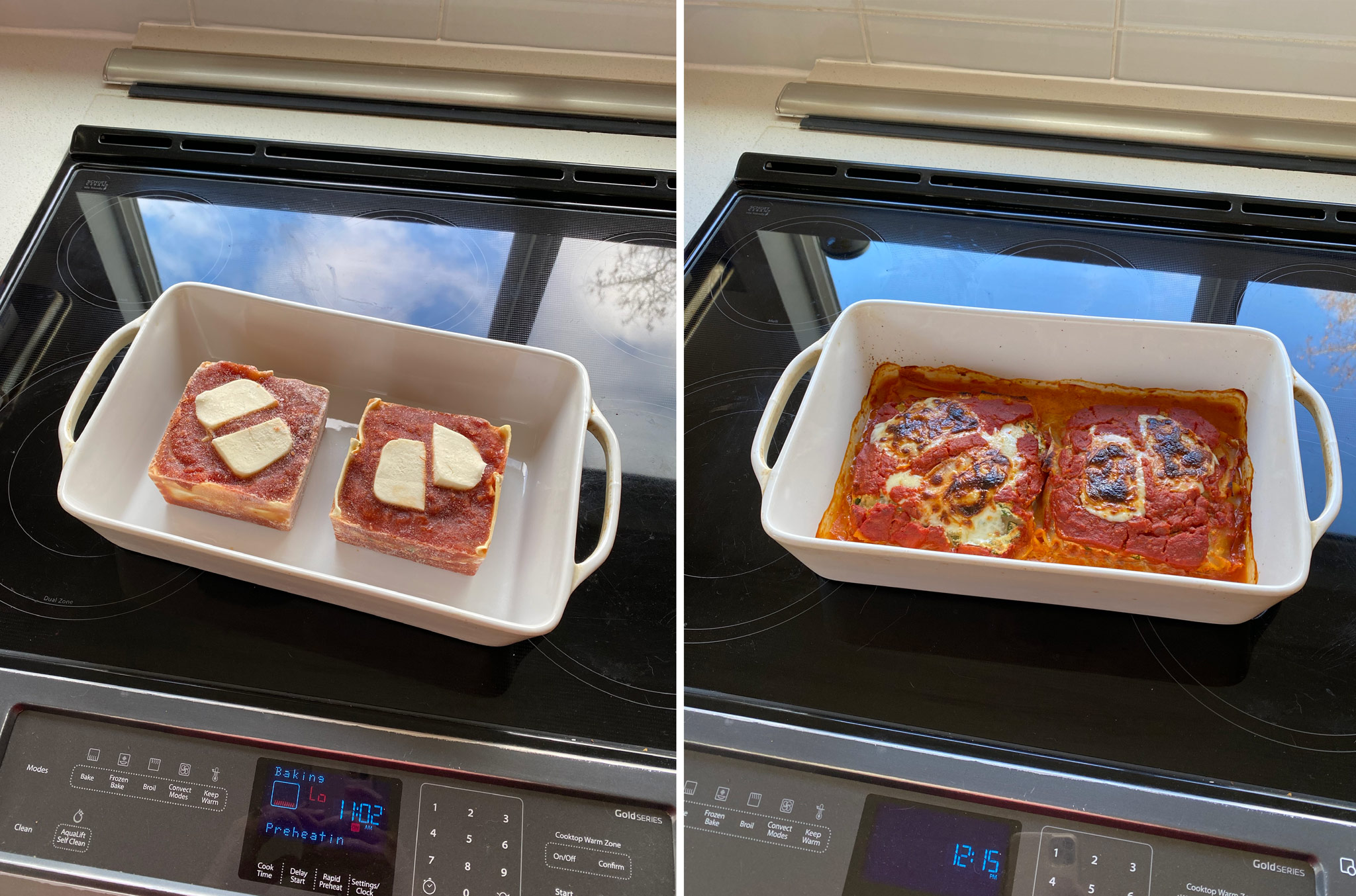
Set the oven to a low temperature, around 300°F (150°C). This heats food slowly and prevents drying out. Place the food on a baking tray or oven-safe dish. Heat for 10 to 20 minutes, depending on the food’s thickness. Check the food often to avoid overcooking.
Using Foil For Moisture
Cover food with aluminum foil to keep moisture inside. This stops the food from drying out during reheating. Wrap the dish tightly but leave some space for steam. Remove the foil in the last few minutes for crispiness. Foil works well for bread, meat, and casseroles.
Reheating Different Food Types
For pizza, place slices on a baking sheet. Heat at 350°F (175°C) for 8-10 minutes to keep crust crispy. For pasta or rice, cover with foil and heat at 300°F (150°C) for 15 minutes. For meat and poultry, use foil and heat at 325°F (160°C) until hot. Vegetables reheat well wrapped in foil at 350°F (175°C) for 10 minutes.
Toaster Oven Tips
A toaster oven is a great tool to reheat food without a microwave. It heats food evenly and keeps textures nice. Using a toaster oven can save energy and keep food tasty. Here are some tips to help you use it well.
Suitable Foods For Toaster Oven
Toaster ovens work best with solid foods. Items like pizza slices, sandwiches, and baked goods warm well. Leftover roasted vegetables and small pieces of chicken reheat nicely. Avoid foods with lots of sauce or soup. These can dry out or spill easily in a toaster oven.
Avoiding Overcooking
Set the temperature between 300°F and 350°F for reheating. Check food often to stop burning. Use a timer to keep track. Cover food with foil to keep moisture inside. This stops the top from drying out or getting too dark.
Maintaining Crispy Textures
To keep food crispy, place it on a wire rack inside the toaster oven. This lets hot air circulate around the food. Avoid wrapping crispy foods in foil. It traps steam and makes food soggy. Use short heating times and check food often to keep crunch.
Credit: projectmealplan.com
Steaming Leftovers
Steaming is a gentle way to reheat leftovers. It helps keep food moist and soft. This method avoids drying out your meals. Steaming also keeps nutrients locked in. It is perfect for many types of dishes.
Using A Steamer Basket
A steamer basket fits inside a pot. Fill the pot with water just below the basket. Place your leftovers in the basket. Cover the pot with a lid. Heat the water until it boils. Let the steam warm your food evenly. Check the food after a few minutes. Be careful not to overcook it.
Diy Steaming Methods
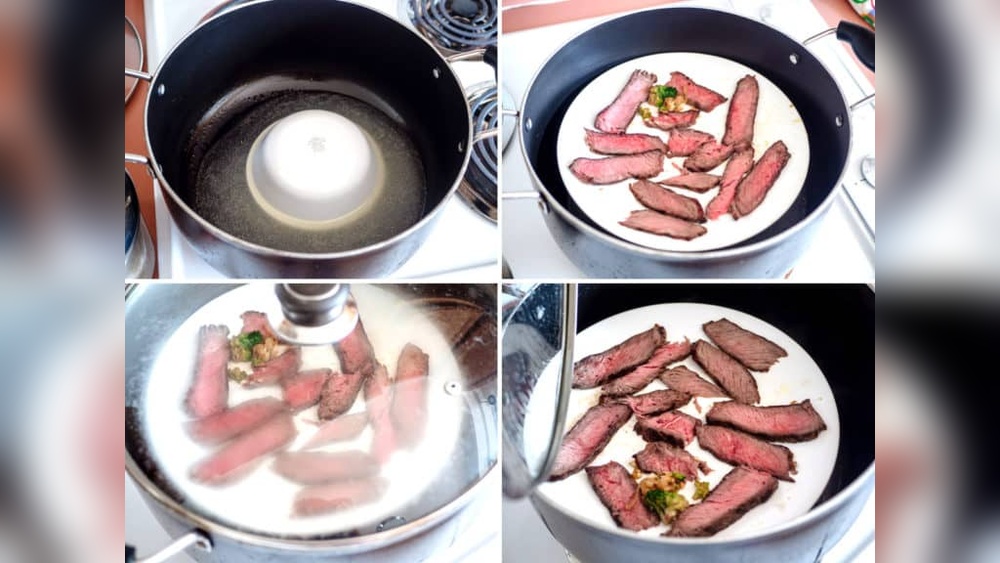
No steamer basket? No problem. Use a metal colander or a sieve that fits in a pot. Make sure it does not touch the water. Place food in the colander and cover the pot. You can also use a heatproof plate on a small rack inside a pan. Add water and cover with a lid. Steam the food gently until hot.
Best Foods To Steam
Steaming works well with rice, vegetables, and dumplings. It keeps them soft and fresh-tasting. Steaming is great for chicken pieces and fish too. Avoid steaming fried foods; they get soggy. Use this method for meals that need moisture.
Boiling And Simmering
Boiling and simmering are simple ways to reheat food without a microwave. These methods use water heat to warm food evenly. They work well for many dishes, especially soups and stews. This gentle heat keeps food moist and prevents it from drying out. Let’s explore how to use boiling and simmering for reheating.
Reheating Soups And Stews
Pour the soup or stew into a pot. Place it on the stove over medium heat. Stir gently to avoid sticking. Heat until it reaches a soft boil or simmers. This warms the food evenly without burning. Check the temperature before serving.
Avoiding Overboiling
Boiling too hard can break food texture. Reduce heat once the food boils. Keep the pot at a low simmer to prevent tough food. Stir occasionally to stop food from sticking. Watch carefully; overboiling can make food dry or mushy.
Preserving Flavor And Texture
Use a lid to keep moisture inside. This stops food from drying out. Heat food slowly to keep flavors fresh. Stir gently to keep texture intact. Avoid rushing; slow warming keeps food tasty and soft.
Using A Slow Cooker
Using a slow cooker to reheat food is a smart choice. It warms food evenly and keeps it moist. This method is gentle, preventing overcooking or drying out your meals. Slow cookers work well for soups, stews, and casseroles. They save time and use little energy.
Low And Slow Reheating
Set your slow cooker to low heat. Place the food inside and cover it with the lid. Heat for 2 to 4 hours, depending on the food amount. Stir occasionally to warm food evenly. Slow reheating stops food from becoming tough or dry.
Ideal Foods For Slow Cooker
Thick soups, stews, chili, and casseroles heat well in a slow cooker. Rice dishes and pasta with sauce also work. Avoid reheating fried or crispy foods here. They lose their texture and become soggy. Use the slow cooker for moist, saucy meals.
Safety Tips
Do not leave food out for too long before reheating. Store leftovers in the fridge promptly. Reheat food until it is steaming hot throughout. Use a food thermometer to check temperature. Clean your slow cooker well after each use to avoid bacteria.
Safety Precautions
Reheating food without a microwave needs care to keep it safe. Following safety steps lowers the risk of food poisoning. Clean handling and the right heat can protect your health.
Avoiding Bacterial Growth
Bacteria grow fast in warm, moist food. Cool leftovers quickly and store them in the fridge. Do not leave food out at room temperature for more than two hours. Reheat food only once to stop bacteria from growing.
Proper Storage Before Reheating
Store food in clean, airtight containers to keep it fresh. Use shallow containers to help food cool evenly. Label containers with the date to know how long it has been stored. Eat refrigerated food within three to four days.
Checking Food Temperature
Heat food until it is steaming hot all through. Use a food thermometer to check the temperature. Food should reach at least 165°F (74°C) to kill bacteria. Stir food while reheating to avoid cold spots.

Credit: garlicdelight.com
Tips For Best Results
Reheating food without a microwave can be simple and effective. Small steps can make a big difference in taste and texture. These tips help keep your food fresh and tasty after reheating.
Maintaining Moisture
Keep food moist to avoid dryness. Cover dishes with a lid or foil while reheating. Add a little water or broth to soups and rice. Steam vegetables gently to keep their crunch and color.
Avoiding Overcooking
Use low heat to warm food slowly. Stir or turn food often for even heating. Check food often to stop overheating. Overcooking makes food tough and less tasty.
Using Leftover Ingredients Creatively
Transform leftovers into new meals. Add fresh herbs or spices for flavor. Mix cooked vegetables into salads or omelets. Use leftover meat in sandwiches or wraps for a quick bite.
Frequently Asked Questions
How Can I Reheat Food Without A Microwave Safely?
Use an oven, stovetop, or toaster oven to warm food evenly. Always heat until the food is hot throughout to kill bacteria.
What Is The Best Way To Reheat Leftovers On The Stove?
Place food in a pan with a little water or oil. Heat on medium, stirring often until warm to avoid burning.
Can I Use An Oven To Reheat All Types Of Food?
Yes, the oven works well for most foods like pizza, casseroles, and meat. Cover food with foil to keep it moist.
How Long Does It Take To Reheat Food Without A Microwave?
Reheating time depends on food type and quantity, usually 5-20 minutes. Check food often to avoid overcooking or drying out.
Is It Safe To Reheat Food Multiple Times Without A Microwave?
Reheating food more than once is not recommended due to bacteria growth risk. Only reheat the portion you plan to eat right away.
Conclusion
Reheating food without a microwave is easy and safe. Use the stove, oven, or steamer to warm meals. These methods keep food tasty and fresh. Avoid overheating by checking food often. This way, you enjoy your leftovers without losing flavor.
Try different ways to find your favorite. Cooking without a microwave can be simple and fun. Keep these tips in mind for your next meal. Warm food, happy taste buds.