Is your electric kettle taking longer to boil or leaving white flakes in your cup? That’s a clear sign it needs descaling.
You might think it’s a hassle, but with the right steps, you can easily bring your kettle back to life. Imagine enjoying hot drinks faster, with better taste and no strange residue. You’ll learn simple, effective ways to descale your electric kettle, saving you time and money while extending its life.
Keep reading—you’ll wonder why you didn’t do this sooner!
Why Descale Your Kettle
Descaling your electric kettle is important for many reasons. Over time, minerals from water build up inside the kettle. This layer of scale can cause problems if left unchecked.
Regular descaling helps keep your kettle clean and working well. It also improves the taste of your hot drinks. Scale buildup can change the flavor, making tea or coffee bitter.
Ignoring scale can shorten your kettle’s life. The heating element works harder, using more energy. This can lead to higher electricity bills and possible damage.
Protect Your Kettle’s Heating Element
Scale covers the heating element inside the kettle. This stops it from heating water properly. The element must work harder, causing wear and tear. Descaling removes this layer and keeps the element safe.
Save Energy And Money
A scaled kettle needs more power to heat water. This wastes electricity and raises your energy bills. Descaling helps your kettle use less energy and saves money.
Improve Taste And Smell
Scale changes the taste of your drinks. It can cause a strange smell or odd flavor. Cleaning your kettle keeps water pure and fresh. Enjoy better tea, coffee, or hot chocolate.
Prevent Health Issues
Scale buildup can harbor bacteria and germs. This can affect your health over time. Regular descaling keeps your kettle hygienic and safe to use.
Credit: www.youtube.com
Signs Your Kettle Needs Descaling
Knowing the signs your kettle needs descaling helps keep it working well. Descaling removes mineral buildup that affects performance. Ignoring these signs can shorten your kettle’s life.
Look out for changes in how your kettle heats water and sounds it makes. These clues tell you when it is time to clean the inside.
Slow Boiling Time
The water takes longer to boil than usual. This happens because mineral deposits block heat transfer. Your kettle works harder and uses more energy.
White Or Chalky Residue
You see white or chalky buildup inside the kettle. This is limescale from hard water. It forms layers that reduce heating efficiency.
Strange Noises
Your kettle makes popping or cracking sounds during boiling. These noises come from mineral deposits heating unevenly. It means the kettle needs cleaning soon.
Water Tastes Off
The boiled water has a strange or metallic taste. Mineral buildup can affect water flavor. Descaling restores clean, fresh-tasting water.
Visible Stains Or Marks
You notice stains or marks on the kettle’s heating element or inside walls. These are signs of buildup. Cleaning removes these stains and protects your kettle.
Natural Descaling Methods
Natural descaling methods use simple ingredients found in most kitchens. These methods are safe for your electric kettle and the environment. They also remove limescale effectively without harsh chemicals. Below are three easy ways to descale your kettle naturally.
Using Vinegar
Pour equal parts of white vinegar and water into the kettle. Fill it halfway or enough to cover the limescale. Boil the mixture and then let it sit for 15 to 20 minutes. After cooling, discard the vinegar solution and rinse the kettle thoroughly. Vinegar breaks down limescale and leaves the kettle clean.
Using Lemon Juice
Add lemon juice to water in the kettle. Use about two tablespoons of lemon juice for every cup of water. Boil the mixture and allow it to cool for 30 minutes. Pour out the lemon water and rinse the kettle well. Lemon juice works as a natural acid to remove limescale.
Using Baking Soda
Mix one tablespoon of baking soda with one cup of water. Pour the mixture into the kettle and boil it. Let the solution sit for 15 minutes after boiling. Empty the kettle and rinse it several times. Baking soda helps loosen and remove limescale deposits gently.

Credit: kdfoundation.org
Step-by-step Descaling Process
Descaling an electric kettle keeps it working well and extends its life. The process removes mineral build-up inside the kettle. Follow these simple steps to clean your kettle safely and effectively. This step-by-step guide will help you do it right.
Preparing The Solution
Mix equal parts of water and white vinegar in a bowl. Use enough liquid to fill your kettle halfway. Vinegar helps dissolve the limescale quickly. You can also use lemon juice as an alternative.
Cleaning The Kettle
Pour the solution into the kettle. Turn the kettle on and let it boil. After boiling, turn it off and let the solution sit. Wait for about 30 minutes to loosen the mineral deposits. Use a soft brush or cloth to scrub inside gently.
Rinsing Thoroughly
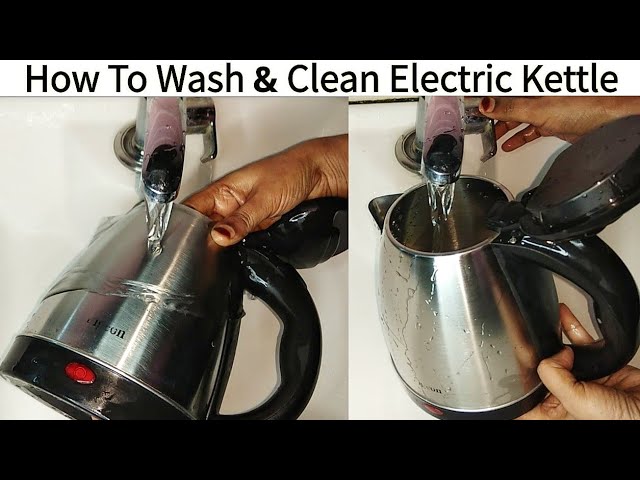
Empty the kettle and rinse it well with clean water. Fill the kettle with fresh water and boil it again. Pour out the water and repeat the rinse if needed. Make sure no vinegar or lemon smell remains. Your kettle is now clean and ready to use.
Tips To Prevent Limescale Build-up
Limescale builds up inside electric kettles over time. It affects taste and can damage the kettle. Preventing this build-up helps the kettle last longer and work better.
Simple daily habits reduce limescale. They keep your kettle clean and safe to use.
Use Filtered Or Softened Water
Tap water has minerals that cause limescale. Using filtered or softened water lowers mineral content. This slows down limescale formation inside the kettle.
Empty The Kettle After Each Use
Leaving water in the kettle causes minerals to settle. Empty the kettle after boiling water. Let it dry to stop mineral deposits from forming.
Clean The Kettle Regularly
Wipe and rinse the kettle every few days. Regular cleaning removes early limescale layers. This keeps the kettle fresh and free of build-up.
Boil Vinegar Or Lemon Juice Periodically
Boiling vinegar or lemon juice helps break down minerals. Use this method once a month to prevent heavy deposits. It keeps the inside of the kettle smooth and clean.

Credit: kdfoundation.org
Frequently Asked Questions
How Often Should I Descale My Electric Kettle?
Descale your kettle every 1 to 3 months, depending on water hardness. Frequent descaling keeps your kettle working well and safe.
What Is The Best Natural Descaling Agent For Kettles?
White vinegar and lemon juice are popular natural descalers. They remove scale gently and are easy to find at home.
Can I Use Baking Soda To Descale An Electric Kettle?
Baking soda can help remove light scale but is less effective than vinegar. Use it with water and rinse well after.
Is It Safe To Boil Vinegar In An Electric Kettle?
Yes, boiling vinegar in your kettle helps dissolve limescale. Just rinse the kettle thoroughly afterward to remove the vinegar smell.
What Happens If I Don’t Descale My Electric Kettle Regularly?
Scale buildup lowers kettle efficiency and can damage heating parts. It may also affect water taste and increase energy use.
Conclusion
Descaling your electric kettle keeps it working well and lasts longer. Regular cleaning removes hard water buildup and improves taste. Use simple household items like vinegar or lemon juice. Always follow safety steps to avoid damage or injury. A clean kettle boils water faster and saves energy.
Make descaling a routine to enjoy better tea and coffee every day. Small efforts bring big benefits. Keep your kettle fresh and ready to use anytime.