Choosing the best cutting board might seem simple, but it can make a huge difference in your kitchen. The right board keeps your knives sharp, protects your countertops, and makes food prep safer and easier.
You want a cutting board that fits your cooking style and lasts a long time. You’ll discover exactly what to look for so you can pick the perfect cutting board that feels just right for you. Keep reading—you’ll never want to go back once you know how to choose the best cutting board.
Types Of Cutting Boards
Choosing the right cutting board can improve your cooking experience. Different types suit different needs. Knowing the materials helps pick the best one for your kitchen. Here are common types of cutting boards to consider.
Wooden Boards
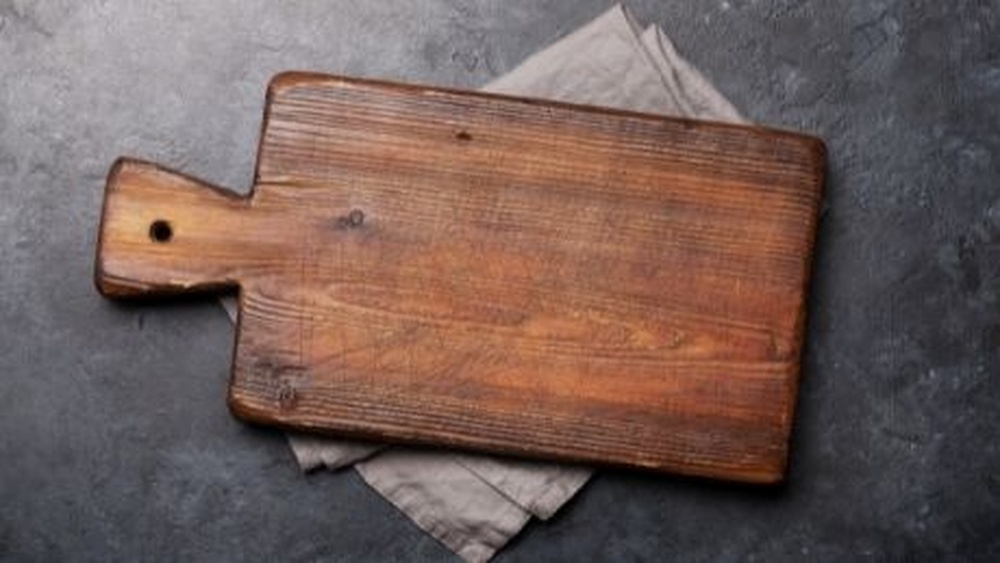
Wooden boards are classic and durable. They are gentle on knives and have natural antimicrobial properties. These boards need regular oiling to prevent cracking. They look beautiful and last long with proper care. Ideal for chopping vegetables, fruits, and bread.
Plastic Boards
Plastic boards are lightweight and easy to clean. Most are dishwasher safe, making them very hygienic. They come in various colors to avoid cross-contamination. Plastic boards are affordable and good for cutting raw meat and fish. They may wear out faster than wood.
Bamboo Boards
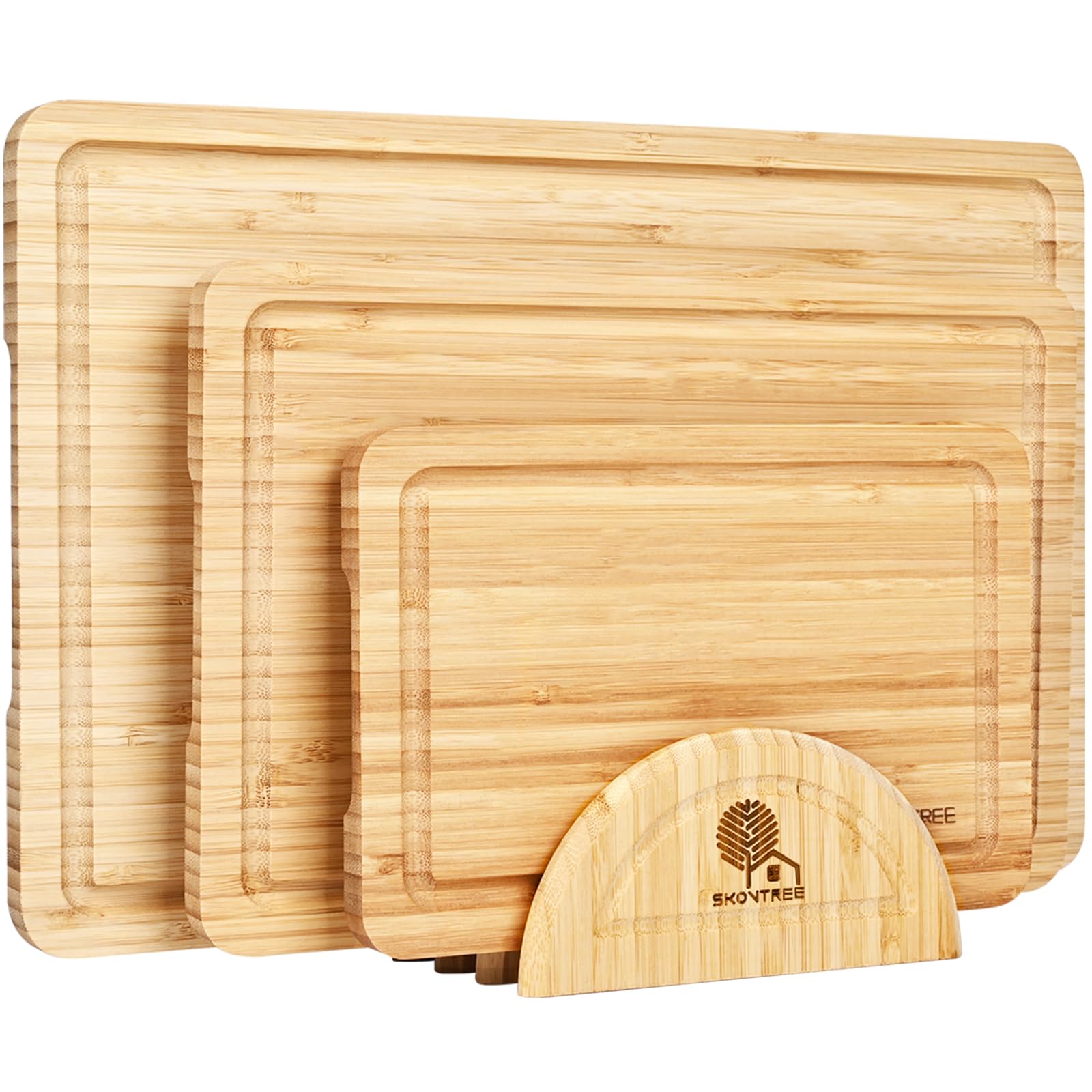
Bamboo boards are eco-friendly and harder than most woods. They resist knife marks and absorb less moisture. Bamboo is sustainable and grows quickly. These boards are lightweight and easy to maintain. Best for everyday use and moderate chopping tasks.
Composite Boards
Composite boards combine wood fibers with resin. They are tough and dishwasher safe. These boards resist warping and cracking. Composite boards work well for heavy chopping and slicing. They often have a non-slip surface for safety.

Credit: www.thecarpentryshopco.com
Key Features To Consider
Choosing the right cutting board makes cooking easier and safer. Some features affect how well a board works and how long it lasts. Pay attention to these key points to pick the best cutting board for your kitchen.
Durability And Hardness
Durability means how long the board stays good. Hardness affects how the board handles cutting. Hard boards last longer but may dull knives faster. Softer boards protect knives but wear out quickly. Find a balance between strength and softness.
Maintenance And Cleaning
Some cutting boards need more care than others. Wood boards require oiling to stay strong. Plastic boards are easy to clean in the dishwasher. Avoid boards that trap food or stain easily. Choose a board that fits your cleaning habits.
Knife Friendliness
Boards that are gentle on knives keep blades sharp. Hard surfaces can dull knives faster. Soft surfaces reduce knife damage. Protect your knives by choosing a board that keeps edges safe.
Size And Thickness
Size matters for space and use. Larger boards offer more cutting space but need storage room. Thicker boards are stable and last longer. Thin boards are light but may move while cutting. Pick a size and thickness that suits your kitchen.
Choosing Based On Usage
Choosing the best cutting board depends a lot on what you plan to cut. Different foods need different types of boards. Picking the right board keeps your food safe and your kitchen clean.
Some boards work better for raw meat, while others suit fruits or bread. Using the right board helps avoid mixing flavors and bacteria. It also protects your knives and makes cutting easier.
For Meat And Poultry
Choose a non-porous board for raw meat and poultry. Plastic or composite boards work well. They do not absorb juices, which helps prevent bacteria growth. These boards are easy to clean and sanitize. Avoid wooden boards for raw meat to stop germs from hiding.
For Fruits And Vegetables
Wooden boards are great for fruits and vegetables. They are gentle on knife edges. Wood also resists stains and odors. Bamboo boards work well too because they are hard and durable. Clean these boards with warm soapy water after use.
For Bread And Pastry
Choose a wooden or bamboo board for bread and pastry. These boards provide a firm surface to slice bread without crushing it. They also offer enough texture to hold dough while rolling. Avoid plastic boards here, as they can be too slippery for dough work.
Safety And Hygiene Tips
Choosing the best cutting board means more than just style and size. Safety and hygiene are key to keeping your kitchen clean. A good cutting board helps prevent germs and keeps food safe. Follow simple rules to avoid sickness and keep your board fresh.
Preventing Cross-contamination
Use separate cutting boards for different foods. One for meat, another for vegetables. This stops bacteria from spreading. Clean your hands before and after handling raw meat. Always use a clean board for ready-to-eat foods like bread or cheese. Avoid mixing raw and cooked foods on the same surface.
Proper Sanitizing Methods
Wash your cutting board with hot, soapy water after each use. Rinse well to remove soap and food bits. Use a mild bleach solution to kill germs once a week. Let the board air dry completely before storing. Wooden boards need extra care. Oil them regularly to prevent cracks and bacteria buildup.
Budget And Brand Recommendations
Choosing the right cutting board depends on your budget and preferred brand. A good cutting board offers durability and safety. It should fit your kitchen needs without costing too much. Here, we share options for different budgets and trusted brands that make quality boards.
Affordable Options
Affordable cutting boards do not mean low quality. Many plastic and bamboo boards offer good value. They resist knife marks and are easy to clean. These boards are light and easy to store. Perfect for everyday kitchen use without spending a lot.
Premium Picks
Premium cutting boards use high-quality wood or composite materials. They last longer and look great in any kitchen. These boards handle heavy use without warping or cracking. They often have features like juice grooves or non-slip feet. Worth the investment for serious cooks and frequent use.
Trusted Brands
Some brands are known for making reliable cutting boards. Look for names with positive reviews and good customer service. These brands focus on safety, material quality, and durability. Choosing a trusted brand reduces the risk of buying a poor product. It also ensures you get support if needed.
Credit: www.amazon.com

Credit: misen.com
Frequently Asked Questions
What Is The Best Material For A Cutting Board?
Wood and plastic are popular materials for cutting boards. Wood is gentle on knives and lasts long. Plastic is easy to clean and often dishwasher safe.
How To Choose The Right Size Cutting Board?
Pick a cutting board size that fits your kitchen space. A larger board offers more workspace. A smaller one is easy to store and carry.
Can Cutting Boards Affect Food Safety?
Yes, cutting boards can affect food safety. Use separate boards for raw meat and vegetables. Clean boards well to avoid bacteria spread.
How To Maintain And Clean A Cutting Board?
Clean cutting boards with hot soapy water after use. For wood boards, oil them regularly to prevent cracking. Avoid soaking wood boards in water.
Should I Use Different Boards For Different Foods?
Using different boards for meat, vegetables, and bread is safer. It helps prevent cross-contamination. Color-coded boards make it easier to separate foods.
Conclusion
Choosing the best cutting board depends on your needs and kitchen style. Think about material, size, and how easy it is to clean. Wood boards are gentle on knives, while plastic boards are easy to maintain. Consider how often you cook and what types of food you prepare.
A good cutting board makes cooking safer and more fun. Take your time and pick one that fits your routine well. This way, you enjoy cooking every day without worry. Simple steps lead to better kitchen choices.