Are you tired of throwing away food and feeling like it’s going to waste? Imagine saving money, helping the environment, and making your kitchen more efficient—all by changing a few simple habits.
Reducing food waste at home is easier than you think, and it starts with small steps you can take right now. You’ll discover practical tips that fit your lifestyle and help you make the most of every meal. Ready to turn your leftover scraps into savings and success?
Let’s dive in.
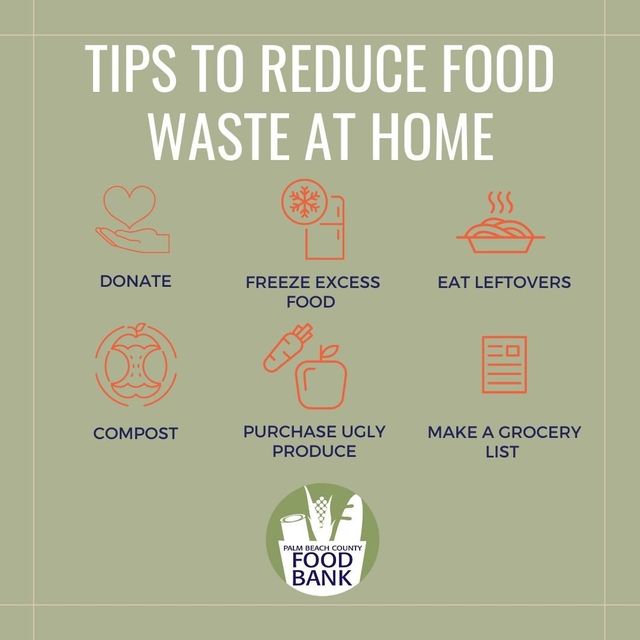
Credit: www.pbcfoodbank.org
Smart Shopping Habits
Smart shopping habits help cut down food waste at home. They make sure you buy only what you need. This saves money and keeps your kitchen fresh. Planning before shopping is key. It stops unnecessary purchases and keeps food lasting longer.
Make A Detailed Grocery List
Write down everything you need before going to the store. Check what you already have at home. This stops buying extra items that may spoil. A list keeps you focused and quick while shopping. It helps you avoid forgetting important ingredients.
Avoid Impulse Buys
Impulse buys often lead to wasted food. Skip items not on your list. Avoid shopping when hungry to reduce cravings. Stick to your plan to prevent buying too much. This habit lowers chances of food going unused.
Choose Fresh And Long-lasting Items
Pick fruits and vegetables that look fresh and firm. Check expiration dates on packaged goods. Choose items that last longer on the shelf. This gives you more time to use food before it spoils. Fresh and durable foods reduce waste significantly.

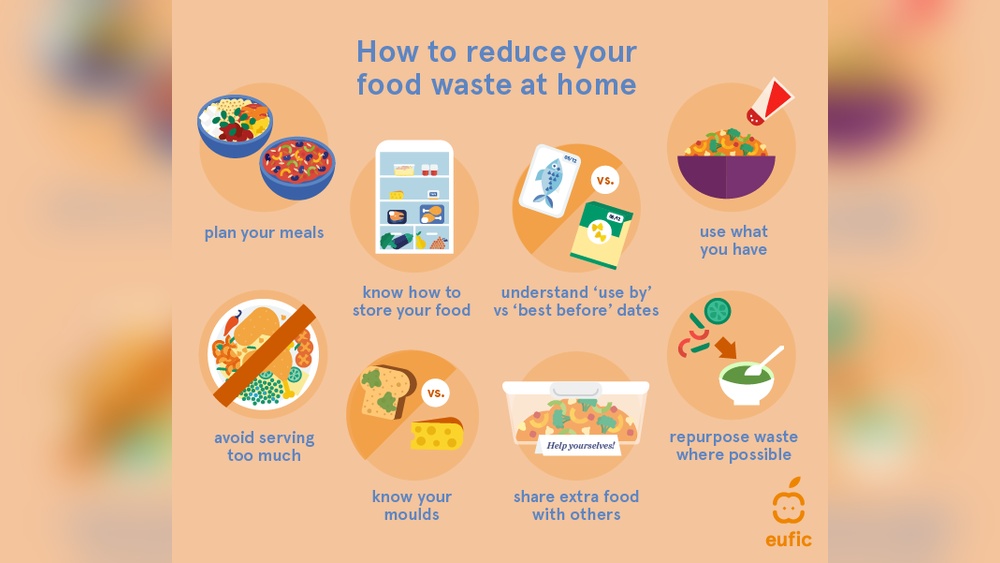
Credit: www.thistle.co
Effective Food Storage
Effective food storage helps keep food fresh longer and reduces waste. Proper storage stops food from spoiling quickly. It saves money and cuts down on throwing away good food. Simple habits in storing food make a big difference at home.
Use Proper Containers
Choose containers that fit the food well. Airtight containers keep air and moisture out. Clear containers help you see what’s inside quickly. Use glass or BPA-free plastic to store leftovers. Label containers with dates to track freshness easily.
Organize Your Fridge And Pantry
Keep similar foods together for easy access. Store raw meat on the bottom shelf to avoid drips. Place older items in front to use them first. Use baskets or bins to group snacks and small packages. Regularly clean and remove expired foods to make space.
Understand Food Expiration Dates
“Best before” means quality may drop but food is safe. “Use by” is the last day food should be eaten. Check dates before buying and plan meals around them. Trust your senses—smell and look at food before discarding. Knowing dates helps avoid tossing good food unnecessarily.
Meal Planning Strategies
Meal planning strategies help reduce food waste by organizing what and how you cook. Planning meals ahead saves money and time. It also stops buying too much food that can spoil. Smart meal planning makes it easy to use ingredients fully.
Plan Weekly Menus
Write a simple menu for each day of the week. Choose recipes that share ingredients to avoid waste. Check what food you already have before shopping. This prevents buying items you do not need. Stick to the menu when shopping and cooking.
Batch Cooking And Portion Control
Cook large amounts of food at once to save time. Divide meals into smaller portions and freeze extras. This keeps food fresh longer and reduces waste. Serve correct portion sizes to avoid leftovers that spoil quickly. Use containers to store food safely.
Use Leftovers Creatively
Turn leftovers into new meals instead of throwing them away. Mix cooked vegetables into soups or stir-fries. Use stale bread for croutons or breadcrumbs. Combine leftover rice with eggs for a quick dish. Get creative and reduce waste easily.
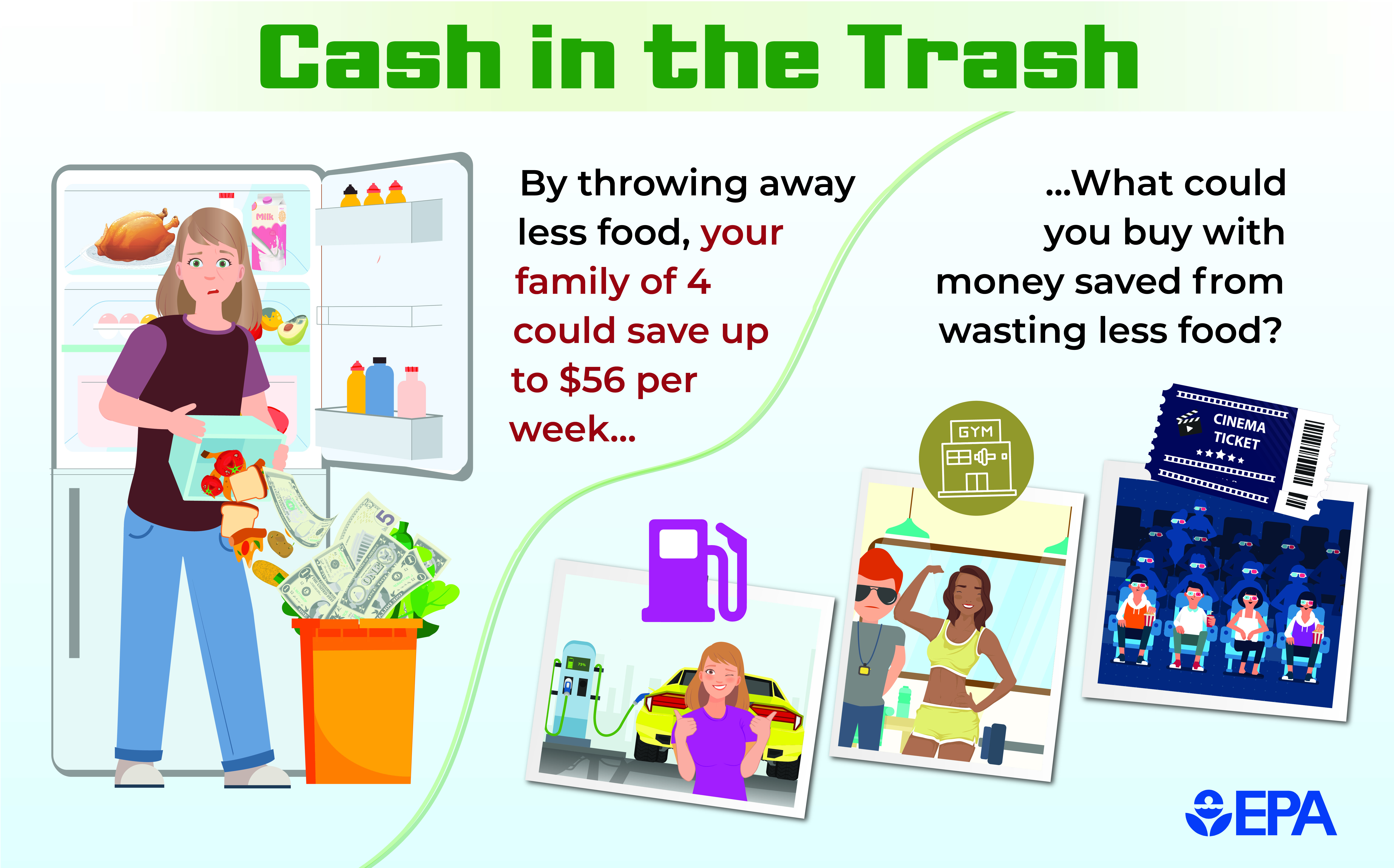
Credit: www.epa.gov
Waste Reduction Techniques
Reducing food waste at home helps save money and protect the environment. Simple actions can make a big difference. These waste reduction techniques are easy to start. They turn scraps into useful resources and reduce what ends up in the trash.
Compost Food Scraps
Composting turns food scraps into rich soil. Collect vegetable peels, coffee grounds, and eggshells. Avoid meat and dairy, as they attract pests. Use a compost bin or pile in your backyard. Compost helps plants grow and reduces landfill waste.
Repurpose Food Peels And Trimmings
Food peels and trimmings can have many uses. Use citrus peels to freshen your home or make zest for recipes. Vegetable scraps can be boiled to make broth. Save onion skins for natural dye. Repurposing reduces waste and adds value.
Donate Surplus Food
Extra food can help others instead of being wasted. Check local food banks or shelters that accept donations. Pack and store food safely before donating. Sharing surplus food supports your community and cuts waste.
Family Involvement Tips
Getting the whole family involved helps reduce food waste at home. Everyone learns the value of food and feels responsible. This teamwork makes saving food fun and effective.
Educate On Food Waste Impact
Teach family members why food waste matters. Explain how wasted food harms the environment and costs money. Use simple facts and examples children can understand. Share stories about where food comes from and what happens when it is wasted.
Encourage Mindful Eating
Ask family members to take only what they can eat. Suggest eating slowly and enjoying every bite. Teach how to store leftovers properly. Encourage tasting new foods before serving a big portion.
Create Waste Reduction Challenges
Make reducing food waste a fun contest. Set small goals like finishing all food on plates. Reward everyone for meeting these goals. Track progress with a chart or sticker system. Celebrate success together to build good habits.
Frequently Asked Questions
What Are Simple Ways To Reduce Food Waste At Home?
Planning meals ahead and buying only what you need helps reduce waste. Store food properly and use leftovers creatively to avoid throwing food away.
How Can I Store Fruits And Vegetables To Last Longer?
Keep fruits and vegetables in cool, dry places or the fridge as needed. Use airtight containers or bags to maintain freshness and prevent spoilage.
How Do Portion Sizes Affect Food Waste?
Serving smaller portions can prevent uneaten food from being thrown away. You can always eat more if still hungry, reducing waste effectively.
Can Freezing Food Help In Reducing Waste?
Freezing preserves food for longer periods and stops spoilage. Portion leftovers before freezing to avoid thawing more than needed.
What Should I Do With Food Scraps To Minimize Waste?
Use food scraps to make compost or broth instead of throwing them out. This reduces waste and benefits your garden or cooking.
Conclusion
Reducing food waste at home saves money and helps the planet. Plan meals and shop smart to buy only what you need. Store food properly to keep it fresh longer. Use leftovers creatively to avoid throwing food away. Small changes make a big difference over time.
Everyone can join in and reduce waste today. Start with simple steps and see the results soon. Waste less, save more, and protect the environment. It’s easy when you make it part of your routine.