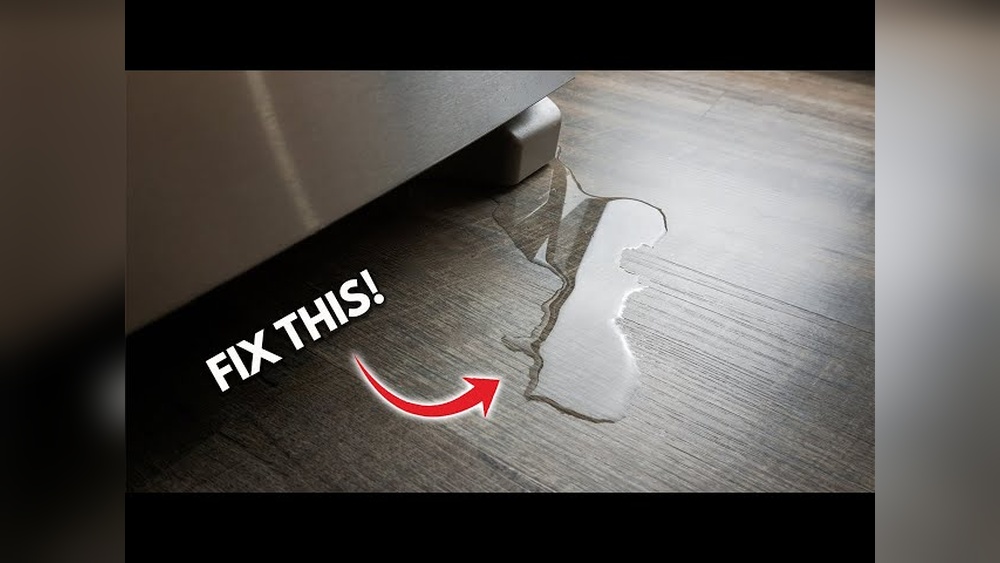
Is your refrigerator leaking water and you don’t know why? You’re not alone.
A leaking fridge can cause a mess, waste energy, and even damage your kitchen floor. But before you panic or call a repair technician, it’s important to understand what might be causing the problem. You’ll discover the most common reasons why your refrigerator leaks water—and how you can fix them quickly.
Keep reading to save your fridge, your money, and your peace of mind.

Credit: www.youtube.com
Common Causes Of Refrigerator Leaks
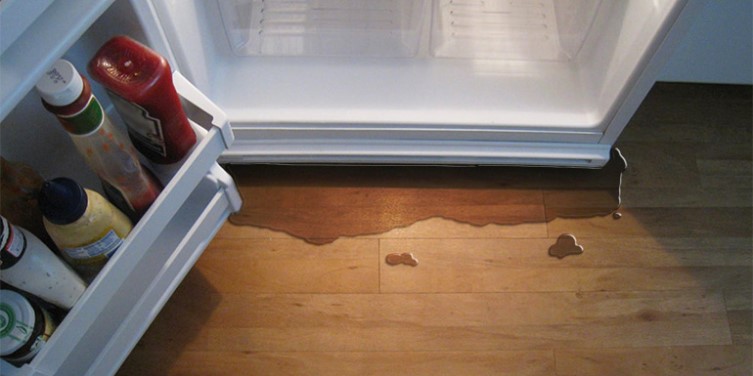
Water leaks from refrigerators cause many problems at home. They create puddles on the floor and can damage the appliance. Understanding common causes helps in fixing leaks quickly. Many leaks come from simple issues that anyone can check.
Here are some common causes of refrigerator leaks. Each cause can lead to water pooling inside or outside the fridge. Knowing these causes helps in preventing long-term damage and costly repairs.
Clogged Defrost Drain
Most refrigerators have a defrost drain to remove melted water. This drain can get clogged with dirt or food particles. When clogged, water builds up and leaks inside the fridge or on the floor. Cleaning the drain regularly prevents this problem.
Damaged Door Seal
The door seal keeps cold air inside the fridge. A damaged or worn seal lets warm air enter. Warm air causes condensation to form and water to leak. Check the seal for cracks or tears and replace it if needed.
Blocked Drain Pan
The drain pan collects water from the defrost cycle. If it gets blocked or cracked, water spills onto the floor. Cleaning the pan and fixing cracks stops leaks from this source. Make sure the pan fits properly under the fridge.
Frozen Or Cracked Water Filter
Water filters can freeze or crack over time. A frozen filter blocks water flow, causing leaks. Cracks allow water to escape outside the system. Replace old filters regularly to avoid leaks and maintain water quality.
Improper Leveling
A fridge that is not level can cause water to pool and leak. If the fridge tilts forward or backward, water may not drain properly. Use a level tool and adjust the feet to keep the fridge even. Proper leveling ensures smooth water flow.
Credit: nebraskyplumbing.com
Identifying The Leak Source
Finding the source of a refrigerator leak is the first step to fix it. Water leaks can come from different parts inside or outside the fridge. Checking these areas helps stop water damage and keeps your fridge working well.
Checking Inside The Fridge
Look inside the fridge for any water pooling or frost build-up. Check the door seals to make sure they close tightly. A broken seal can cause water to drip. Also, inspect the shelves and drawers for cracks or spills that might cause leaks.
Inspecting The Drain And Drain Pan
The drain inside the fridge removes excess water. It can get clogged with food or dirt. A blocked drain causes water to leak inside or outside the fridge. Check the drain hole and clean it carefully. The drain pan under the fridge collects water. If it cracks or overflows, water will leak onto the floor.
Examining Water Supply Lines
Some fridges connect to water lines for ice makers or water dispensers. These lines can wear out or loosen over time. Check for cracks, holes, or loose fittings. Tighten any loose connections and replace damaged hoses to stop leaks.
Simple Diy Fixes
Water leaking from a refrigerator can be a simple problem to fix at home. Most leaks happen because of small blockages or worn parts. These fixes do not need special tools or skills. Try these easy DIY methods to stop your fridge from leaking water.
Clearing The Defrost Drain
The defrost drain can get clogged with ice or dirt. This blockage stops water from draining properly. Use a pipe cleaner or a small brush to clear the drain hole. Pour warm water down the drain to melt any ice. This helps water flow freely and stops leaks inside the fridge.
Replacing Door Seals
Old or damaged door seals cause warm air to enter the fridge. This creates extra moisture and water leaks. Check the seals for cracks or tears. Remove the old seals carefully and buy new ones that fit your fridge model. Press the new seals firmly into place to keep the cold air inside.
Emptying And Cleaning The Drain Pan
The drain pan collects water that melts during defrosting. Sometimes, the pan fills up or gets dirty. Remove the pan from under the fridge. Empty any water and clean the pan with warm soapy water. Dry it well before placing it back. This prevents overflow and water leaks on the floor.
Credit: www.mrrooter.com
When To Call A Professional
Knowing when to call a professional for a leaking refrigerator saves time and prevents damage. Some problems need expert skills and tools. Trying to fix these issues alone can cause more harm. Recognizing signs that require a technician helps keep your fridge safe and working well.
Persistent Leaks After Diy Attempts
Small leaks can be fixed by cleaning or unclogging drains. If leaks continue after these steps, a deeper issue might exist. Persistent leaks need a professional to find hidden problems. They can check seals, pipes, and drainage systems carefully.
Issues With Water Dispenser Or Ice Maker
Water dispensers and ice makers have complex parts. Problems in these parts often cause leaks. Fixing them requires special knowledge and tools. Professionals can test water lines and replace faulty parts safely.
Complex Repairs And Part Replacements
Some leaks come from broken components inside the fridge. Replacing parts like compressors or valves needs skill. Professionals know how to handle these repairs correctly. They ensure your fridge works without leaks after the fix.
Tips To Prevent Future Leaks
Preventing water leaks from your refrigerator saves you time and money. Small steps help avoid bigger problems later. Follow these simple tips to keep your fridge running smoothly and dry.
Regular Maintenance Routine
Clean the drip pan and drain hole often. Check for any blockages that stop water flow. Wipe spills inside the fridge quickly. Defrost the freezer if ice builds up. These habits keep water moving where it should.
Proper Fridge Installation
Place the fridge on a flat, level surface. Make sure the door seals close tightly. Check the water line connection for leaks. A stable setup prevents water from pooling or leaking out.
Monitoring And Replacing Filters
Inspect water filters regularly for clogs or damage. Replace filters as the manufacturer suggests. Clean filters improve water flow and reduce leaks. Fresh filters keep your fridge working well.
Frequently Asked Questions
Why Is My Refrigerator Leaking Water Inside?
Water inside the fridge often leaks due to a clogged or frozen defrost drain. This blocks water flow, causing it to pool inside. Cleaning the drain usually fixes this problem.
What Causes Water To Leak Under The Refrigerator?
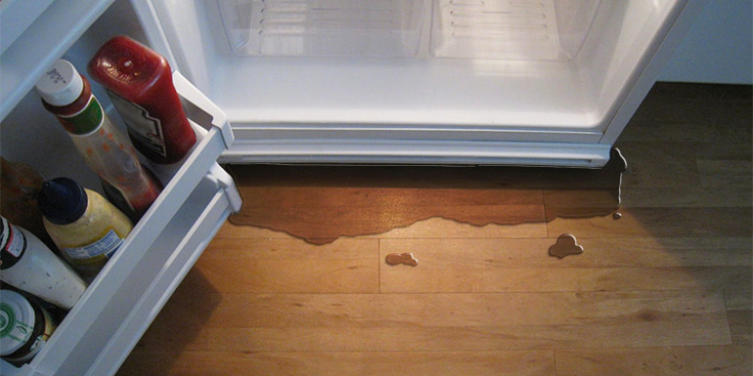
Water under the fridge usually comes from a blocked or damaged drain pan. It can also be due to a broken water supply line. Checking these parts helps find the leak source.
How Do I Stop My Refrigerator From Leaking Water?
Clear the defrost drain and check the drain pan for cracks or spills. Also, make sure the fridge is level to allow proper drainage. These steps reduce leaks effectively.
Can A Faulty Door Seal Cause Water Leakage?
Yes, a damaged door seal lets warm air in, causing condensation and water leaks. Replacing the seal ensures the fridge stays cold and dry inside.
Does Defrost Timer Failure Cause Water Leaks?
A broken defrost timer can stop the fridge from defrosting properly. This leads to ice buildup and water leaks when it melts. Repairing the timer solves the issue.
How Often Should I Clean My Refrigerator Drain?
Cleaning the drain every 3 to 6 months keeps it clear and prevents leaks. Regular maintenance helps your fridge run smoothly and avoids water problems.
Conclusion
A leaking refrigerator can cause many problems at home. Water may come from a clogged drain, broken door seal, or ice maker issues. Fixing leaks quickly keeps your fridge working well. Regular cleaning and checks prevent future leaks. Small problems can turn big if ignored.
Stay alert and act fast to save time and money. Understanding why leaks happen helps you maintain your fridge better. A dry, clean fridge means fresh food and less waste. Keep your kitchen safe and dry by watching for leaks.