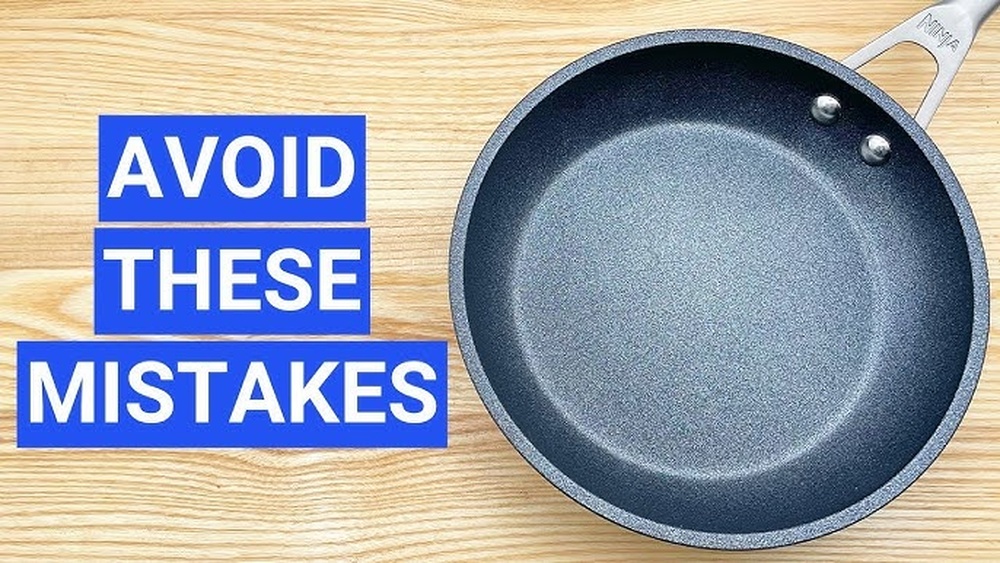
Are you thinking about buying a nonstick pan or already using one? Before you make your next kitchen purchase, it’s important to know that nonstick pans aren’t perfect for everyone.
While they offer convenience, there are certain situations where they might do more harm than good for your health or cooking style. If you’re unsure whether a nonstick pan is right for you, keep reading. This article will help you understand who should avoid nonstick pans and why, so you can make the best choice for your kitchen and well-being.
Health Risks Of Nonstick Pans
Nonstick pans are popular in many kitchens. They make cooking and cleaning easier. Yet, some health risks come with using these pans. Knowing these risks helps you decide if nonstick cookware suits you.
Chemical Exposure Concerns
Nonstick pans often contain chemicals like PFOA and PTFE. These chemicals can release harmful fumes. These fumes may cause flu-like symptoms called “polymer fume fever.” People with breathing problems should avoid these fumes. Long-term exposure might affect the liver and thyroid. Pregnant women and children should be extra careful.
Effects Of Overheated Coatings
Nonstick coatings break down at high heat. Overheating can release toxic gases. These gases irritate eyes, nose, and throat. Cooking on high heat often increases this risk. Using nonstick pans only on low or medium heat is safer. Damaged coatings can flake off into food. Eating these flakes may cause stomach discomfort.
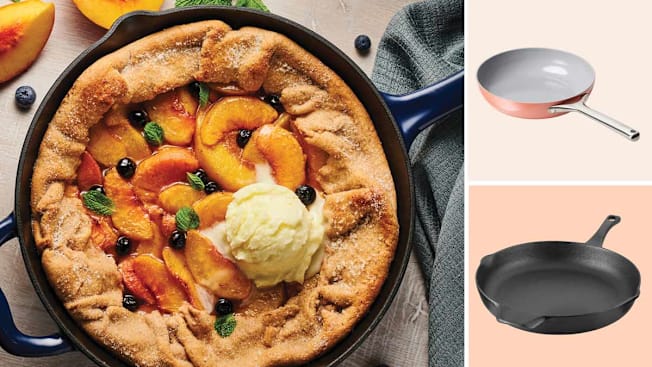
Credit: www.consumerreports.org
Groups At Higher Risk
Nonstick pans are popular in many kitchens. Yet, some groups face higher health risks using them. These risks come from chemicals that might release when pans overheat. Knowing who should avoid these pans helps keep everyone safe.
Some people breathe more deeply or are more sensitive to chemicals. Others have bodies that react differently to toxins. Understanding these groups helps make better cooking choices.
Pregnant Women
Pregnant women should be careful with nonstick pans. Chemicals from overheated pans may affect the baby’s development. Exposure to harmful substances can cause problems for the unborn child. Using safer cookware options reduces this risk.
Children And Infants
Children and infants have weaker immune systems. Their bodies are less able to fight off toxins. Chemicals from nonstick pans can harm their growth and health. Avoiding these pans helps protect young ones from potential dangers.
Individuals With Respiratory Issues
People with asthma or other lung conditions may react badly. Fumes from heated nonstick pans can trigger breathing problems. These fumes worsen symptoms and cause discomfort. Choosing safer cookware helps keep air clean and lungs safe.
Nonstick Pans And Allergies
Nonstick pans are popular for easy cooking and cleaning. Yet, some people may face allergy problems from these pans. Understanding these issues helps keep cooking safe and comfortable.
Potential Allergic Reactions
Some nonstick pans release small particles during heating. These particles can cause skin rash or breathing problems in sensitive people. Symptoms may include itching, redness, or coughing. Reactions vary from mild to severe.
Identifying Sensitivities
Pay attention to signs after cooking with nonstick pans. Notice any skin irritation or breathing trouble. Keep a food and symptom diary to track patterns. Consult a doctor for proper allergy testing and advice.
Credit: americankitchen.com
Safe Alternatives To Nonstick Cookware
Safe alternatives to nonstick cookware offer healthy and durable options. These choices reduce risks linked to certain nonstick coatings. They provide excellent cooking performance without harmful chemicals. Many materials suit different cooking styles and needs. Here are some popular safe alternatives to consider.
Cast Iron And Stainless Steel
Cast iron pans heat evenly and retain heat well. They develop a natural nonstick surface with proper seasoning. Cast iron adds iron to food, which can be healthy. Stainless steel pans do not have coatings that can peel. They are tough and resist scratching or warping. Both types work well for frying, searing, and baking. They can last a lifetime with proper care.
Ceramic And Glass Options
Ceramic cookware uses a natural, non-toxic coating. It does not release harmful fumes or chemicals. Ceramic surfaces allow easy food release when used right. Glass cookware is non-reactive and safe for oven use. Both ceramic and glass are easy to clean and maintain. They suit gentle cooking methods like baking and simmering. These options offer a clean, safe cooking experience.
Tips For Using Nonstick Pans Safely
Using nonstick pans safely helps keep their surface intact and your food healthy. Following simple tips can extend the life of these pans. It also reduces health risks linked to overheating or scratching the coating.
Proper Temperature Control
Nonstick pans work best at low to medium heat. High heat can damage the coating and release harmful fumes. Always preheat pans slowly and avoid empty heating. Use heat settings below 500°F (260°C) to protect the surface. Turn off the stove as soon as cooking is done. This stops the pan from overheating unnecessarily.
Avoiding Scratches And Damage
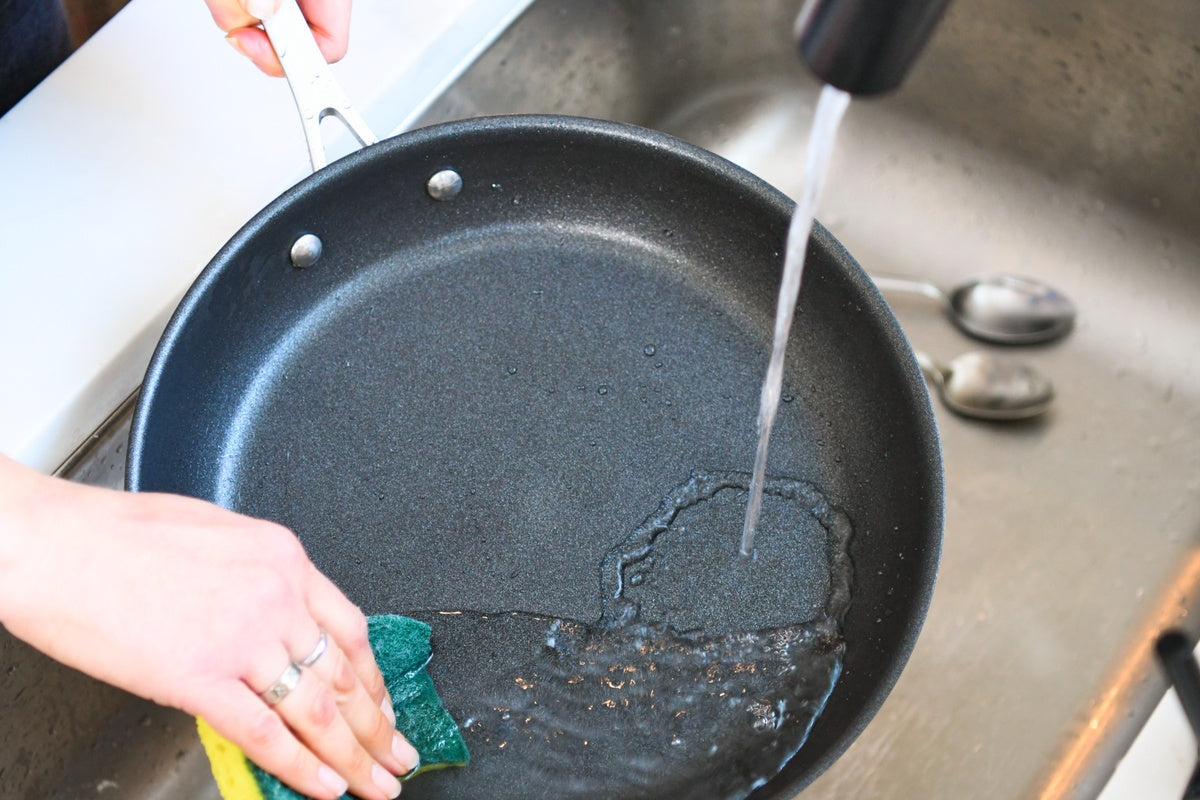
Use only soft utensils like wood, silicone, or plastic. Metal tools can scratch and ruin the nonstick layer. Never cut food inside the pan. Avoid stacking pans without protection to stop scratches. Hand wash with a soft sponge and mild soap. Abrasive cleaners and rough pads harm the coating quickly. Proper care keeps the pan nonstick and safe for cooking.
When To Replace Nonstick Pans
Knowing when to replace nonstick pans is important for safety and cooking quality. Over time, these pans lose their coating and can cause problems. Using a worn-out nonstick pan can affect your food and health.
Signs Of Wear And Tear
Scratches or peeling on the surface show the pan is worn. Food may start sticking more than before. The pan might heat unevenly or lose its shine. These signs mean the pan needs replacing soon.
Health Considerations For Replacement
Damaged nonstick coatings can release harmful chemicals during cooking. Eating food from these pans may expose you to toxins. Old pans with flaking surfaces may mix particles into food. Replace pans to keep your cooking safe and healthy.
:max_bytes(150000):strip_icc()/__opt__aboutcom__coeus__resources__content_migration__serious_eats__seriouseats.com__2019__10__20191028-stop-using-nonstick-for-everything-vicky-wasik-skinjpg-1500x1125-ed4a54dd2765467983753ec25b405ccc.jpg)
Credit: www.seriouseats.com
Frequently Asked Questions
Who Should Avoid Using Nonstick Pans?
People who cook at high temperatures should avoid nonstick pans. They can release harmful fumes when overheated. Also, those who prefer metal utensils may damage the coating. People with chemical sensitivities might want to choose safer alternatives.
Are Nonstick Pans Unsafe For Pregnant Women?
Pregnant women should be cautious with nonstick pans. Overheated pans may release toxic fumes affecting both mother and fetus. Using low heat and proper ventilation reduces risk. Opting for ceramic or stainless steel pans can be safer choices during pregnancy.
Can People With Allergies Use Nonstick Pans Safely?
Nonstick pans are generally safe for people with allergies. However, those sensitive to chemicals like PFOA should avoid older pans. Modern nonstick coatings are usually PFOA-free and less likely to cause reactions. Always check the product label for safety information.
Do Nonstick Pans Affect Food Taste Or Quality?
Nonstick pans do not affect food taste or quality. They provide even cooking and easy food release. However, damaged coatings can cause uneven heating. Regularly replacing worn pans ensures consistent cooking results.
Conclusion
Nonstick pans suit many kitchens but not all. People who cook at high heat may face issues. Those avoiding chemicals should think twice. If you want long-lasting cookware, consider other options. Nonstick pans can scratch and lose their coating fast.
Choose cookware that fits your cooking style and health needs. Careful choice keeps your food safe and tasty. Think about your habits before buying nonstick pans.