Are you tired of guessing which pots and pans will work on your induction cooktop? Choosing the right cookware can make all the difference in how well your meals turn out—and how quickly you can cook them.
If you want to avoid frustration, wasted money, and uneven cooking, you need to know exactly what works with induction heat. Keep reading, and you’ll discover the simple secrets to picking cookware that fits your induction stove perfectly and boosts your cooking game every time.
How Induction Cooking Works
Induction cooking heats pots and pans directly using magnetic energy. It does not use flames or electric coils. This method cooks food faster and saves energy. The surface stays cooler, making it safer to use. Understanding how induction cooking works helps choose the right cookware.
Basics Of Induction Technology
Induction cooktops have a coil under the glass surface. When turned on, it creates a magnetic field. This field causes electric currents in the cookware. These currents generate heat inside the pot or pan. The heat cooks the food directly. The cooktop itself stays cool because heat comes from the cookware.
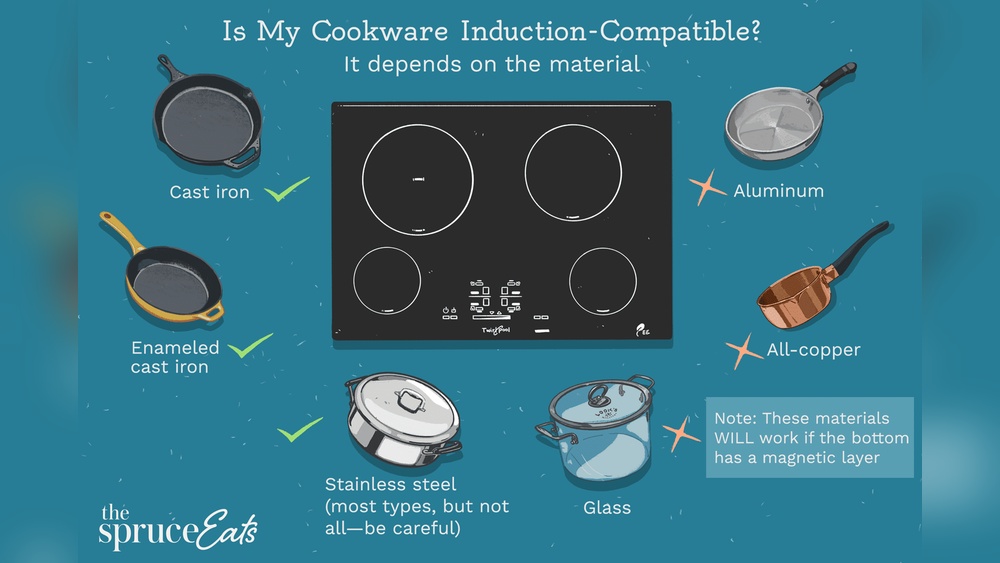
Only certain metals work with induction. These metals must be magnetic. Cookware made of iron or stainless steel usually works. Aluminum, copper, or glass cookware do not work unless they have a magnetic base.
Benefits Of Induction Cookware
Induction cookware heats up quickly and evenly. This means food cooks faster and better. The surface around the pot stays cooler, reducing burns. Cookware lasts longer because heat is controlled precisely. It also uses less energy, which saves money. Cleaning is easier as spills do not burn onto the cooktop.
Choosing the right cookware helps take full advantage of induction cooking benefits. Magnetic and flat-bottomed pots and pans work best.
Credit: www.frigidaire.ca
Materials Compatible With Induction
Induction cooktops use magnets to heat cookware. Only pots and pans with magnetic bases work well. Materials must have magnetic properties to create heat quickly and evenly. This section explains common materials compatible with induction cooking.
Magnetic Stainless Steel
Not all stainless steel works on induction. Look for magnetic stainless steel with a magnetic layer. It heats fast and cleans easily. Durable and resistant to rust, it suits daily cooking. Check the product label or use a magnet test.
Cast Iron
Cast iron is naturally magnetic and works perfectly. It holds heat well and cooks evenly. Heavy and strong, it lasts for years. Ideal for slow cooking, frying, or searing. Needs care to avoid rust and cracking.
Enameled Cast Iron
Enameled cast iron has a smooth, colorful coating. It works on induction like regular cast iron. The enamel prevents rust and is easy to clean. Good for cooking acidic foods without damage. Weight is similar to cast iron.
Carbon Steel
Carbon steel is magnetic and heats quickly. Lighter than cast iron but still strong. Great for frying and sautéing. Requires seasoning to keep a non-stick surface. Popular with professional chefs and home cooks.
Materials Not Suited For Induction
Not all cookware materials work with induction stoves. Induction cooking relies on magnetic energy to heat pans. Materials that do not react to magnets will not heat properly. This limits the types of cookware you can use on induction cooktops. Understanding which materials are not suited helps you avoid frustration in the kitchen.
Aluminum And Copper
Aluminum and copper are popular for their excellent heat conduction. They spread heat evenly and cook food well. Yet, they usually lack magnetic properties. This means they do not work directly on induction stoves. Some aluminum and copper pans come with a magnetic base. Without this base, these pans remain incompatible with induction cooking.
Glass And Ceramic
Glass and ceramic cookware is common for baking and serving. They do not contain metal and have no magnetic field. This makes them unsuitable for induction stoves. Glass and ceramic pans will not heat up on induction surfaces. They are better suited for conventional ovens or gas stoves.

Credit: stahlkitchens.com
How To Test Cookware For Induction
Testing cookware for induction is simple and quick. It helps you know if your pots and pans will work on an induction stove. You don’t need special tools or skills. Just follow easy steps to check your cookware’s compatibility.
Magnet Test
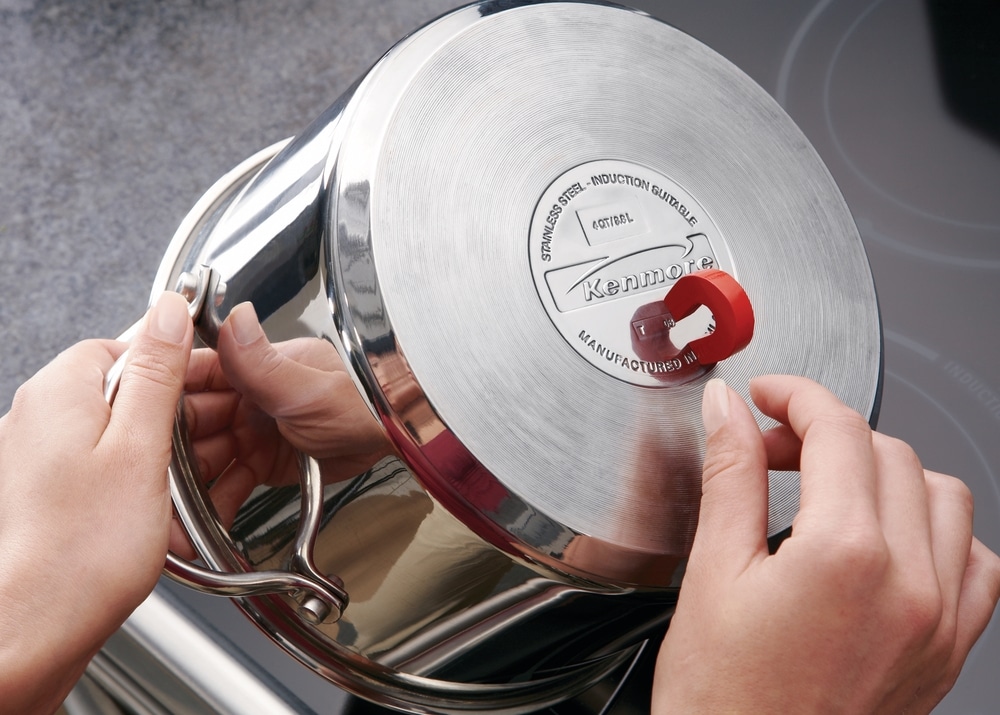
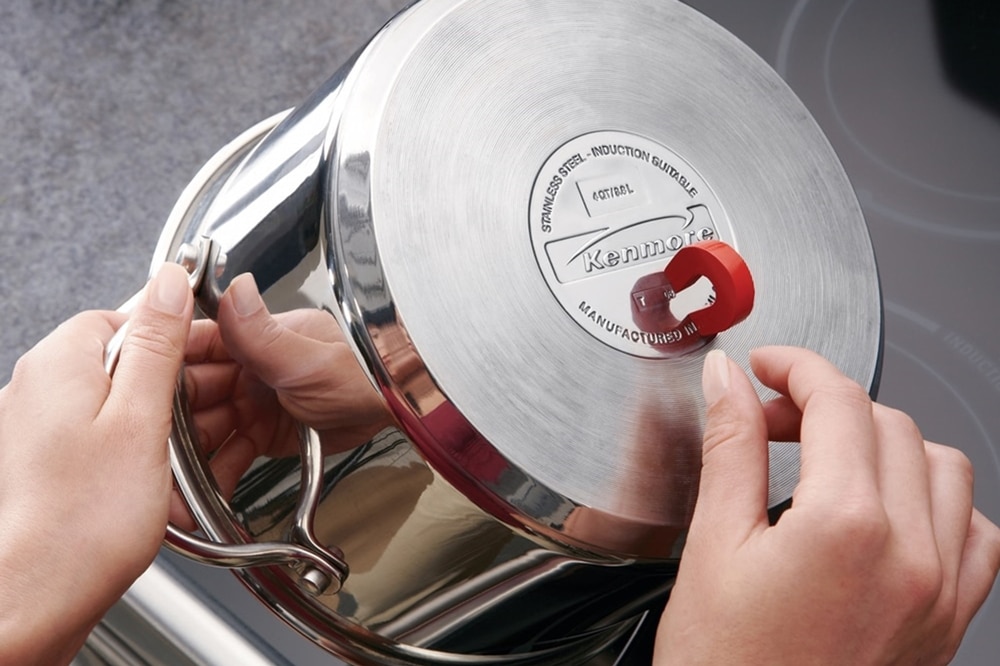
Take a small magnet and hold it to the bottom of the cookware. If the magnet sticks well, the cookware works on induction. If it does not stick, the cookware is not suitable. Most induction cooktops need magnetic materials like cast iron or stainless steel.
Manufacturer Labels
Check the bottom or packaging of your cookware for labels. Look for words like “induction ready” or a coil symbol. These signs mean the cookware is designed for induction stoves. Labels provide a quick way to confirm without testing.
Best Pots And Pans For Induction
Choosing the best pots and pans for induction cooking matters. Not all cookware works on induction stoves. Induction needs pots and pans that have magnetic bases. This helps the stove heat the cookware quickly and evenly.
Many materials suit induction cooking. Some stand out for their quality, durability, and heat performance. Here are the best types of cookware for induction.
Top Stainless Steel Picks
Stainless steel is popular for induction. It is strong and resists rust or stains. Look for stainless steel with a thick magnetic base. This type spreads heat evenly and avoids hot spots.
High-quality stainless steel cookware often has layers of metal in the base. It heats quickly and keeps food cooking at the right temperature. These pots and pans work well for soups, sauces, and frying.
Cast Iron Favorites
Cast iron is a classic choice for induction. It holds heat very well and cooks food evenly. Cast iron pans are heavy but last a long time. They are perfect for slow cooking and searing meat.
Enamel-coated cast iron offers easy cleaning and no rust problems. This type keeps the benefits of cast iron but needs less care. Both cast iron types are excellent for induction stoves.
Hybrid And Multi-layer Options
Hybrid cookware combines metals like stainless steel and aluminum. This mix gives fast heating and strong durability. The base usually has magnetic stainless steel for induction compatibility.
Multi-layer pots and pans have several metal layers. Each layer adds to heat control and strength. They cook food evenly and reduce the chance of burning. These options suit many cooking styles and recipes.
Credit: www.frigidairearabia.com
Care Tips For Induction Cookware
Taking good care of induction cookware keeps it working well for years. Proper care helps keep the cooking surface smooth and prevents damage. Simple steps make cleaning and maintenance easy. These tips help protect your investment and improve cooking results.
Cleaning Techniques
Clean induction cookware after each use. Use warm water and mild dish soap. Avoid harsh cleaners that can scratch the surface. Soft sponges or cloths work best. For stuck-on food, soak the pan in warm water first. Dry the cookware completely before storing to prevent rust or stains.
Maintenance To Extend Lifespan
Do not use metal utensils that can scratch induction cookware. Use wooden or silicone tools instead. Avoid heating empty pans for long times to protect the base. Store cookware in a dry place with space between pieces. Check the base regularly for warping or damage to keep it safe to use.
Common Induction Cooking Myths
Induction cooking often comes with many myths and misunderstandings. These myths may stop people from using induction cookware. Clearing up these myths helps you choose the right pots and pans for your stove.
Some myths come from old ideas about how induction works. Others come from bad experiences or wrong information. Knowing the facts makes cooking easier and more fun.
Induction Cookware Must Be Expensive
Many think induction cookware costs a lot. This is not true. You can find affordable options that work well. Basic stainless steel or cast iron often works fine. Price does not always mean better performance.
Only Cast Iron Works On Induction
Cast iron works great on induction. Still, it is not the only choice. Stainless steel and some aluminum pans with a magnetic base also work. Look for cookware labeled “induction compatible” to be sure.
Induction Cooking Is Slow
Induction heats up faster than gas or electric. It uses magnets to heat the pan directly. This means food cooks quickly and evenly. Slow cooking happens only if you set low heat.
All Cookware Works On Induction
Not all pots and pans work on induction. Cookware must have a magnetic base. Glass, copper, and some aluminum pans do not work unless they have a special bottom. Test with a magnet to check.
Choosing Cookware For Your Induction Stove
Choosing cookware for your induction stove is important for great cooking results. Induction stoves need pots and pans made from magnetic materials. This ensures the heat transfers quickly and evenly. Picking the right cookware improves your cooking experience and helps your stove last longer.
Budget Considerations
Cookware prices vary a lot. You can find affordable sets made from stainless steel or cast iron. These options work well on induction stoves. Higher-priced cookware often includes non-stick coatings or layered metals. Decide how much money you want to spend before buying. Quality can improve with price, but basic sets work fine for most cooks.
Cooking Style Preferences
Your cooking style affects the cookware you need. If you cook mostly soups or stews, a deep pot is useful. For frying or sautéing, a flat pan with a thick base works best. Some cookware heats faster, good for quick meals. Others hold heat well, better for slow cooking. Match your cookware to how you like to cook.
Durability And Warranty
Durable cookware lasts longer and saves money. Look for pots and pans made of strong materials like stainless steel or cast iron. Check if the manufacturer offers a warranty. A good warranty shows confidence in the product’s quality. Durable cookware also resists scratches and dents better.
Frequently Asked Questions
What Types Of Cookware Work On Induction Stoves?
Cookware must be magnetic to work on induction stoves. Cast iron, stainless steel, and some enameled steel pans work best. Aluminum, copper, and glass usually don’t unless they have a magnetic base. Check for an induction-compatible symbol to ensure usability.
How To Test If Cookware Is Induction-compatible?
Place a magnet on the cookware’s bottom. If it sticks firmly, the cookware works on induction. This simple test helps confirm compatibility before purchase or use, ensuring efficient heating and cooking performance.
Can Stainless Steel Cookware Be Used On Induction Cooktops?
Yes, stainless steel cookware can work on induction if it contains magnetic materials. Not all stainless steel is magnetic, so check with a magnet or product details to confirm induction compatibility for optimal cooking.
Why Doesn’t My Cookware Work On An Induction Stove?
Your cookware may lack a magnetic base, which induction stoves require to heat. Materials like pure aluminum or glass won’t work unless specially designed. Always verify induction compatibility before use to avoid heating issues.
Conclusion
Choosing the right cookware for induction cooktops matters a lot. Cookware made of magnetic materials like cast iron or stainless steel works best. Avoid pots and pans that don’t attract magnets. This helps your stove heat food quickly and evenly.
Keep these tips in mind to cook safely and efficiently. Your cooking will become easier and more enjoyable with the right tools. Simple steps lead to better meals every day.