When it comes to cooking, the cookware you use matters more than you might think. You want pots and pans that keep your food safe and healthy, without hidden dangers that could harm you or your family.
But with so many options on the market, how do you know which cookware is truly the safest? You’ll discover the best choices to protect your health while making delicious meals. Keep reading to find out what materials and brands you can trust for safe, worry-free cooking every day.
Credit: numaxups.com
Health Risks In Cookware
Choosing the right cookware affects your health more than you think. Some pots and pans release harmful substances while cooking. These substances can cause health problems over time. Understanding these risks helps you pick safer options for your kitchen.
Toxic Chemicals To Avoid
Some cookware contains chemicals that harm the body. For example, PFOA and PFAS are found in certain non-stick coatings. These chemicals can build up in the body and may cause illnesses. Avoid cookware labeled as containing these substances.
Lead and cadmium are other toxic metals sometimes used in cheap cookware. These metals can leach into food and cause poisoning. Always check for cookware that is free from these harmful metals.
Impact Of Non-stick Coatings
Non-stick pans use coatings to prevent food from sticking. These coatings often contain chemicals like PTFE. When overheated, they can release toxic fumes. These fumes may cause flu-like symptoms in people.
Over time, non-stick coatings can scratch and peel. This damage lets chemicals mix with food. Choose non-stick cookware that is durable and free from harmful chemicals.
Metal Leaching Concerns
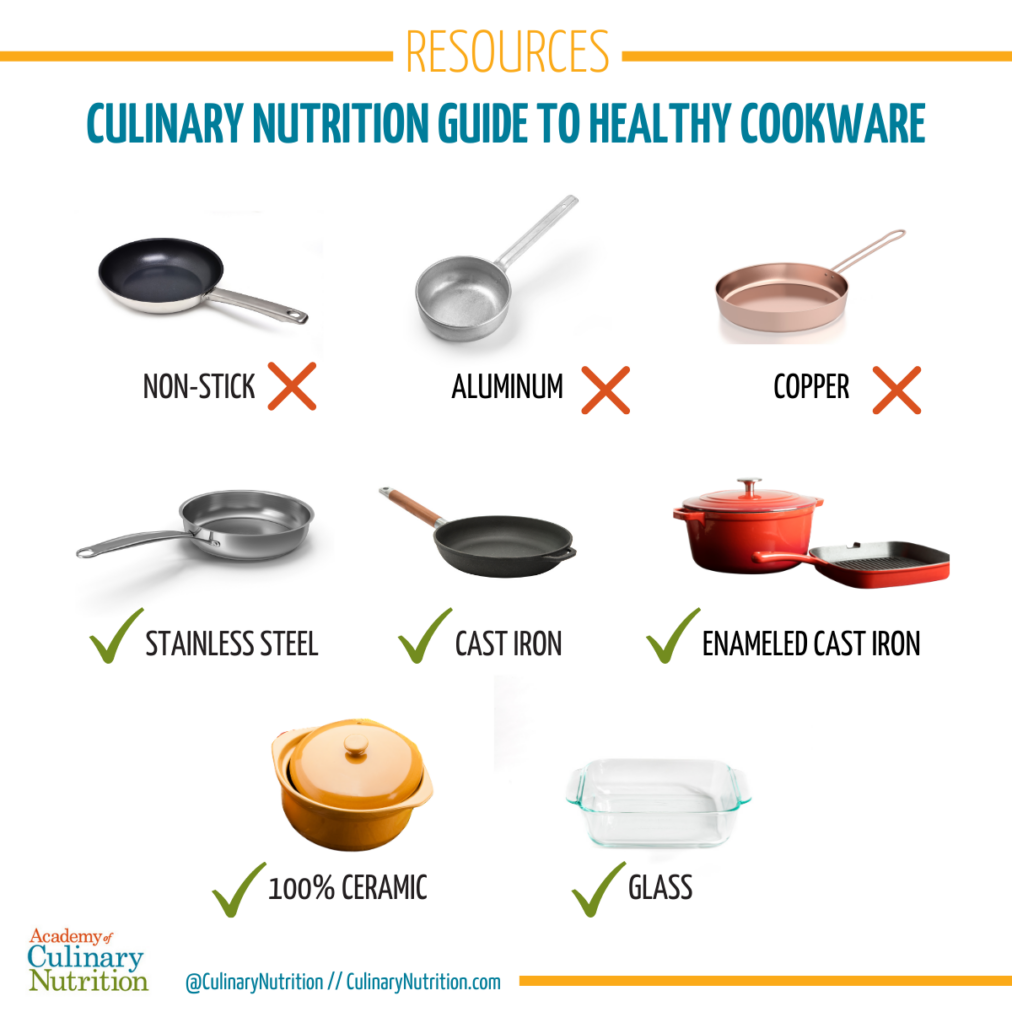
Certain metals can leach into food during cooking. Aluminum cookware is popular but may release aluminum into acidic foods. High aluminum intake links to health issues.
Stainless steel is safer but can release nickel and chromium in small amounts. People with metal allergies should be cautious. Cast iron pans release iron, which is usually safe and even beneficial.
Safe Cookware Materials
Choosing safe cookware materials is key for healthy cooking. Some materials do not release harmful chemicals. They also last longer and handle heat well. Knowing the best safe options helps protect your health and food quality.
Stainless Steel Benefits
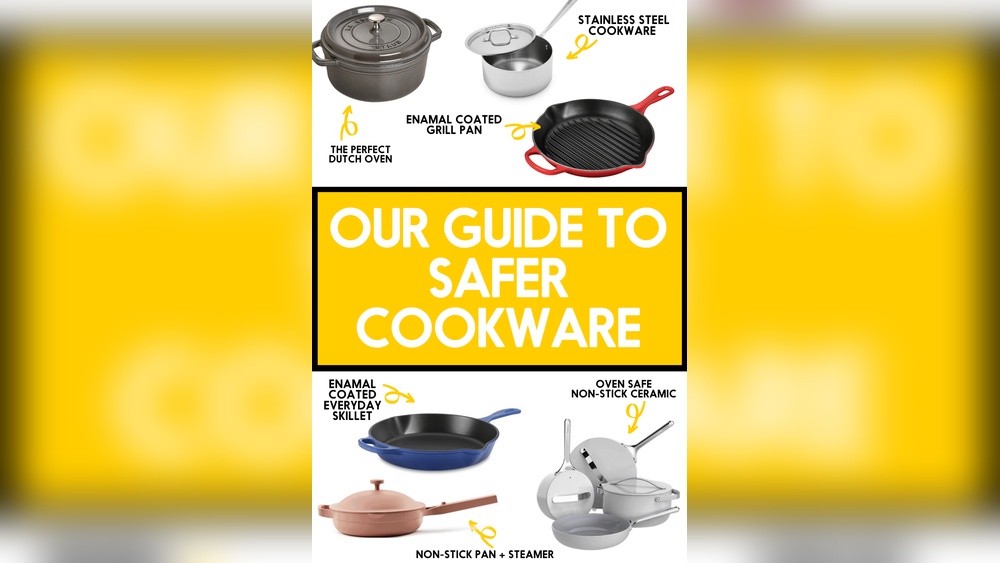
Stainless steel is strong and durable. It does not react with acidic or alkaline foods. This means no metal tastes or harmful chemicals leach into meals. It cleans easily and resists rust. Many chefs prefer it for everyday use.
Cast Iron Advantages
Cast iron holds heat evenly and stays hot long. It adds small amounts of iron to food, which can be healthy. This cookware lasts for decades if cared for properly. Seasoned cast iron offers a natural non-stick surface without chemicals.
Ceramic And Glass Options
Ceramic and glass cookware are non-reactive and free of toxic metals. They do not release chemicals even at high temperatures. Ceramic coatings can be non-stick and easy to clean. Glass works well for baking and slow cooking.
Titanium And Anodized Aluminum
Titanium is very light, strong, and non-reactive. It does not leach metals into food. Anodized aluminum has a hard surface that resists scratching and corrosion. This process seals the aluminum to prevent chemical release. Both are safe choices for daily cooking.
Cookware Maintenance Tips
Taking care of your cookware keeps it safe and lasts longer. Good maintenance protects the surface and keeps food healthy. Small daily habits help avoid damage and wear. Follow these simple tips for better cookware care.
Cleaning Without Damage
Use soft sponges or cloths for cleaning. Avoid steel wool or rough scrubbers. Harsh tools can scratch the surface. Wash with warm water and mild soap. Dry cookware thoroughly to stop rust or stains.
Seasoning Cast Iron
Seasoning cast iron keeps it non-stick and rust-free. Apply a thin layer of oil after cleaning. Heat the pan in the oven for one hour. Let it cool before storing. Repeat this process regularly for best results.
Avoiding Scratches And Wear
Use wooden or silicone utensils, not metal. Metal tools can scratch and damage the surface. Store cookware with care to prevent rubbing. Place paper towels or cloth between stacked pots. Handle your cookware gently to keep it safe.

Credit: saicyberdifence.com
Choosing Cookware For Your Needs
Choosing the right cookware matters for safe and healthy cooking. Different kitchens need different types of pots and pans. Consider your cooking habits and budget. Think about what materials suit your style. Safe cookware means fewer chemicals and better food taste. This guide helps you find the best fit for your kitchen.
Budget-friendly Safe Options
Many safe cookware sets are affordable. Stainless steel is a popular choice. It does not react with food or release toxins. Ceramic-coated pans offer a non-stick surface without harmful chemicals. Look for brands that avoid PFOA and PTFE. These options keep cooking safe without high costs.
Durability And Longevity
Durable cookware saves money over time. Cast iron lasts for decades with proper care. It adds iron to food and stays safe. High-quality stainless steel resists scratches and dents. Avoid cheap non-stick pans that peel or chip. Choose cookware that can handle daily use and stays safe.
Cookware For Different Cooking Styles
Different meals need different pans. Non-stick pans work well for eggs and pancakes. Cast iron is great for searing and slow cooking. Stainless steel fits boiling, frying, and sautéing. Match your cookware to your favorite recipes. This keeps cooking easy and safe.
Avoiding Unsafe Cookware Practices
Using cookware safely protects your health and extends the life of your pots and pans. Unsafe practices can release harmful chemicals or damage your cookware. Simple habits keep your kitchen safe and your food clean.
Heat Levels And Safety
High heat can damage cookware and release toxins. Non-stick pans break down at very high temperatures. Use medium or low heat for cooking. Avoid preheating empty pans on high heat. This practice prevents warping and chemical release.
Proper Use Of Non-stick Pans
Non-stick pans need gentle care. Use wooden or silicone utensils to avoid scratches. Do not use metal tools on the surface. Wash by hand with soft sponges only. Avoid cooking sprays that build sticky residues.
When To Replace Cookware
Check your cookware often for damage. Scratched or peeling non-stick pans must be replaced. Warped or cracked pots lose heat evenly. Rust on cast iron or steel pans is unsafe. Replace damaged cookware to keep cooking safe.
Credit: www.cleaneatingkitchen.com
Frequently Asked Questions
What Cookware Materials Are Safest For Health?
Safe cookware includes stainless steel, cast iron, and ceramic. These materials do not leach harmful chemicals. Avoid non-stick pans with PFOA or PTFE coatings. Always choose cookware labeled as non-toxic and free from harmful substances.
Is Non-stick Cookware Safe To Use Daily?
Non-stick cookware is safe if PFOA-free and used properly. Avoid overheating, which releases toxic fumes. Use wooden or silicone utensils to prevent coating damage. Replace pans once the surface starts to scratch or peel.
Are Ceramic-coated Pans Safer Than Traditional Non-stick?
Yes, ceramic-coated pans are generally safer as they are free from PTFE and PFOA. They provide a non-stick surface without harmful chemicals. However, they may wear out faster and require gentle cleaning to maintain safety.
Can Cast Iron Cookware Be Harmful To Health?
Cast iron cookware is safe and adds beneficial iron to food. It is durable and free from synthetic chemicals. Avoid cooking highly acidic foods for long periods to prevent metallic taste and excessive iron intake.
Conclusion
Choosing safe cookware protects your health and food quality. Materials like stainless steel, cast iron, and ceramic are good options. Avoid cookware with harmful chemicals or coatings. Regular care helps cookware last longer and stay safe. Trust your senses—smell and look for changes in your pots and pans.
Safe cookware makes cooking enjoyable and worry-free. Simple choices lead to healthier meals every day. Keep safety in mind with every kitchen purchase. Your health deserves the best, safest cookware.