Have you ever wondered if the container you’re using in the microwave is actually safe? You’re not alone.
Using the wrong container can ruin your food, damage your microwave, or even release harmful chemicals. But how do you know which containers can handle the heat and which ones shouldn’t go near your microwave? This guide will help you quickly identify microwave-safe containers, so you can heat your meals with confidence and keep your kitchen safe.
Keep reading to discover simple tips that protect both your food and your health every time you heat something up.
:max_bytes(150000):strip_icc()/food-recipes_tools-products_cookware-bakeware_food-containers-safe-for-microwave_01-realsimple-e5003939571f4771979c7a0d0550520e.jpg)
Credit: www.realsimple.com
Safe Materials For Microwaving
Choosing the right container for microwaving is important for safety and food quality. Some materials handle microwave heat well without melting or releasing harmful chemicals. Knowing which containers are safe helps avoid accidents and keeps your food healthy.
Glass And Ceramic
Glass and ceramic containers are excellent for microwaving. They do not absorb heat, so your food heats evenly. These materials do not release harmful chemicals when heated. Always check for microwave-safe labels to avoid cracked or damaged dishes.
Microwave-safe Plastics
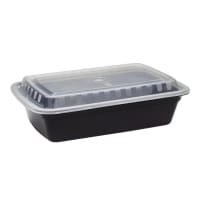
Some plastics are made specifically for microwave use. These containers can withstand high temperatures without melting. Look for plastics labeled “microwave-safe” or with a microwave symbol. Avoid using old or scratched plastic containers as they may leach chemicals.
Silicone Containers
Silicone containers are flexible and heat resistant. They handle microwave heat without warping or melting. Silicone is a safe option for reheating and cooking food in the microwave. Make sure the silicone container is labeled microwave-safe before use.
Credit: www.wasserstrom.com
Materials To Avoid In Microwaves
Not all containers are safe to use in microwaves. Some materials can cause sparks, melting, or release harmful chemicals. Knowing what to avoid helps keep your microwave and food safe.
Metal Containers
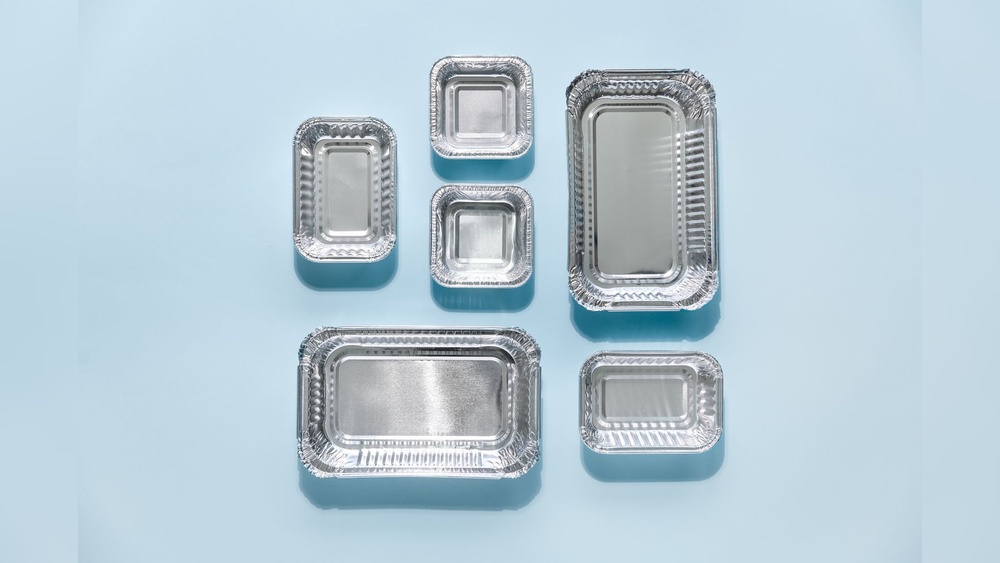
Metal reflects microwave energy. This causes sparks that can damage your microwave. Never use aluminum foil, metal pans, or containers with metal parts. These can start fires or break your appliance.
Certain Plastics
Some plastics melt or release toxins when heated. Avoid containers not labeled “microwave-safe.” Thin or old plastic containers are risky. Use only plastics made for microwave use to protect your health.
Styrofoam Risks
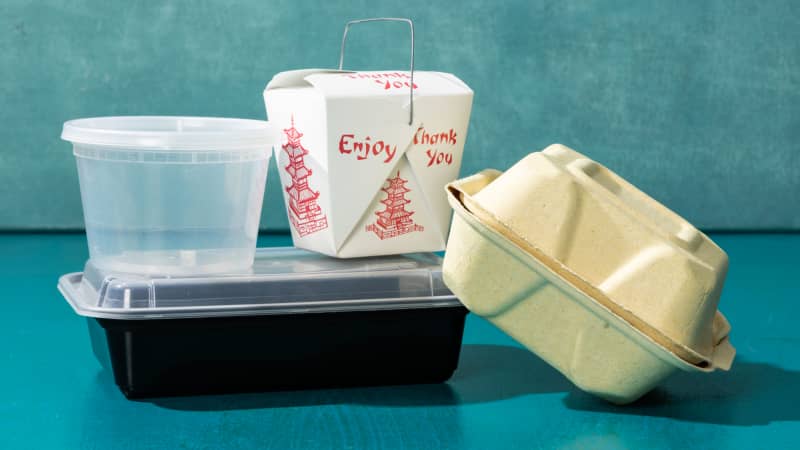
Styrofoam often melts in microwaves. It can release harmful chemicals into your food. Only use microwave-safe foam containers. Avoid reheating takeout boxes unless they say they are safe.
How To Test Microwave Safety
Knowing if a container is safe for microwave use is important. Some containers can melt or release harmful chemicals when heated. Testing containers helps you avoid risks and keeps your food safe.
Label Checking
Look for labels on the container. Words like “microwave-safe” or a microwave symbol mean the container can be used. If there is no label, do not assume it is safe. Always check the bottom or sides of the container.
Microwave Test Method
Fill the container with water. Put it in the microwave and heat for one minute. If the container stays cool and the water is hot, it is safe. If the container gets hot, it may not be microwave-safe.
Signs Of Unsafe Containers
Watch for cracks, warping, or melting after heating. Foul smells or strange tastes in food can also mean danger. Avoid containers that change shape or color in the microwave.
Tips For Safe Microwave Heating
Microwave heating is fast and easy. But safety matters a lot. Using the right methods keeps food tasty and containers safe. Follow these simple tips to heat food in the microwave without problems.
These tips help avoid burns, spills, and damage to containers. They also keep your microwave clean and working well. Learn how to cover food, avoid overheating, and check your containers regularly.
Covering Food Properly
Cover food with a microwave-safe lid or wrap. This stops splatters and keeps moisture in. Use vented covers to let steam escape. Avoid sealed plastic wraps that trap steam fully. It helps food heat evenly and stays moist.
Avoiding Overheating
Heat food in short bursts and stir between intervals. This stops hot spots that burn food or containers. Follow the recommended time on packaging. Overheating can cause plastic containers to melt or release chemicals. Take care with thick or dense foods.
Regular Container Inspection
Check containers for cracks, warping, or discoloration before use. Damaged containers can leak harmful substances or break in the microwave. Replace any container that looks worn out. Use only containers labeled microwave-safe for heating food.
Credit: www.americastestkitchen.com
Frequently Asked Questions
Which Containers Are Safe To Use In The Microwave?
Glass, ceramic, and some plastics labeled microwave-safe are safe. Avoid metal and containers without labels. Always check the container’s instructions.
Can Plastic Containers Release Harmful Chemicals In Microwaves?
Some plastics can release chemicals when heated. Use only plastics marked microwave-safe to avoid risk. Choose alternatives like glass if unsure.
Is It Safe To Microwave Food In Paper Containers?
Plain paper towels and microwave-safe paper plates are usually safe. Avoid printed or recycled paper products to prevent harmful fumes or fires.
How To Know If A Container Is Microwave-safe?
Look for a microwave-safe label or symbol on the container. If no label, test by heating with water for one minute. If container stays cool, it’s safe.
Conclusion
Choosing the right containers keeps your food safe and tasty. Glass, ceramic, and some plastics work well in microwaves. Avoid metal and containers not labeled microwave-safe. Always check the label before heating. Small steps like this protect your health and your microwave.
Now, you can heat meals with confidence and ease. Safe containers make reheating simple and worry-free.