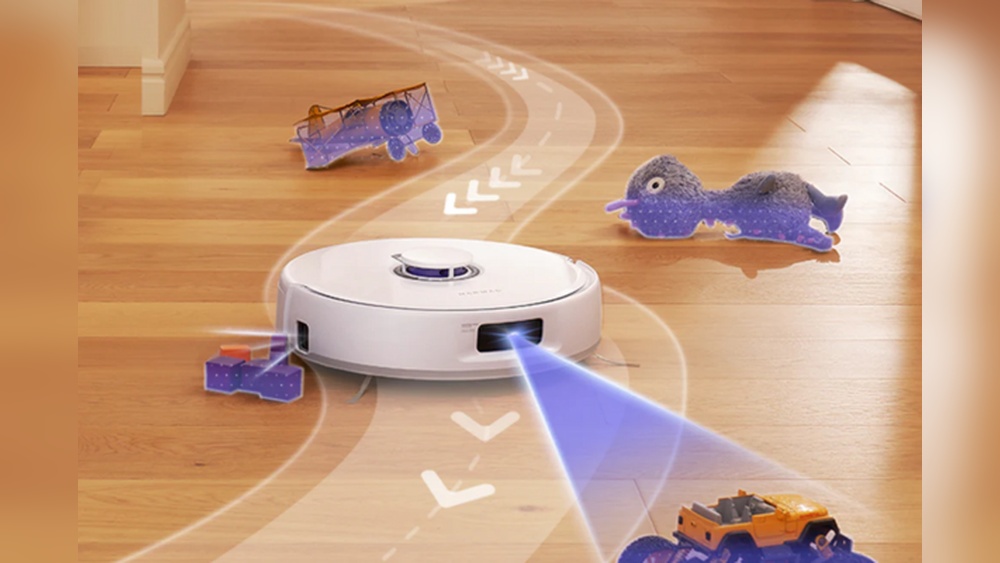
Are you tired of spending hours cleaning your carpets and still not getting them as fresh as you want? You might be wondering if a robot vacuum can really handle the job.
After all, carpets are tricky—they trap dust, dirt, and pet hair deep inside. But what if a small, smart machine could do the work for you, saving you time and effort? You’ll discover how effective robot vacuums really are on carpets and whether they can be the cleaning helper you’ve been looking for.
Keep reading to find out what works, what doesn’t, and how to get the best results for your home.

Credit: www.amazon.com
Robot Vacuums And Carpet Cleaning
Robot vacuums have become popular for cleaning floors with ease. Many people wonder if these devices work well on carpets. Carpets need deep cleaning to remove dust, dirt, and pet hair. Robot vacuums offer a hands-free way to keep carpets tidy.
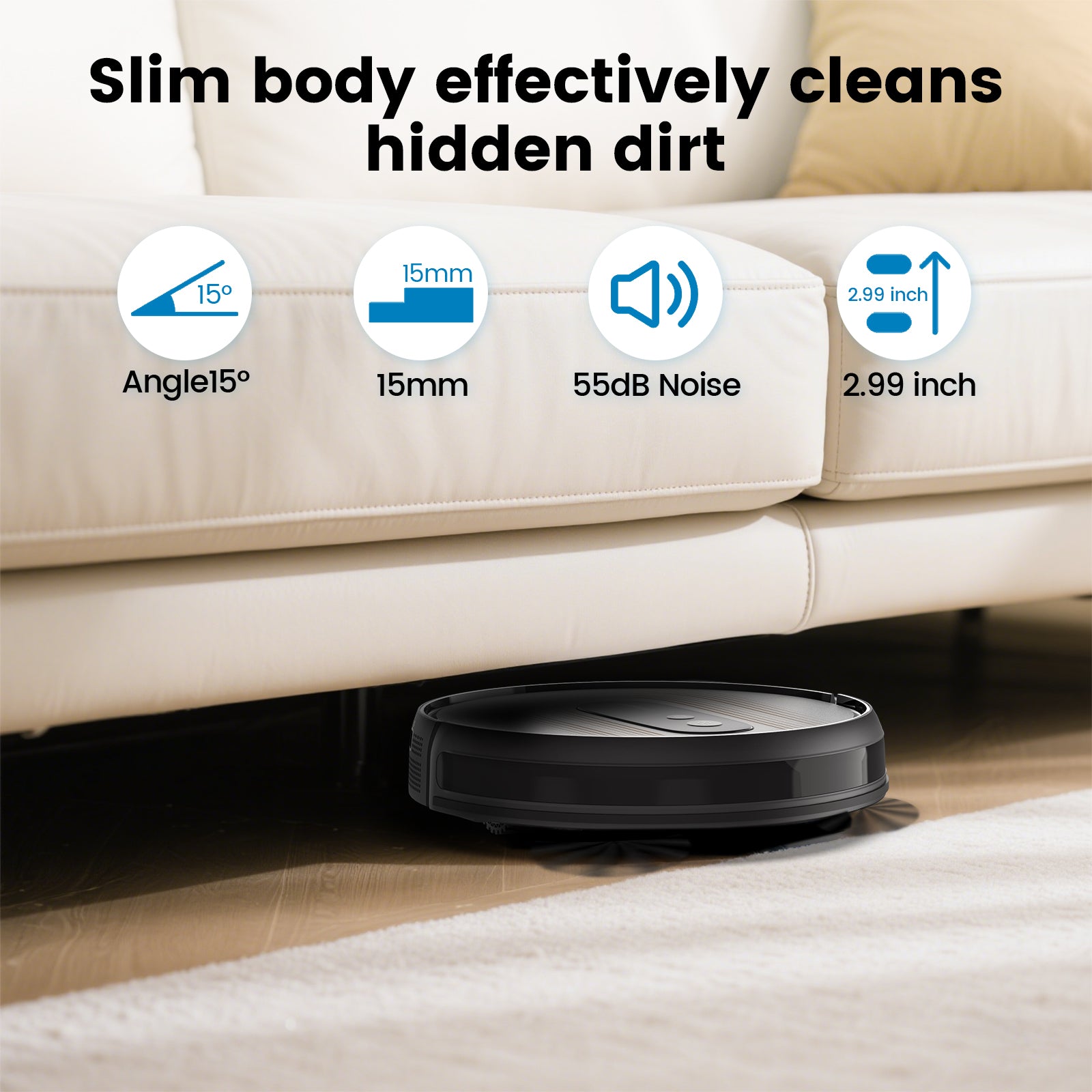
These machines use sensors and brushes to move around and pick up debris. They can reach under furniture and clean hard-to-access spots. The question is how effective they are on different carpet types and thicknesses.
How Robot Vacuums Clean Carpets
Robot vacuums have rotating brushes that loosen dirt from carpet fibers. A strong suction then pulls dirt into the dustbin. Some models adjust their suction power automatically for carpets. This helps remove dust trapped deep inside the fibers.
Best Carpet Types For Robot Vacuums
Low-pile carpets work best with robot vacuums. The short fibers allow brushes to reach dirt easily. Medium-pile carpets can also be cleaned but may need extra passes. High-pile or shag carpets are harder for robots to clean well.
Limitations Of Robot Vacuums On Carpets
Robot vacuums may struggle with very thick or long carpet fibers. They can miss some dirt stuck deep inside. Small particles and pet hair might require manual cleaning after robot use. Also, robots sometimes get stuck on carpet edges or corners.
Tips For Better Carpet Cleaning With Robots
Regular emptying of the dustbin keeps suction strong. Clean the brushes often to remove tangled hair. Use the robot vacuum on carpets frequently to prevent buildup. Choosing a model with strong suction improves results on carpets.
Credit: us.air-robo.com
Types Of Carpets And Their Challenges
Carpets come in many types, each with unique features and cleaning needs. Robot vacuums face different challenges depending on the carpet style. Understanding these types helps choose the right cleaning method.
Some carpets have thick fibers that trap dust deep inside. Others have a flat surface that is easier to clean but can show dirt quickly. Robot vacuums must adjust to these differences to clean well.
Cut Pile Carpets
Cut pile carpets have fibers that stand straight up. They feel soft and plush underfoot. These carpets can trap dirt inside the fibers, making cleaning harder for robots. Robot vacuums need strong suction to pull dirt out.
Loop Pile Carpets
Loop pile carpets have fibers that form loops. They are durable and resist wear. Dirt tends to stay on the surface, so robots can clean them with less effort. But thick loops can catch vacuum brushes, slowing cleaning.
Shag Carpets
Shag carpets have very long fibers. They are cozy but tough to clean. Robot vacuums may struggle to reach deep dirt. The long fibers can tangle in brushes, reducing vacuum efficiency.
Berber Carpets
Berber carpets have tight, looped fibers and are low pile. They resist dirt but can trap pet hair. Robot vacuums need good brush design to remove hair without damage. Suction power is also important here.
Flat Weave Carpets
Flat weave carpets have no pile and lie flat. They are easy to clean because dirt sits on top. Robot vacuums work well on these carpets with minimal effort. They also avoid getting stuck on edges or seams.
Key Features For Carpet Cleaning
Robot vacuums clean carpets better with certain key features. These features help the robot remove dust, dirt, and hair from carpet fibers. Choosing a model with strong suction, the right brushes, and smart navigation makes a big difference.
Suction Power
Suction power pulls dirt deep from carpet fibers. Strong suction cleans thick and high-pile carpets well. Robots with weak suction may leave dirt behind. Adjustable suction helps clean different carpet types gently but thoroughly.
Brush Types
Brushes loosen dirt stuck inside carpets. A mix of soft and stiff bristles lifts dust and hair easily. Rubber brushes prevent tangles from pet hair. Some robots use a spinning side brush to reach edges and corners.
Navigation Technology
Smart navigation guides the robot across carpets efficiently. Sensors detect carpet edges to adjust cleaning mode. Mapping helps robots avoid obstacles and cover all areas. Good navigation means fewer missed spots and less repeated cleaning.

Credit: piggypats.com
Performance Comparison With Traditional Vacuums
Robot vacuums have grown popular for cleaning floors automatically. Many people wonder if these devices clean carpets as well as traditional vacuums. Comparing their performance helps to understand their strengths and limits. This section looks at how robot vacuums perform on carpets versus classic vacuum cleaners.
Cleaning Power On Carpets
Traditional vacuums often have strong suction and deep cleaning brushes. They can reach into carpet fibers and remove dirt effectively. Robot vacuums usually have less suction power but use smart brushes. Some models adjust their cleaning modes for carpets. Still, they may miss deeply embedded dirt.
Ease Of Use And Convenience
Robot vacuums clean on their own after setup. They save time and effort by working without supervision. Traditional vacuums need manual operation and more physical work. Robots can clean daily and keep carpets fresh with minimal input. This is a big plus for busy households.
Navigation And Coverage
Traditional vacuums allow full control to cover all carpet areas. Robot vacuums use sensors to map rooms and avoid obstacles. Some models return to missed spots automatically. But small or tight carpeted areas may be harder for robots to reach. Humans can clean tricky spots better.
Maintenance And Durability
Robot vacuums require regular emptying and brush cleaning. Their parts may wear out faster due to smaller motors. Traditional vacuums tend to be more robust and last longer. Repairs and upkeep can be simpler with classic models. This affects long-term carpet cleaning performance.
Tips To Maximize Robot Vacuum Efficiency On Carpets
Robot vacuums work well on carpets but need some care to do their best. Small actions can make a big difference in cleaning power. These tips help your robot vacuum clean carpets deeper and faster. Follow them to keep carpets fresh and dust-free.
Clear The Carpet Surface
Remove toys, cables, and small items from the carpet. These objects can block the vacuum or cause it to stop. A clear path lets the robot move smoothly and clean every spot.
Choose The Right Cleaning Mode
Many robots have special carpet modes. These increase suction power to pull dirt from fibers. Use this mode for thick or high-pile carpets to improve cleaning results.
Schedule Regular Cleaning
Set your robot to clean carpets frequently. Dirt builds up fast, so regular cleaning stops grime from settling deep. A clean carpet looks better and lasts longer.
Keep Robot Brushes Clean
Check the vacuum’s brushes often. Hair and threads wrap around brushes and reduce their work. Clean brushes help the vacuum pick up more dirt on carpets.
Use Barriers For Delicate Areas
Place virtual or physical barriers around fragile carpet edges. This stops the robot from getting stuck or damaging rugs. Protect your carpets and keep the robot working well.
Frequently Asked Questions
Can Robot Vacuums Clean Thick Carpets Well?
Robot vacuums can clean thick carpets but may struggle with deep dirt. Models with strong suction and brush rolls work best. Regular cleaning helps maintain carpet freshness.
Do Robot Vacuums Remove Pet Hair From Carpets?
Yes, many robot vacuums effectively remove pet hair from carpets. Brushes and suction pick up hair without tangling. Frequent runs keep pet hair under control.
How Often Should Robot Vacuums Clean Carpets?
Cleaning carpets 3-4 times a week keeps them tidy with a robot vacuum. High-traffic areas may need daily cleaning. Regular use stops dirt buildup.
Can Robot Vacuums Reach Carpet Corners And Edges?
Robot vacuums can clean corners and edges but may miss tight spots. Some models have side brushes to help reach edges better. Manual touch-ups might be needed.
Do Robot Vacuums Work On All Carpet Types?
Robot vacuums work on most carpet types, including low and medium pile. Very thick or shaggy carpets may reduce cleaning efficiency. Check model specs for carpet compatibility.
Conclusion
Robot vacuums can clean carpets, but results vary. Some models work well on low-pile carpets. Thick or shaggy carpets may need extra cleaning. Regular vacuuming still helps keep carpets fresh. Robot vacuums save time and effort for many users. They work best as a daily or light cleaning tool.
Choose a model designed for carpets for better results. Consider your carpet type before buying a robot vacuum. Overall, they offer convenience but may not replace deep cleaning.