You love fresh bread, but nothing is more disappointing than finding it stale the next day. How you store your bread makes all the difference between soft, tasty slices and dry, crumbly pieces.
If you want to enjoy that perfect loaf longer, you need to know the right tricks. You’ll discover simple, effective ways to keep your bread fresh every time. Ready to stop wasting bread and start enjoying it like it’s just been baked?
Let’s dive in.
Best Containers For Bread
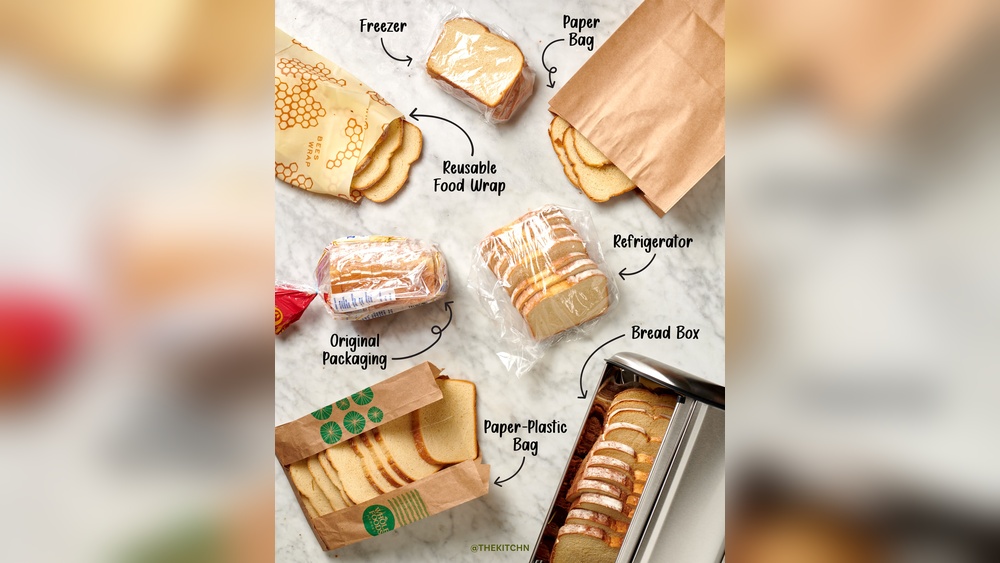
Choosing the right container helps keep bread fresh longer. Good containers control air and moisture. They stop bread from drying out or getting moldy quickly. Here are some common containers that work well for bread storage.
Bread Boxes
Bread boxes are made to store bread at room temperature. They have small holes or vents for air flow. This keeps bread from becoming too dry or too wet. Bread boxes can hold whole loaves or rolls. They are usually made from wood, metal, or plastic. Bread stays soft inside a box but does not get soggy.
Plastic Bags
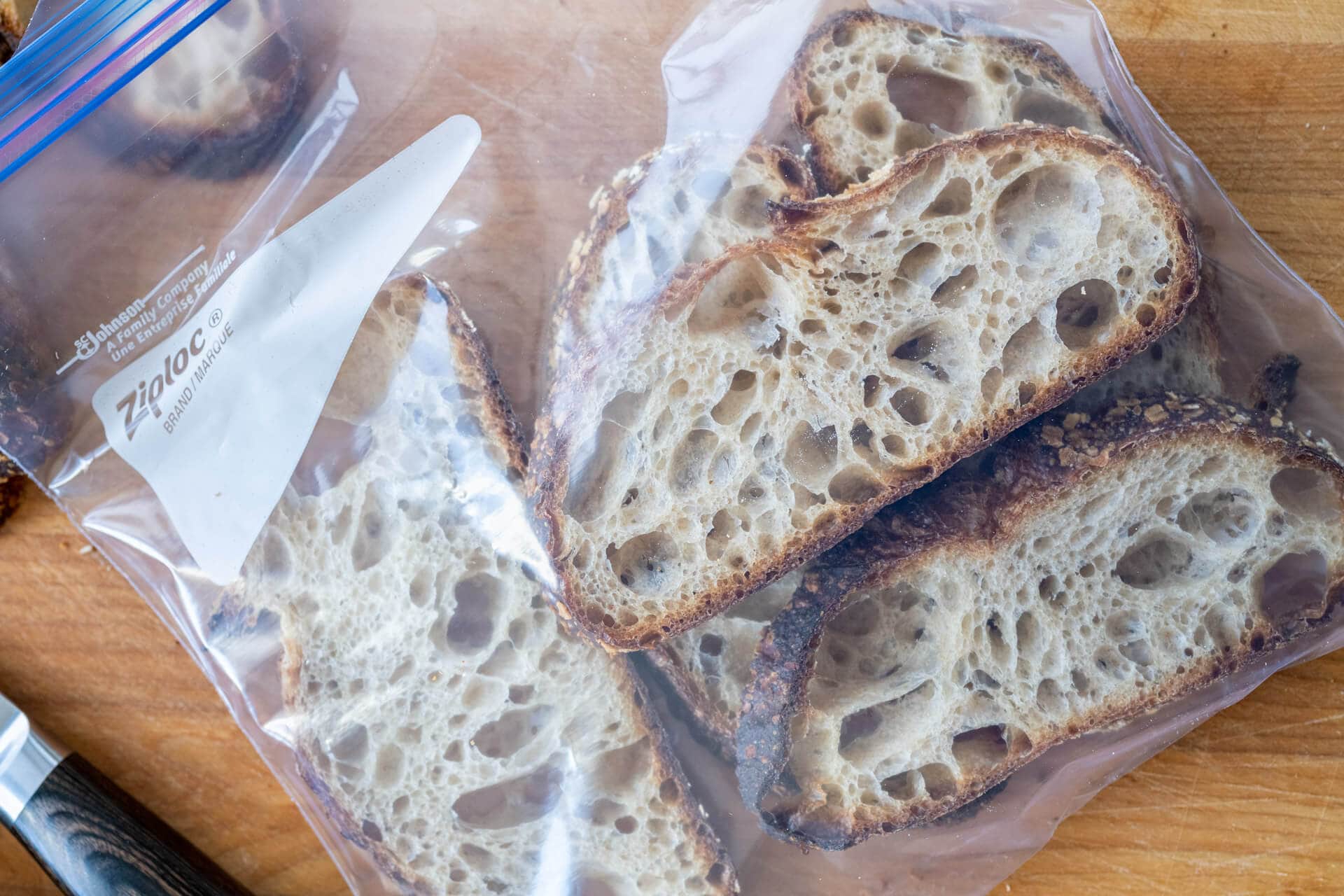
Plastic bags keep bread sealed and block air. This stops bread from drying out fast. Use bags that seal tightly, like zip-lock bags. Plastic bags work well for soft bread and sliced bread. They can trap moisture and make crusts soft. To avoid mold, store bread in a cool place inside the bag.
Cloth Bags
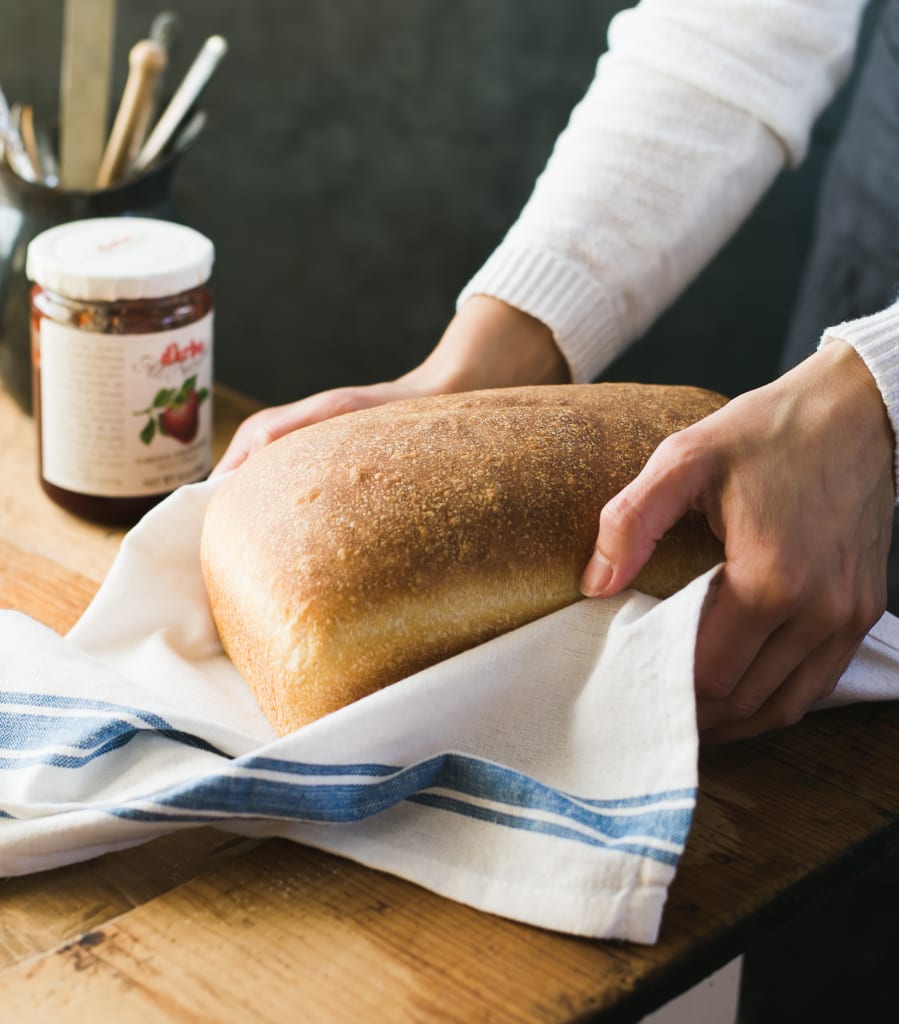
Cloth bags allow some air to reach the bread. This helps crust stay crisp while keeping the inside soft. Cotton or linen bags are good options. Cloth bags absorb excess moisture but also let bread breathe. They are a natural way to store bread without plastic. Cloth bags are best for crusty breads like baguettes or sourdough.
Ideal Storage Locations
Choosing the right place to store bread helps keep it fresh longer. Bread needs a spot that controls moisture and air. The wrong place can make bread dry or moldy fast.
Different storage locations suit different types of bread and how soon you will eat it. Understanding these options helps you enjoy fresh bread every day.
Room Temperature
Room temperature is the best place for fresh bread. Keep bread in a cool, dry spot away from sunlight. A bread box or a paper bag works well. These let bread breathe, stopping it from getting soggy.
Store bread this way if you plan to eat it within two to three days. Avoid plastic bags here, as they trap moisture and cause mold.
Refrigerator
The refrigerator is not ideal for bread. Cold air dries bread quickly and makes it hard. Use the fridge only if your home is very hot and humid.
If you refrigerate bread, keep it in a sealed plastic bag to protect from drying out. Eat it within a week for best taste.
Freezer
The freezer is great for long-term bread storage. Freeze bread in airtight bags or wrap it tightly in plastic wrap. This keeps out air and freezer burn.
Slice bread before freezing. This way, you can thaw only what you need. Bread stays fresh for up to three months in the freezer.
Preventing Mold Growth
Mold grows quickly on bread if conditions are right. Keeping bread fresh means stopping mold before it starts. Mold spores need moisture and dirt to grow. Controlling these factors helps protect your bread. Simple steps prevent mold and keep bread safe to eat.
Humidity Control
Moisture in the air makes mold grow faster. Store bread in a cool, dry place to limit moisture. Avoid leaving bread in the fridge too long. Use breathable bags or containers to let some air pass. This stops too much humidity around the bread. Keep bread away from wet areas in your kitchen.
Avoiding Contaminants
Dirty hands or crumbs spread mold spores easily. Always wash hands before touching bread. Use clean knives and surfaces when cutting. Avoid mixing old bread crumbs with fresh bread. Store bread separately from moldy foods. This reduces the chance of mold spreading to your bread.
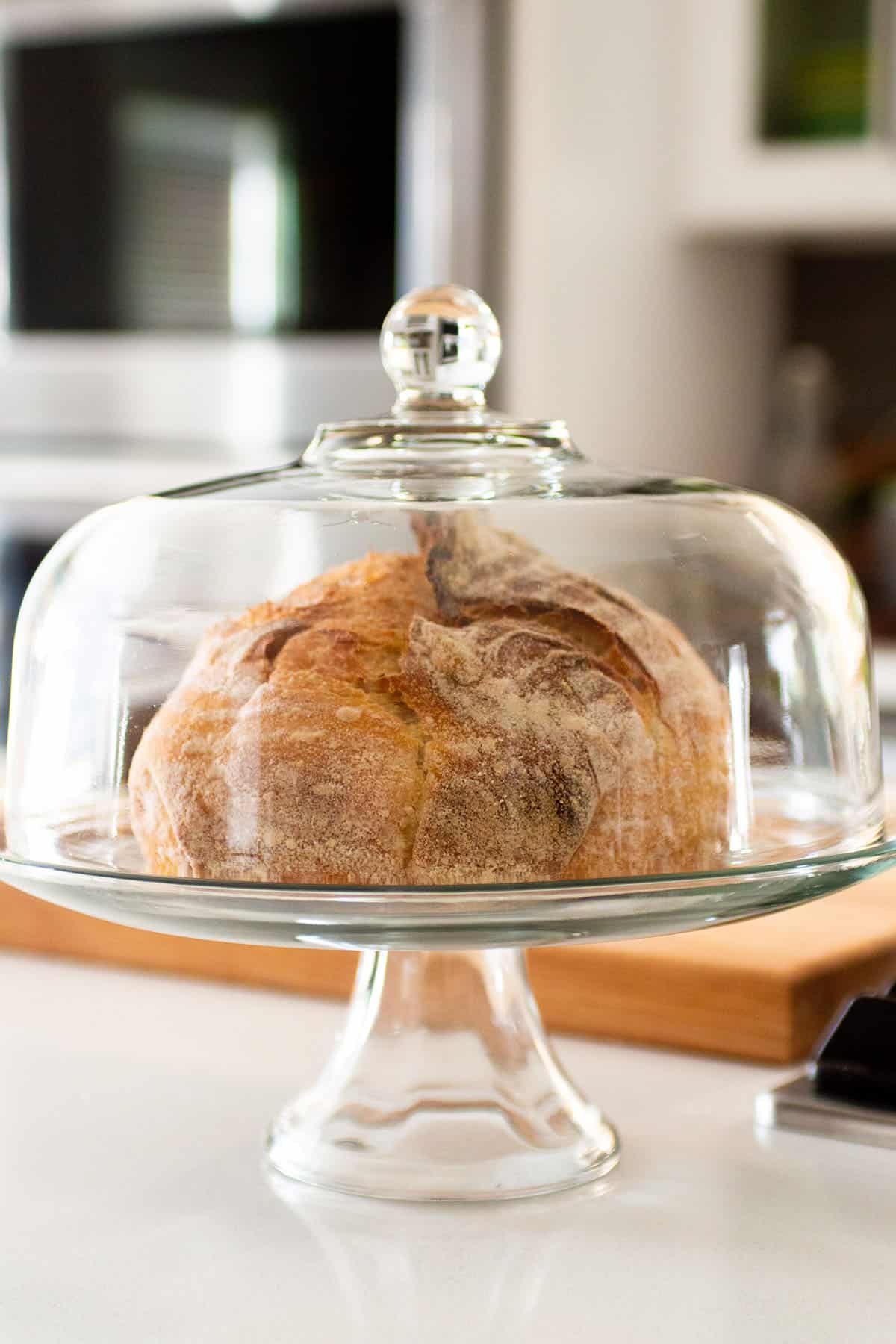
Credit: dirtanddough.com
Reviving Stale Bread
Stale bread does not have to go to waste. You can bring back its softness and flavor. Reviving stale bread is simple and quick. It makes your bread enjoyable again.
Oven Method
Preheat your oven to 350°F (175°C). Wrap the bread in aluminum foil. Place it on the oven rack. Heat for 10 to 15 minutes. The heat restores moisture and crispness. Check the bread to avoid over-drying. Let it cool slightly before eating.
Microwave Method
Wrap the bread in a damp paper towel. Place it on a microwave-safe plate. Heat for 10 to 20 seconds. The steam from the towel softens the bread. Avoid heating too long to prevent toughness. Enjoy your warm, soft bread immediately.
Tips For Different Bread Types
Different types of bread need different care to stay fresh. Storing bread properly keeps it soft and tasty. Each bread type has unique moisture and texture. Follow simple tips to extend freshness and avoid waste.
Sourdough
Sourdough has a thick crust and soft inside. Store it at room temperature in a paper bag. The paper lets it breathe and keeps the crust crisp. Avoid plastic bags; they trap moisture and cause mold. For longer storage, freeze sourdough wrapped in foil.
Whole Wheat
Whole wheat bread contains more oil and can spoil faster. Keep it in a sealed plastic bag or airtight container. Store it in a cool, dark place. Refrigerate if your home is warm. Freeze extra bread to keep it fresh for weeks.
Baguettes
Baguettes have a thin crust and dry out quickly. Eat them the same day for best taste. Store baguettes in a paper bag at room temperature. To refresh, warm them in the oven for a few minutes. Avoid plastic bags; they soften the crust.
Credit: www.theperfectloaf.com
Credit: www.theclevercarrot.com
Frequently Asked Questions
How Long Can Bread Stay Fresh At Room Temperature?
Bread stays fresh for about 2 to 3 days at room temperature. Keep it in a cool, dry place and sealed in a bag to prevent drying out.
Is It Better To Freeze Or Refrigerate Bread?
Freezing bread keeps it fresh longer without drying it out. Refrigeration can make bread stale faster due to moisture loss.
What Is The Best Way To Store Bread After Opening?
Store opened bread in a bread box or airtight container. This keeps it soft and stops it from going stale quickly.
Can Storing Bread In Plastic Bags Cause Mold?
Plastic bags can trap moisture, which may cause mold growth. Use paper bags or cloth to let bread breathe and stay fresh longer.
How Do I Keep Homemade Bread Fresh Longer?
Wrap homemade bread tightly in plastic wrap or foil after cooling. Store it in a cool place or freeze for longer freshness.
Conclusion
Storing bread the right way keeps it fresh longer. Use airtight containers or bags to block air. Keep bread at room temperature, away from heat. Avoid the fridge, as it makes bread dry fast. Freeze extra bread for later use.
Slice before freezing for easy portions. These simple steps help reduce waste and save money. Enjoy fresh bread every day with little effort. Fresh bread tastes better and feels soft. Try these tips and notice the difference soon.