Are you tired of guessing how long to cook your eggs just right? Whether you like them soft, medium, or hard-boiled, mastering the egg cooker can make your mornings easier and tastier.
This step-by-step guide will show you exactly how to use your egg cooker with confidence. By the end, you’ll save time, avoid messy mistakes, and enjoy perfectly cooked eggs every time. Ready to become an egg cooking pro? Let’s dive in!
Credit: reinigungkrefeld.de
Choosing The Right Egg Cooker
Choosing the right egg cooker makes cooking eggs easier and faster. The perfect cooker fits your kitchen space and your egg needs. It also offers useful features that improve your cooking experience.
Types Of Egg Cookers
There are several types of egg cookers. Some steam eggs, while others boil them. Some cook only eggs, and some come with extra trays for other foods. Pick a type that matches how you want to cook eggs.
Capacity And Size
Egg cookers come in different sizes. Small ones hold 4-6 eggs, good for singles or couples. Larger ones hold 10 or more eggs, ideal for families or gatherings. Choose a size that fits your daily egg use. Check the cooker’s size to fit your kitchen counter.
Additional Features
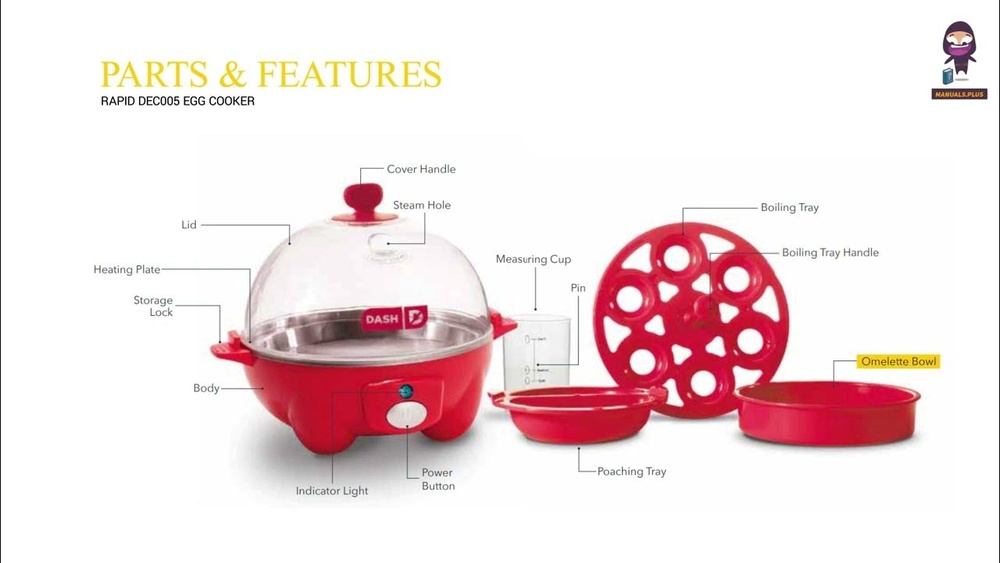
Extra features add value to egg cookers. Some have timers to stop cooking automatically. Others include trays for poaching or making omelets. Look for easy-to-clean parts and clear water measuring marks. These features make cooking eggs simple and fun.
Preparing Eggs For Cooking
Preparing eggs correctly is the first step to cooking perfect eggs in your egg cooker. Small details make a big difference. Proper preparation helps eggs cook evenly and taste better. Follow these simple tips to get started right.
Selecting Fresh Eggs
Choose eggs that are fresh for the best results. Fresh eggs have firm whites and bright yolks. Avoid eggs with cracks or damage on the shell. Check the expiration date on the carton. Fresh eggs reduce the risk of bacteria and improve taste.
Room Temperature Eggs
Let eggs reach room temperature before cooking. Cold eggs straight from the fridge can crack during cooking. Take eggs out 15 to 20 minutes before use. This step helps eggs cook evenly in the egg cooker. It also prevents sudden temperature changes that cause shells to break.
Piercing Eggs If Needed
Some egg cookers need eggs to be pierced before cooking. Check your egg cooker’s instructions. Piercing helps steam escape and prevents cracking. Use a small pin or egg piercer for this step. Do it gently to avoid breaking the shell.
Measuring Water Accurately
Measuring water accurately is key to cooking perfect eggs. Too much or too little water affects the egg’s texture and doneness. Precise water levels help the cooker work as designed. This section explains how to measure water correctly for different egg styles and conditions.
Water Levels For Different Egg Styles
Each egg style needs a different amount of water. Soft-boiled eggs require less water. Medium-boiled eggs need a moderate amount. Hard-boiled eggs need the most water to cook fully. Follow the cooker’s guide to add the right water for your egg style. This ensures even cooking and avoids overcooking or undercooking.
Using The Measuring Cup
Use the measuring cup that comes with your cooker. It shows clear marks for water levels. Fill water up to the line for your chosen egg style. Pour water slowly to avoid spilling. Using the correct cup ensures you add the right amount every time. This small step makes a big difference in cooking results.
Adjusting For Altitude
Higher altitudes affect boiling points and cooking times. Water boils at a lower temperature in mountains. Add a little more water than usual for accurate cooking. Check your cooker’s manual for altitude tips. Adjusting water levels helps maintain egg texture and taste at different locations.
Setting Up The Cooker
Setting up your egg cooker is the first step to perfect eggs. A proper setup ensures even cooking and easy cleanup. Follow each step carefully for best results.
Placing Eggs Correctly
Place eggs in the holder with the pointed end down. This position helps eggs cook evenly. Avoid overcrowding the holder. Use the slots designed for each egg.
Adding Water
Measure the water using the provided cup. Pour water into the cooker’s base. The right amount creates steam for cooking. Do not add too much or too little.
Closing The Lid Securely
Place the lid firmly on the cooker. Ensure it clicks or fits tightly. A secure lid traps steam inside. This step is important for proper cooking.
Cooking Time Guidelines
Cooking eggs perfectly depends on the right cooking time. Different preferences need different times. This guide helps you choose the right timing for your eggs using an egg cooker.
Timing controls the texture and firmness. Shorter times give runny yolks. Longer times produce firmer eggs. Follow these simple time guidelines for best results.
Soft-boiled Eggs
Soft-boiled eggs cook for about 4 to 6 minutes. The whites should be set, but the yolk stays runny. This timing is perfect for dipping toast or salads.
Medium-boiled Eggs
Medium-boiled eggs take around 7 to 9 minutes. The yolk is semi-firm and slightly creamy. These eggs work well in sandwiches or as a snack.
Hard-boiled Eggs
Hard-boiled eggs need 10 to 12 minutes of cooking. The yolk will be fully cooked and firm. Ideal for salads, snacks, or recipes requiring chopped eggs.
Using Additional Cooking Modes
Many egg cookers offer more than just boiling eggs. These extra cooking modes add variety to your meals. You can easily prepare different dishes with one device. This saves time and reduces the need for extra pots and pans.
Poaching Eggs
Poached eggs are soft and tender. Use the poaching tray that comes with the cooker. Add water to the base as instructed. Crack eggs gently into the tray cups. Close the lid and select the poaching mode. The cooker steams the eggs to perfection in minutes.
Making Omelets
Some egg cookers have an omelet setting. Beat eggs with your favorite ingredients first. Pour the mixture into the omelet tray. Place the tray inside the cooker and close the lid. Select the omelet mode and start cooking. The cooker cooks the omelet evenly without burning.
Steaming Vegetables
Use the steaming basket for fresh vegetables. Add water below the basket but not touching vegetables. Close the lid and select the steam mode. The steam cooks vegetables quickly while keeping nutrients. This method keeps vegetables crisp and full of flavor.
Finishing And Cooling
Finishing and cooling are key steps after cooking eggs in your egg cooker. Proper handling keeps eggs safe and easy to peel. Cooling stops the cooking process, preventing overcooking. It also helps the eggs peel smoothly. Follow these simple steps for the best results.
Removing Eggs Safely
Always wait a few minutes before opening the cooker. Use a spoon or tongs to lift eggs gently. Avoid burning your fingers on hot steam or water. Place eggs on a plate or bowl carefully. Handle them with care to prevent cracks.
Cooling Techniques
Cool eggs quickly by placing them in cold water. Ice water works best to stop cooking immediately. Let eggs sit in water for 5 to 10 minutes. This cools eggs evenly and makes peeling easier. Avoid skipping this step to keep eggs firm and tasty.
Peeling Tips
Tap eggs gently on a hard surface to crack the shell. Roll the egg lightly to loosen the shell all around. Peel from the wider end where air pockets form. Rinse eggs under water to remove tiny shell pieces. Fresh eggs peel best after cooling fully.

Credit: www.hydstm.com
Cleaning And Maintenance
Cleaning and maintaining your egg cooker keeps it working well and safe to use. Regular care stops build-up and keeps your eggs tasting fresh. A clean cooker lasts longer and gives better results.
Daily Cleaning Tips
After each use, unplug the cooker and let it cool. Wipe the heating plate with a damp cloth to remove water spots. Clean the egg holder and lid with warm, soapy water. Avoid using harsh cleaners or abrasive pads to protect the surface. Dry all parts completely before reassembling.
Descaling The Cooker
Mineral deposits build up inside the cooker over time. To remove them, fill the water reservoir with a mix of half water and half white vinegar. Run a cooking cycle without eggs. After the cycle, rinse the reservoir with clean water. Repeat if necessary to keep the cooker free from scale.
Storage Recommendations
Store your egg cooker in a dry, cool place. Make sure all parts are dry before putting it away. Keep the lid slightly open to avoid moisture build-up. Avoid placing heavy objects on top of the cooker to prevent damage. Regular storage care keeps it ready for the next use.
Troubleshooting Common Issues
Troubleshooting common issues with your egg cooker can save time and frustration. Many problems are simple to fix. Understanding these issues helps you get perfect eggs every time.
Eggs Not Cooking Properly
Eggs may stay raw or become overcooked. Check the water amount first. Too little water causes undercooking. Too much water can make eggs too soft or watery.
Make sure the eggs are placed correctly in the cooker. Use fresh eggs for best results. Adjust cooking time based on egg size and preference.
Water Leaks
Water leaks usually come from overfilling. Use the measuring cup that comes with the cooker. Avoid pouring water outside the reservoir area.
Check the cooker base for cracks or damage. A damaged seal may cause leaks. Clean the cooker regularly to prevent blockages.
Power And Heating Problems
The cooker may not turn on or heat up properly. Ensure the power cord is fully plugged into the socket. Try a different outlet to rule out socket issues.
Inspect the power cord for damage. A faulty cord can stop heating. Clean the heating plate to remove any mineral buildup. This helps maintain good contact and heat transfer.
Tips For Perfect Eggs Every Time
Getting perfect eggs with an egg cooker is simple. Small changes can make a big difference in taste and texture. Follow these tips for eggs cooked just right every time. Understanding these details helps you enjoy eggs exactly how you like them.
Experimenting With Cooking Times
Start by trying different cooking times. Shorter times give soft, runny yolks. Longer times produce firm, hard yolks. Note how your cooker heats and adjust accordingly. Keep track of times that work best for your taste.
Using Fresh Vs. Older Eggs
Fresh eggs hold their shape better during cooking. Older eggs peel easier after cooking. Both work well but affect texture and peeling. Choose eggs based on your priority—appearance or ease of peeling.
Adjusting For Egg Size
Large eggs need more time to cook than medium or small eggs. Check the size before cooking and adjust the time. This ensures yolks and whites cook evenly. Avoid undercooking or overcooking by matching time to size.

Credit: smcontinental.com
Frequently Asked Questions
How Do I Use An Egg Cooker Step By Step?
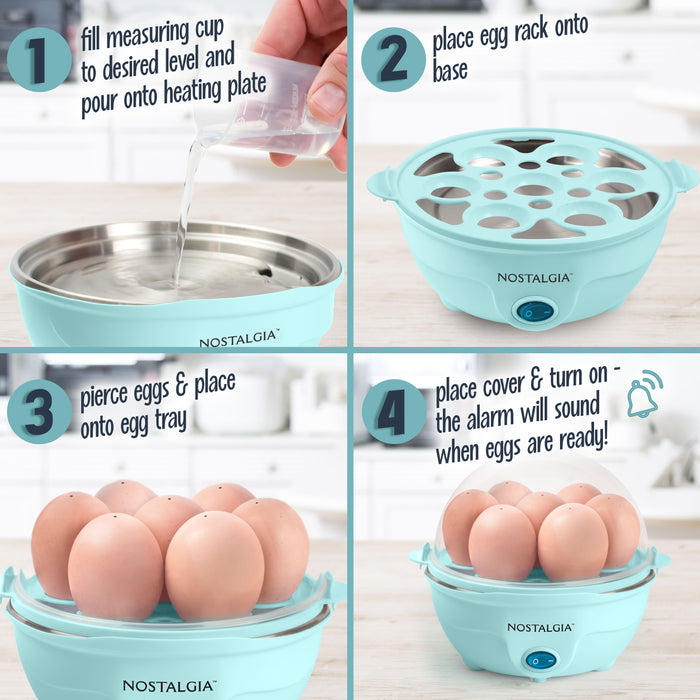
Fill the cooker with water according to desired egg firmness. Place eggs in the tray. Close the lid and turn on the cooker. Wait for the indicator light or sound signal. Remove eggs carefully and cool them before peeling.
How Much Water Is Needed For Different Egg Types?
Use less water for soft-boiled eggs and more for hard-boiled. Most cookers have measuring lines or cups to help. Follow the water level guide to achieve the perfect egg texture every time.
Can I Cook Multiple Eggs At Once In An Egg Cooker?
Yes, most egg cookers can cook 6 to 12 eggs simultaneously. Ensure eggs fit properly in the tray without overcrowding. Cooking multiple eggs saves time and energy while maintaining consistent results.
How Long Does It Take To Cook Eggs In An Egg Cooker?
Cooking time varies from 6 to 15 minutes depending on egg size and desired doneness. Soft-boiled eggs take less time, hard-boiled take longer. Always refer to your cooker’s instructions for precise timing.
Conclusion
Using an egg cooker is simple and saves time. Just follow the steps carefully for perfect eggs. You can cook soft, medium, or hard eggs easily. Cleaning the cooker after use keeps it ready for next time. Enjoy fresh eggs every day without any hassle.
This guide helps you cook eggs just the way you like. Try it and see how easy egg cooking can be!