Are you tired of dealing with stale or clumpy flour every time you open your pantry? How you store your flour can make a big difference in keeping it fresh and ready to use.
You might be wondering if glass containers are the best option for this. Imagine reaching for your flour, confident it’s fresh, easy to scoop, and free from pests. You’ll discover the truth about storing flour in glass containers and learn simple tips that can save you money and improve your baking.
Keep reading to find out how a small change in storage can make a big impact on your kitchen!
Benefits Of Glass Containers
Glass containers offer many advantages for storing flour. They keep flour fresh and dry for longer periods. These containers do not absorb smells or stains. This helps maintain the pure taste of your flour.
Glass is strong and durable. It protects flour from pests and moisture. The tight seal on glass jars stops air from entering. This prevents flour from clumping or spoiling.
Non-toxic And Safe For Food Storage
Glass containers do not contain harmful chemicals. They are safe for all types of food. Using glass ensures no toxins leach into the flour. This keeps your food healthy and pure.
Easy To Clean And Maintain
Glass jars clean easily with soap and water. They do not trap oils or odors. This makes them perfect for repeated use. Clear glass also lets you see the flour inside.
Environmentally Friendly Option
Glass is recyclable and reusable many times. It reduces plastic waste in kitchens. Choosing glass helps protect the planet. It is a sustainable choice for food storage.
Stylish And Space-saving Design
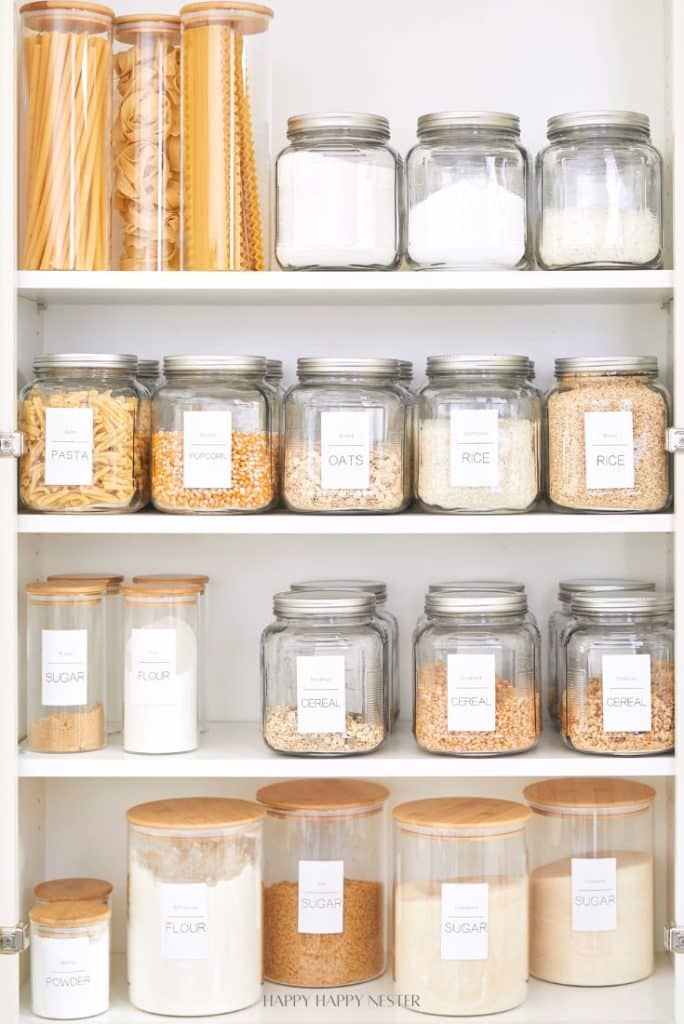
Glass containers have a clean and simple look. They fit neatly on kitchen shelves. Their uniform shape saves storage space. This keeps your kitchen organized and tidy.
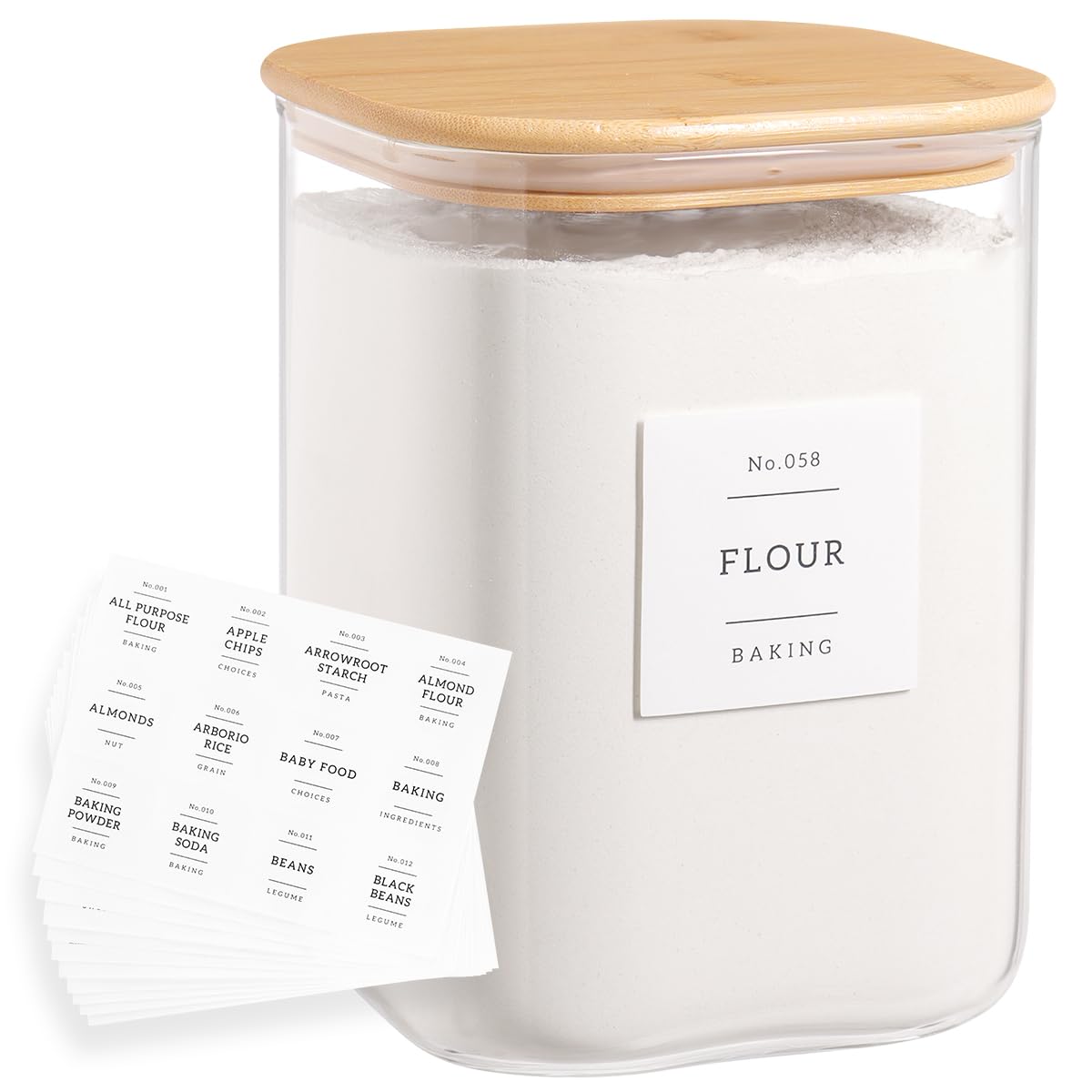
Credit: www.amazon.com
Types Of Flour Suitable For Glass Storage
Different types of flour suit glass storage well. Glass containers keep flour fresh and dry. They also protect flour from pests and odors. Not all flours store the same, though. Some flours need extra care. Understanding which flours work best in glass helps keep them safe.
Flours with low oil content last longer in glass jars. Glass is airtight, so it keeps moisture out. This is important for many types of flour. Here are the main types of flour that store well in glass containers.
All-purpose Flour
All-purpose flour is versatile and commonly used. It has low oil content, so it stays fresh longer. Glass containers keep it dry and free from bugs. This flour works perfectly with glass storage.
White Bread Flour
Bread flour is another good choice for glass jars. It is refined and has a long shelf life. Glass storage keeps it safe from humidity and pests. This helps maintain its baking quality.
Pastry Flour
Pastry flour is fine and delicate. It stores well in glass containers that seal tightly. This prevents moisture and air from spoiling the flour. Pastry flour stays fresh and soft in glass jars.
Gluten-free Flours
Gluten-free flours like rice or almond flour need airtight storage. Glass containers provide a good seal to keep them dry. These flours can spoil faster, so glass helps extend their life.
Whole Wheat Flour
Whole wheat flour contains oils that can go bad faster. Glass containers slow this process by blocking air and moisture. Store whole wheat flour in cool, dark places inside glass jars.
Choosing The Right Glass Container
Choosing the right glass container is key to keeping flour fresh. The container must protect flour from air, moisture, and pests.
Glass containers offer a clear view of the flour level. This helps in easy monitoring and refilling.
Size And Capacity
Pick a container size that fits your flour quantity. Too big a container lets air spoil the flour faster.
Smaller containers help keep flour fresh by reducing air exposure.
Seal Quality
A tight seal stops moisture and bugs from entering. Choose containers with rubber or silicone gaskets.
Test the seal before buying. A good seal keeps flour dry and fresh longer.
Durability And Thickness
Thick glass resists chips and cracks better than thin glass. Look for sturdy containers.
Strong containers last longer and protect flour better during handling.
Shape And Storage
Tall, slim containers save space on kitchen shelves. Square or rectangular shapes stack well.
Choose shapes that fit your kitchen layout and storage needs.
Preparing Flour For Storage
Preparing flour for storage helps keep it fresh and free from pests. Proper preparation stops moisture and bugs from spoiling the flour. It also ensures the flour stays easy to use for baking and cooking.
Good storage starts before placing flour in containers. Cleaning the flour and choosing the right container makes a big difference. Follow simple steps to prepare flour for long-term storage.
Check Flour For Freshness
Look at the flour carefully. Fresh flour smells neutral or slightly nutty. Avoid flour with a sour or strange smell. Dark spots or clumps can show moisture or mold.
Sift The Flour
Sifting removes lumps and old bits. It also breaks up any small clumps. This makes the flour easier to use later. Use a fine mesh sieve for best results.
Measure The Flour
Weigh or measure the flour before storing. This helps keep track of how much you have. Store flour in small batches for quicker use. Avoid opening large amounts too often.
Dry The Flour If Needed
If the flour feels damp, spread it on a tray. Let it air dry in a cool, dry place. Moisture can cause mold and clumping. Make sure flour is fully dry before storing.
Optimal Storage Conditions
Storing flour correctly keeps it fresh and safe to use. Proper storage stops moisture, pests, and bad smells from spoiling the flour. Glass containers can help maintain these ideal conditions if used right.
Flour needs a cool, dry place away from sunlight. Heat and light can cause it to lose flavor and spoil faster. A sealed glass jar can protect flour from air and bugs.
Temperature Control
Keep flour in a place below 75°F (24°C). Warm temperatures speed up spoilage and can attract insects. A cool pantry or cupboard works well.
Humidity Management
Flour absorbs moisture easily, which can cause clumps or mold. Glass containers with tight lids prevent humidity from reaching flour. Avoid storing flour near sinks or dishwashers.
Light Protection
Light can break down flour’s nutrients and affect flavor. Store glass containers in dark spaces. Use colored or opaque containers if sunlight is strong.
Sealing And Airtightness
Air exposure leads to stale flour and bugs. Glass containers with airtight lids lock out air and pests. Make sure lids fit well and close tightly every time.
Common Mistakes To Avoid
Storing flour in glass containers can keep it fresh and easy to use. Mistakes can reduce flour quality and cause waste. Avoid these common errors to get the best results.
Proper storage protects flour from pests, moisture, and odors. Understanding what not to do helps maintain flour’s taste and texture.
Using Unsealed Containers
Flour must stay dry and free from air. Glass containers without tight lids let moisture in. This causes clumps and spoilage. Always use containers with airtight seals.
Ignoring Labeling And Dates
Flour can lose freshness over time. Not labeling containers leads to confusion. Write the purchase date on the container. Use older flour first to avoid waste.
Storing Flour In Warm Places
Heat speeds up flour deterioration. Keep glass containers in cool, dark spots. Avoid places near ovens or windows. Cooler temperatures extend flour shelf life.
Neglecting Container Cleanliness
Dirty containers can contaminate flour. Wash glass jars thoroughly before use. Dry them completely to prevent mold. Clean containers keep flour safe and tasty.
Mixing Different Flour Types
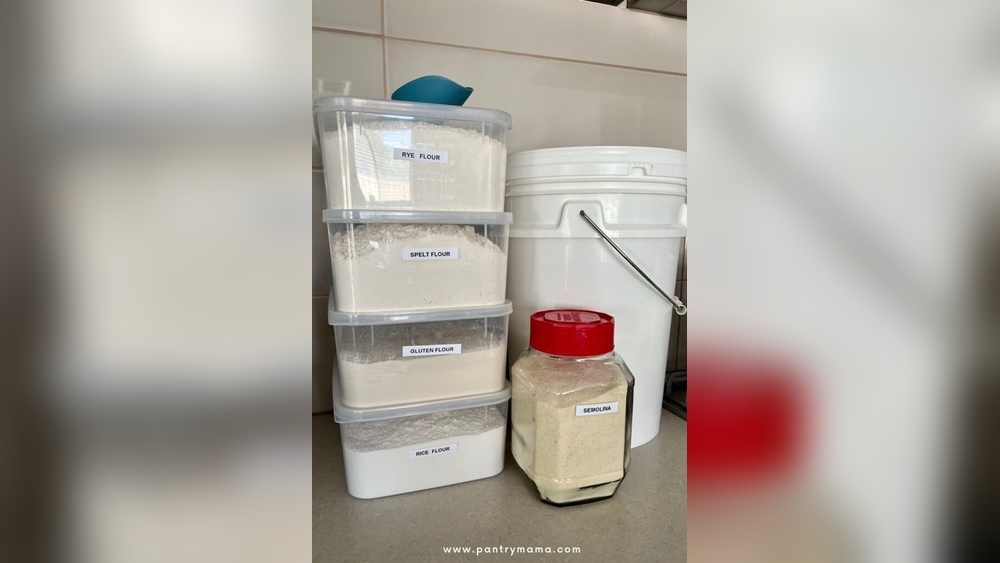
Mixing flours affects baking results. Each flour type has unique properties. Store them separately in labeled glass containers. This keeps flavors distinct and baking consistent.
Signs Of Flour Spoilage
Flour can spoil over time, even when stored in glass containers. Knowing the signs helps avoid using bad flour. Spoiled flour affects taste and safety in cooking.
Check flour regularly. Look for changes in color, texture, and smell. These signs show if flour is no longer good to use.
Appearance Changes
Fresh flour is smooth and light in color. Spoiled flour may look darker or have spots. Clumps or lumps can mean moisture has entered.
Unpleasant Odor
Good flour has a neutral or mild smell. A sour, musty, or rancid odor means it has gone bad. Smell is a clear sign of spoilage.
Presence Of Bugs
Flour can attract small insects like weevils. Tiny bugs or larvae inside the container show spoilage. Check for movement or holes in the flour.
Texture Changes
Fresh flour feels soft and powdery. Spoiled flour may feel sticky or clumpy. This change usually means moisture damage or mold growth.
:max_bytes(150000):strip_icc()/how-to-store-flour-1389337-hero-012-8b29c6c9cfad439c8db7965370c3b41e.jpg)
Credit: www.thespruceeats.com
Comparing Glass To Other Storage Options
Choosing the right container for storing flour affects freshness and quality. Several options exist, but glass containers stand out for many reasons. Comparing glass to other storage types helps you decide what fits best in your kitchen.
Each storage option has pros and cons. Understanding these points can protect your flour better and keep it dry and fresh.
Glass Containers
Glass containers are airtight and do not absorb smells. They keep flour dry and prevent bugs. Glass is easy to clean and does not stain. You can see the flour inside without opening the lid. It is heavier and can break if dropped.
Plastic Containers
Plastic containers are lightweight and less likely to break. They come in many sizes and shapes. Some plastics can absorb odors and stains. Not all are airtight, which may cause flour to spoil faster. They are usually cheaper than glass.
Metal Containers
Metal containers protect flour from light and air. They are strong and durable. Some metals may react with flour, causing a change in taste. Metal containers are harder to see through, so you must open them to check flour levels. They can be heavy.
Original Flour Bags
Flour often comes in paper bags. These bags are not airtight and can tear easily. Flour in bags may absorb moisture and bugs. Bags are cheap but offer the least protection. Storing bags inside another container improves shelf life.
Tips For Maintaining Flour Freshness
Keeping flour fresh is important for baking and cooking. Proper storage stops flour from getting bad. It also keeps pests away and saves money. Using glass containers can help. Follow these simple tips to keep your flour fresh for longer.
Seal The Container Tightly
Use glass containers with airtight lids. A tight seal stops air and moisture from entering. Moisture causes flour to clump and spoil fast. Air exposure can make flour lose flavor. Always close the lid firmly after use.
Store In A Cool, Dry Place
Keep glass containers away from heat and sunlight. Heat speeds up spoilage. Sunlight can cause flour to go bad. A pantry or cupboard works well. Avoid storing near ovens or windows.
Label And Date Your Flour
Write the purchase date on the container. This helps track how long flour has been stored. Use older flour first to reduce waste. Labeling prevents confusion when you have multiple types.
Use Clean Utensils
Always use dry, clean spoons or scoops. Wet or dirty utensils introduce moisture and bacteria. This can spoil the flour quickly. Avoid dipping fingers into the container to keep it clean.
Check For Pests Regularly
Inspect your flour for bugs or larvae. Glass containers reduce pest risk but do not eliminate it. If you see pests, discard the flour immediately. Clean the container well before refilling.
Credit: happyhappynester.com
Frequently Asked Questions
Can Flour Be Stored Safely In Glass Containers?
Flour can be stored safely in glass containers. Glass is airtight and prevents moisture and pests. This helps keep flour fresh longer.
Does Glass Protect Flour From Moisture And Pests?
Yes, glass containers block moisture and pests effectively. They create a tight seal that stops air and bugs. This keeps flour dry and safe.
How Long Does Flour Last In Glass Jars?
Flour lasts up to 6-8 months in glass jars. Keep it in a cool, dry place for best results. Proper storage slows spoilage and maintains quality.
Is It Better To Use Glass Over Plastic For Flour?
Glass is better than plastic for flour storage. It does not absorb odors or stains. Glass is also easier to clean and reuse.
Can Glass Containers Keep Flour Fresh Without Refrigeration?
Glass containers keep flour fresh without refrigeration. Airtight glass stops moisture and air from spoiling flour. Store jars in a cool, dark pantry.
Should Flour Be Stored In Clear Or Dark Glass Containers?
Dark glass containers are best to block light exposure. Light can reduce flour’s shelf life and quality. Clear glass is fine if stored in a dark place.
How Should I Clean Glass Containers Before Storing Flour?
Wash glass containers with warm, soapy water and dry well. Make sure no moisture remains inside before adding flour. Clean containers prevent contamination and clumping.
Can Glass Containers Prevent Flour From Developing Odors?
Glass containers prevent odors because they do not absorb smells. Airtight seals stop external odors from entering. This keeps flour smelling fresh and neutral.
Conclusion
Storing flour in glass containers keeps it fresh and dry. Glass blocks moisture and pests well. It also lets you see how much flour is left. Make sure the container has a tight lid. Keep it in a cool, dark place.
This method helps your flour last longer. Easy to clean and reuse too. A simple way to keep your kitchen organized. Give glass storage a try for better flour care.