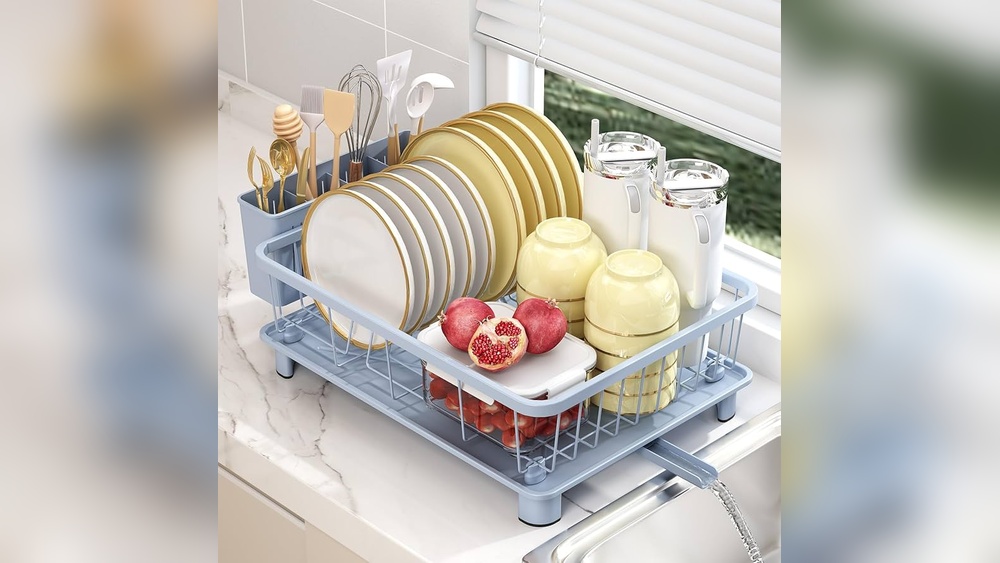
Are you tired of cluttered countertops taking over your kitchen? Finding ways to save counter space can feel like a constant battle.
But what if a simple tool could help you keep your kitchen neat and organized? A dish rack might be the solution you’ve been looking for. Imagine having more room to prep meals, fewer piles of wet dishes, and a kitchen that feels spacious and calm.
Keep reading to discover how a dish rack can transform your countertop and make your daily routine easier.
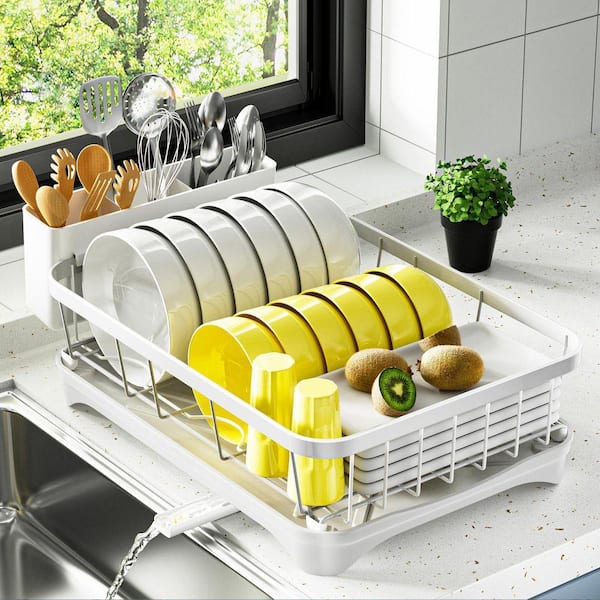
Credit: www.homedepot.com
Benefits Of Using A Dish Rack
A dish rack offers many benefits beyond just holding your dishes. It helps keep your kitchen neat and organized. Using a dish rack can save valuable counter space. It makes drying dishes faster and easier. Here are some key benefits of using a dish rack.
Improves Kitchen Organization
A dish rack keeps plates, cups, and utensils in one place. It prevents clutter on the counter. This organization makes the kitchen look clean. It also helps you find items quickly.
Speeds Up Drying Time
The dish rack allows air to flow around dishes. This speeds up drying without using towels. Faster drying reduces water spots and keeps dishes clean. It saves time and effort after washing.
Keeps Counters Dry And Clean
A dish rack catches dripping water. It stops water from pooling on the counter. This keeps your kitchen surface dry and safe. It also reduces the chance of mold or mildew.
Saves Valuable Counter Space
Using a dish rack stacks dishes vertically. This takes up less space on counters. It frees up room for cooking and other tasks. Small kitchens especially benefit from this feature.
Protects Your Dishes
A dish rack holds dishes securely. It reduces the risk of chips or cracks. It also keeps fragile items separated and safe. This helps your dishes last longer.
Types Of Dish Racks For Small Kitchens
Small kitchens need smart storage solutions. Dish racks help save counter space. They keep dishes organized and dry without clutter. Different types of dish racks fit small kitchens well.
Choosing the right dish rack depends on your kitchen layout. Some racks use vertical space. Others fit inside sinks or hang on walls. Each type offers a unique way to save space.
Countertop Dish Racks With Compact Design
These racks sit on the counter but take little space. They often have multiple layers to hold plates and cups. Some include utensil holders to keep forks and knives tidy.
Over-the-sink Dish Racks
These racks rest above the sink area. Water drains directly into the sink. This design keeps counters dry and frees up space. They usually have slots for plates and a flat area for bowls.
Wall-mounted Dish Racks
These racks attach to the kitchen wall. They keep counters clear and dishes within reach. Wall-mounted racks save both counter and cabinet space. Ideal for kitchens with limited surface area.
Collapsible Or Foldable Dish Racks
These racks fold flat when not in use. Perfect for very small kitchens with little storage. They are lightweight and easy to move. Great for renters or those who need flexible space options.
Material Choices And Durability
Choosing the right material for a dish rack affects its durability and space-saving ability. Some materials last longer and handle moisture better. Others might be lighter but less sturdy. Understanding material choices helps pick a rack that fits your kitchen needs.
Steel Dish Racks
Steel racks resist rust and hold heavy dishes well. They offer strong support and keep shape over time. Their sleek look fits many kitchen styles. Steel racks dry quickly and stay clean with little effort.
Plastic Dish Racks
Plastic racks are lightweight and easy to move. They come in many colors and styles. Some plastics may crack or warp after long use. They often cost less but might not last as long as steel.
Bamboo Dish Racks
Bamboo racks bring a natural, warm look to kitchens. They are eco-friendly and sturdy. Bamboo resists water if cared for properly. These racks need drying after use to prevent mold.
Durability And Maintenance
Durability depends on material and build quality. Steel needs occasional drying to stop rust. Plastic can fade or break under pressure. Bamboo requires oiling to stay strong. Regular cleaning extends the rack’s life.
Space-saving Designs To Consider
Space-saving designs for dish racks help keep your kitchen tidy. They reduce clutter and free up counter space. Choosing the right design makes washing and drying dishes easier. Many designs fit small kitchens and limited spaces.
Vertical Dish Racks
Vertical dish racks use height instead of width. They hold plates, bowls, and cups upright. This design saves a lot of counter space. It also allows air to flow for faster drying.
Over-the-sink Dish Racks
Over-the-sink racks sit above your sink basin. They drain water directly into the sink. This keeps counters dry and clean. These racks make good use of unused space.
Foldable Dish Racks
Foldable racks can be collapsed after use. They store easily in drawers or cabinets. This design is great for very small kitchens. Foldable racks keep counters clear when not in use.
Multi-tier Dish Racks
Multi-tier racks have two or more layers. They separate different dish types for better organization. These racks hold more items in less space. They help keep your kitchen neat and efficient.
Placement Tips For Maximum Efficiency
Placing a dish rack correctly can save much counter space. It helps keep your kitchen neat and easy to use. The right spot makes drying dishes faster and tidier.
Think about how you use your sink and counter before placing the rack. The goal is to keep the drying area close and accessible.
Near The Sink
Put the dish rack close to the sink to catch water drips. This stops water from spreading on the counter. It also makes moving dishes easier and quicker.
Use Vertical Space
Choose a tall dish rack to stack dishes vertically. This saves horizontal space on the counter. You can fit more dishes without cluttering your kitchen.
Corner Placement
Place the dish rack in a corner to use space that is often empty. Corners are great for saving room while keeping dishes accessible. It also keeps the main counter free.
Drainboard Angle
Set the rack where the drainboard slopes toward the sink. This guides water back into the sink, not on the counter. It keeps your kitchen clean and dry.
Keep Away From Cooking Areas
Place the dish rack away from the stove and hot surfaces. This prevents accidents and keeps dishes safe. It also avoids steam and heat that may slow drying.
Integrating Dish Racks With Kitchen Decor
Integrating dish racks with kitchen decor can enhance both style and function. A well-chosen dish rack blends seamlessly with the kitchen’s look. It keeps the space tidy and adds to the room’s overall feel.
Choosing the right dish rack helps save counter space. It fits the kitchen’s color scheme and design. This balance between use and appearance makes the kitchen more pleasant.
Matching Colors And Materials
Select a dish rack that matches your kitchen colors. Stainless steel racks suit modern kitchens with metal finishes. Wooden racks fit well in rustic or country-style kitchens. Plastic racks come in many colors for casual spaces.
Choosing The Right Size And Shape
Pick a dish rack that fits your counter space. Compact racks work well for small kitchens. Larger racks suit open counters and bigger families. Shapes vary from rectangular to tiered designs.
Using Vertical Space Efficiently
Vertical dish racks save more counter space. They use height instead of width. Stacking plates and cups vertically keeps counters clear. Wall-mounted racks free counters completely.
Combining Function With Style
Dish racks can be practical and stylish. Look for sleek designs that complement your decor. Some racks have decorative patterns or colors. Others keep a clean, minimal look.
Cleaning And Maintenance Tips
Keeping a dish rack clean helps it last longer and work better. Dirt and water spots can build up over time. This can cause bad smells and make your kitchen look messy. Regular cleaning stops this problem.
Simple steps can keep your dish rack neat and dry. This saves counter space by making the rack efficient and clean. Follow these easy tips to maintain your dish rack well.
Cleaning With Warm Soapy Water
Use warm water and mild soap to clean the dish rack. Soak the rack for a few minutes. Scrub gently with a soft brush or cloth. This removes grease and food bits stuck on the rack.
Rinse well with clean water. Dry with a clean towel or air dry. Do this once a week for best results.
Removing Hard Water Stains
Hard water leaves white stains on the rack. Use vinegar to remove these marks. Soak a cloth in vinegar and wipe the stains. Let it sit for a few minutes.
Scrub lightly if needed. Rinse and dry the rack. This keeps the rack looking new and clean.
Preventing Mold And Mildew
Keep the dish rack dry after use. Water can cause mold to grow in hidden spots. Wipe the rack with a dry cloth after washing dishes.
Store it in a well-ventilated area. Clean the rack regularly to stop mold growth.
Checking For Damage
Inspect your dish rack for cracks or rust. Damaged racks can hold less and look bad. Replace any broken parts or the whole rack if needed.
This keeps your kitchen safe and tidy. A well-kept dish rack saves counter space effectively.
Common Mistakes To Avoid
Using a dish rack can help save counter space, but many make common mistakes. These errors reduce the rack’s usefulness. Avoid these mistakes to get the best from your dish rack.
Choosing The Wrong Size
Pick a dish rack too big or too small. A large rack takes up too much space. A small rack cannot hold enough dishes. Measure your counter space before buying.
Ignoring Drainage Design
Some racks do not drain water well. Water may pool and create messes. Choose racks with good drainage to keep counters dry.
Overloading The Rack
Putting too many dishes on the rack causes clutter. It blocks airflow and slows drying. Load only what fits comfortably.
Placing The Rack In The Wrong Spot
Put the dish rack near the sink for easy access. Avoid spots that block workspace or walking paths. Proper placement keeps your kitchen organized.
Not Cleaning The Dish Rack Regularly
Dirt and mold build up without cleaning. Clean the rack often to keep it hygienic. Use mild soap and dry thoroughly.
Alternative Solutions For Counter Space
Saving counter space in the kitchen is a common challenge. Dish racks help, but other smart solutions exist. These alternatives keep your kitchen tidy and functional.
Wall-mounted Drying Racks
Wall-mounted drying racks free up counter space by using vertical areas. They attach to walls or the inside of cabinet doors. Water drips directly into the sink, reducing mess.
Over-the-sink Dish Racks
Over-the-sink racks save space by sitting above the sink basin. They allow water to drain straight into the sink. This design keeps counters clear and dry.
Collapsible Dish Racks
Collapsible dish racks fold flat when not in use. They are easy to store in drawers or cabinets. Perfect for small kitchens with limited counter space.
Dish Drying Mats
Dish drying mats offer a flexible space for drying dishes. They can be rolled up and stored away easily. Mats take up less space than traditional racks.
Cabinet Dish Drying Systems
Cabinet drying systems install inside cabinets above the sink. They dry dishes without using any counter space. Water drains inside the cabinet for easy cleanup.

Credit: immanuel-ed.org

Credit: marcheauxvins.com
Frequently Asked Questions
Can A Dish Rack Really Save Counter Space?
A dish rack helps organize dishes vertically. This reduces clutter and frees up more counter area. It’s a smart way to keep your kitchen tidy.
What Types Of Dish Racks Save The Most Space?
Over-the-sink and wall-mounted racks save the most space. They use vertical or unused areas well. These types keep counters clear and open.
How Does A Dish Rack Improve Kitchen Organization?
Dish racks group dishes neatly in one spot. This stops dishes from spreading all over counters. It makes cleaning and drying easier.
Can A Dish Rack Fit In Small Kitchens?
Yes, many dish racks are compact and designed for small kitchens. They fit tight spaces and still hold enough dishes. Perfect for limited counter areas.
Is A Dish Rack Better Than A Drying Mat?
Dish racks allow air to flow around dishes, drying them faster. Drying mats take more counter space and can stay wet longer. Racks are often more hygienic.
How Do I Choose A Space-saving Dish Rack?
Look for vertical, foldable, or over-the-sink models. Check size to match your counter space. Consider material for durability and easy cleaning.
Can A Dish Rack Hold All Types Of Dishes?
Most dish racks hold plates, bowls, cups, and utensils. Some have special slots for knives or lids. Choose one that fits your dish types well.
Does Using A Dish Rack Reduce Kitchen Mess?
Yes, dish racks keep wet dishes off counters. They help water drip into the sink or tray. This lowers mess and keeps counters dry.
Conclusion
A dish rack helps keep counters neat and clear. It holds dishes while they dry, saving space. Small kitchens especially benefit from this simple tool. It makes cleaning easier and faster each day. Choosing the right dish rack fits your kitchen style.
Space-saving solutions like these improve daily routines. Try adding one to see the difference yourself. Simple changes can make your kitchen feel bigger. A dish rack proves useful beyond just drying dishes. It keeps your space organized and clutter-free.