Are you looking for a simple way to cut down your energy bills without sacrificing light quality? Switching to LED bulbs might be the answer you’ve been searching for.
These bulbs use less power, last longer, and can make a noticeable difference in your monthly expenses. But how much can LED bulbs really lower your energy costs? Keep reading to discover the surprising facts and easy steps you can take to save money while lighting up your home.
Why Choose Led Bulbs
Choosing the right bulb for your home can save money and help the environment. LED bulbs are a smart choice for many reasons. They use less energy and last much longer than old-style bulbs. This means fewer replacements and lower electricity bills. Learning why LED bulbs stand out helps you make better decisions.
Energy Efficiency Compared To Incandescents
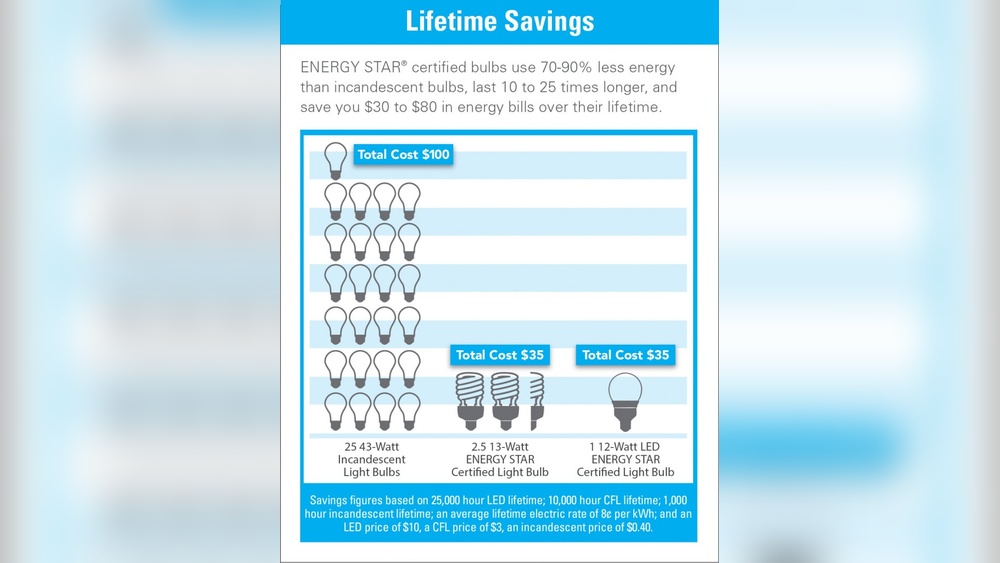
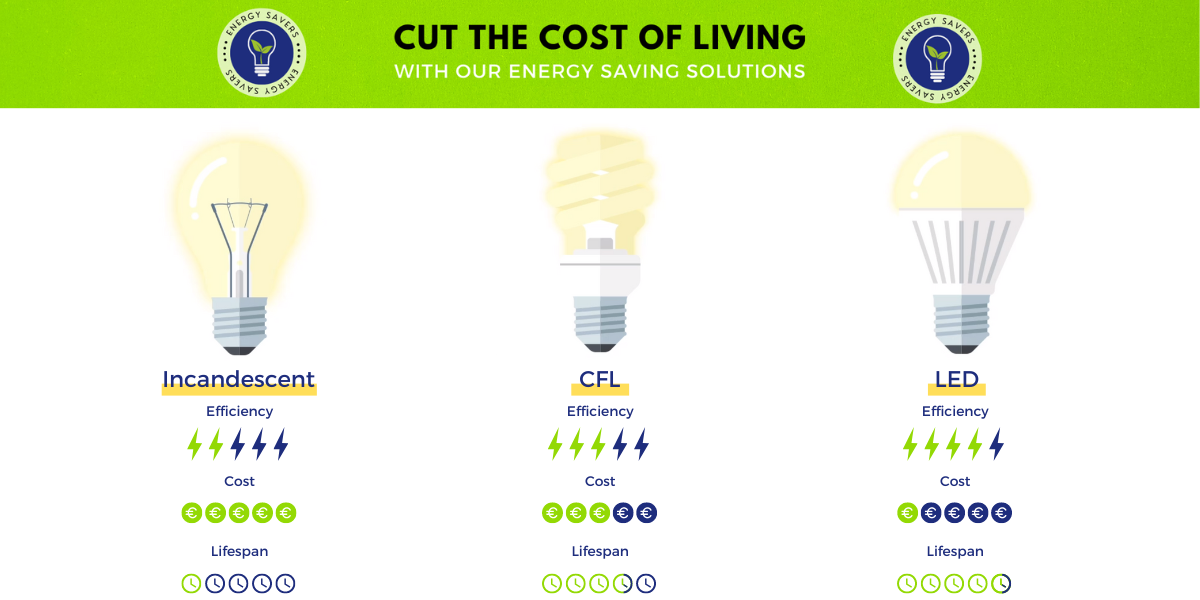
LED bulbs use up to 80% less energy than incandescent bulbs. They turn most energy into light, not heat. This saves electricity and cuts your energy bills. Using LED bulbs means your home uses power smarter, not harder.
Longer Lifespan Benefits
LED bulbs last up to 25 times longer than incandescent bulbs. That means fewer trips to the store and less waste. Longer life means you spend less money replacing bulbs. It also means less hassle and more reliable lighting.
Environmental Impact Reduction
LED bulbs reduce greenhouse gas emissions by using less energy. They also contain no harmful chemicals like mercury. Using LED bulbs helps lower your carbon footprint. It supports cleaner air and a healthier planet for everyone.
How Led Bulbs Cut Energy Use
LED bulbs save energy by using technology that is more efficient than traditional bulbs. They use less electricity to produce the same amount of light. This means lower energy bills and less waste of power. Understanding how LED bulbs cut energy use helps explain their popularity.
Lower Wattage With Same Brightness
LED bulbs use fewer watts than old bulbs. A 10-watt LED can give the same brightness as a 60-watt incandescent bulb. This means less power is needed to light up a room. Using less electricity reduces overall energy consumption.
Reduced Heat Emission
LED bulbs produce very little heat compared to traditional bulbs. Incandescent bulbs lose much energy as heat, not light. Less heat means less wasted energy and a cooler room. This helps reduce the need for air conditioning, saving even more energy.
Smart Lighting Options
Many LED bulbs work with smart controls. You can set timers or dim lights easily. Smart lighting avoids using electricity when not needed. This targeted use of light cuts energy waste further. Smart LED bulbs help manage energy use efficiently.
Calculating Your Savings
Calculating your savings from switching to LED bulbs helps you see real benefits. It shows how much money you keep in your pocket each month. Understanding these numbers makes it easier to decide if LEDs are worth it.
Energy savings depend on your current usage and the cost of electricity. Tracking bills before and after the switch gives clear proof of savings. This section breaks down the steps to calculate your savings clearly.
Comparing Energy Bills Before And After
Start by collecting your energy bills from the past few months. Look at the total electricity cost before installing LED bulbs. After switching, check bills for the same number of months.
Compare the amounts side by side. Note the difference in cost. This difference shows how much you save each month. Keep in mind seasonal changes might affect energy use.
Factors Affecting Savings
Several things impact how much you save with LED bulbs. The number of bulbs replaced matters. The wattage of old bulbs versus LED bulbs also affects savings.
How many hours you use the lights daily changes the calculation. The cost per kilowatt-hour (kWh) from your utility company is key. Energy rates vary by location and time.
Example Cost Analysis
Imagine you replace ten 60-watt bulbs with ten 10-watt LED bulbs. You use lights for five hours daily. Electricity costs $0.12 per kWh in your area.
Old bulbs use 60 watts × 10 bulbs × 5 hours = 3,000 watt-hours or 3 kWh daily. New bulbs use 10 watts × 10 bulbs × 5 hours = 500 watt-hours or 0.5 kWh daily.
Daily saving is 3 kWh – 0.5 kWh = 2.5 kWh. Monthly saving is 2.5 kWh × 30 days = 75 kWh. At $0.12 per kWh, you save $9 monthly on electricity.
Credit: weirsgifts.ie
Choosing The Right Led Bulbs
Choosing the right LED bulbs can make a big difference in saving energy and cutting costs. Not all LED bulbs are the same. Picking the correct ones helps you get the best light and use less power. This section guides you through key points to consider for smart choices.
Brightness And Color Temperature
Brightness shows how much light a bulb gives. It is measured in lumens. More lumens mean brighter light. Choose brightness based on the room size and use. Color temperature affects the look and feel of a room. It is measured in Kelvins (K). Lower Kelvin numbers give warm, yellow light. Higher numbers give cool, white light. Match color temperature to the mood you want.
Compatibility With Fixtures
Not all LED bulbs fit every fixture. Check the bulb base type before buying. Common bases include screw-in and pin types. Also, look at the size and shape of the bulb. Some bulbs are too big for certain lamps or ceiling fixtures. Make sure the bulb fits well to avoid problems.
Budget-friendly Picks
LED bulbs cost more upfront than regular bulbs. They save money over time by using less electricity. Look for bulbs with good energy ratings to save more. Many affordable LED options offer good quality and long life. Compare prices and reviews to find bulbs that fit your budget and needs.
Additional Tips To Save Energy
Saving energy goes beyond just using LED bulbs. There are simple ways to cut your energy use further. These tips help reduce your electricity bills and make your home greener. Small changes can bring big savings over time.
Using Timers And Sensors
Timers turn lights off automatically after a set time. Sensors detect movement and light up only when needed. These tools prevent lights from staying on unnecessarily. They save energy by making sure lights run only when people are present.
Regular Maintenance
Clean your bulbs and fixtures often. Dust and dirt reduce light brightness and efficiency. Check for loose connections or damaged wiring. Fixing these issues keeps your system running well. Well-maintained lights use less power and last longer.
Combining With Other Energy-saving Appliances
Use LED bulbs alongside energy-efficient fans, heaters, or appliances. These devices consume less power and lower your total energy use. Coordinating your home’s energy-saving tools creates a bigger impact. It helps you save money on multiple fronts.
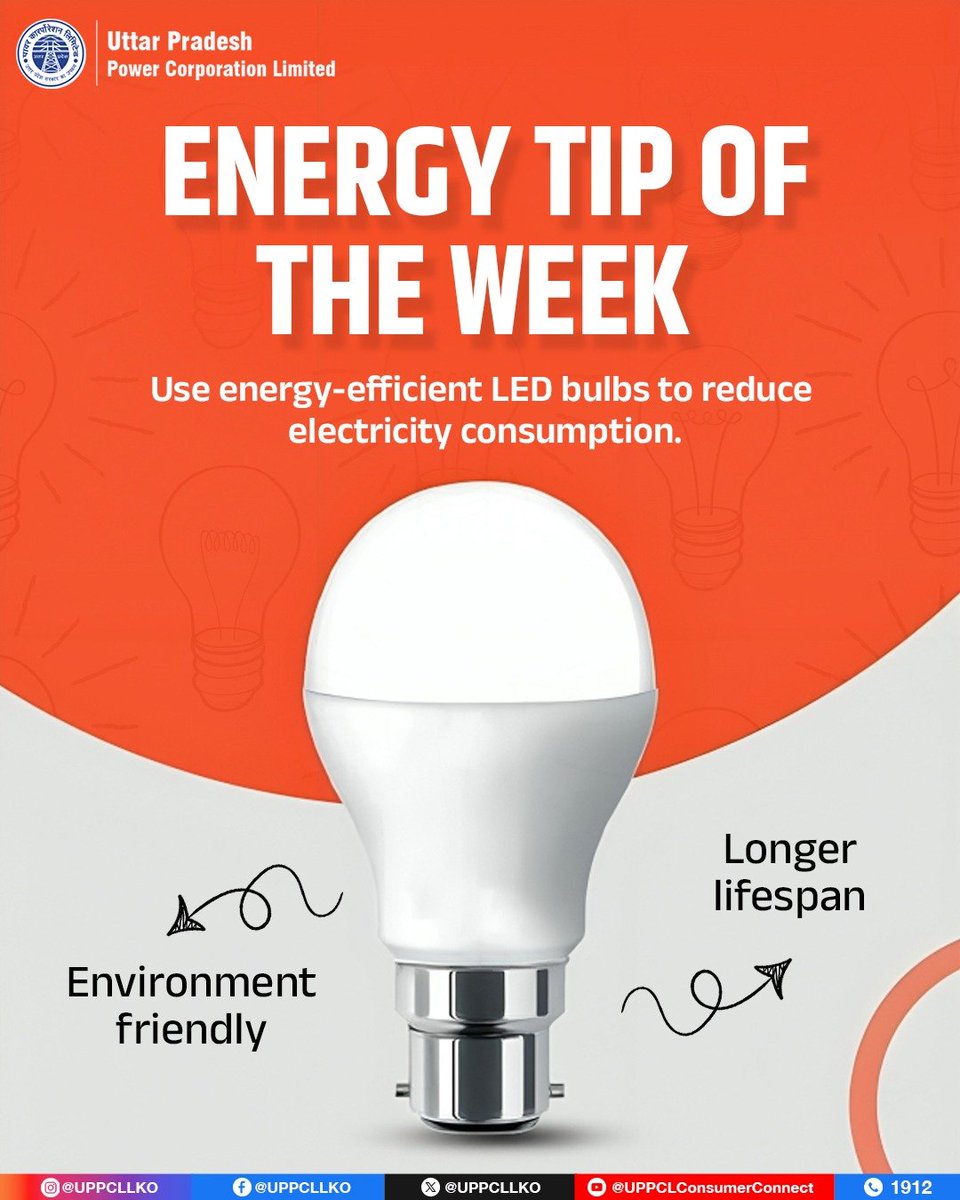
Credit: x.com
Common Misconceptions About Leds
Many people hesitate to switch to LED bulbs because of common myths. These misunderstandings can stop you from saving money and energy. Let’s clear up some of these myths about LED lighting.
Quality Concerns
Some think LED bulbs are low quality or break easily. This was true for early models. Today, most LEDs last for years without problems. Good brands offer warranties. Quality LEDs also perform well in cold or hot places.
Initial Cost Vs. Long-term Savings
LED bulbs cost more upfront than old bulbs. This scares many from buying them. The truth is LEDs use much less electricity. They also last longer, so you replace bulbs less often. Over time, LEDs save you more money than they cost.
Light Quality Myths
People say LED light is too harsh or unnatural. LEDs come in many colors and brightness levels. You can find warm or cool light to suit your needs. Modern LEDs give soft, natural light perfect for any room.

Credit: sunco.com
Frequently Asked Questions
How Much Can Led Bulbs Reduce Energy Bills?
LED bulbs use up to 80% less energy than incandescent bulbs. This significant reduction lowers your electricity consumption and cuts monthly energy costs effectively.
Are Led Bulbs Cost-effective In The Long Run?
Yes, LED bulbs cost more upfront but last 15 times longer. Their durability and low energy use save money over time, making them very cost-effective.
Do Led Bulbs Work With Existing Light Fixtures?
Most LED bulbs are compatible with standard fixtures. They can replace incandescent or CFL bulbs easily without needing special equipment or rewiring.
Can Led Lighting Improve Home Energy Efficiency?
LED lighting reduces power use and heat output. This improves overall home energy efficiency and can reduce cooling costs in warmer climates.
Conclusion
LED bulbs help save money on electricity bills. They use less power but give bright light. Last longer than traditional bulbs, so fewer replacements are needed. This means less waste and fewer trips to the store. Switching to LED bulbs can lower energy costs over time.
Small changes add up to big savings. A smart choice for homes and businesses alike. Consider trying LED bulbs to see the difference yourself. Simple, effective, and easy to use.