Are you tired of buying fresh herbs only to see them wilt and lose their flavor within days? You’re not alone.
Keeping your herbs fresh for longer can save you money and make your meals taste better every time. Imagine reaching into your kitchen and always having vibrant, flavorful herbs ready to use. You’ll discover simple, effective ways to store your herbs so they stay fresh and full of flavor much longer than you thought possible.
Keep reading to unlock the secrets that will change how you handle herbs forever.
Choosing Fresh Herbs
Choosing fresh herbs is the first step to keep them fresh longer. Fresh herbs have better flavor and last more days. Picking the right herbs makes storing easier and more effective.
Selecting Quality Herbs
Pick herbs with bright green leaves and firm stems. Avoid herbs with yellow, brown, or wilted leaves. Smell the herbs; fresh herbs have a strong, natural scent. Look for herbs without dark spots or slimy areas. Choose herbs that feel crisp, not soft or dry.
Best Herbs For Storage
Some herbs keep fresh longer than others. Parsley, cilantro, and basil store well in the fridge. Rosemary, thyme, and oregano last longer in dry conditions. Mint stays fresh if wrapped in a damp paper towel. Avoid delicate herbs like chives for long storage; use them quickly.
Credit: www.themediterraneandish.com
Preparation Before Storage
Proper preparation before storing herbs helps keep them fresh longer. Clean and dry herbs carefully. Remove any damaged leaves. Sort herbs by type and size. These steps improve storage results.
Cleaning And Drying Herbs
Rinse herbs gently in cool water. Avoid soaking them for a long time. Shake off excess water carefully. Use a salad spinner or pat dry with paper towels. Make sure herbs are completely dry before storing. Moisture causes herbs to spoil faster.
Trimming And Sorting
Trim the ends of herb stems with sharp scissors. Cut off brown or wilted leaves. Sort herbs by size and type. Store delicate herbs separately from hardier ones. This keeps all herbs fresh and easy to find.
Storage Methods For Fresh Herbs
Fresh herbs add flavor and aroma to many dishes. Keeping them fresh longer saves money and reduces waste. Proper storage helps maintain their taste and texture. Different herbs need different care. Learning the best storage methods keeps your herbs vibrant and ready to use.
Here are simple and effective ways to store fresh herbs at home.
Refrigeration Techniques
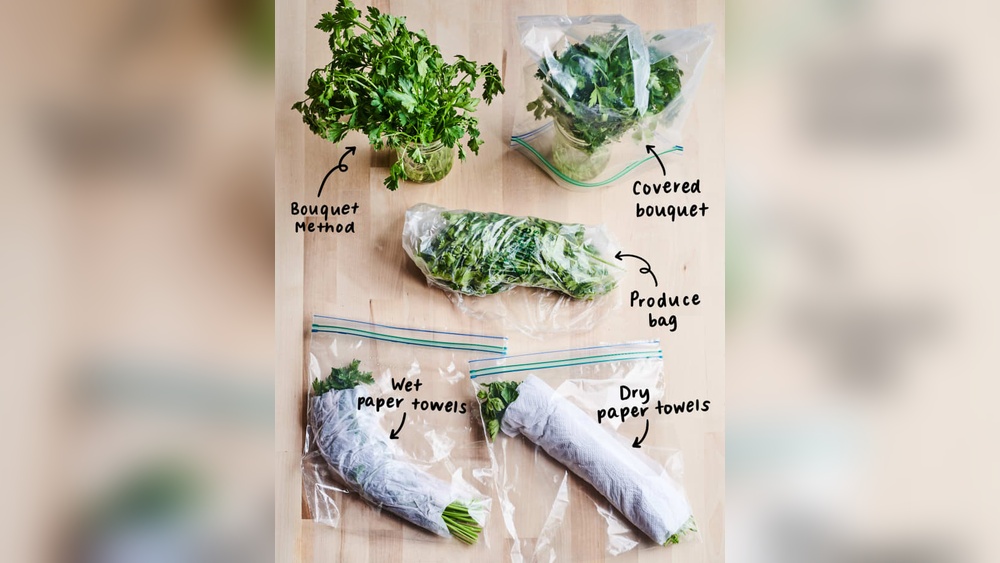
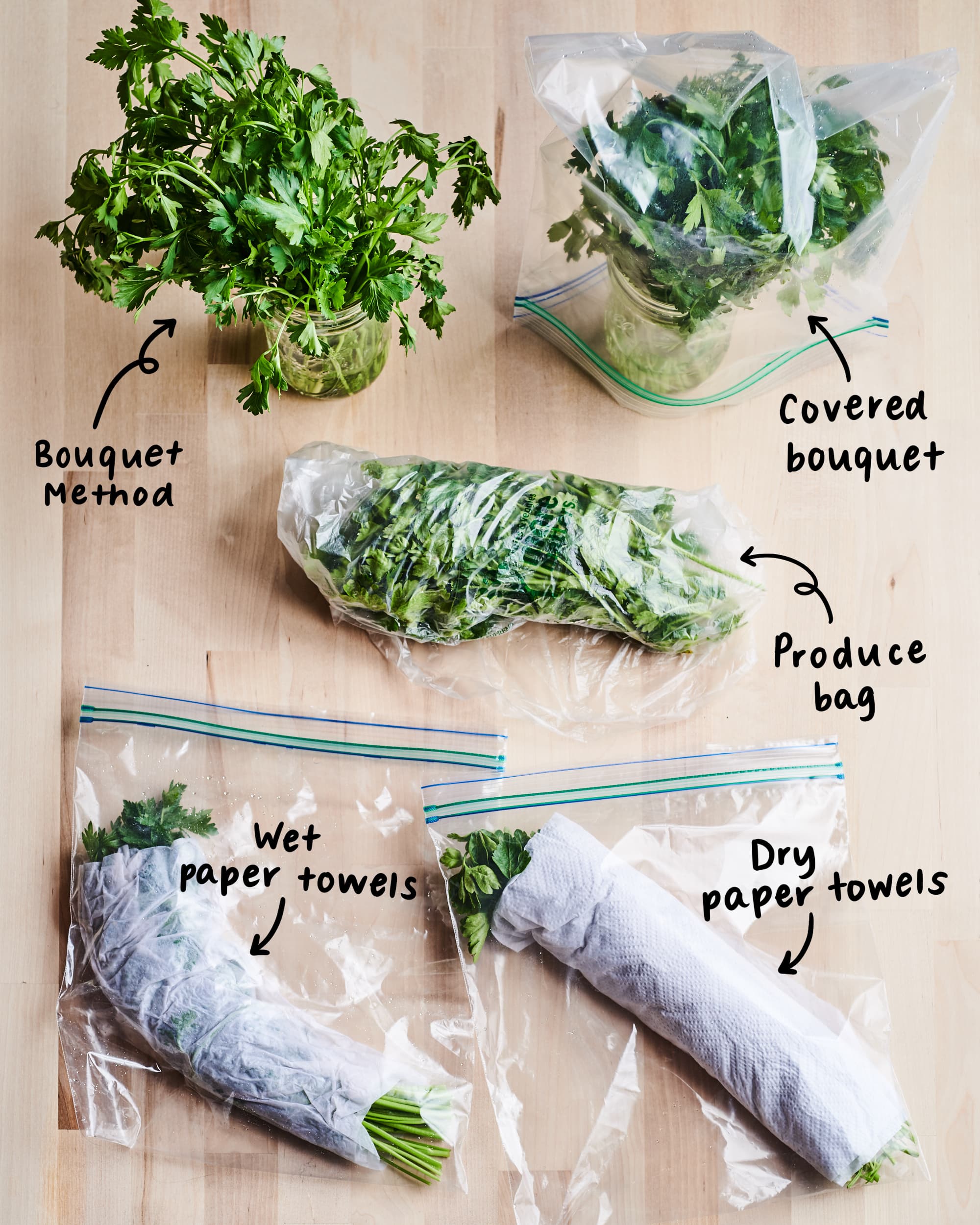
Refrigeration slows down herb wilting and spoilage. Wrap herbs gently in a damp paper towel. Place the wrapped herbs inside a plastic bag or container. Keep the bag slightly open for air circulation. Store herbs in the crisper drawer for best results. Soft herbs like basil, cilantro, and parsley benefit from this method.
Using Herb Savers
Herb savers are containers designed to keep herbs fresh longer. They provide the right humidity and air flow. Place trimmed herb stems in water inside the saver. Close the lid to maintain moisture but allow some air exchange. Herb savers work well for herbs with sturdy stems, such as rosemary and thyme.
Freezing Fresh Herbs
Freezing is a great way to store herbs for months. Chop herbs and place them in ice cube trays. Fill trays with water or olive oil and freeze. Pop out cubes and store in freezer bags. Use frozen herbs directly in cooked dishes. This method suits herbs like dill, chives, and parsley.
:max_bytes(150000):strip_icc()/how-to-store-freeze-every-herb-lead-getty-0723-63863799832e413c8cc91a897efd7434.jpg)
Credit: www.marthastewart.com
Drying Herbs For Longevity
Drying herbs is a great way to keep them fresh for a long time. It removes moisture that causes herbs to spoil. Dried herbs keep their flavor and aroma well. You can use dried herbs in cooking, teas, or crafts.
There are simple methods to dry herbs at home. Each method has its own benefits. Choose the one that fits your needs and tools.
Air Drying
Air drying is the oldest and easiest way. Gather small bunches of herbs and tie their stems. Hang them upside down in a warm, dry place. Make sure the area has good airflow and no direct sunlight. Leave them to dry for about 1 to 2 weeks. Once the leaves are crisp, crumble them and store in jars.
Oven Drying
Oven drying is faster than air drying. Preheat your oven to the lowest temperature, around 100°F (38°C). Spread herb leaves on a baking sheet in a single layer. Place the tray in the oven with the door slightly open. Check herbs every 15 minutes to avoid burning. The herbs dry in about 1 to 2 hours. Let them cool before storing.
Using A Dehydrator
A dehydrator is a tool made for drying food. It keeps a steady low heat and airflow. Spread herbs on the trays without overlapping. Set the temperature to 95-115°F (35-46°C). Drying time ranges from 1 to 4 hours, depending on the herb. Check herbs regularly to prevent over-drying. Store completely dry herbs in airtight containers.
Storing Dried Herbs
Dried herbs keep their flavor and aroma much longer than fresh ones. Proper storage helps maintain their quality. Avoid moisture, light, and heat to preserve them. Store dried herbs in the right containers and conditions. This section explains how to do it well.
Choosing Containers
Pick containers that block light and air. Glass jars with tight lids work best. Avoid plastic bags and containers that are not airtight. Small containers prevent herbs from exposure to air. Label jars with the herb name and date. This helps track freshness and avoid confusion.
Ideal Storage Conditions
Store dried herbs in a cool, dark place. Avoid warm spots like near ovens or windows. A pantry or cupboard works well. Keep herbs away from moisture and heat. High humidity can cause mold and spoilage. Proper storage keeps herbs flavorful for months.
Freezing Herbs For Flavor
Freezing herbs is a smart way to keep their fresh flavor for a long time. It stops herbs from wilting or losing taste quickly. You can use frozen herbs in cooking just like fresh ones. This method works well for many types, such as basil, parsley, and cilantro. Below are easy ways to freeze herbs to keep their best taste.
Freezing Whole Leaves
Pick fresh, clean herb leaves and pat them dry. Spread leaves in a single layer on a baking sheet. Place the sheet in the freezer until the leaves are firm. Transfer frozen leaves into airtight bags or containers. This way, leaves stay separate and don’t stick together. Use frozen leaves directly in soups, sauces, or stews.
Herb Ice Cubes
Chop herbs finely and place them in ice cube trays. Fill trays with water to cover the herbs. Freeze the trays until solid. Pop out herb cubes and store them in freezer bags. Drop these cubes into hot dishes or drinks for a quick flavor boost. Herb ice cubes are handy and easy to use.
Using Oil Or Butter
Chop herbs and mix them with olive oil or melted butter. Spoon the mixture into ice cube trays. Freeze until solid, then remove and store cubes in bags. Use these cubes to cook or add to warm dishes. This method helps keep herbs fresh and adds richness to meals.
Signs Of Herb Spoilage
Knowing the signs of herb spoilage helps keep your herbs fresh longer. Spoiled herbs lose their flavor and can harm your dishes. Watch for clear clues to avoid using bad herbs. Early detection saves money and reduces waste.
Visual Indicators
Check herbs for discoloration. Leaves turning yellow or brown show spoilage. Wilted or limp leaves also mean the herbs are old. Mold spots appear as white or gray fuzz. Remove herbs with any visible mold immediately. Healthy herbs look vibrant and firm.
Smell And Texture Changes
Fresh herbs have a strong, pleasant aroma. A sour or musty smell signals spoilage. Touch the leaves; they should feel crisp. Slimy or sticky texture means the herbs are bad. Dry and brittle leaves also lose quality. Use your nose and fingers to test freshness.
Tips To Maximize Herb Freshness
Keeping herbs fresh takes some care. Simple steps help keep their flavor and color longer. Proper storage is key. Follow these tips to enjoy your herbs at their best.
Avoiding Moisture
Moisture can spoil herbs fast. Water causes leaves to turn slimy or moldy. Always dry herbs completely before storing. Use paper towels to soak up extra water. Store herbs in containers that allow air flow. Avoid sealed bags unless herbs are very dry. This keeps herbs crisp and fresh.
Proper Labeling And Rotation
Label containers with the herb name and date stored. This helps track freshness and avoid waste. Use older herbs first. Rotate your stock regularly. Fresh herbs taste better and add more flavor. Proper labeling saves time and keeps your kitchen organized.
Credit: www.thekitchn.com
Frequently Asked Questions
How Can I Keep Herbs Fresh Longer At Home?
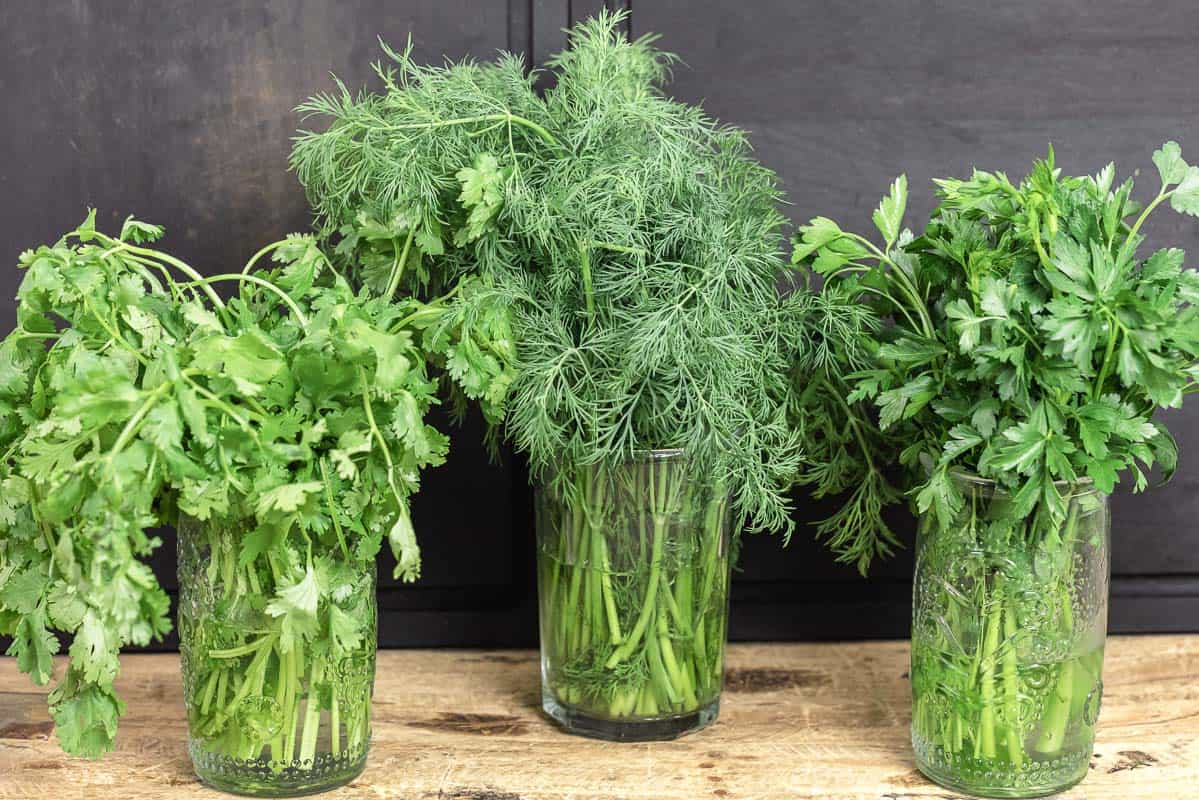
Store herbs in a glass of water, like flowers, and cover loosely with a plastic bag. Refrigerate leafy herbs and keep woody herbs at room temperature. Change water every couple of days to maintain freshness and prevent wilting.
What Is The Best Way To Dry Herbs For Storage?
Tie herb stems in small bundles and hang them upside down in a cool, dry, and dark place. Avoid direct sunlight to preserve flavor. Once dry, crumble leaves and store in airtight containers.
Can Freezing Herbs Preserve Their Flavor Effectively?
Yes, freezing herbs in ice cube trays with water or oil preserves flavor well. This method is convenient for cooking and helps maintain freshness longer than refrigeration.
Should I Wash Herbs Before Storing Them?
It’s best to wash herbs gently and dry completely before storage. Excess moisture can cause mold and spoilage. Use a salad spinner or pat dry with paper towels.
Conclusion
Storing herbs properly keeps them fresh and tasty longer. Use simple methods like wrapping in damp paper or storing in jars. Keep herbs cool and away from direct sunlight. Check them often to remove any wilted leaves. Fresh herbs add great flavor to meals every day.
With these tips, waste less and enjoy herbs more. Try different ways to see what works best for you. Fresh herbs always make cooking better and easier.