Are you tired of digging through a messy drawer every time you need a fork or a spoon? Organizing cutlery in small drawers can feel like a frustrating puzzle.
But what if you could find exactly what you need in seconds, every single time? Imagine opening your drawer to a neat, easy-to-navigate layout that saves you time and reduces stress. You’ll discover simple, smart ways to organize your cutlery that fit perfectly even in the smallest drawers.
Ready to turn chaos into calm? Let’s get started.
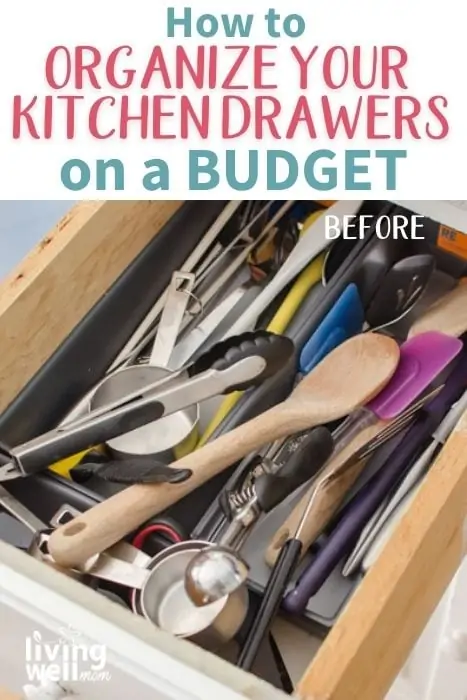
Credit: livingwellmom.com
Choose The Right Drawer Organizer
Choosing the right drawer organizer makes a big difference in small kitchen drawers. It helps keep cutlery neat and easy to find. The right organizer fits your drawer and your utensils well. It saves space and keeps everything tidy. Here are some important points about drawer organizers.
Types Of Organizers
There are many types of organizers for cutlery. Tray organizers have separate slots for forks, knives, and spoons. Some come with extra compartments for small tools. There are also adjustable organizers that can change size to fit your drawer. Mesh or wire organizers allow air flow and are easy to clean. Pick a style that matches your needs and drawer size.
Materials To Consider
Organizers come in different materials. Plastic is lightweight and easy to clean. Wood offers a classic look and feels sturdy. Bamboo is eco-friendly and resists moisture well. Metal organizers are strong and durable but may scratch the drawer. Choose a material that suits your kitchen style and lasts long.
Custom Vs. Adjustable Options
Custom organizers are made for your drawer size and cutlery. They fit perfectly and make good use of space. Adjustable organizers can expand or shrink to fit different drawers. They offer flexibility if you move or change your kitchen setup. Both types have benefits. Think about your drawer size and how often you change your cutlery.
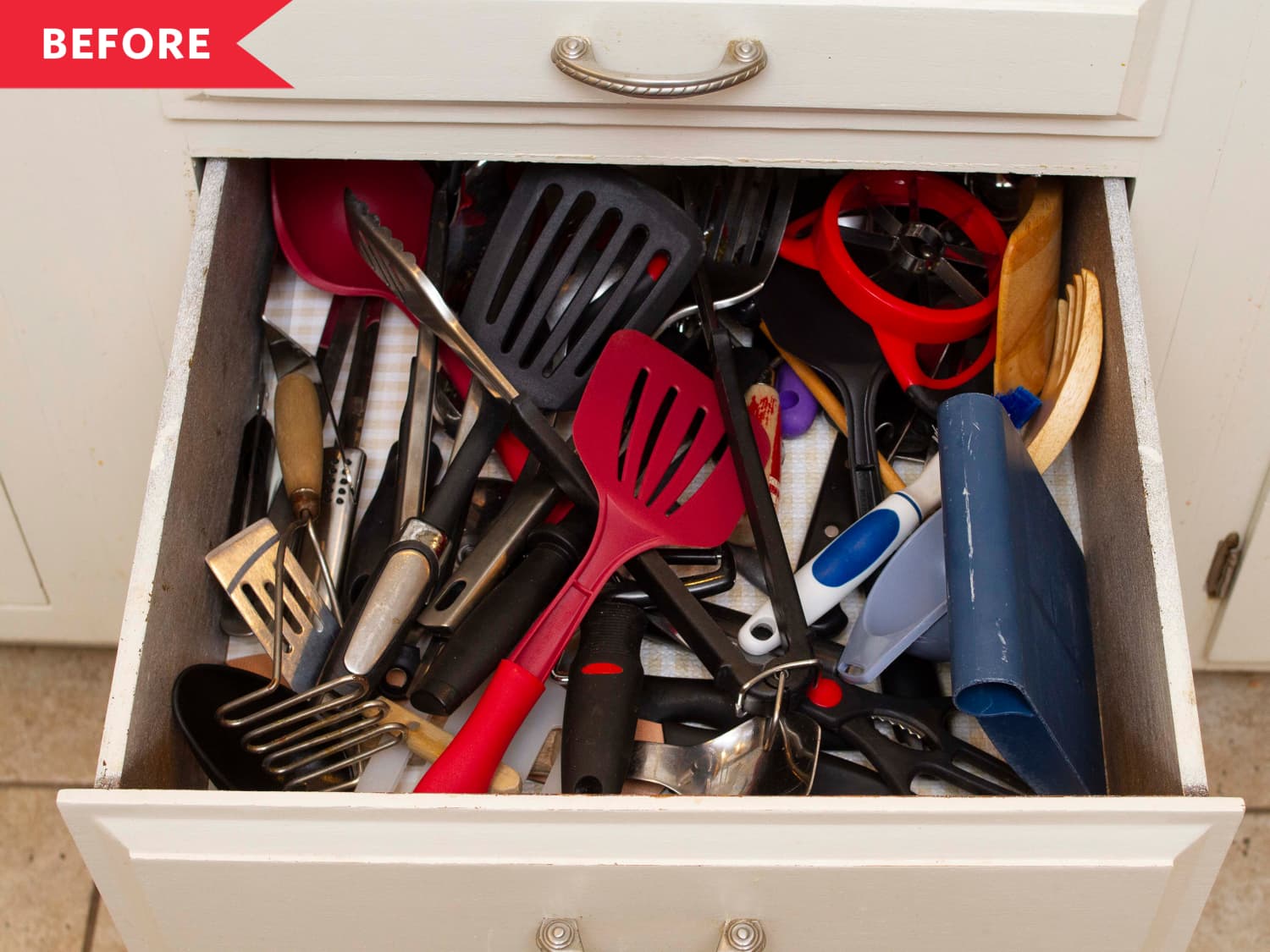
Credit: www.thekitchn.com
Sort Cutlery By Use And Size
Sorting cutlery by use and size makes small drawers more organized and easy to use. Grouping utensils helps find the right tool quickly. It also keeps the drawer neat and prevents clutter. Follow simple steps to separate your cutlery for better storage.
Everyday Essentials
Keep forks, knives, and spoons used daily in one place. These are the tools you reach for most. Store them together at the front of the drawer. This saves time during meal prep and cleanup.
Specialty Utensils
Separate less used items like salad forks or butter knives. These go in a different section or tray. It stops them from mixing with everyday cutlery. This way, you avoid searching through clutter.
Separate By Length And Shape
Sort utensils by their size and shape next. Place longer tools like serving spoons or steak knives separately. Smaller items like teaspoons can be grouped together. This arrangement fits better in small drawers.
Maximize Vertical Space
Maximizing vertical space is a smart way to organize cutlery in small drawers. It allows you to store more items without clutter. Using the height of your drawer helps keep everything neat and easy to find.
Stackable Trays
Stackable trays create multiple layers inside your drawer. You can separate forks, knives, and spoons on different trays. This keeps cutlery organized and saves space below. Choose trays that fit your drawer size well. Clear trays help you see what’s inside quickly.
Drawer Dividers
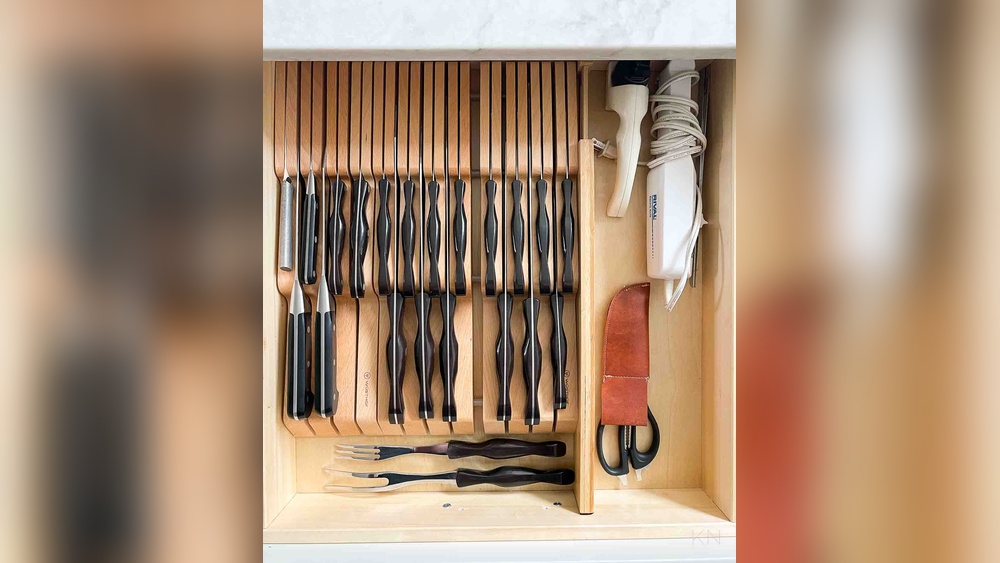
Drawer dividers split the drawer into sections. You can stand knives upright or place spoons in a small area. Dividers keep cutlery from mixing and tangling. Adjustable dividers let you change the space as needed. Use wood or plastic dividers for easy cleaning.
Using Small Containers
Small containers fit inside drawers and hold cutlery upright. Use containers for smaller items like teaspoons or serving forks. Containers make it easy to grab just what you need. Label containers to find items faster. They keep the drawer tidy and organized.
Label And Categorize Sections
Labeling and categorizing sections in small cutlery drawers makes organizing easier. It helps you find items quickly. It also keeps the drawer neat and tidy. Clear labels create order and reduce clutter. You can sort cutlery by type, size, or use. This system saves time during cooking and cleaning. It also makes your kitchen look more organized and inviting.
Benefits Of Labeling
Labels make it simple to locate utensils fast. They prevent mixing of different cutlery types. Everyone in the household can find what they need. Labels reduce the chances of mess and confusion. They guide you to place items back correctly. This helps keep the drawer organized every day.
Simple Labeling Ideas
Use clear, easy-to-read fonts on labels. Write names like “forks,” “spoons,” and “knives.” Try using small adhesive labels or tags. Color-coding sections can also help find items. Label the drawer dividers or containers inside. Keep labels small but visible for quick spotting.
Maintaining Organization
Check labels regularly for wear and tear. Replace or update them if they fade or peel. Teach family members to respect the system. Return cutlery to the labeled section after use. Clean the drawer often to avoid dirt buildup. Consistent habits keep your cutlery drawer neat and functional.
Keep Frequently Used Items Accessible
Keeping frequently used cutlery easy to reach saves time in the kitchen. A small drawer can become cluttered quickly. Organizing the items you use the most near the front helps keep things simple. This way, you grab what you need fast and put it away easily. Less digging means less mess.
Placement Tips
Place forks, spoons, and knives you use daily at the front of the drawer. Use small trays or dividers to separate them. Keep less used tools like serving forks or special knives at the back. Group similar items together. This keeps the drawer tidy and speeds up meal prep.
Rotation Strategies
Rotate cutlery regularly to keep everything clean and ready. Move items you use less often to the back. Bring fresh or clean utensils to the front. This keeps the drawer balanced and prevents clutter. It also helps you notice when supplies run low.
Avoiding Clutter
Remove extra or broken cutlery from the drawer. Use only what fits comfortably. Avoid piling items on top of each other. A neat drawer reduces stress and saves space. Keep the drawer clean by wiping it regularly and sorting items often.
Maintain Cleanliness And Order
Keeping cutlery clean and organized in small drawers improves kitchen hygiene and efficiency. A neat drawer makes it easy to find items fast. It also protects your cutlery from damage and rust. Simple habits help maintain order and cleanliness every day.
Regular Decluttering
Remove unused or broken cutlery regularly. Sort through the drawer monthly. Toss out damaged or old pieces. Keep only what you use daily. This keeps the drawer light and tidy. Regular checks stop clutter from building up.
Cleaning Techniques
Wipe the drawer inside with a damp cloth often. Use mild soap and water to clean cutlery. Dry each piece fully before placing it back. Avoid letting water sit in the drawer. This prevents rust and stains.
Storage Tips For Longevity
Use drawer dividers or trays to separate cutlery types. Store knives with blade covers for safety. Lay spoons and forks flat to avoid bending. Avoid overloading the drawer to keep cutlery in shape. Proper storage extends the life of your utensils.
Credit: www.thekitchn.com
Frequently Asked Questions
How Can I Maximize Space In Small Cutlery Drawers?
Use adjustable dividers to separate utensils and stack vertically. Declutter regularly and store rarely used items elsewhere. This creates more room and easier access to frequently used cutlery.
What Materials Work Best For Cutlery Organizers?
Wood, bamboo, and plastic organizers are popular. Choose sturdy, moisture-resistant materials for durability. Non-slip bases help keep dividers in place inside small drawers.
How Do I Prevent Cutlery From Sliding In Drawers?
Use drawer liners or rubber mats to add friction. Adjustable compartments or inserts can also keep items neatly separated and stable during drawer movement.
Can I Organize Cutlery Without Special Trays?
Yes, use small containers, ice cube trays, or DIY cardboard dividers. These solutions help separate utensils and maximize drawer space effectively without buying organizers.
Conclusion
Organizing cutlery in small drawers saves space and reduces clutter. Use trays or dividers to keep items separated and easy to find. Arrange utensils by type for quick access during meals. Regularly remove unused items to maintain order. Small changes create a neat, efficient kitchen area.
Simple steps help keep your drawers tidy every day. A well-organized drawer makes cooking and cleaning faster. Try these tips and enjoy a clutter-free kitchen space.