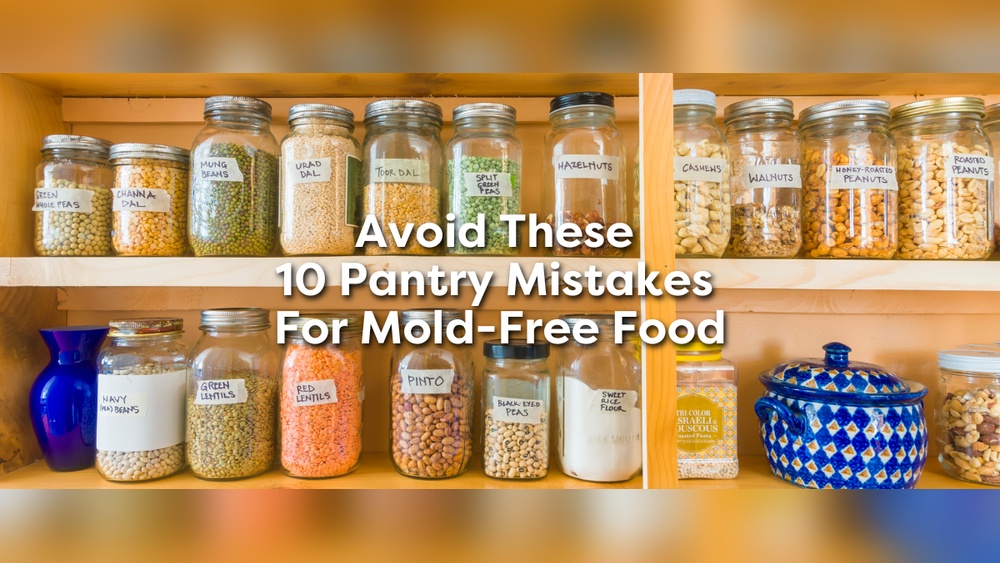
Is your pantry feeling damp or showing signs of mold? A wet, moldy pantry can ruin your food and create an unhealthy environment in your home.
You might not realize it, but keeping your pantry dry is easier than you think—and it can save you money and stress. You’ll discover simple, practical steps to keep your pantry fresh, dry, and mold-free. Stick with me, and you’ll never have to worry about spoiled food or musty smells again.
Let’s get started!
Credit: www.walmart.com
Causes Of Moisture In Pantries
Moisture in pantries causes many problems. It makes food spoil faster and leads to mold growth. Understanding what brings dampness helps keep your pantry dry and safe.
Common Sources Of Dampness
Leaky pipes near the pantry add unwanted water. Poor ventilation traps moist air inside. Wet floors or walls increase humidity. Storing hot food in the pantry raises moisture levels. Opening the pantry door often lets humid air enter. Spills or leaks from containers also create damp spots.
Effects Of Humidity On Food Storage
High humidity makes dry food soggy and soft. It causes sugar and salt to clump together. Mold grows quickly on bread, nuts, and cereals. Moisture attracts insects and pests that ruin food. Metal cans can rust, damaging the contents inside. Keeping humidity low protects food quality and safety.

Credit: www.amazon.com
Choosing The Right Storage Containers
Choosing the right storage containers is important to keep your pantry dry and mold free. The right containers stop moisture and air from getting inside. They protect food from humidity and pests. Good containers help food stay fresh longer. They also make your pantry look neat and organized.
Benefits Of Airtight Containers
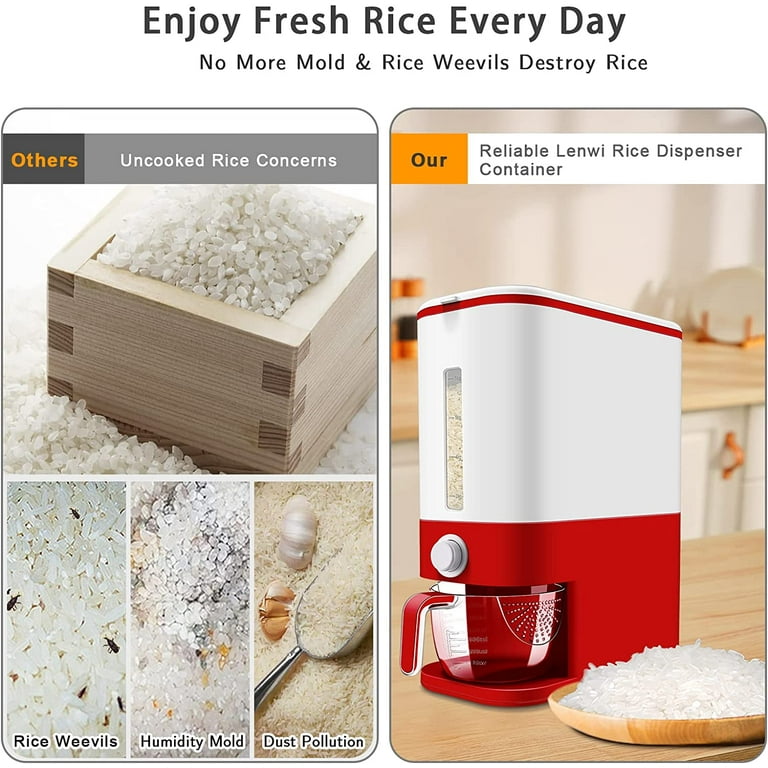
Airtight containers block air and moisture. This stops mold growth and food spoilage. They keep dry foods like flour, rice, and beans safe. Airtight seals stop bugs from entering. Containers with tight lids reduce odors in the pantry. Using these containers saves money by reducing waste.
Materials That Prevent Moisture
Plastic, glass, and metal containers work well to stop moisture. Plastic containers are lightweight and affordable. Glass containers do not absorb smells or stains. Metal containers are strong and block light. Choose containers with silicone seals for better protection. Avoid thin or cracked containers that let air in.
Effective Ventilation Techniques
Effective ventilation helps keep your pantry dry and mold-free. It removes moisture and prevents stale air. Good airflow stops mold spores from settling and growing. Using simple techniques can improve ventilation and protect your food.
Improving Air Circulation
Air circulation moves fresh air through the pantry. Open pantry doors occasionally to let air in. Use small fans to keep air flowing in larger pantries. Avoid blocking vents or air pathways with boxes or containers. Proper spacing between items also helps air move freely.
Using Dehumidifiers And Moisture Absorbers
Dehumidifiers reduce moisture in the air. They are useful in humid climates or poorly ventilated pantries. Moisture absorbers like silica gel or charcoal bags trap extra moisture. Place them on shelves or inside containers to keep the air dry. Replace these absorbers regularly for best results.

Credit: www.amazon.com
Cleaning And Maintenance Tips
Keeping your pantry dry and free from mold takes regular care. Cleaning and maintenance are key to preventing moisture buildup and mold growth. Simple, routine steps can keep your pantry safe for food storage.
Regular Inspection And Cleaning
Check your pantry shelves every week. Look for any signs of moisture or mold spots. Wipe shelves with a dry cloth to remove dust and crumbs. Use a mild soap solution to clean sticky or dirty areas. Let the shelves dry completely before placing items back.
Keep containers sealed tightly to avoid spills and moisture. Remove expired or open food items regularly. This practice reduces clutter and lowers mold risk. Proper airflow also helps keep the pantry dry and fresh.
Removing Mold Safely
If you find mold, act quickly to clean it. Use a mixture of water and white vinegar or baking soda. Apply with a cloth or sponge to affected areas. Avoid harsh chemicals that can damage surfaces or leave harmful residues.
Wear gloves and a mask to protect yourself from mold spores. Clean the area thoroughly and dry it well. Dispose of any moldy food to stop mold spread. Repeat cleaning if mold returns to keep your pantry healthy.
Organizing Your Pantry For Dryness
Organizing your pantry for dryness helps stop moisture and mold growth. A tidy pantry lets air flow well. This reduces damp spots where mold can start. Keeping things in order also makes it easy to find what you need.
Avoiding Overcrowding
Do not pack your pantry shelves too full. Overcrowding blocks air circulation. Moist air can get trapped between items. This creates damp areas that invite mold. Leave some space between containers and boxes. Air can move freely and keep things dry.
Proper Placement Of Items
Put dry foods on higher shelves. These areas stay cooler and drier. Avoid placing items near the floor. Floors can be colder and hold moisture. Store grains, flour, and spices in airtight containers. This protects them from humidity and pests. Group similar items together for easy access. This reduces the time pantry doors stay open.
Natural Remedies To Prevent Mold
Keeping your pantry dry and free from mold is easier with natural remedies. These methods use common household items that absorb moisture and fight mold spores. They help maintain a fresh and safe space for your food.
Using Baking Soda And Charcoal
Baking soda is a natural moisture absorber. Place an open box or a small bowl of baking soda in your pantry corners. It helps soak up dampness and reduce odors.
Charcoal works similarly by trapping moisture. Use activated charcoal in a breathable bag or container. Replace both baking soda and charcoal every few months for best results.
Essential Oils With Antifungal Properties
Essential oils like tea tree, eucalyptus, and lavender fight mold growth. Mix a few drops with water in a spray bottle. Lightly spray pantry shelves and walls to keep mold spores away.
These oils also leave a fresh scent. Use cotton balls soaked in essential oils and place them inside your pantry. Refresh the cotton balls regularly to maintain effectiveness.
Frequently Asked Questions
How Can I Prevent Mold In My Pantry?
Keep your pantry dry by using airtight containers and avoiding moisture buildup. Regularly clean shelves and check for leaks or spills.
What Is The Best Way To Control Pantry Humidity?
Use moisture absorbers like silica gel or activated charcoal. Ensure proper ventilation and avoid storing damp items in the pantry.
How Often Should I Clean My Pantry To Avoid Mold?
Clean your pantry at least once a month. Remove expired items, wipe surfaces with vinegar solution, and inspect for mold signs.
Which Foods Are Most Likely To Cause Mold In Pantry?
Grains, nuts, and dried fruits are prone to mold if exposed to moisture. Store them in sealed containers to maintain freshness.
Conclusion
Keeping your pantry dry and mold-free takes regular care and simple steps. Check for leaks and fix them fast. Use airtight containers to keep moisture out. Keep the area clean and dry every time. Good air flow helps stop mold growth too.
Small efforts now save you from big problems later. Stay consistent, and your pantry will stay fresh and safe for all your food. A dry pantry means healthier food and less waste. Easy habits make a big difference.