Packing fragile items in your suitcase can feel like a risky game. You want to keep your valuables safe, but space is limited, and you’re worried about breakage.
What if your favorite glass souvenir shatters or your delicate electronics get damaged? Don’t let fear hold you back. In this guide, you’ll discover simple, effective tips to protect your fragile belongings every time you pack. By the end, you’ll feel confident that your precious items will arrive intact, no matter where your travels take you.
Keep reading to learn how to pack fragile items in your suitcase safely and travel stress-free.

Credit: ronithetravelguru.com
Choosing The Right Suitcase
Choosing the right suitcase plays a big role in keeping fragile items safe. A good suitcase protects your things from bumps and drops. It also helps organize your items so they don’t move around too much. Picking a suitcase with the right features makes packing easier and safer.
Hard-shell Vs Soft-shell
Hard-shell suitcases offer strong protection. They resist impacts and keep fragile items safe inside. These suitcases are less likely to get damaged during travel. Soft-shell suitcases are lighter and more flexible. They have outside pockets for extra storage. But they may not protect fragile items as well. Choose hard-shell if you carry many fragile things. Soft-shell works if you need more space and flexibility.
Size And Compartments
Pick a suitcase size that fits your travel needs. A medium or large suitcase gives more room for padding. Use compartments or dividers to keep fragile items separate. This stops them from hitting each other. Look for suitcases with zippered pockets and adjustable straps. These help hold items in place and reduce movement. Proper compartments make packing fragile items safer and neater.
Selecting Protective Materials
Selecting the right materials is key to protecting fragile items in your suitcase. Good protection stops breakage during travel. It also keeps items stable and less likely to move around. Use materials that absorb shock well and fit snugly around your items. Choose from bubble wrap, foam, clothing, packing peanuts, or air pillows for the best safety.
Bubble Wrap And Foam
Bubble wrap is a classic choice for fragile packing. Its air-filled bubbles cushion items from shocks and drops. Wrap each item tightly for full coverage. Foam sheets or foam peanuts also absorb impact well. Foam molds to shapes and fills gaps to prevent movement. Both materials are lightweight and easy to pack.
Clothing As Cushioning
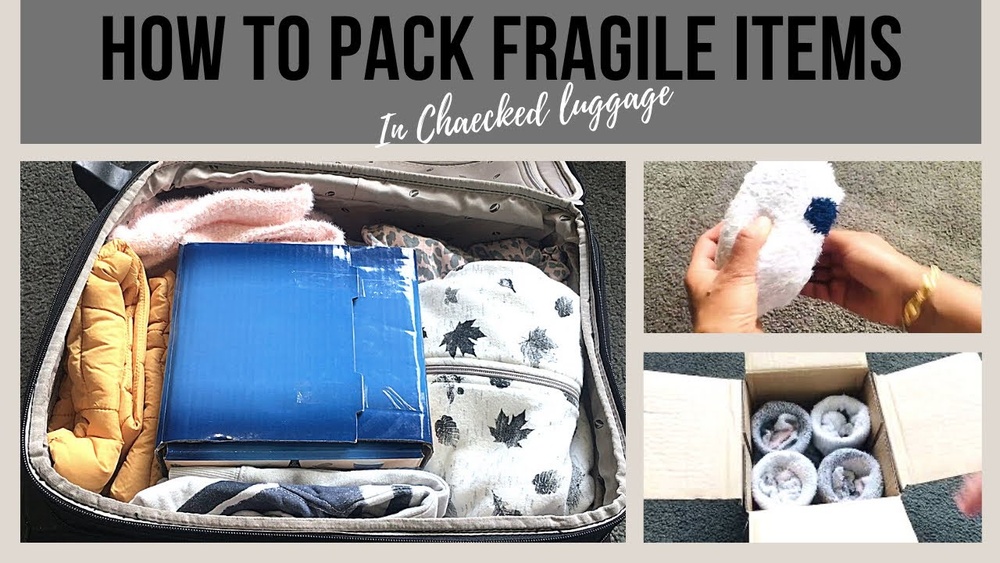
Use soft clothes to cushion fragile items. T-shirts, socks, or sweaters work great. Wrap items in layers of clothing for padding. Clothes fill empty spaces inside your suitcase. This stops items from banging against each other. Clothes provide a soft barrier that lowers break risk.
Packing Peanuts And Air Pillows
Packing peanuts fill empty spaces inside your suitcase. They prevent items from shifting during travel. Use biodegradable peanuts for an eco-friendly option. Air pillows are inflatable and offer strong cushioning. They are reusable and save space when deflated. Both protect fragile goods by absorbing shocks.
Preparing Fragile Items
Preparing fragile items for packing takes careful steps. These steps protect your belongings during travel. Proper preparation lowers the risk of damage and breakage.
Start by cleaning and drying each item. Then, separate and wrap them carefully. Finally, seal any loose parts to keep everything secure.
Cleaning And Drying
Remove dirt, dust, or oils from fragile items. Use a soft cloth or gentle cleaner if needed. Make sure each piece is completely dry. Moisture can cause damage or mold inside your suitcase.
Separating And Wrapping
Wrap each fragile item separately to avoid scratches. Use bubble wrap, tissue paper, or soft cloths. Avoid using newspaper as the ink may transfer. Place wrapped items in small boxes or pouches for extra protection.
Sealing Loose Parts
Secure any loose or removable parts before packing. Use tape or rubber bands to keep them in place. This prevents pieces from moving or breaking during travel. Label these parts if needed, so you can reassemble them easily.
Packing Techniques For Fragile Items
Packing fragile items requires special care and smart techniques. Proper packing helps protect your delicate belongings from damage. Use simple steps to keep fragile items safe in your suitcase.
Layering For Protection
Start with a soft base layer, like clothing or towels. Place fragile items on this cushion to absorb shocks. Add more layers around each item using soft materials. This creates a buffer that reduces impact during travel. Layering keeps fragile items from moving inside the suitcase.
Using Dividers And Boxes
Use small boxes or containers to separate fragile pieces. Dividers help keep items from bumping into each other. Wrap each item in bubble wrap or tissue paper before placing it inside. Boxes add an extra layer of defense against pressure and drops. This method organizes fragile items neatly and safely.
Positioning In The Suitcase
Place heavy items at the bottom of the suitcase. Keep fragile items on top or in the middle surrounded by clothes. Avoid placing fragile items near the edges or corners. These spots face more impact during handling. Proper positioning reduces the chance of cracks or breaks.
Securing The Suitcase
Securing the suitcase is vital for protecting fragile items during travel. Properly securing your suitcase keeps your belongings safe from shocks and bumps. It also prevents items from shifting inside and breaking.
Focus on methods that add stability and clear warnings. These steps help handlers treat your suitcase with care. They also reduce the risk of damage caused by rough handling.
Using Straps And Ties
Straps and ties hold your suitcase contents firmly in place. Use adjustable straps inside to keep fragile items from moving. Elastic bands or bungee cords work well to secure boxes or padded wraps.
Outside straps add extra security around the suitcase. Tighten them so the case stays closed even if the zipper breaks. This simple step prevents your items from falling out.
Labeling Fragile Contents
Clear labels warn others to handle your suitcase gently. Use bright, easy-to-read stickers or tags that say “Fragile.” Place them on multiple sides of the suitcase.
Include a note inside with instructions for careful handling. This helps baggage handlers and anyone opening the case understand the need for caution. Proper labeling lowers the chance of rough treatment.

Credit: www.youtube.com
Handling And Transport Tips
Packing fragile items requires careful handling and smart transport choices. Protecting your belongings starts from how you carry them. Proper handling lowers the risk of damage during travel.
Knowing the best way to transport fragile items helps keep them safe. Small actions can make a big difference.
Carry-on Vs Checked Luggage
Fragile items are safer in carry-on bags. You control how carry-ons are handled. Checked luggage goes through rougher treatment. Baggage handlers may toss or stack heavy bags. This can break delicate items.
Carry-on bags stay with you at all times. You can place them carefully in overhead bins. Avoiding the cargo hold reduces the chance of damage. Choose carry-on for valuable or fragile objects.
Avoiding Rough Handling
Handle your suitcase gently during all travel steps. Lift bags by the handles, not by the zippers. Avoid dragging bags over rough surfaces. Use padded cases or bubble wrap inside your suitcase. This adds a layer of protection.
Label your bag as “Fragile” to alert baggage handlers. Do not overpack or force items inside your suitcase. Overpacking increases pressure and risk of breakage. Take your time packing and unpacking carefully.
Credit: koora.com.au
Frequently Asked Questions
How Do I Protect Fragile Items In A Suitcase?
Wrap fragile items in bubble wrap or clothing for cushioning. Use hard-sided suitcases and pack items tightly to prevent movement during travel.
What Materials Are Best For Packing Fragile Items?
Bubble wrap, foam sheets, packing paper, and soft clothing work best. These materials absorb shocks and reduce the risk of breakage in transit.
Where Should Fragile Items Be Placed In A Suitcase?
Place fragile items in the center of the suitcase, surrounded by soft clothes. This provides extra padding and protects them from impact.
Can I Use Clothing To Protect Fragile Items?
Yes, soft clothing like sweaters and towels act as natural padding. Wrap fragile items in these to minimize movement and cushion them effectively.
Conclusion
Packing fragile items in your suitcase needs care and planning. Wrap each item with soft materials like bubble wrap or clothes. Place heavier items at the bottom and lighter ones on top. Fill empty spaces with socks or towels to stop movement.
Check your suitcase for strong zippers and padding. These small steps keep your belongings safe on any trip. Remember, careful packing means fewer worries and more fun while traveling. Stay safe and enjoy your journey!