Are you tired of cluttered drawers filled with kitchen gadgets you never use? Choosing the right tools can make cooking easier, faster, and more enjoyable.
But with so many options out there, how do you know which ones are truly worth buying? You’ll discover the essential kitchen tools that will transform your cooking experience without breaking the bank. Get ready to simplify your kitchen and boost your confidence every time you step in front of the stove.
Keep reading to find out exactly what you need—and what you don’t.
Must-have Knives
Knives are essential tools in every kitchen. They make cutting, chopping, and slicing easier and safer. Having the right knives helps prepare food faster and better. Three types of knives stand out as must-haves for most cooking tasks.
Chef’s Knife
The chef’s knife is the most versatile knife. It has a broad and sharp blade, usually 8 to 10 inches long. This knife handles chopping vegetables, slicing meat, and dicing herbs. A good chef’s knife feels balanced and comfortable in your hand. It reduces effort and cuts smoothly.
Paring Knife
The paring knife is small but powerful. It has a blade about 3 to 4 inches long. This knife is perfect for peeling fruits and vegetables. It also works well for small, precise cuts. The paring knife offers control and accuracy in delicate tasks.
Serrated Knife
The serrated knife has a saw-like edge. It cuts through tough or soft foods without crushing them. This knife is great for slicing bread, tomatoes, and citrus fruits. Serrated knives stay sharp longer and require less sharpening. They help keep food intact while cutting.
Cutting Boards
Cutting boards are essential tools in every kitchen. They protect countertops and keep knives sharp. Choosing the right cutting board affects food safety and ease of use. Two main types are wood and plastic. Each has unique benefits and care needs.
Wood Vs Plastic
Wood cutting boards are gentle on knives. They last long and resist deep cuts. Wood naturally fights bacteria, making it safe for many tasks. But, wood boards need more care to avoid cracking or warping.
Plastic cutting boards are lightweight and often dishwasher safe. They are easy to clean thoroughly. Plastic boards are good for raw meat to prevent cross-contamination. Yet, they wear down faster and can get deep cuts.
Maintenance Tips
Wood boards require regular oiling to stay healthy. Use food-safe mineral oil and apply it often. Clean wood boards with mild soap and warm water. Avoid soaking wood in water to prevent damage.
Plastic boards can go in the dishwasher for deep cleaning. Scrub them well to remove knife marks and bacteria. Replace plastic boards once they get many deep cuts. Both board types should dry completely before storage.
Measuring Essentials
Measuring ingredients correctly is key to cooking and baking success. The right tools make this task easy and precise. A few basic measuring essentials help you get consistent results every time.
Measuring Cups
Measuring cups are a must for dry and liquid ingredients. Choose a set with clear markings that don’t fade. Stainless steel or durable plastic cups last longer. Use them to measure flour, sugar, milk, and more. They ensure you add the right amount, avoiding guesswork.
Measuring Spoons
Measuring spoons are perfect for small amounts of spices, baking powder, or oils. Look for sets with both metric and US measurements. A sturdy set with easy-to-read numbers saves time. Use them to keep flavors balanced and recipes accurate.
Kitchen Scale
A kitchen scale offers the most precise measurements. It works well for weighing flour, meat, or fruits. Digital scales are easy to read and quick to use. They help reduce waste by measuring exact portions. A scale is especially useful for baking and portion control.
Mixing And Prep Bowls
Mixing and prep bowls are essential in any kitchen. They help with mixing ingredients, marinating, and holding chopped items. Good bowls make cooking easier and more organized. Choosing the right ones saves time and effort.
Material Choices
Bowls come in various materials. Stainless steel is strong and lasts long. It does not stain or absorb odors. Glass bowls show the contents clearly. They also work well in microwaves. Plastic bowls are light and cheap. They come in many colors but may scratch easily. Ceramic bowls look nice and can keep food warm. Each material has its own benefits.
Sizes And Uses
Mixing bowls should come in different sizes. Small bowls are good for beating eggs or holding spices. Medium bowls work for mixing salad dressings or batters. Large bowls are great for tossing salads or kneading dough. A set with varied sizes fits many kitchen tasks. Choose bowls that nest well to save space. Bowls with non-slip bases stay steady while mixing.
Small Appliances Worth It
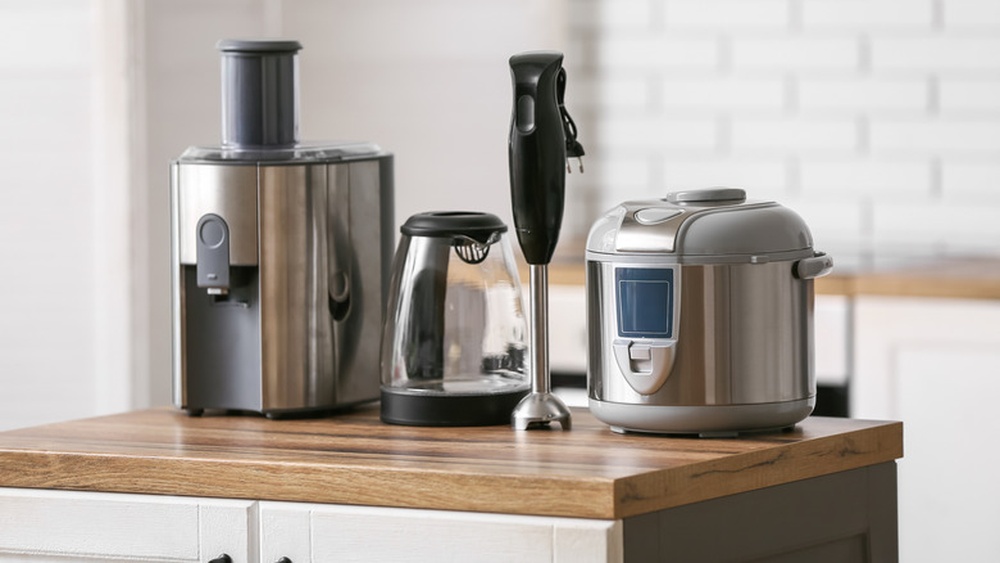
Small kitchen appliances save time and effort. They help you prepare meals faster and cleaner. Choosing the right ones can improve your cooking experience. These appliances are useful for many daily tasks.
Blender
A blender is useful for smoothies, soups, and sauces. It quickly mixes ingredients to a smooth texture. You can crush ice and blend frozen fruits. A good blender works well for many recipes. It is a must-have for healthy drinks and quick meals.
Food Processor
A food processor cuts, chops, and shreds vegetables fast. It saves hours of manual work in the kitchen. You can make dough, salsa, and dips easily. This appliance handles tough jobs with little effort. It is perfect for people who cook often and want to save time.
Hand Mixer
A hand mixer is light and easy to use. It blends batters and whips cream quickly. It is great for baking cakes, cookies, and muffins. This tool is small but powerful. It fits in any kitchen and cleans up fast.

Credit: www.miamiherald.com
Cookware Basics
Cookware is the heart of any kitchen. Choosing the right pieces helps you cook better meals. It also saves time and effort.
Start with basic cookware. These tools fit most recipes and cooking styles. They last long and offer great value.
Nonstick Skillets
Nonstick skillets are perfect for eggs and pancakes. Food slides off easily, so cleaning is fast. Use low to medium heat to protect the coating. These pans need gentle utensils like wood or silicone. Avoid metal tools to keep them smooth.
Sauce Pans
Sauce pans come with tall sides and a lid. They are ideal for boiling, simmering, and sauces. Choose one with a sturdy handle and tight lid. A size around 2 to 3 quarts fits most needs. Look for even heat distribution to avoid hot spots.
Dutch Oven
A Dutch oven is heavy and durable. It works well for stews, soups, and baking bread. The thick walls keep heat steady and even. Many are made of cast iron with an enamel coating. Use it on the stove or in the oven for versatile cooking.
Baking Tools For Every Kitchen
Baking is a fun and rewarding activity. The right tools make baking easier and more enjoyable. Every kitchen needs basic baking tools to prepare delicious treats. These tools save time and help you get better results.
Mixing Tools
Mixing tools are essential for combining ingredients smoothly. A sturdy mixing bowl set is a must-have. Bowls in different sizes fit all recipes. A hand mixer or stand mixer speeds up the process. Silicone spatulas help scrape every bit of batter from the bowl. Whisks are great for light mixing and beating eggs. These tools make mixing quick and mess-free.
Measuring Tools
Accurate measuring tools ensure your recipes turn out right. Measuring cups for dry ingredients like flour and sugar are important. Liquid measuring cups measure water, oil, and milk easily. A set of measuring spoons covers small amounts like baking powder and salt. Using the right tools helps avoid mistakes and keeps flavors balanced.
Baking Pans
Baking pans come in many shapes and sizes. A basic set includes a cookie sheet, a cake pan, and a muffin tin. Non-stick pans reduce the chance of sticking and make cleanup easier. Glass or metal pans work well for different recipes. Having a variety of pans lets you bake cakes, cookies, and muffins without trouble.

Credit: parkmagazineny.com
Storage And Organization
Keeping a kitchen neat saves time and reduces stress. Good storage and organization tools help keep everything in its place. They make cooking easier and keep food fresh longer. Choosing the right tools can improve your kitchen’s look and function.
Food Storage Containers
Food storage containers keep leftovers fresh and prevent spills. Clear containers help you see contents quickly. Choose containers with airtight lids to keep food safe. Stackable containers save space in cabinets and refrigerators. Look for durable, dishwasher-safe options for easy cleaning.
Drawer Organizers
Drawer organizers separate utensils and tools for quick access. They prevent clutter and save time finding items. Adjustable dividers fit different drawer sizes and needs. Use them for cutlery, cooking tools, or small gadgets. Materials like bamboo or plastic are easy to clean and last long.
Spice Racks
Spice racks keep spices tidy and easy to reach. A well-organized rack helps you find spices fast during cooking. Choose between countertop, wall-mounted, or inside-cabinet racks. Label jars clearly for quick identification. Keeping spices organized keeps flavors fresh and meals tasty.
Cleaning Tools
Keeping your kitchen clean is easier with the right tools. Cleaning tools help remove dirt, grease, and food particles. They protect your surfaces and keep your kitchen safe and healthy. Choosing the best cleaning tools saves time and effort. Here are some essential cleaning tools worth buying for your kitchen.
Scrub Brushes
Scrub brushes come in many shapes and sizes. They help clean pots, pans, and stubborn stains. Brushes with stiff bristles remove tough grime without scratching surfaces. A long-handled brush reaches deep into bottles and jars. Some brushes have ergonomic handles for better grip. Using scrub brushes speeds up cleaning and keeps your kitchen tidy.
Dish Cloths
Dish cloths are soft and absorbent. They wipe counters, dry dishes, and clean spills quickly. Cloths made from cotton or microfiber work best. Microfiber cloths trap dirt and grease well. Wash dish cloths often to avoid germs. Having several cloths on hand keeps cleaning smooth and easy.
Sink Accessories
Sink accessories help maintain a clean and organized sink area. A sink strainer catches food scraps and prevents clogs. Soap dispensers keep dish soap neat and accessible. Sink mats protect the basin from scratches and dents. These small tools make kitchen cleanup faster and more efficient.

Credit: www.youtube.com
Frequently Asked Questions
What Essential Kitchen Tools Should Every Home Cook Buy?
Every home cook should invest in a sharp chef’s knife, cutting board, mixing bowls, measuring cups, and a reliable skillet. These tools cover basic prep, cooking, and measuring, making meal preparation efficient and enjoyable.
Are Expensive Kitchen Tools Worth The Investment?
Expensive kitchen tools often offer better durability and performance. However, focus on quality over price. Mid-range tools can be sufficient for most home cooks and provide excellent value without overspending.
Which Kitchen Tools Save The Most Cooking Time?
Tools like food processors, electric mixers, and pressure cookers significantly reduce prep and cooking time. These gadgets automate repetitive tasks and speed up cooking, making meal preparation faster and easier.
How Do I Choose The Right Kitchen Knives?
Choose knives with comfortable handles and balanced weight. A sharp chef’s knife, paring knife, and serrated knife cover most tasks. Quality steel and proper maintenance extend their lifespan and performance.
Conclusion
Choosing the right kitchen tools makes cooking easier and more fun. Focus on items you use often. Good tools save time and reduce stress. Quality matters more than quantity. Start with basics like a sharp knife and sturdy pan. Add tools that fit your cooking style.
Remember, the best tools fit your budget and needs. Enjoy cooking with tools that help you create tasty meals. Simple choices lead to better results every day.