
For most travelers in the United States, the best packing cubes are a small set of light, zippered cubes in a few useful sizes. Choose mesh or other breathable fabric if you want to see what is inside, and compression cubes if you want to press air out of soft clothes. A simple non-compression set is often the easiest choice for a first trip.
A few products worth comparing are Eagle Creek Pack-It Reveal cubes, Thule Compression Packing Cubes, Peak Design Packing Cubes, and Osprey Ultralight Packing Cubes. Each suits a different need; no one set is best for every bag or trip. This guide is not based on hands-on product tests, and I could not verify current prices, stock, or model changes. Check the maker’s current product details before you buy.

Packing cube picks by travel need
The right pick depends on what you want the cubes to do. Use this table as a shortlist, then check that the current version fits your bag and budget.
| Pick | Consider it for | Main trade-off |
|---|---|---|
| Eagle Creek Pack-It Reveal | Everyday sorting in a carry-on or checked bag | Check the current set’s sizes and fabric before buying |
| Thule Compression Packing Cube | Pressing air out of soft clothes | Compression can make a cube firm and harder to fit in a tight bag |
| Peak Design Packing Cube | A more feature-rich, adaptable packing setup | A higher-feature design may cost more than a basic cube |
| Osprey Ultralight Packing Cube | Keeping added weight and bulk down | A light design may have fewer structure or compression features |
| A basic set from a known retailer | Trying cubes on a budget | Fabric, zippers, sizes, and quality can vary by set |
Best starting point for most people: Choose a basic set with two or three sizes, a smooth zipper, and fabric that does not add much bulk. If you already struggle to fit clothes into a small bag, compare compression models—but do not expect them to reduce the weight of your luggage.
Eagle Creek, Thule, Peak Design, and Osprey are product lines to compare, not tested winners. Before ordering, check the current item name, included sizes, care instructions, and return terms. Product names and features can change.

What packing cubes do—and what they do not do
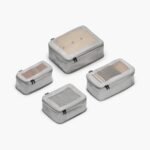
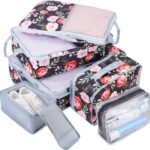
Packing cubes are zippered fabric bags that group items inside a suitcase, backpack, or duffel. You might use one for shirts, one for underwear, and one for workout clothes. They make it easier to find an item without unpacking the whole bag.
Compression cubes use an extra zipper or panel to press soft items into a smaller space. They can reduce the air between clothes, but they do not remove weight. A cube packed with the same clothes weighs the same whether it is compressed or not.
Cubes also do not make a carry-on fit an airline’s rules. The packed bag still has to meet the airline’s size and weight limits, which can differ by carrier and fare. Check your airline’s current baggage rules before you leave.

How to choose the right packing cubes
start with your bag, not with a large cube set. Measure the inside of your suitcase or backpack and think about how you usually pack. A cube that is too wide or tall may waste space, even if its listed capacity seems generous.
Compare these features:
- Size and shape: A mix of small and medium cubes works for many travelers. Long, narrow cubes may suit a backpack; wider cubes may sit better in a suitcase.
- Fabric: Light fabric adds less bulk. Mesh panels help you see what is inside, but they may not keep contents private.
- Zippers: Look for a zipper that moves smoothly and does not snag the fabric. A compression zipper may add bulk and needs room to close.
- Compression: Useful when you need to reduce the space soft clothes take up. It is less useful for stiff items or when your bag is already full.
- Set size: More cubes are not always better. Extra pieces can encourage overpacking and take up space when empty.
- Care: Check the maker’s washing and drying instructions. Some fabrics and coatings may need gentle cleaning.
For a first set, try to match cube sizes to the clothes you pack most. Small cubes can hold socks and underwear; medium cubes often suit shirts or pants. These are starting points, not fixed rules—folding style and garment size change what fits.

How to pack cubes without wasting space
Packing cubes work best when each one has a clear job. They are organizers, not a reason to pack more.
- Lay out what you plan to bring. Remove items you do not expect to use. This is the simplest way to save space and weight.
- Group clothes by use. For example, put sleepwear together and keep clean clothes apart from worn items.
- Choose a cube size for each group. Leave a little room to close the zipper without forcing it.
- Roll or fold clothes consistently. Rolling can make small items easy to see; flat folds may work better for items that crease. Try both with the clothes you own.
- Place the cubes in your bag. Put heavier items near the base of a backpack, and keep items you need soon near the top.
- Keep essentials easy to reach. Do not bury medication, travel documents, or other items you may need during the trip.
If a cube will not close with light pressure, remove an item or use a larger cube. Forcing the zipper can strain it. If the packed cubes leave empty gaps, use small soft items to fill them rather than adding another full cube.

Common mistakes and limits
The most common mistake is buying a large set before checking whether the pieces fit the bag. A cube’s listed size does not tell you how it will sit among the bag’s seams, handles, or other packed items. Compare its measurements with your bag’s usable interior.
Another mistake is treating compression as a way to pack without limits. Compression may save space, but it can make clothes more wrinkled and the cube less flexible. It can also make a bag feel full while leaving no room for souvenirs or a jacket.
Cubes can help keep clean and worn clothes apart, but an ordinary fabric cube may not block odor or moisture. Put damp items in a suitable leak-resistant bag, and let clothes dry when you can. Do not assume a mesh cube is waterproof.
Finally, packing cubes do not replace smart weight checks. If your airline has a carry-on weight limit, weigh the full bag—not just the cubes. Check the carrier’s current rules, since limits can vary.

Care and storage
Follow the care label or the maker’s instructions for your specific cubes. If the label permits, wash them gently and let them dry fully before storing. Avoid putting away a damp cube, since trapped moisture can cause odor or mildew.
Check zippers and seams now and then. Clear lint or loose threads from a zipper path rather than pulling hard on a snag. Store cubes flat or nested together so they do not take up much space between trips.

Frequently asked questions
Are packing cubes worth it for a carry-on?
They can be useful if you want to sort clothes and find items quickly. For a very small personal item, cubes may take up too much room, so compare their packed shape with the space in your bag.
Do compression packing cubes save space?
They can reduce the air between soft clothes. They do not reduce weight, and the amount of space saved depends on the clothes and the cube. Bulky or stiff items may not compress much.
How many packing cubes do I need?
There is no fixed number. Start with two or three cubes in sizes that suit your bag and the clothes you pack. Add more only if you have a clear use for them.
Are packing cubes allowed on U.S. flights?
Packing cubes are ordinary luggage organizers. They do not, by themselves, determine whether a bag meets an airline’s size or weight limits. Check your airline’s current baggage rules for your flight.
Should I choose mesh or solid fabric?
Mesh can make it easier to see what is inside. Solid fabric can offer more privacy. Pick based on what matters to you, and check whether the specific design has mesh, a lining, or any water-resistant feature before you buy.
Can packing cubes go in a washing machine?
Some can, but care instructions vary by fabric and construction. Check the maker’s label first; when instructions are unclear, spot-cleaning and air-drying are the more cautious options.
Conclusion: Which packing cubes should you buy?
For most trips, start with a light, simple set that fits your bag and has two or three useful sizes. Choose compression cubes if saving space for soft clothes is your main goal. Compare Eagle Creek, Thule, Peak Design, and Osprey as starting points, but confirm current features and dimensions before ordering.
The best next step is to measure your bag’s interior, list the items you want to group, and choose cubes that match those needs—not the biggest set on the shelf.


1 thought on “What Are The Best Packing Cubes For Travel: Best Options”