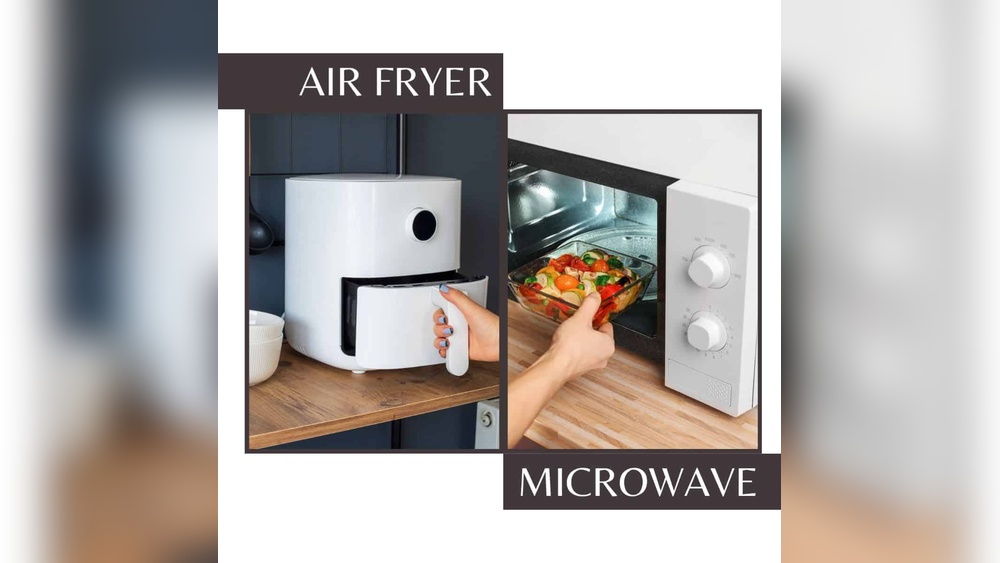
Are you wondering if an air fryer can replace your microwave? You’re not alone.
Many people ask this question as they look for faster, healthier, and more versatile ways to cook. Imagine cutting down your kitchen gadgets without losing the convenience you rely on every day. You’ll discover the real differences between these two appliances and find out which one fits your lifestyle best.
Keep reading—you might be surprised by what you learn.
Credit: www.whirlpool.com
Air Fryer Basics
An air fryer is a popular kitchen tool. It cooks food by circulating hot air around it. Many people use it to make fried foods with less oil. This tool is easy to use and clean.
Understanding the basics helps decide if an air fryer can replace a microwave. Both appliances cook food quickly but in different ways. Knowing how an air fryer works and its features is important.
How Air Fryers Work
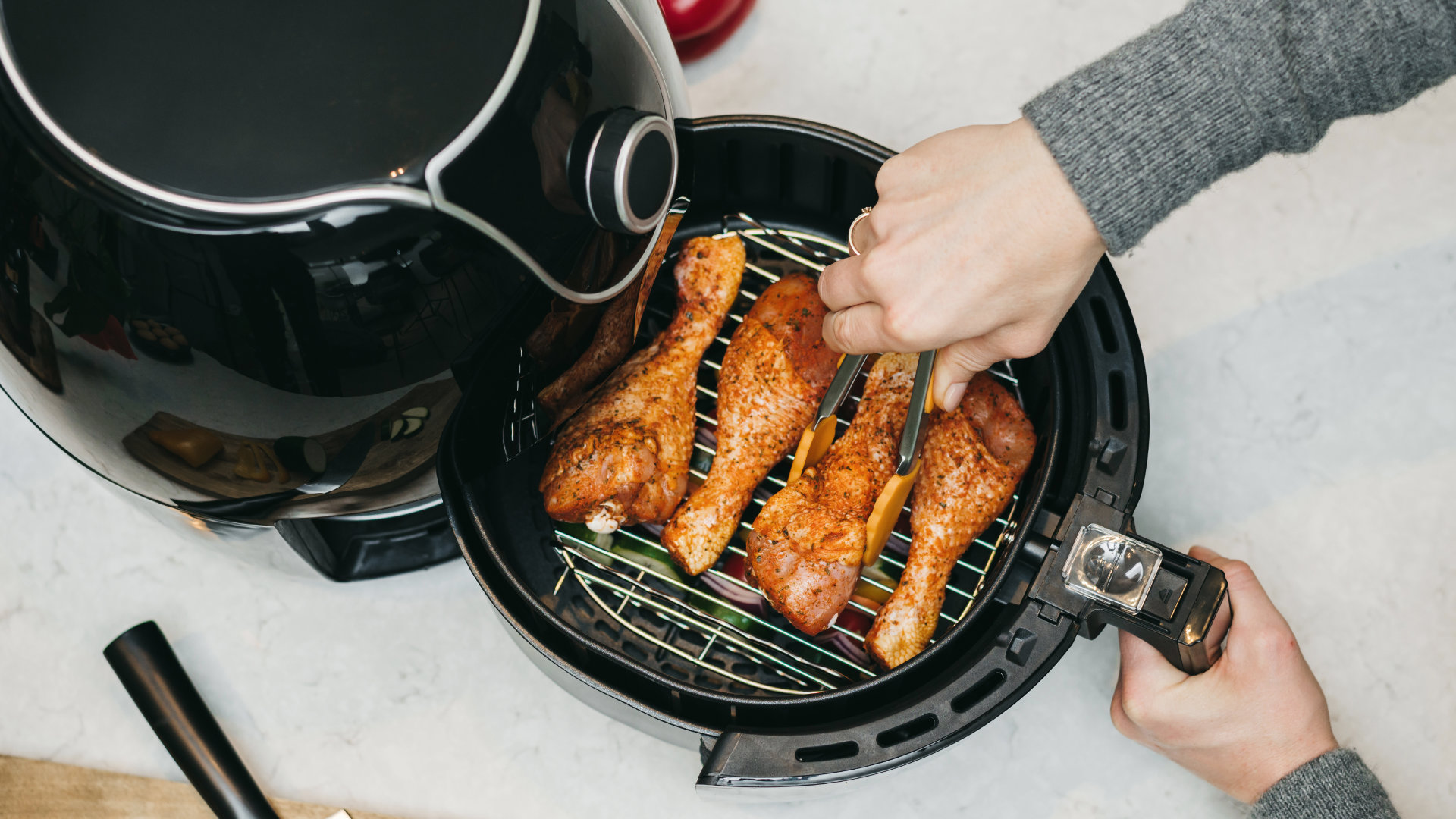
Air fryers use a heating element and a fan. The heating element warms the air inside the fryer. The fan moves this hot air fast around the food. This process cooks the food evenly and makes it crispy.
The air fryer needs little or no oil. It cooks food by drying the surface quickly. This creates a crunchy texture without deep frying.
Popular Features
Most air fryers have adjustable temperature controls. They also have timers to prevent overcooking. Some models come with preset cooking programs. These presets make it easy to cook common foods.
Many air fryers include removable baskets for easy cleaning. Some have extra accessories like racks or skewers. Digital displays and touch controls are common in newer models.
Common Uses
Air fryers cook snacks like fries, chicken wings, and vegetables well. They can bake small cakes or roast nuts too. Some people use them to reheat leftovers.
They work best for foods that benefit from crispiness. Foods that need steaming or defrosting are better in a microwave. Air fryers add a different texture to meals.
Microwave Essentials
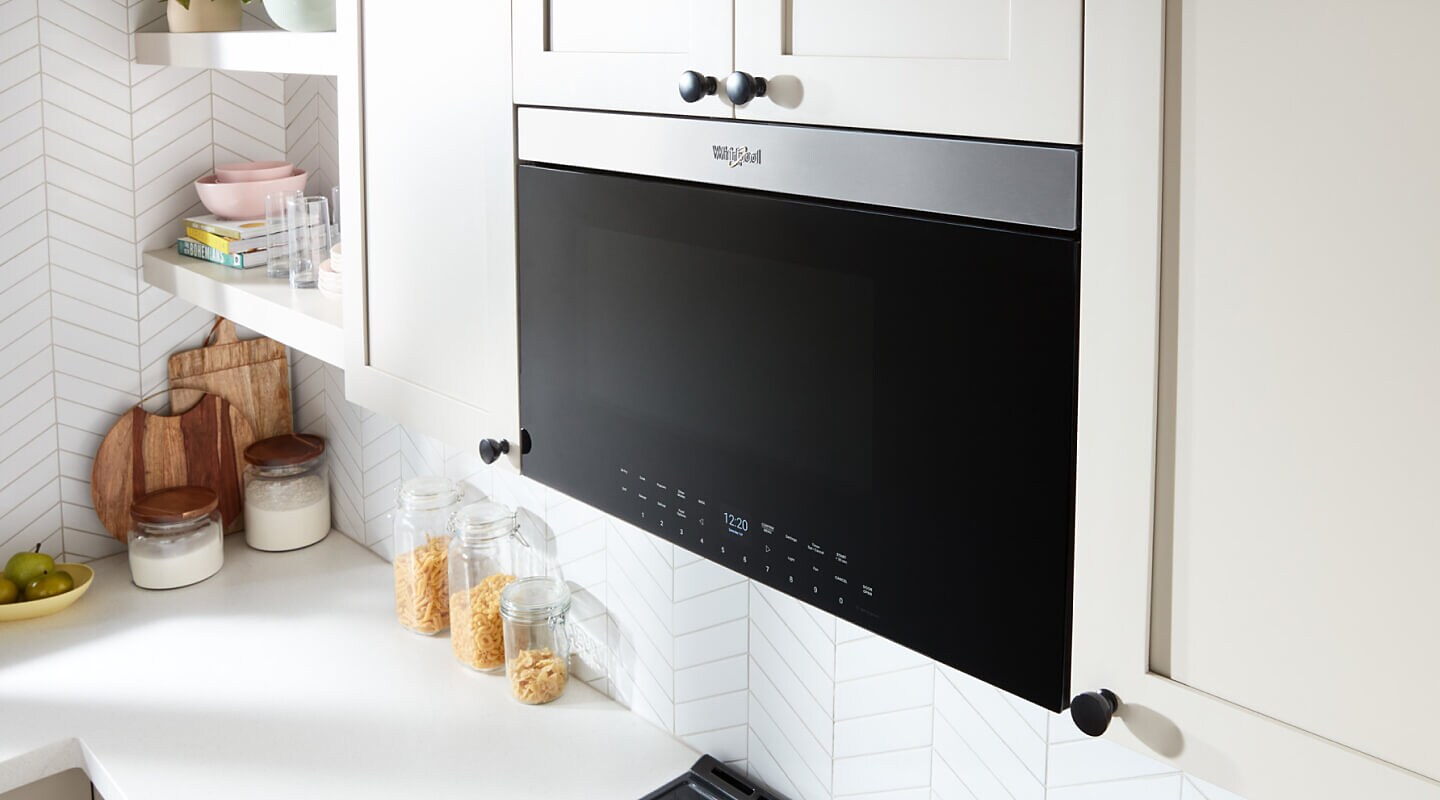
Microwaves are common in many kitchens. They heat food quickly and simply. Understanding how they work helps to see if air fryers can replace them.
Microwaves use a unique method to cook food. They serve specific purposes that differ from other appliances. Knowing these details clarifies their role in daily cooking.
Microwave Cooking Mechanism
Microwaves use electromagnetic waves to heat food. These waves cause water molecules in food to vibrate. The vibration creates heat that cooks the food fast.
This process heats food from the inside out. It is why microwaves cook food quickly and evenly. No need for preheating, unlike ovens or air fryers.
Key Functions
Microwaves heat, defrost, and cook simple meals. They quickly warm leftovers or frozen foods. Some models also have grill or convection options.
They are great for softening butter or melting chocolate. Timers and power settings allow control over cooking speed and intensity.
Typical Applications
Microwaves are ideal for reheating food fast. They thaw frozen items safely and quickly. Many use them for quick snacks or simple meals.
People rely on microwaves for convenience in busy routines. They save time and reduce the need for multiple pots or pans.
Speed And Efficiency
Speed and efficiency are key factors in choosing kitchen appliances. Both air fryers and microwaves offer fast cooking, but their methods differ. Understanding these differences helps decide which suits daily needs better.
Cooking Times Compared
Microwaves heat food quickly by using radiation. They can warm leftovers in minutes. Air fryers use hot air circulation to cook food. This method takes longer than a microwave. For example, reheating pizza in a microwave takes about 1-2 minutes. The same pizza in an air fryer may take 5-7 minutes. Air fryers cook food more evenly but slower.
Energy Consumption
Microwaves generally use less energy for quick tasks. They focus heat directly on food. Air fryers use more power because they heat air and the cooking chamber. For long cooking times, air fryers may consume more electricity. Short tasks are more energy-efficient with a microwave.
Preheating Needs
Microwaves do not need preheating. You can start cooking immediately. Air fryers often require preheating to reach the right temperature. This adds a few minutes before cooking begins. Preheating helps air fryers cook food evenly and crispier. It is an extra step that affects total cooking time.
Credit: instantpoteats.com
Cooking Versatility
Cooking versatility shows how many different foods a kitchen tool can prepare well. Air fryers and microwaves have unique ways of cooking. This affects the types of food they suit and the flavors they create. Understanding these differences helps choose the right appliance for your needs.
Types Of Foods Suitable
Air fryers work best with foods that benefit from crisping. Frozen snacks, fries, chicken wings, and vegetables cook well in air fryers. Microwaves excel at heating liquids, leftovers, and soft foods fast. They handle soups, stews, and steamed vegetables easily. Some foods suit both appliances, but cooking results vary.
Texture And Flavor Outcomes
Air fryers produce a crunchy outer layer. This texture mimics frying but uses less oil. Foods often taste richer and more roasted. Microwaves heat food quickly but do not brown or crisp. They keep food moist but may create uneven texture. Each tool changes food’s texture and flavor in its way.
Recipe Adaptability
Recipes designed for air fryers focus on crisp and roasted results. Many frying recipes adapt well to air frying. Microwave recipes emphasize speed and moisture retention. Some dishes need adjustments to cook evenly in a microwave. Experimenting helps find the best method for each recipe.
Health And Safety
Health and safety play a big role in choosing kitchen appliances. Both air fryers and microwaves affect how food cooks and its safety. Knowing the facts helps you pick the best option for your home.
Nutritional Impact
Air fryers use hot air to cook food, needing less oil. This can lower fat and calories. Microwaves cook food quickly using radiation, which keeps vitamins and minerals. Both methods keep food healthy if used correctly.
Safety Concerns
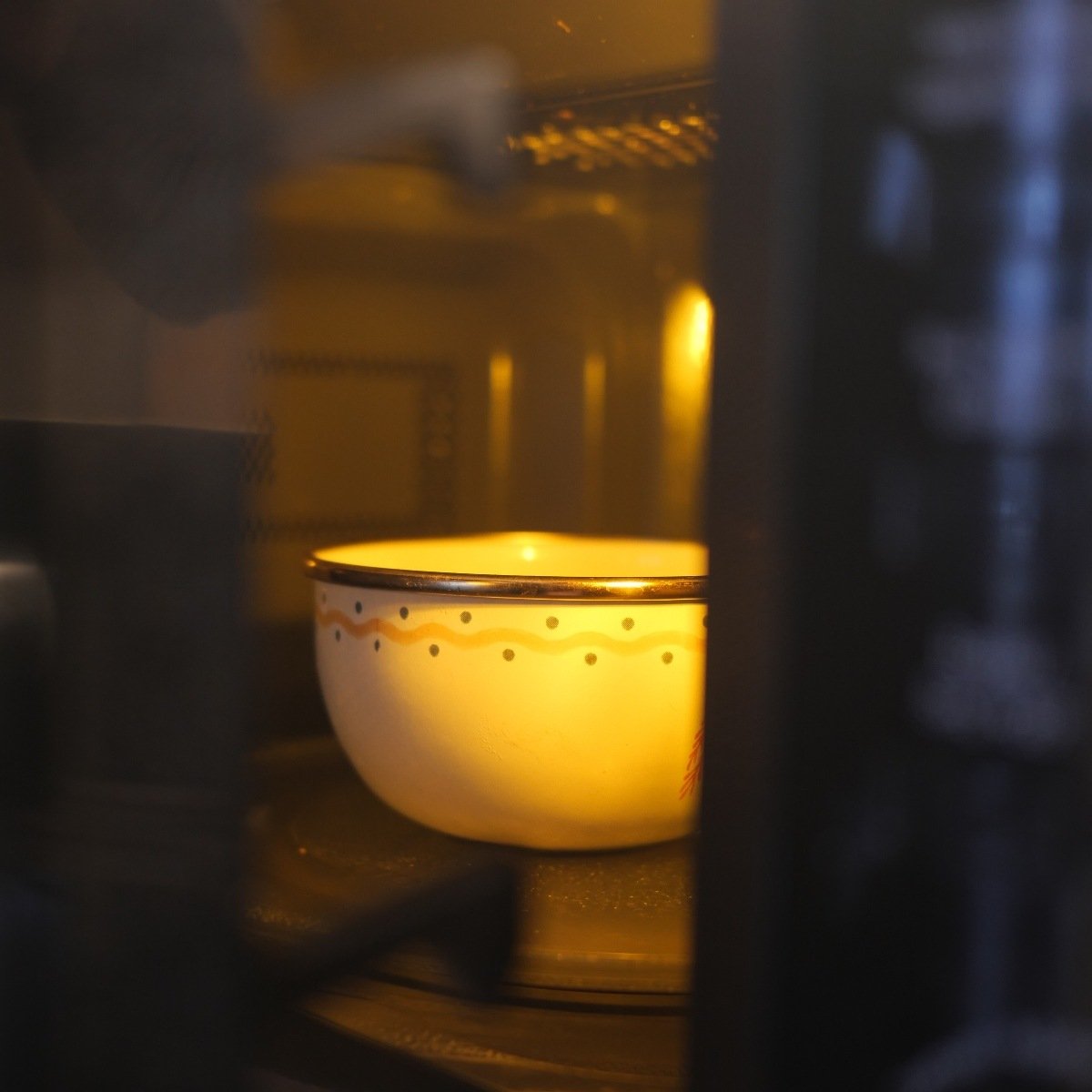
Air fryers get very hot outside and inside. Keep them on stable surfaces and away from children. Microwaves can cause burns from hot containers or steam. Avoid metal inside microwaves to prevent sparks or fires.
Cleaning And Maintenance
Air fryers have baskets that collect grease and crumbs. Clean them after each use to avoid bacteria. Microwaves need their interiors wiped to stop food buildup. Both need regular care for safe, long use.
Space And Convenience
Space and convenience are key factors in choosing kitchen appliances. Both air fryers and microwaves offer unique advantages in these areas. Understanding their differences helps decide which fits your kitchen and lifestyle better.
Kitchen Footprint
Air fryers usually take up more space than microwaves. They have a larger design because of the basket and heating elements. Microwaves are often compact and stackable, fitting easily on counters or shelves. For small kitchens, a microwave may save valuable space.
Ease Of Use
Microwaves are simple to operate with one or two buttons. They heat food quickly with presets for common tasks. Air fryers need more attention to time and temperature settings. They require shaking or flipping food for even cooking. Microwaves suit quick heating, while air fryers need more preparation.
Portability
Air fryers are usually heavier and bulkier. Moving them around requires more effort. Microwaves are lighter and easier to relocate. Both need a power source, but microwaves fit better in different kitchen spots. Portability favors microwaves for flexible kitchen setups.
Cost Considerations
Cost plays a big role when choosing kitchen appliances. Both air fryers and microwaves have different price points. Understanding these costs helps decide which one fits your budget and needs.
Initial Investment
Microwaves usually cost less at first. Basic models are affordable and easy to find. Air fryers can be pricier at the start. They often have more features and newer technology. The price depends on the brand and size of the appliance.
Long-term Expenses
Microwaves use electricity but generally consume less power. Air fryers might use more energy due to longer cooking times. Replacement parts for microwaves are often cheaper. Air fryer parts can cost more if repairs are needed. Both appliances need cleaning supplies, but neither is expensive to maintain.
Value For Money
Microwaves are great for quick heating and defrosting. Air fryers cook food with less oil and can make crispy meals. Consider how often you cook and what meals you prepare. The best value depends on your lifestyle and cooking habits. Choose the appliance that saves time and suits your diet.
When To Choose Air Fryer
Choosing between an air fryer and a microwave depends on what you want to cook. Each appliance has its strengths and fits different kitchen needs. Knowing when to pick an air fryer helps you get better cooking results and enjoy your meals more.
Best Use Cases
An air fryer works great for foods that need to be crispy. It cooks items like fries, chicken wings, and vegetables with a crunchy outside. It also browns food nicely, giving it a fried texture without much oil. The air fryer is ideal for reheating leftovers that lose their crisp in the microwave. It can also bake small treats like muffins or cookies. Cooking with an air fryer often means faster meals than using an oven.
Limitations To Consider
An air fryer does not heat liquids or soups well. It is not good for steaming or boiling. The size of an air fryer basket limits the amount of food cooked at once. Some foods cook unevenly if not shaken or turned during cooking. The air fryer takes longer to cook some meals compared to a microwave. It also uses more electricity for longer cooking times. Cleaning can be harder if food sticks to the basket.
When To Stick With Microwave
Choosing between an air fryer and a microwave can be confusing. Both appliances heat food but serve different purposes. Knowing when to stick with the microwave helps you save time and get better results.
Ideal Scenarios
Microwaves work best for quick tasks. Reheating soups, leftovers, and drinks is fast and easy. They also thaw frozen food evenly without cooking it. Simple meals like instant noodles or steamed vegetables cook well in a microwave. When you need a quick snack or meal, the microwave is a reliable choice.
Drawbacks To Note
Microwaves do not brown or crisp food. They can make bread soggy and fries soft. Uneven heating may leave cold spots, which can be unsafe. Some containers are not microwave-safe and can melt or release toxins. For baking or roasting, microwaves are not suitable. These limits show why air fryers cannot fully replace microwaves.
Credit: fleetappliance.com
Combining Both Appliances
Combining an air fryer and a microwave in your kitchen offers great benefits. Both appliances serve different purposes but work well together. Using them side by side can save time and improve meal quality. Each appliance has its strengths for cooking and reheating food.
Understanding how to use both can help you prepare meals faster. It also lets you enjoy crispy textures and even heating. This combination can make daily cooking easier and more enjoyable.
Complementary Uses
Microwaves heat food quickly by using waves to warm water molecules. This makes them perfect for defrosting or reheating soft foods. Air fryers cook by circulating hot air around the food. They create crispy, browned textures that microwaves cannot.
Use the microwave to heat leftovers fast. Then, finish with the air fryer for a crispy crust. This method works well for pizza, fries, and chicken. It keeps food moist inside and crunchy outside. Both appliances fill in each other’s gaps.
Maximizing Kitchen Efficiency
Having both appliances lets you multitask during meal prep. Microwave frozen vegetables quickly while air frying chicken. This saves time and reduces oven use. It also lowers energy consumption since both devices cook fast.
Small kitchens benefit from this combo. You avoid overcrowding one appliance with all tasks. Use the microwave for quick heat and the air fryer for crisp cooking. This balance makes cooking smooth and less stressful.
Frequently Asked Questions
Can An Air Fryer Fully Replace A Microwave?
An air fryer cannot fully replace a microwave. It cooks differently and takes longer for some tasks.
Which Is Better For Reheating Food, Air Fryer Or Microwave?
Microwaves reheat food quickly and evenly. Air fryers take more time but make food crispier.
Can An Air Fryer Cook All Microwave Recipes?
No, air fryers can’t cook all microwave recipes. Some dishes need microwave’s quick heating method.
Is It Safe To Use An Air Fryer Instead Of A Microwave?
Yes, both appliances are safe but serve different cooking purposes. Use each for best results.
Conclusion
An air fryer can cook food quickly and make it crispy. A microwave heats food fast but does not brown it. Both have different uses in the kitchen. You might need both for different meals. Air fryers take more time but add texture.
Microwaves save time and are easy for reheating. Choose what fits your cooking style best. Each tool helps prepare food in its own way. Think about what you cook most often. This helps decide if an air fryer can replace a microwave.