Are you tired of high electricity bills that keep rising every month? What if a simple change in your home could help you save money without sacrificing comfort?
Ceiling fans might be the answer you’ve been looking for. They don’t just keep your room cool; they can also lower your energy costs in surprising ways. You’ll discover how ceiling fans work to reduce electricity bills and why they could be the smart, affordable solution for your home.
Keep reading to find out how a small switch can lead to big savings.
How Ceiling Fans Affect Energy Use
Ceiling fans can change how much energy your home uses. They do not cool the air but move it around. This movement makes you feel cooler by helping sweat evaporate faster. Fans use electricity, but less than air conditioners. Understanding their energy use helps you save money.
Choosing the right fan and using it well affects your electricity bill. Fans work best with other cooling methods. Knowing how fans compare to air conditioners helps you decide when to use them. Simple steps can make your fan work smarter, not harder.
Energy Consumption Compared To Ac
Ceiling fans use much less power than air conditioners. A typical fan uses about 15 to 75 watts. An air conditioner can use 1000 watts or more. Running a fan costs only a small fraction of running AC. Fans cool people, not rooms. This means you can save energy by using fans instead of AC when it is not very hot.
Optimal Fan Usage For Savings
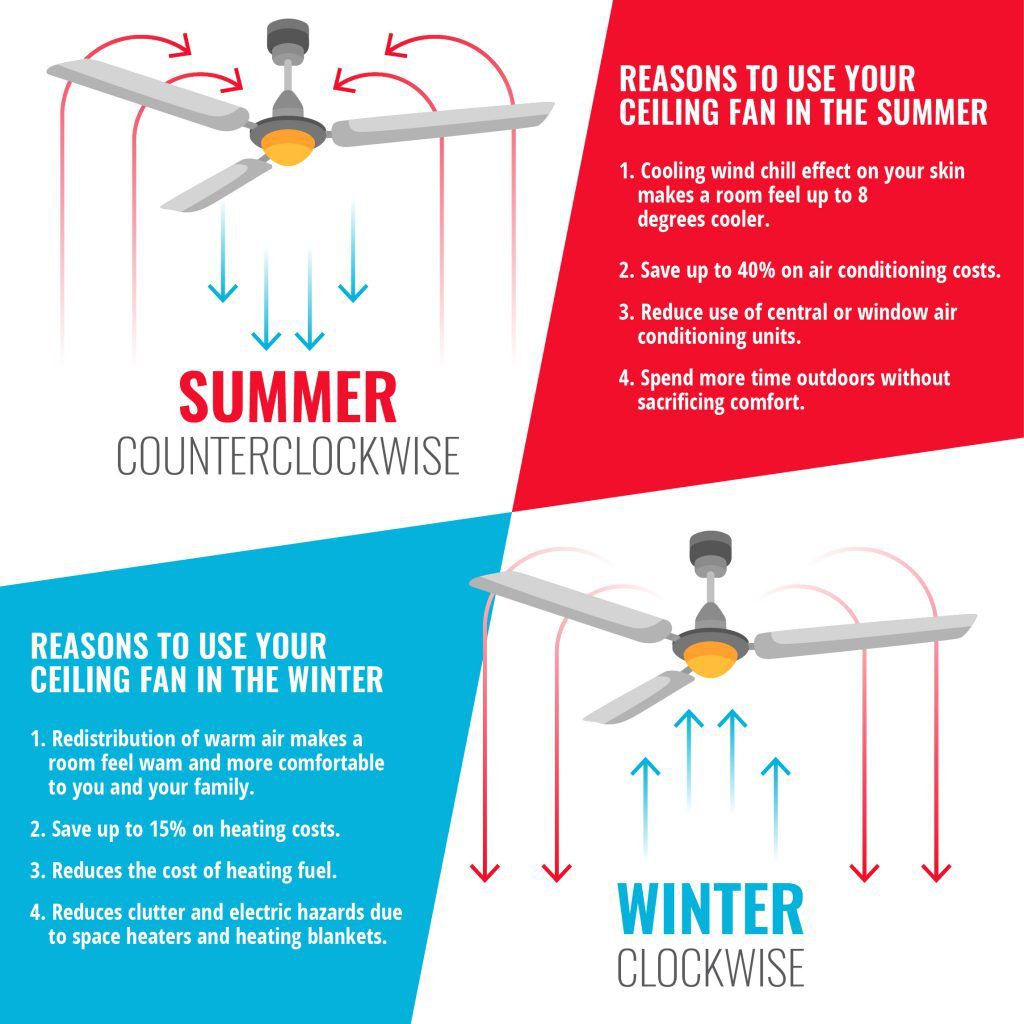
Turn fans off when no one is in the room. Fans cool people, not empty spaces. Use fans with AC to feel cooler at higher thermostat settings. This lets your AC run less and saves energy. Set ceiling fans to spin counterclockwise in summer for a cool breeze. In winter, reverse the fan to push warm air down. Using fans correctly helps reduce energy use and lowers bills.
Credit: blog.solarclue.com
Cooling Benefits Of Ceiling Fans
Ceiling fans offer clear cooling benefits that help reduce electricity bills. They improve air flow and make rooms feel cooler without using much power. Using fans wisely can cut down the need for air conditioning.
Fans do not lower the room temperature but change how we feel. This makes them a cost-effective choice for comfort during warm days.
Air Circulation And Comfort
Ceiling fans move air around the room. This movement helps evaporate sweat from your skin. The process cools your body naturally. Better air flow stops hot spots in rooms. It spreads cooler air evenly. Fans create a fresh feeling without cooling the air itself. This helps you feel comfortable without running an AC unit.
Temperature Perception And Fan Speed
Fans change how we sense temperature. The breeze makes your skin feel cooler. This effect is stronger at higher fan speeds. You can lower the thermostat setting by a few degrees. That reduces electricity use significantly. Adjust fan speed depending on how warm you feel. Lower speeds work well on mild days. Higher speeds help during hot weather. Proper fan use tricks your body into feeling cooler.
Cost Savings With Ceiling Fans
Ceiling fans offer a smart way to save money on electricity. They help cool rooms without using much power. This means you can lower your electric bill while staying comfortable. Using ceiling fans wisely can reduce the need for air conditioning. This section explores how ceiling fans cut costs and affect your monthly bills.
Lowering Air Conditioning Dependence
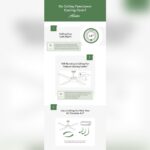
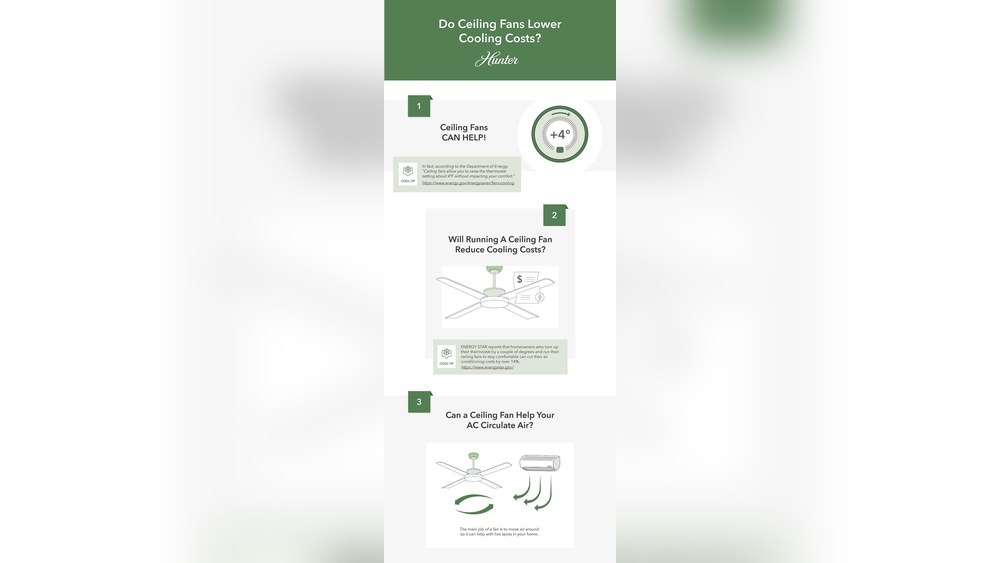
Ceiling fans create a breeze that cools your skin. This cooling effect lets you raise your air conditioner’s thermostat by a few degrees. Raising the thermostat even by 3-4 degrees can save a lot of energy. Fans use less electricity than air conditioners. So, running fans instead of AC lowers your overall power use. Fans work best in rooms where people are present. Turn off fans when leaving a room to save more energy.
Impact On Monthly Electricity Bills
Using ceiling fans can reduce your electricity bills noticeably. Fans consume about 10% of the power used by an air conditioner. This difference adds up to savings over time. The amount saved depends on your climate and fan use. Fans also help cool rooms quickly, reducing AC run time. Combining fans with AC allows for lower energy bills. Regular use of fans is a simple way to cut costs at home.
Credit: strattonheatingandairconditioning.com
Best Practices For Using Ceiling Fans
Ceiling fans can lower electricity bills if used properly. Knowing the best ways to use them makes a big difference. Proper use helps spread cool air and cuts energy use. Here are some key tips to get the most from ceiling fans.
Room Size And Fan Selection
Choose a fan size that fits your room. Small fans work well in small rooms. Big rooms need larger fans with longer blades. A fan that is too small won’t cool the space. Too large a fan wastes energy and can feel uncomfortable.
Effective Fan Placement And Direction
Place the fan in the room’s center for even airflow. Fans should spin counterclockwise in summer to push cool air down. In winter, switch to clockwise to move warm air up. Adjust fan speed to match room temperature and comfort.
Combining Fans With Other Cooling Methods
Use ceiling fans along with air conditioners or open windows. Fans help air move better, so AC units use less power. At night, open windows and run fans for fresh, cool air. This lowers the need for air conditioning and saves money.
Energy-efficient Fan Features
Energy-efficient ceiling fans help reduce electricity bills by using less power. They cool rooms effectively without consuming much energy. Choosing the right features in a fan can lead to noticeable savings on your electric bill. This section explains some key features that make fans energy efficient.
Motor Types And Power Ratings
Ceiling fans come with different motor types. Brushless DC motors use less electricity than traditional motors. They run quietly and last longer too. Power rating shows how much energy a fan uses. Fans with lower power ratings consume less electricity. Choosing a fan with a good motor and low power rating saves money over time.
Smart Controls And Timers
Smart controls let you manage fan speed and operation easily. You can adjust settings using a remote or phone app. Timers allow fans to turn off automatically after a set time. This stops fans from running unnecessarily. Using smart controls and timers reduces wasted energy and lowers your bills.
Common Myths About Ceiling Fans
Many people have wrong ideas about ceiling fans. These myths stop them from using fans well. Clearing up these myths helps save energy and money. Let’s look at some common wrong beliefs about ceiling fans.
Fans Lower Room Temperature
Ceiling fans do not cool the air. They only move the air around. The moving air makes your skin feel cooler. This is called the wind-chill effect. Fans do not change the actual room temperature. Using a fan in an empty room wastes electricity. Fans work best when people are in the room.
Fans Are Ineffective For Energy Savings
Many think fans do not save energy. This is not true. Fans use less electricity than air conditioners. Using fans allows you to raise the thermostat setting. Higher thermostat settings reduce air conditioner use. This lowers your electricity bills. Fans are a cheap way to stay comfortable and save energy.

Credit: www.atempheating.com
Frequently Asked Questions
Can Ceiling Fans Lower My Monthly Electricity Bill?
Yes, ceiling fans use less electricity than air conditioners. They improve air circulation and make rooms feel cooler. This reduces the need for AC, lowering your electricity bill.
How Do Ceiling Fans Save Energy Compared To Ac?
Ceiling fans consume only about 10% of the energy used by air conditioners. They circulate air efficiently, creating a cooling effect without cooling the air, which saves significant energy.
Should I Turn Off Ceiling Fans When Not In Use?
Yes, turn off ceiling fans when no one is in the room. Fans cool people, not rooms, so running them empty wastes electricity and increases your bill.
Can Using Ceiling Fans Reduce Ac Usage Effectively?
Using ceiling fans allows you to raise your AC thermostat by 4°F. This reduces AC runtime and saves electricity, effectively lowering your overall cooling costs.
Conclusion
Ceiling fans help lower electricity bills by using less power than air conditioners. They move air around, making rooms feel cooler and reducing the need for strong cooling. Running a fan with your AC can let you set the thermostat higher.
Fans are affordable and easy to use year-round. They do not cool air but improve comfort by improving airflow. Using ceiling fans wisely can save money on energy costs. Small changes at home add up to big savings over time.
Consider adding fans to keep your home comfortable and energy smart.