Have you ever walked into a room and felt like the air was heavy or stale? The quality of the air you breathe indoors can affect your mood, health, and overall comfort more than you might realize.
What if there was a simple, natural way to freshen up your space without harsh chemicals? Essential oils have gained attention for their potential to improve indoor air quality. But can they really make a difference in your home or office?
Keep reading to discover how essential oils might transform your indoor environment and what you need to know before trying them yourself.
Benefits Of Essential Oils For Air
Essential oils offer several benefits for improving indoor air quality. They come from plants and provide a natural way to freshen the air. Using essential oils can help create a cleaner, healthier environment at home or work.
These oils do more than just add scent. They can purify the air and support well-being. Let’s explore how essential oils can improve the air you breathe.
Natural Air Purifiers
Essential oils act as natural air purifiers. Oils like eucalyptus, lemon, and tea tree can remove bad odors. They break down pollutants and refresh the room. This helps reduce the presence of harmful particles in the air.
Antimicrobial Properties
Many essential oils have antimicrobial effects. Oils such as lavender and peppermint can kill bacteria and viruses. This reduces germs floating in the air. Using these oils supports a cleaner, safer indoor space.
Mood Enhancement
Essential oils also improve mood and reduce stress. Scents like chamomile and orange can calm the mind. A better mood can make your indoor space more pleasant. This adds to the overall feeling of freshness and comfort.
Common Essential Oils For Air Quality
Essential oils can help improve indoor air quality. They work by reducing bacteria, mold, and unpleasant odors. Many people use essential oils in diffusers to freshen up rooms naturally. Some oils also provide calming and refreshing effects. Below are some common essential oils known for air quality benefits.
Lavender
Lavender oil has a fresh, floral scent. It helps reduce airborne bacteria and fungus. Lavender also promotes relaxation and better sleep. This oil is gentle and safe for most spaces. It works well in bedrooms and living areas.
Eucalyptus
Eucalyptus oil has a strong, clean aroma. It is known to clear the air of germs. This oil can reduce dust and allergens indoors. Eucalyptus also helps open nasal passages. It is perfect for use during cold seasons.
Tea Tree
Tea tree oil has a sharp, medicinal smell. It is a powerful natural disinfectant. Tea tree oil fights mold and bacteria in the air. It also helps prevent respiratory issues. Use it in bathrooms or damp areas for best results.
Lemon
Lemon oil has a bright, citrus scent. It neutralizes odors and freshens the air quickly. Lemon oil also has antibacterial properties. It lifts mood and creates a clean feeling indoors. This oil suits kitchens and workspaces well.
Methods To Use Essential Oils Indoors
Essential oils offer a natural way to freshen indoor air. Using them correctly helps improve air quality and creates a calm atmosphere. There are simple methods to spread their benefits indoors. Each method suits different needs and spaces.
Diffusers
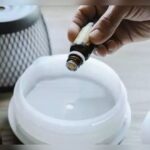
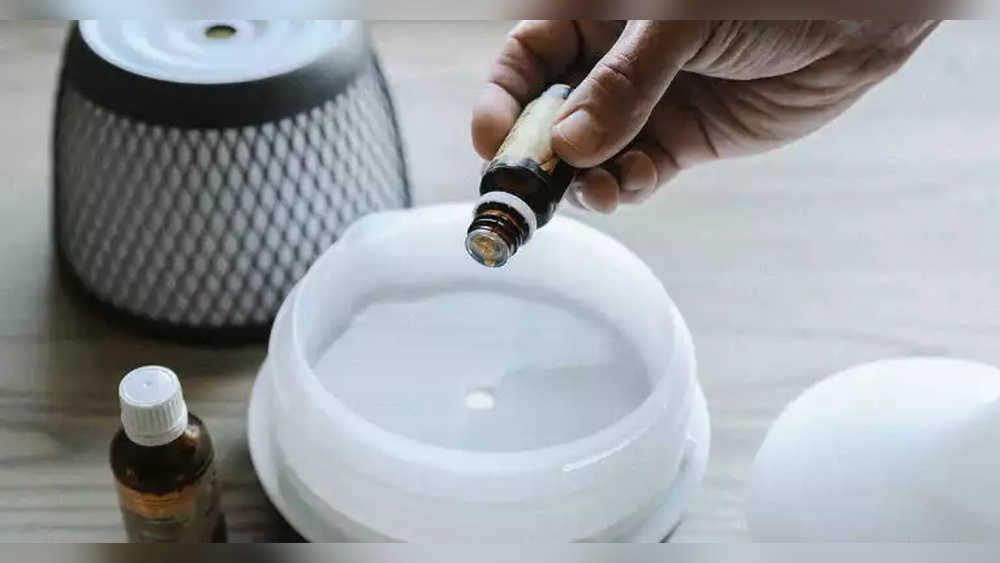
Diffusers release essential oils into the air as a fine mist. They work quietly and cover large rooms easily. Ultrasonic diffusers also add moisture, which helps dry air. Just add water and a few drops of oil. Turn it on and enjoy the fresh scent all day.
Sprays
Sprays are quick and easy to use. Mix essential oils with water in a spray bottle. Shake well before each use. Spray around the room to refresh the air fast. This method is perfect for small spaces or quick bursts of scent. Choose oils like lemon or eucalyptus for a clean smell.
Cotton Balls And Sachets
Cotton balls soaked in essential oils work well in small areas. Place them in drawers, closets, or air vents. Sachets filled with dried herbs and drops of oil also release scent slowly. Both methods keep spaces smelling fresh without electricity. Replace oils every few days for best results.

Credit: shiptons.ca
Scientific Evidence And Studies
Scientific studies explore how essential oils affect indoor air quality. Researchers test different oils to see their impact on air cleanliness and safety. Evidence helps us understand if essential oils can reduce harmful particles in the air.
These studies focus on key areas like killing airborne germs and changing chemical pollutants. The research also shows some limits and gaps. It guides safe and effective use of essential oils indoors.
Airborne Pathogen Reduction
Some essential oils can kill bacteria and viruses in the air. Oils like tea tree and eucalyptus show strong antimicrobial effects. Studies expose germs to these oils and measure how many die. Results often show fewer airborne pathogens after oil diffusion. This may reduce the risk of infections in closed spaces.
Volatile Organic Compounds (voc) Impact
Essential oils release volatile organic compounds into the air. VOCs can affect indoor air quality in good and bad ways. Research measures VOC levels before and after using oils. Some oils lower harmful VOCs by breaking them down. Others add new VOCs that may irritate the lungs. More testing is needed to find safe oils for indoor use.
Limitations Of Current Research
Many studies use small sample sizes or lab settings. Real indoor environments are more complex and variable. Long-term health effects of inhaling essential oils remain unclear. Some oils can cause allergies or respiratory irritation. Research often lacks standard methods and clear dosage guidelines. These limits mean essential oils should be used carefully indoors.
Safety And Precautions
Using essential oils can enhance indoor air quality. Safety matters most when using them. Essential oils are strong and need careful handling. This section explains important safety tips and precautions.
Allergy Risks
Some people may have allergies to essential oils. Symptoms include sneezing, coughing, or skin rash. Test oils on a small skin area first. Stop use if irritation occurs. Keep oils away from your nose if sensitive.
Proper Dilution
Essential oils should never be used undiluted. Mix them with water or carrier oils. Proper dilution reduces risk of irritation or harm. Follow instructions on the product label. Use only a few drops in diffusers or sprays.
Use Around Pets And Children
Pets and children react differently to essential oils. Some oils can be toxic to animals. Keep oils out of reach of kids and pets. Avoid diffusing oils in small, closed rooms. Always check if an oil is safe for your family.
Comparing Essential Oils To Other Air Purifiers
Essential oils offer a natural way to freshen indoor air. Many people compare them to other air purifiers. Each method has its own strengths and limits. Understanding these differences helps choose the best option for cleaner air.
Mechanical Air Filters
Mechanical air filters trap dust, pollen, and pet dander. They clean the air by pulling particles through a mesh. HEPA filters capture very small particles, improving air quality. Essential oils do not remove particles but add scent and may reduce germs.
Filters need regular replacement to stay effective. They work well for allergy relief. Essential oils cannot filter out solid pollutants like smoke or dust.
Chemical Air Fresheners
Chemical air fresheners mask bad smells with synthetic scents. They do not clean or improve air quality. Some release harmful chemicals into the air over time. Essential oils provide natural fragrance without synthetic chemicals.
People sensitive to chemicals often prefer essential oils. These oils can also have mild antibacterial effects. Both options mainly focus on scent rather than air cleaning.
Cost And Maintenance
Mechanical air purifiers can be costly to buy and maintain. Filters must be replaced regularly, adding expense. Chemical fresheners are cheap but need frequent replacement. Essential oils are affordable and require a diffuser, which uses little power.
Diffusers need cleaning but no filter changes. Essential oils last long if stored properly. Choosing depends on budget and how much effort one wants to spend.
Tips For Maximizing Freshness Naturally
Keeping indoor air fresh is important for health and comfort. Using essential oils can help, but combining them with simple habits makes a bigger difference. Here are some easy tips to keep your home smelling clean and feeling fresh naturally.
Ventilation Practices
Open windows daily to let fresh air in. This helps remove stale air and pollutants. Use fans to improve air flow in rooms with little breeze. Ventilate kitchen and bathroom areas well to reduce moisture and odors. Fresh air lowers indoor germs and keeps the space lively.
Combining Essential Oils
Mix different essential oils for a balanced scent. Lavender and lemon create a fresh, calming aroma. Eucalyptus with peppermint helps clear the air and refresh the room. Use a diffuser for even distribution. Change blends often to avoid scent fatigue and keep the air interesting.
Regular Cleaning Routines
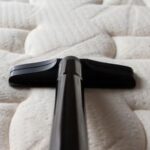
Dust and vacuum regularly to remove dirt that traps odors. Clean surfaces with natural cleaners to avoid harsh chemicals. Wash fabrics like curtains and cushions often to keep them smelling fresh. Clean air filters in HVAC systems to improve air quality. A clean home supports the effects of essential oils.

Credit: miraclebotanicals.com

Credit: escentsaromatherapy.com
Frequently Asked Questions
Can Essential Oils Reduce Indoor Air Pollutants?
Yes, essential oils can help reduce some indoor air pollutants. They have antimicrobial properties that can kill bacteria and mold spores. However, they do not eliminate all harmful particles like dust or smoke. Using oils alongside ventilation improves overall air quality effectively.
Which Essential Oils Improve Indoor Air Quality Best?
Popular essential oils for air quality include tea tree, eucalyptus, lavender, and lemon. These oils have antibacterial and antifungal benefits. They freshen the air and may reduce airborne germs. Choosing high-quality, pure oils ensures better effectiveness and safety.
Are Essential Oils Safe For Indoor Air Use?
Essential oils are generally safe when used properly. Avoid overuse, as strong scents may cause irritation or allergies. Keep oils away from pets and children. Diluting oils in diffusers or sprays helps maintain safe indoor air quality without overwhelming smells.
How Often Should I Diffuse Essential Oils Indoors?
Diffusing essential oils 1-3 times daily for 15-30 minutes is ideal. This frequency refreshes air without causing scent fatigue. Over-diffusing may irritate respiratory systems. Adjust based on room size, ventilation, and personal sensitivity for best results.
Conclusion
Essential oils can help freshen indoor air naturally. They may reduce some odors and germs. Choose oils like eucalyptus or tea tree for best results. Remember, oils do not replace good ventilation and cleaning. Use them safely and in small amounts.
Enjoy a cleaner, fresher space with simple steps. Small changes can make a big difference indoors. Try adding essential oils to your air care routine today.