Have you ever wondered if the plants in your home could do more than just brighten up a room? Imagine if those green friends could actually help you breathe easier and feel healthier every day.
You might be surprised to learn that certain houseplants have the power to improve the air you breathe indoors. But how true is this claim? You’ll discover which plants can make a real difference, how they work, and simple ways to bring cleaner air into your living space.
Keep reading to find out how your next houseplant could be a natural boost for your well-being.

Credit: www.youtube.com
Air Purification By Houseplants
Houseplants do more than decorate a room. They can also clean the air inside your home. Many people believe houseplants remove harmful gases and improve air quality. This section explains how plants purify indoor air and what pollutants they remove. It also looks at scientific studies on this topic.
How Plants Filter Indoor Air
Plants take in air through tiny openings in their leaves called stomata. They absorb carbon dioxide and release oxygen during photosynthesis. At the same time, plants can trap dust and some harmful chemicals on their leaves. Their roots and soil contain microbes that break down pollutants too. This natural process helps clean the air around the plant.
Common Pollutants Removed
Houseplants can reduce several indoor air pollutants. These include formaldehyde, benzene, and trichloroethylene. These chemicals come from furniture, paint, and cleaning products. Plants also help lower levels of carbon monoxide and nitrogen oxides. Dust and airborne particles stick to the leaves, reducing allergens in the air.
Scientific Studies On Air Quality
Research shows plants can improve air quality, but results vary. Some studies confirm plants remove toxins in closed chambers. Real homes have many air exchange factors that affect results. A NASA study found plants reduce certain chemicals in sealed spaces. Recent studies suggest plants help but may need many to impact large rooms. Still, plants create a fresher and cleaner feeling indoors.
Credit: www.mahagro.com
Health Benefits Of Cleaner Air
Cleaner air inside homes can lead to many health benefits. Houseplants help remove harmful toxins and increase oxygen. This creates a fresher and safer environment. Breathing better air supports overall health and comfort.
Simple changes, like adding plants, can reduce health problems linked to poor air. This helps people feel better every day. The benefits go beyond just fresh air. They affect the body and mind in positive ways.
Reducing Allergies And Asthma
Plants absorb dust and airborne particles that trigger allergies. They lower irritants in the air that cause sneezing and coughing. Cleaner air means fewer asthma attacks and less irritation. This helps allergy sufferers breathe easier indoors.
Improved Respiratory Health
Better air quality reduces lung strain and improves breathing. Plants increase oxygen, which supports lung function. This can lower the risk of respiratory infections. Fresh air helps keep the lungs strong and healthy.
Enhanced Mental Well-being
Fresh air from plants can boost mood and reduce stress. Breathing cleaner air improves focus and energy levels. A calm mind supports better sleep and relaxation. Indoor plants create a peaceful space that feels good.
Best Houseplants For Air Quality
Choosing the best houseplants for air quality can make your home healthier. Plants clean the air by removing harmful chemicals and adding oxygen. Different plants suit different needs and spaces. Some require little care, while others are powerful toxin removers. Let’s explore the best options for fresh indoor air.
Low-maintenance Options
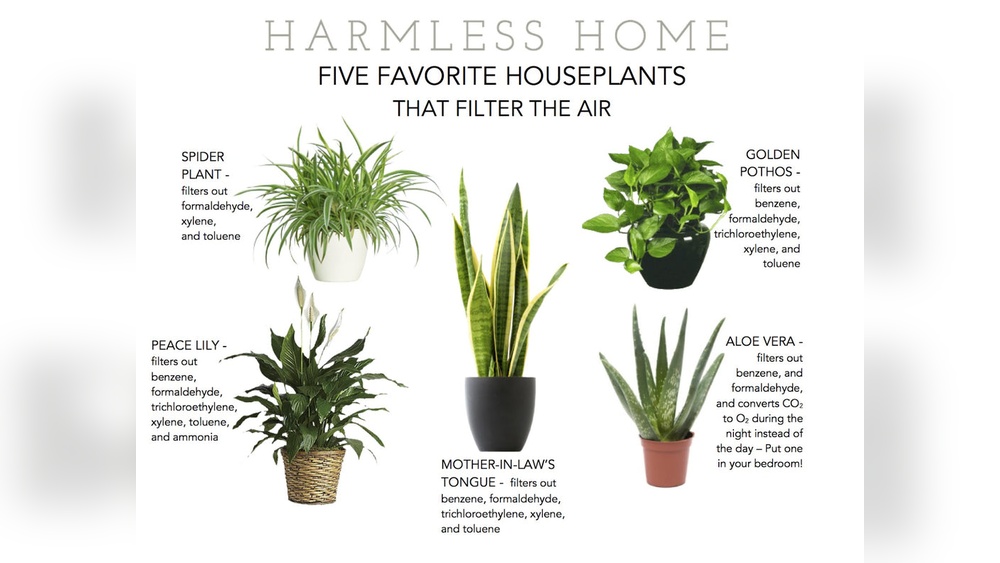
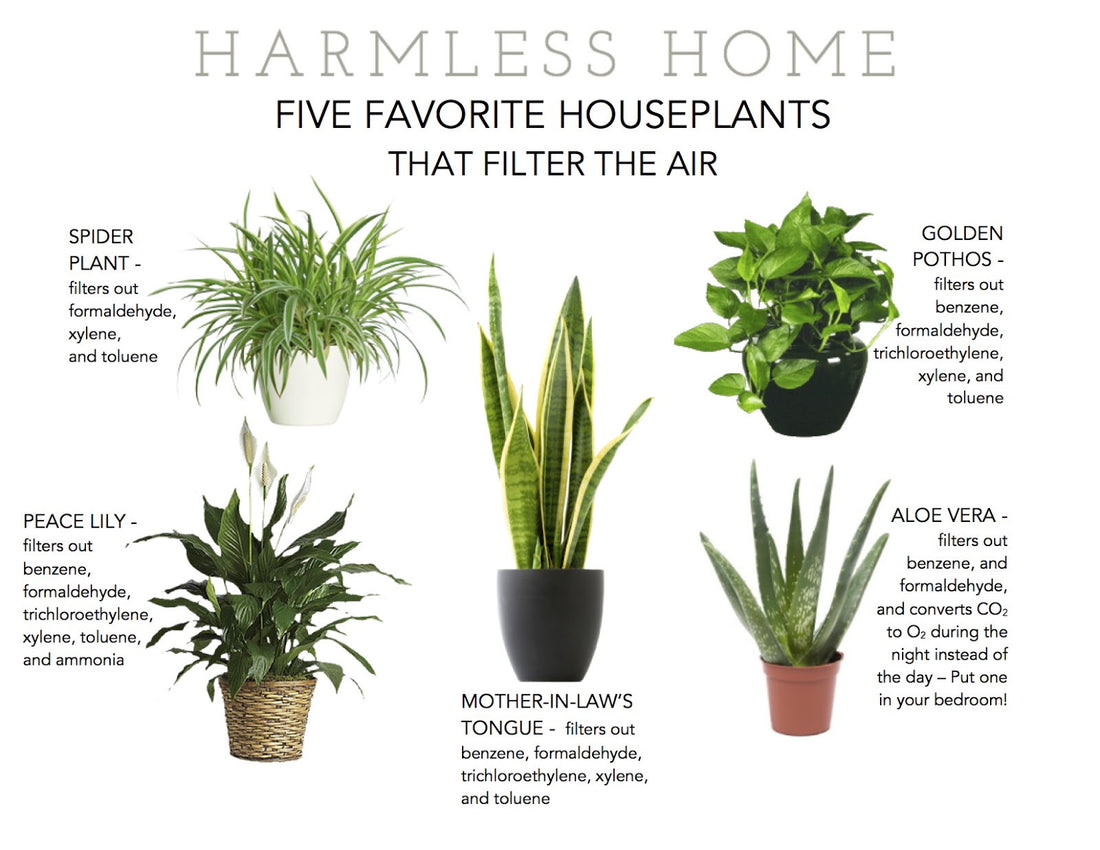
Snake plants thrive with little water and light. They filter formaldehyde and benzene effectively. ZZ plants need minimal care and survive in low light. Spider plants grow fast and remove carbon monoxide. These plants are perfect for beginners or busy people.
Plants That Remove Toxins
Peace lilies absorb ammonia, benzene, and mold spores. Boston ferns reduce indoor air pollutants and add humidity. Aloe vera helps clear formaldehyde and benzene. English ivy reduces airborne fecal particles and mold. These plants improve air by fighting harmful substances.
Plants Suitable For Different Spaces
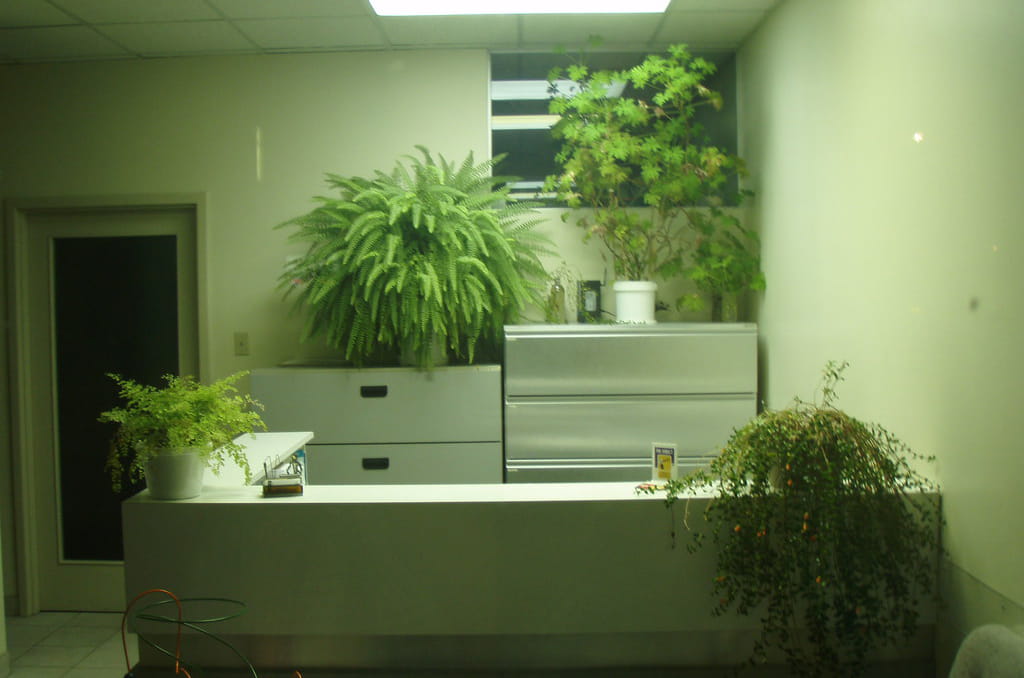
For small rooms, choose compact plants like pothos or spider plants. Large spaces fit well with rubber plants or palms. Bathrooms benefit from ferns that like humidity. South-facing windows are ideal for succulents. Matching plants to your space keeps them healthy and effective.
Credit: drexel.edu
Tips For Maximizing Benefits
Houseplants can improve air quality, but they work best with some care. Simple steps help plants clean the air better. These tips help you get the most from your green friends.
Proper Plant Placement
Place plants where they get enough light. Most air-cleaning plants need bright, indirect sunlight. Avoid dark corners or direct sun that can harm leaves. Spread plants around rooms to improve air flow. Keep them away from heaters or vents. Good placement helps plants breathe and clean air better.
Care And Maintenance
Water plants regularly, but do not overwater. Check soil moisture before watering. Clean leaves with a damp cloth to remove dust. Dust blocks sunlight and air cleaning. Trim dead or yellow leaves to keep plants healthy. Healthy plants remove more toxins from the air.
Combining Plants For Better Results
Use different types of plants together. Each plant removes different air pollutants. Mixing plants creates a stronger air filter. Small plants work well on desks or shelves. Large plants fit nicely in living rooms. Variety helps improve overall air quality more effectively.
Limitations And Considerations
Houseplants bring a fresh look and a touch of nature indoors. Many believe they clean the air around them. Yet, there are limits to what plants can do for air quality. Knowing these limits helps set the right expectations and use plants safely.
Realistic Expectations
Houseplants can remove some toxins from the air. But their effect is small in regular homes. Large spaces and good ventilation matter more. Plants alone cannot replace air purifiers or fresh air. Think of plants as a small help, not a full solution.
Potential Allergens From Plants
Some plants release pollen or spores. These can cause allergies or worsen asthma. Mold can grow in soil if overwatered. This adds to indoor allergens. Choose plants with low pollen and keep soil dry. This reduces allergy risks.
Safety For Pets And Children
Many common houseplants are toxic if eaten. Pets and small children may chew on leaves. This can cause sickness or worse. Learn which plants are safe for your home. Place plants out of reach or pick non-toxic types. Safety is key when living with pets or kids.
Frequently Asked Questions
Can Houseplants Really Improve Indoor Air Quality?
Yes, houseplants can improve indoor air quality by absorbing toxins. They release oxygen and increase humidity, creating a healthier environment. Some plants filter harmful chemicals like formaldehyde and benzene effectively.
Which Houseplants Are Best For Air Purification?
Snake plants, spider plants, and peace lilies are excellent air purifiers. They remove pollutants and require low maintenance. These plants thrive indoors and significantly enhance air quality in homes.
How Many Houseplants Do I Need For Clean Air?
Generally, at least one plant per 100 square feet helps improve air quality. More plants increase the benefits by filtering more toxins and adding moisture to the air. Balance plants with available space and light.
Do Houseplants Reduce Allergens Or Dust Indoors?
Houseplants can reduce dust by trapping particles on leaves. Some also decrease airborne mold spores, improving allergen levels. Regular leaf cleaning enhances their air-purifying efficiency in your home.
Conclusion
Houseplants can help improve indoor air quality. They absorb some harmful chemicals and add oxygen. Plants also increase humidity, making the air feel fresher. While they don’t replace good ventilation, they support a healthier home. Choose easy-care plants like spider plants or snake plants.
Place them in rooms you use often. Enjoy cleaner air and a nice green touch. Small steps like this make a difference. Why not try adding a few plants today?