Do you often wake up with a dry throat or itchy skin? Is the air in your home feeling uncomfortable and parched?
Dry air can cause more problems than you might think, affecting your comfort and health. But what if there was a simple way to bring relief? A humidifier might be the answer you’re looking for. You’ll discover how a humidifier can improve your indoor air, ease your symptoms, and create a more comfortable living space.
Keep reading to find out if this small device could make a big difference for you.
Credit: downtowneyecare.ca
Effects Of Dry Air On Health
Dry air can affect your health in many ways. It removes moisture from the skin and airways. This can cause discomfort and make you feel unwell. Breathing dry air for a long time can lead to more serious health problems. Understanding these effects helps you take better care of yourself.
Common Symptoms Caused By Dry Air
Dry air often causes itchy eyes and a sore throat. Many people experience a dry cough or runny nose. It can also make you feel tired or have headaches. These symptoms may seem small but can affect your daily life. They show your body needs more moisture.
Impact On Skin And Respiratory System
Skin becomes dry, flaky, and cracked in low humidity. This increases the risk of infections and irritation. The respiratory system also suffers from dry air. Airways can become inflamed, making breathing harder. People with asthma or allergies may feel worse. Moist air helps keep these systems healthy and comfortable.

Credit: higginsvisioncare.com
How Humidifiers Work
Humidifiers add moisture to dry air inside homes and offices. They help improve air quality and comfort. Understanding how humidifiers work shows why they are useful in dry environments.
Types Of Humidifiers
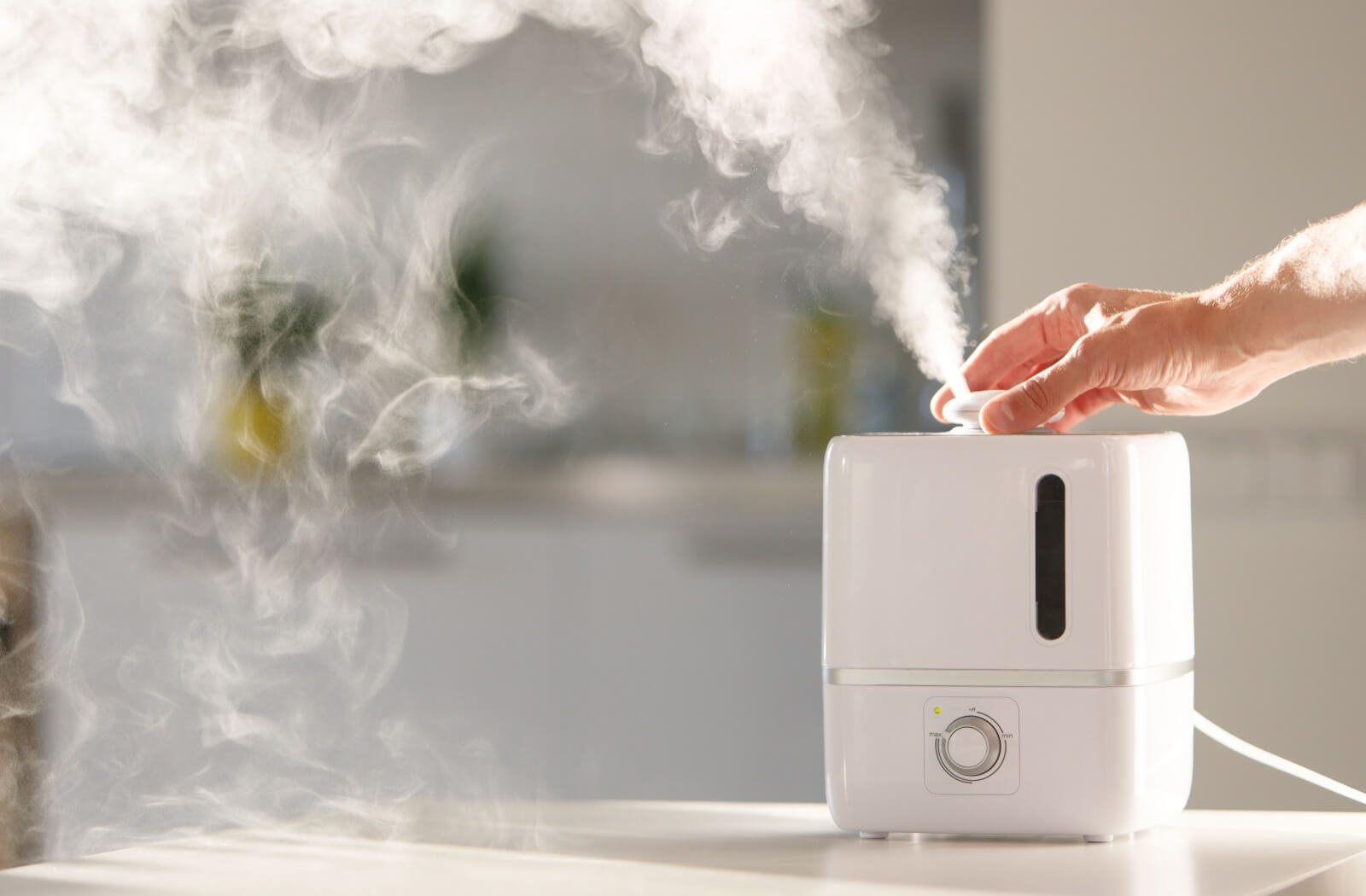
There are several types of humidifiers available. Cool mist humidifiers release a fine, cool water vapor. Warm mist humidifiers boil water to create steam. Ultrasonic humidifiers use vibrations to make a fine mist. Each type works a bit differently but aims to increase air moisture.
Mechanism Of Moisture Release
Humidifiers pull water from a tank or reservoir. Cool mist types use a fan or ultrasonic waves to spread water droplets. Warm mist models heat water until it turns to steam. This steam cools down before leaving the device. The moisture then mixes with the dry air, raising humidity levels.
Benefits Of Using A Humidifier
Using a humidifier offers many benefits. It adds moisture to dry air. This helps improve comfort and health inside your home. Dry air can cause many problems. A humidifier helps reduce those problems by keeping air moist.
Relief From Dry Skin And Irritation
Dry air can make your skin itchy and flaky. It can cause irritation and redness. A humidifier adds moisture to the air. This keeps your skin hydrated and soft. It helps prevent dryness and discomfort. Using a humidifier can soothe irritated skin and lips.
Improved Breathing And Sleep Quality
Dry air can make breathing harder. It can cause a dry throat and nasal passages. A humidifier moistens the air you breathe. This can ease breathing and reduce coughing. It helps keep your airways clear. Many people find it easier to sleep with humidified air.
Protection For Home Interiors
Dry air can damage wooden furniture and floors. It can cause cracks and warping. A humidifier adds moisture to the air. This helps protect wood and paint in your home. It keeps items from drying out and breaking. Using a humidifier can extend the life of your home interiors.
Choosing The Right Humidifier
Choosing the right humidifier can improve your indoor air quality. It helps keep the air moist, which feels better for your skin and breathing. The key is to pick a humidifier that fits your space and needs. This guide will help you decide what to consider before buying one.
Consider Room Size And Humidity Needs
Measure the room where you want to use the humidifier. Small rooms need small humidifiers. Larger rooms need bigger ones or more powerful units. Check the current humidity level with a hygrometer. Ideal humidity is between 30% and 50%. Choose a humidifier that can raise humidity to this range without overdoing it.
Features To Look For
Look for adjustable mist levels. This lets you control moisture output. Automatic shut-off is important for safety. Some models have built-in humidistats. These turn the unit off when the room reaches the set humidity. Quiet operation is good for bedrooms or offices. Also, check if the humidifier uses cool mist or warm mist. Cool mist is safer around children and pets.
Maintenance And Cleaning Tips
Regular cleaning prevents mold and bacteria growth. Empty the water tank daily and let it dry. Clean the tank and base with vinegar or mild soap once a week. Replace filters as the manufacturer advises. Proper maintenance keeps the humidifier working well and air healthy. A clean humidifier helps avoid health problems.
Safe Usage Practices
Using a humidifier can improve dry air, but safe practices are important. Proper use keeps the air fresh and your home healthy. Follow these tips to avoid common problems and get the best results.
Avoiding Over-humidification
Too much moisture in the air can cause discomfort. Keep humidity levels between 30% and 50% to stay safe. Use a hygrometer to check the room’s humidity. Turn off the humidifier if the room feels damp. Over-humidification can cause condensation on walls and windows. This may lead to damage and unhealthy air.
Preventing Mold And Bacteria Growth
Humidifiers can breed mold and bacteria if not cleaned well. Empty and dry the water tank daily to stop germs. Clean the device once a week with vinegar or mild soap. Use distilled or filtered water to reduce mineral buildup. Replace filters and parts as the manufacturer suggests. Clean humidifiers help keep the air clean and safe to breathe.
Additional Tips For Combating Dry Air
Dry air can cause discomfort, dry skin, and even breathing problems. Using a humidifier helps, but there are other ways to add moisture to your environment. Simple actions can improve air quality and make your home feel more comfortable.
Natural Moisture Boosters
Houseplants add natural humidity. They release moisture during photosynthesis. Some good options are spider plants, ferns, and peace lilies. Place them in rooms where you spend time.
Boiling water on the stove creates steam. It adds moisture quickly. You can also hang damp towels or clothes inside. As they dry, they release water into the air.
Lifestyle Adjustments For Comfort
Drink plenty of water to stay hydrated. It helps your skin and body fight dry air effects. Avoid long, hot showers as they dry out your skin. Use gentle soaps and moisturizers after washing.
Keep windows closed during very cold or dry weather. This stops dry outside air from entering. Use a fan to circulate air but not to blow dry air directly on you.
:max_bytes(150000):strip_icc()/humidifier-for-skin-2000-79948157a92849e6a1ca3c6da2bf7227.jpg)
Credit: www.realsimple.com
Frequently Asked Questions
Can A Humidifier Relieve Dry Air Symptoms?
Yes, a humidifier adds moisture to dry air, easing symptoms like dry skin, throat irritation, and congestion effectively.
How Does A Humidifier Improve Indoor Air Quality?
Humidifiers maintain optimal humidity levels, reducing dust, allergens, and static electricity, thus enhancing overall indoor air comfort and health.
Which Humidifier Type Is Best For Dry Air?
Ultrasonic and evaporative humidifiers are most effective for dry air due to their efficient moisture output and quiet operation.
Can Humidifiers Prevent Dry Skin In Winter?
Yes, humidifiers keep skin hydrated by increasing indoor moisture, helping prevent dryness and irritation during cold, dry winter months.
Conclusion
Dry air can cause many problems at home and for health. A humidifier adds moisture to the air. It helps reduce dryness in skin, throat, and nose. Using one can make breathing easier, especially in winter. It also protects wooden furniture from cracking.
Keep the humidifier clean to avoid germs. Choose the right size for your room. Small steps like this improve comfort every day. Humidifiers offer simple relief from dry air issues. Worth trying for a healthier, cozier space.