Are you tired of digging through cluttered shelves every time you need a spice or ingredient? Imagine opening your kitchen cabinets and instantly finding exactly what you want—no more wasted time or frustration.
Kitchen labels can be the simple change that transforms your space from chaos to calm. You’ll discover how adding clear, easy-to-read labels can boost your kitchen’s organization, save you time, and even reduce food waste. Keep reading to find out how this small tweak can make a big difference in your daily routine.

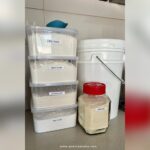
Credit: www.amazon.com
Benefits Of Kitchen Labels
Kitchen labels bring many benefits to home cooks. They make your kitchen more organized and easier to use. Clear labels help find ingredients fast and keep your space neat. Simple labels reduce stress and improve your cooking experience.
Saving Time During Cooking
Labels help you find ingredients quickly. No more searching through jars or boxes. You spend less time looking and more time cooking. This speeds up meal preparation and keeps you focused on your recipe.
Reducing Food Waste
Labels show what is inside containers and when it expires. You use food before it goes bad. Clear labels help avoid buying duplicates. This saves money and reduces waste in your kitchen.
Enhancing Meal Prep Efficiency
Labels make meal prep easier and faster. You can grab exactly what you need without guessing. Organized ingredients help you plan meals better. This makes cooking smoother and less stressful.

Credit: www.tinylandus.com
Types Of Kitchen Labels
Kitchen labels come in many types. Each type helps organize your kitchen in a different way. Choosing the right labels makes your kitchen tidy and easy to use. Labels can be reusable or permanent, simple or decorative. This section explains the main types of kitchen labels to consider.
Chalkboard And Dry-erase Labels
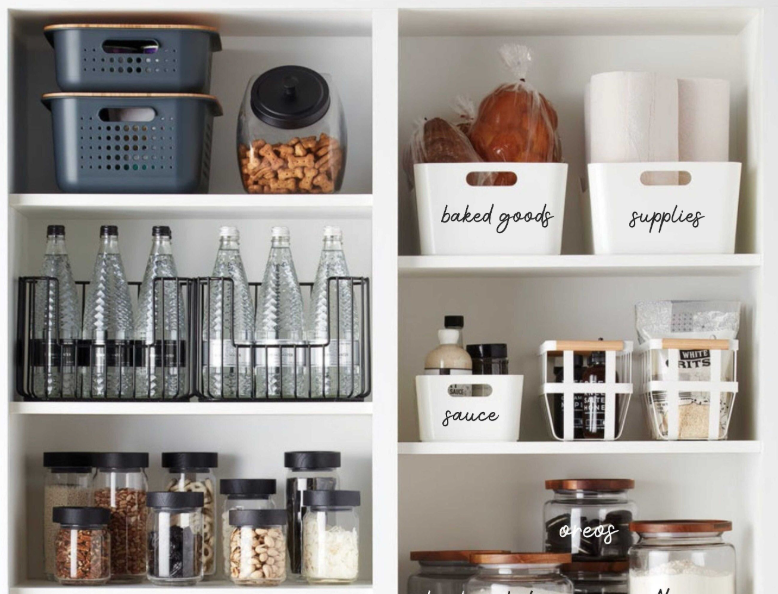
Chalkboard and dry-erase labels allow easy writing and erasing. Use chalk or dry-erase markers to name containers. Great for changing contents often. They stick well on jars, bins, and bottles. These labels give flexibility and save paper.
Printable And Customizable Stickers
Printable stickers let you create labels on your computer. Choose fonts, colors, and designs to fit your style. Print and stick them on any surface. Customizable stickers help match your kitchen decor. They make organizing neat and clear.
Waterproof And Durable Tags
Waterproof labels resist water, oil, and stains. Perfect for kitchens with moisture and spills. Durable tags last long on plastic, glass, or metal containers. These labels keep names visible and readable. Ideal for pantry items and freezer storage.
Label Placement Tips
Proper label placement can make kitchen organization easier and faster. Clear, visible labels help find items quickly. They also keep the kitchen neat and reduce clutter. Thoughtful label placement saves time and avoids confusion. Below are tips for placing labels effectively in your kitchen.
Organizing Pantry Shelves
Place labels at eye level on pantry shelves. This makes it easy to spot items without moving containers. Use large, bold fonts for better readability. Stick labels on the front edge or center of shelves. Group similar items and label each section clearly. Consistent label placement improves pantry order and speed.
Labeling Containers And Jars
Put labels on the container’s front or lid. Choose spots that are easy to see and read. Use waterproof labels to avoid smudging from spills. Match label size to container size for neat appearance. Write contents in simple words to avoid confusion. Proper label placement keeps containers organized and accessible.
Marking Expiry Dates Clearly
Place expiry date labels in a consistent spot on packages. The top or near the opening works well for quick checks. Use bright colors or bold text for expiry dates. This helps spot old items fast and reduces waste. Make sure labels are easy to read even in low light. Clear expiry date labels keep your kitchen safe and fresh.
Diy Kitchen Label Ideas
DIY kitchen labels bring order to your cooking space. They make it easy to find ingredients and tools quickly. Simple labels help reduce clutter and save time. You can create labels that fit your style and needs. Here are some easy and fun ideas to try at home.
Creative Handwritten Labels
Handwritten labels add a personal touch to your kitchen. Use a thick black marker or brush pen for clear writing. Write the name of the item in simple, large letters. Try different handwriting styles to match your kitchen’s look. Write on plain white paper or colored cardstock for variety. Cover with clear tape or laminate for durability. It’s an easy and cheap way to organize your jars and containers.
Using Color Codes
Color-coded labels help you find items faster. Assign a color to each food group like spices, baking supplies, or snacks. Use colored stickers or markers to make the labels stand out. This method works well if you have many containers. Colors make it easier to spot what you need. It also helps kids identify food items quickly. Keep the color scheme simple for easy memory.
Upcycling Materials For Labels
Use old materials to create unique kitchen labels. Cut labels from cardboard, bottle caps, or old magazines. Paint or write the item name on these recycled pieces. Attach with glue, string, or tape to jars and boxes. This idea saves money and reduces waste. It also adds a rustic or vintage look to your kitchen. Upcycled labels show creativity and help the environment.
Maintaining Your Labeled Kitchen
Maintaining your labeled kitchen keeps it neat and easy to use. Labels can lose their meaning over time. New items arrive. Old items get used up. Regular care helps your system stay useful and clear.
Regularly Updating Labels
Check your labels often. Change names if contents change. Remove labels from empty containers. Add new labels for new items. This helps avoid confusion and keeps your kitchen organized.
Cleaning And Care Tips
Wipe labels gently with a damp cloth. Avoid harsh scrubbing to prevent damage. Use waterproof labels for areas near water. Keep labels dry to last longer. Clean containers before relabeling.
Encouraging Family Participation
Ask family members to use and respect labels. Teach kids to read and follow labels. Make labeling a shared task. This keeps the kitchen organized and saves time for everyone.
Credit: www.liene-life.com
Frequently Asked Questions
How Do Kitchen Labels Improve Organization?
Kitchen labels clearly identify contents and locations. They reduce clutter and save time finding items. Labels help maintain order and prevent confusion in busy kitchens.
What Types Of Kitchen Labels Are Most Effective?
Durable, waterproof, and easy-to-read labels work best. Clear fonts and color coding enhance visibility. Removable labels allow flexibility for changing items.
Can Kitchen Labels Reduce Food Waste?
Yes, labels with dates help track freshness. This practice encourages using older items first. It prevents spoilage and reduces unnecessary food waste.
Are Kitchen Labels Suitable For All Storage Areas?
Yes, labels can be used on jars, shelves, and containers. They work well in pantries, refrigerators, and cabinets. Proper labeling ensures consistent organization throughout the kitchen.
Conclusion
Kitchen labels help keep your space neat and easy to use. They save time by showing where things belong. You can find items faster and avoid messes. Labels also help everyone in the home stay organized. Small effort, big results.
Try adding labels to your kitchen today. See how simple changes bring calm and order. A tidy kitchen feels good and works better. Organization starts with clear, simple steps like labeling.