Are you wondering if your kitchen shelves can safely hold heavy appliances? It’s a question that matters because using the wrong shelves can lead to accidents or damage to your appliances.
You want your kitchen to be both stylish and functional, but safety comes first. You’ll discover how to choose the right shelves, what weight limits to look for, and simple tips to make sure your appliances stay secure. Keep reading to protect your kitchen and make the most of your space!

Credit: us.amazon.com
Weight Limits Of Common Kitchen Shelves
Kitchen shelves have limits on how much weight they can hold. These limits depend on the shelf material and how it is fixed to the wall. Knowing these limits helps avoid accidents and damage to your kitchen.
Different shelves support different weights. Some can hold heavy appliances, while others are better for light items. Choosing the right shelf keeps your kitchen safe and organized.
Wooden Kitchen Shelves
Wooden shelves are common in many kitchens. They usually hold between 20 to 40 pounds per linear foot. Thicker wood can support more weight. Proper brackets also increase strength.
Metal Kitchen Shelves
Metal shelves are strong and durable. They can support 50 to 100 pounds or more per shelf. Metal brackets and wall anchors improve their load capacity. Metal shelves suit heavy kitchen appliances well.
Glass Kitchen Shelves
Glass shelves look modern but have lower weight limits. They usually hold 15 to 25 pounds. Tempered glass is stronger but still not ideal for heavy items. Use glass shelves for light kitchen tools.
Floating Kitchen Shelves
Floating shelves have hidden supports. Their weight limit depends on anchors and shelf material. Most hold 20 to 30 pounds safely. Heavy appliances may cause damage if weight limits are exceeded.

Credit: www.amazon.com
Materials That Support Heavy Loads
Kitchen shelves must be strong to hold heavy appliances safely. The material used affects how much weight the shelf can carry. Some materials work better for heavy loads. Choosing the right material helps avoid accidents and damage.
Wood, metal, and glass are common shelf materials. Each has different strength levels and uses. Understanding these materials helps pick the best shelf for your kitchen appliances.
Solid Wood Shelves
Solid wood is a strong and durable material. Hardwoods like oak, maple, and walnut hold weight well. They resist bending and can support heavy kitchen tools. Wood also adds a warm, natural look to kitchens.
Proper thickness matters. Thicker wood shelves hold more weight. Support brackets or braces increase strength further.
Metal Shelves
Metal shelves offer excellent strength and durability. Steel and aluminum are popular metals for shelves. Steel supports very heavy loads without bending. Aluminum is lighter but still strong.
Metal shelves work well in modern and industrial kitchens. They resist moisture and stains better than wood.
Tempered Glass Shelves
Tempered glass is stronger than regular glass. It can hold medium to heavy appliances if thick enough. Glass shelves give a clean and stylish look.
Thicker glass and proper mounting are key. Glass breaks under impact, so use caution with very heavy items.
Types Of Shelving Brackets And Their Strength
Kitchen shelves need strong support to hold heavy appliances safely. The right shelving brackets make a big difference. Different types offer various strength levels. Knowing these types helps choose the best one for your kitchen needs.
Brackets come in many shapes and sizes. Each type supports weight differently. Some fit well with heavy items. Others work better for light loads. Understanding their design and strength can protect your shelves and appliances.
Angle Brackets
Angle brackets are L-shaped metal pieces. They attach to the wall and shelf bottom. These brackets provide good support for medium-weight items. Their strength depends on size and material. Steel angle brackets hold more weight than plastic ones. Use screws suitable for your wall type to secure them well.
Floating Shelf Brackets
Floating brackets hide inside the shelf. They create a clean, modern look. These brackets rely on strong metal rods. Proper installation is key to holding heavy appliances. Choose thick, well-made brackets for better strength. Floating brackets work best with sturdy wall anchors.
Tilted Brackets
Tilted brackets lean back against the wall. Their angle helps spread weight evenly. This design improves shelf stability. They are good for holding bulky kitchen tools. Use heavy-duty tilted brackets for extra support. They also add a stylish touch to your kitchen.
Heavy-duty Brackets
Heavy-duty brackets are made for maximum strength. Usually constructed from thick steel or iron. They support very heavy appliances easily. Look for brackets with extra reinforcements or double arms. These brackets may cost more but ensure safety. Ideal for kitchens with many heavy gadgets.
How To Measure Appliance Weight Accurately
Knowing the exact weight of your kitchen appliance is key before placing it on a shelf. Shelves have weight limits, and exceeding them can cause damage or accidents. Measuring the appliance weight correctly helps keep your kitchen safe and organized.
This process is simple and requires just a few tools. Accurate measurement ensures your shelves can hold the appliance without risk. Follow these clear steps to get the right weight.
Use A Bathroom Scale For Small Appliances
Place the scale on a flat surface. Turn on the scale and zero it out. Gently set the appliance on the scale. Read the number shown. This gives a close estimate of the weight.
Weigh Large Appliances With A Floor Scale
For heavy items, use a floor scale at a store or home. Carefully lift the appliance and place it on the scale. Note the weight displayed. This method is safer and more accurate.
Check Manufacturer’s Label Or Manual
Look for the weight info on the appliance label. Often, it is on the back or bottom. The user manual may also list the weight. This saves time and effort.
Use A Weight Estimator App
Some apps help estimate weight based on size and material. Enter appliance dimensions and type. The app calculates an approximate weight. It’s useful if you can’t weigh the appliance directly.
Consider Packaging Weight
Remember to subtract the packaging weight from the total. Weigh the appliance with packaging first. Then weigh the empty box. The difference is the appliance weight. This step improves accuracy.
Reinforcing Shelves For Added Support
Kitchen shelves often hold heavy appliances like mixers and coffee makers. Standard shelves may not support these weights safely. Reinforcing shelves adds strength and keeps appliances secure. This process helps avoid shelf damage and accidents.
Reinforcing shelves is a smart step for any kitchen. It increases shelf capacity and improves durability. Simple changes can make shelves much stronger.
Using Brackets For Extra Support
Adding metal brackets under shelves boosts support. Brackets spread the weight evenly across the shelf. Choose brackets that match the shelf size and load.
Install brackets near the shelf ends and middle. Secure them tightly to wall studs for best strength. This method prevents shelves from bending or breaking.
Installing A Center Support Beam
A center support beam helps long shelves hold heavy items. It reduces sagging by sharing the load along the shelf. Use wood or metal beams that fit the shelf width.
Attach the beam firmly under the shelf. Connect it to wall studs or vertical supports. This adds a strong middle point to the shelf.
Choosing Stronger Shelf Materials
Replace weak shelves with thick plywood or solid wood. These materials handle weight better than particleboard. Solid wood shelves last longer and resist bending.
Check the thickness before buying shelves. Thicker shelves hold heavy appliances more safely. This simple upgrade improves shelf strength immediately.
Safe Placement Tips For Heavy Appliances
Placing heavy appliances on kitchen shelves needs care and planning. Unsafe placement can cause damage or accidents. Follow simple tips to keep your kitchen safe and organized.
Check Shelf Weight Capacity
Always know how much weight your shelf can hold. Look for labels or manuals that state the limit. Don’t guess. Overloading shelves can cause them to break.
Use Strong Materials
Choose shelves made from solid wood or metal. These materials support heavy items better than plastic or thin wood. Ensure brackets and supports are sturdy and well fixed.
Distribute Weight Evenly
Place heavy appliances close to the wall or shelf support. Spread the weight across the shelf surface. Avoid putting all the weight in one spot to stop bending or breaking.
Secure Appliances Properly
Use non-slip mats or pads under appliances. This stops them from sliding or shifting. For very heavy items, consider straps or brackets to hold them in place.
Keep Shelves Clean And Dry
Moisture weakens shelf materials and fasteners. Wipe shelves regularly and fix leaks quickly. Clean surfaces hold appliances better and last longer.
Signs Your Shelf Is Overloaded
Knowing if your kitchen shelf is overloaded helps protect your appliances and walls. Overloaded shelves can break suddenly. This can cause damage or injury. Watch for clear signs to avoid these problems.
Visible Sagging Or Bowing
Shelves bending downward show they hold too much weight. Even slight sagging means stress. Check shelves often for any curve or dip. This is a warning to lighten the load.
Loose Or Wobbly Shelf
Shelves that move or shake easily are unsafe. Overweight shelves strain brackets and screws. Test by pushing gently. If it shifts, remove heavy items immediately.
Cracks In The Shelf Material
Small cracks appear under pressure. These cracks grow over time. Watch edges and corners carefully. Cracks signal the shelf may fail soon.
Wall Damage Near Shelf
Look for marks or holes near brackets. Heavy weight can pull screws out. Paint may peel or crack. Wall damage means the shelf cannot hold weight safely.
Unusual Noises When Using Shelf
Creaking or popping sounds warn of stress. These noises mean wood or metal parts strain. Stop placing heavy items if you hear these sounds.
Credit: www.walmart.com
Alternatives To Shelving For Heavy Appliances
Heavy kitchen appliances need strong support. Regular shelves might not hold their weight safely. Choose other options to keep your kitchen safe and organized.
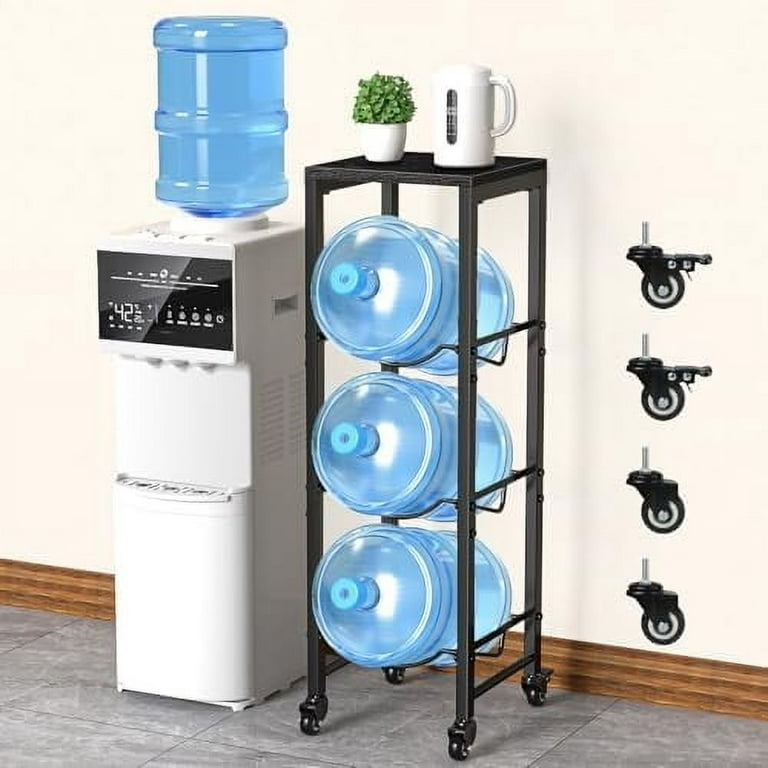
Freestanding Kitchen Carts
Kitchen carts are strong and easy to move. They hold heavy appliances well. Some carts have wheels for easy repositioning.
Countertop Space
Using countertop space is simple and effective. Counters are built to hold heavy items. Keep appliances within reach and stable.
Built-in Cabinets
Built-in cabinets offer sturdy support for appliances. They protect items from dust and spills. Cabinets also keep your kitchen looking neat.
Under-counter Storage
Under-counter areas provide solid space for heavy tools. These spots keep appliances hidden but easy to access. Strength depends on cabinet construction.
Heavy-duty Appliance Stands
Stands designed for appliances provide excellent stability. They are made with metal or strong wood. These stands prevent damage to shelves and counters.
Maintenance To Prolong Shelf Durability
Maintaining kitchen shelves properly helps them last longer and support heavy appliances safely. Regular care prevents damage and keeps shelves strong. Simple steps can stop wear and tear and avoid costly repairs.
Check shelves often for cracks or loose screws. Tighten screws to keep shelves steady. Clean shelves gently using a soft cloth and mild cleaner. Avoid harsh chemicals that can weaken the material.
Inspect For Signs Of Wear
Look closely at shelves for cracks, bends, or warping. Early detection helps prevent shelf failure. Pay attention to areas that hold heavy items the most.
Tighten Screws And Brackets
Loose screws cause shelves to wobble and weaken. Use a screwdriver to tighten all screws regularly. Secure brackets firmly to the wall for better support.
Clean Shelves Safely
Dust and spills can damage shelf surfaces over time. Use a damp cloth and mild soap for cleaning. Avoid soaking shelves to prevent water damage.
Distribute Weight Evenly
Place heavy appliances evenly to avoid stress on one area. Balance weight to reduce strain and prolong shelf life. Use additional supports if needed for very heavy items.
Frequently Asked Questions
Can Kitchen Shelves Support Heavy Appliances Safely?
Kitchen shelves can hold heavy appliances if properly installed with strong brackets. Using sturdy materials like hardwood or metal helps increase support and safety.
What Types Of Kitchen Shelves Hold The Most Weight?
Shelves made of solid wood, metal, or reinforced plywood hold the most weight. Wall-mounted shelves with strong anchors also provide better support for heavy items.
How Do I Know If My Shelves Are Strong Enough?
Check the shelf material, bracket strength, and wall anchor type. Testing with lighter items first helps ensure shelves can safely hold heavier appliances.
Are Floating Shelves Good For Heavy Kitchen Appliances?
Floating shelves usually hold less weight than bracket-supported shelves. They need heavy-duty mounting hardware to support heavy kitchen appliances safely.
What Shelf Brackets Work Best For Heavy Appliances?
Steel or heavy-duty metal brackets are best for supporting heavy kitchen appliances. Brackets with multiple screw holes offer better stability and weight distribution.
Can I Reinforce Kitchen Shelves To Hold More Weight?
Yes, adding extra brackets or using thicker shelf material can increase strength. Securing shelves directly into wall studs also improves their load capacity.
Should I Avoid Certain Appliances On Kitchen Shelves?
Avoid placing very heavy or vibrating appliances on weak shelves. Items like large mixers or blenders need sturdy support to prevent shelf damage or accidents.
How Often Should I Check Kitchen Shelves For Safety?
Regularly inspect shelves for signs of sagging, cracks, or loose brackets. Checking every few months helps prevent accidents and keeps your kitchen safe.
Conclusion
Kitchen shelves can hold heavy appliances if built strong. Choose shelves made from solid wood or metal. Check the weight limit before placing any appliance. Secure shelves well to the wall studs for safety. Even heavy items need proper support to avoid accidents.
Regularly inspect shelves to ensure they stay sturdy. With the right setup, shelves can store your kitchen appliances safely. Simple care keeps your kitchen organized and safe. Trust your shelves, but always be cautious with heavy items.