Have you ever noticed a musty smell or seen dark spots growing on your walls or ceiling? That could be mold—and it’s more than just an ugly sight.
Mold can affect your health in ways you might not expect. You might wonder, “Can mold make me sick? ” The answer is yes, but it’s not always obvious how or when. Understanding the risks mold poses to you and your family is important.
You’ll discover how mold can impact your health, what symptoms to watch for, and what steps you can take to protect yourself. Keep reading to learn how to keep your home—and your body—safe from mold’s hidden dangers.
Credit: my.clevelandclinic.org
How Mold Affects Health
Mold grows in damp places inside homes and buildings. It releases tiny spores into the air. People breathe these spores without noticing. These spores can cause health problems, especially after long exposure.
Some people may feel sick soon after mold exposure. Others might not notice symptoms right away. The effects depend on the mold type and the person’s health. Knowing how mold affects health helps in prevention.
Common Symptoms Of Mold Exposure
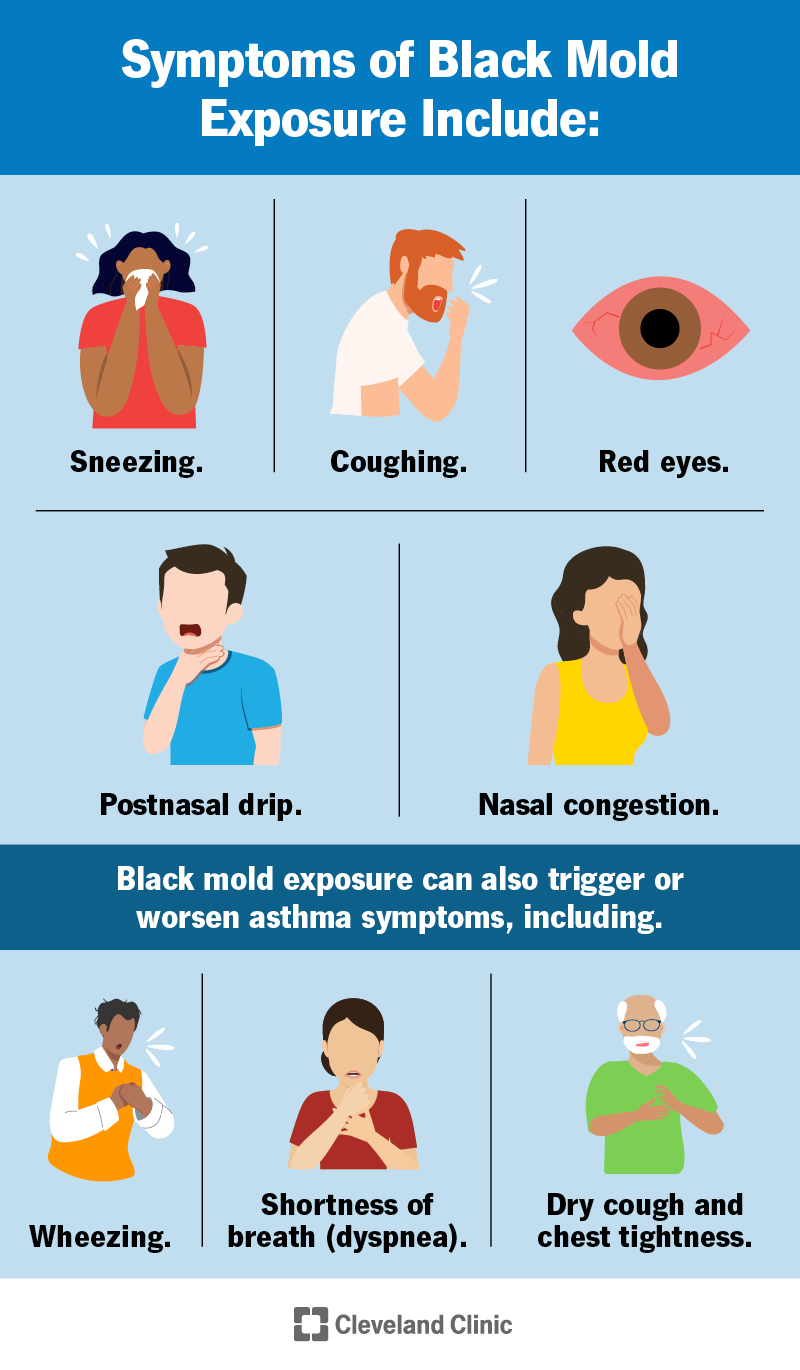
Breathing mold spores can cause sneezing and coughing. Some people get itchy eyes or a runny nose. Skin rashes and headaches are also common. People with asthma may have more attacks. Symptoms vary but often affect the respiratory system.
Who Is Most Vulnerable
Children and older adults are more at risk. People with weak immune systems face greater danger. Those with allergies or asthma also suffer more. Pregnant women should avoid mold exposure. Vulnerable groups need extra care to stay safe.
Long-term Health Consequences
Long-term mold exposure can cause chronic breathing problems. Some people develop lung infections or asthma. Mold can worsen existing lung diseases. Continuous exposure may harm the immune system. Early action can reduce these serious risks.
Types Of Harmful Mold
Mold grows in many forms. Some molds can harm your health. It is important to know the types of harmful mold. This knowledge helps protect your home and family.
Different molds cause different health problems. Some molds release toxins. Others trigger allergies or infections. Understanding these types helps in spotting risks early.
Toxic Black Mold
Toxic black mold, also called Stachybotrys, is dangerous. It grows in wet areas like bathrooms and basements. This mold releases mycotoxins. Breathing these toxins can cause headaches, fatigue, and breathing issues. Long exposure may affect your immune system.
Allergenic Molds
Allergenic molds cause allergic reactions. Common types include Cladosporium and Alternaria. These molds produce spores that irritate the nose, eyes, and skin. People with asthma may have worse symptoms. Allergy symptoms may include sneezing and coughing.
Pathogenic Molds
Pathogenic molds can cause infections. These molds affect people with weak immune systems. Aspergillus is a well-known pathogenic mold. It can cause lung infections and other health problems. Early detection helps prevent serious illness.
Mold And Respiratory Issues
Mold grows in damp places. It releases tiny spores into the air. Breathing in these spores can cause health problems.
Many people suffer from breathing issues because of mold. These problems can range from mild to severe. The lungs and sinuses are often affected.
Asthma Triggers
Mold spores can trigger asthma attacks. People with asthma breathe harder when exposed to mold. Their airways become tight and inflamed. This causes coughing, wheezing, and shortness of breath.
Even low mold levels can worsen asthma symptoms. Avoiding mold helps keep asthma under control.
Chronic Sinus Problems
Mold can cause long-lasting sinus issues. It irritates the lining of the nose and sinuses. This leads to congestion, pain, and pressure.
Some people develop sinus infections from mold exposure. These infections can last weeks or months. Treating mold can reduce sinus problems.
Lung Infections
Mold spores can cause lung infections in some people. Those with weak immune systems are most at risk. Symptoms include coughing, fever, and chest pain.
Serious lung infections need medical care. Reducing mold in the home lowers this risk.

Credit: www.bestpickreports.com
Neurological Effects Linked To Mold
Mold exposure can affect more than just your lungs. It can impact your brain and nervous system. Some people report changes in memory, mood, and energy. These symptoms point to mold’s neurological effects.
Scientists study how mold toxins might harm brain cells. These toxins can cause inflammation and disrupt brain signals. This damage leads to various neurological problems. Understanding these effects helps people recognize mold-related illnesses early.
Cognitive Impairment
Mold exposure may cause memory problems and difficulty focusing. People might forget simple tasks or feel mentally slow. This condition is called cognitive impairment. It can affect work, school, and daily life. Early signs include trouble concentrating and confusion.
Headaches And Fatigue
Many who face mold exposure report frequent headaches. These headaches can be severe and long-lasting. Fatigue often comes with headaches, making it hard to stay active. Mold toxins might trigger these symptoms by irritating the nervous system. Rest may not always relieve the tiredness.
Mood Disorders
Mold exposure can change mood and emotional state. Some people feel anxious, depressed, or irritable. These mood disorders can worsen over time. Mold toxins may affect brain chemicals that control emotions. Treatment includes reducing exposure and seeking medical help.
Detecting Mold In Your Home
Detecting mold in your home is important for your health and safety. Mold can grow in damp, dark places and cause sickness. Early detection helps you stop mold before it spreads. Mold is not always easy to find. It hides behind walls and under floors. You need to know what signs to watch for.
Visible Signs
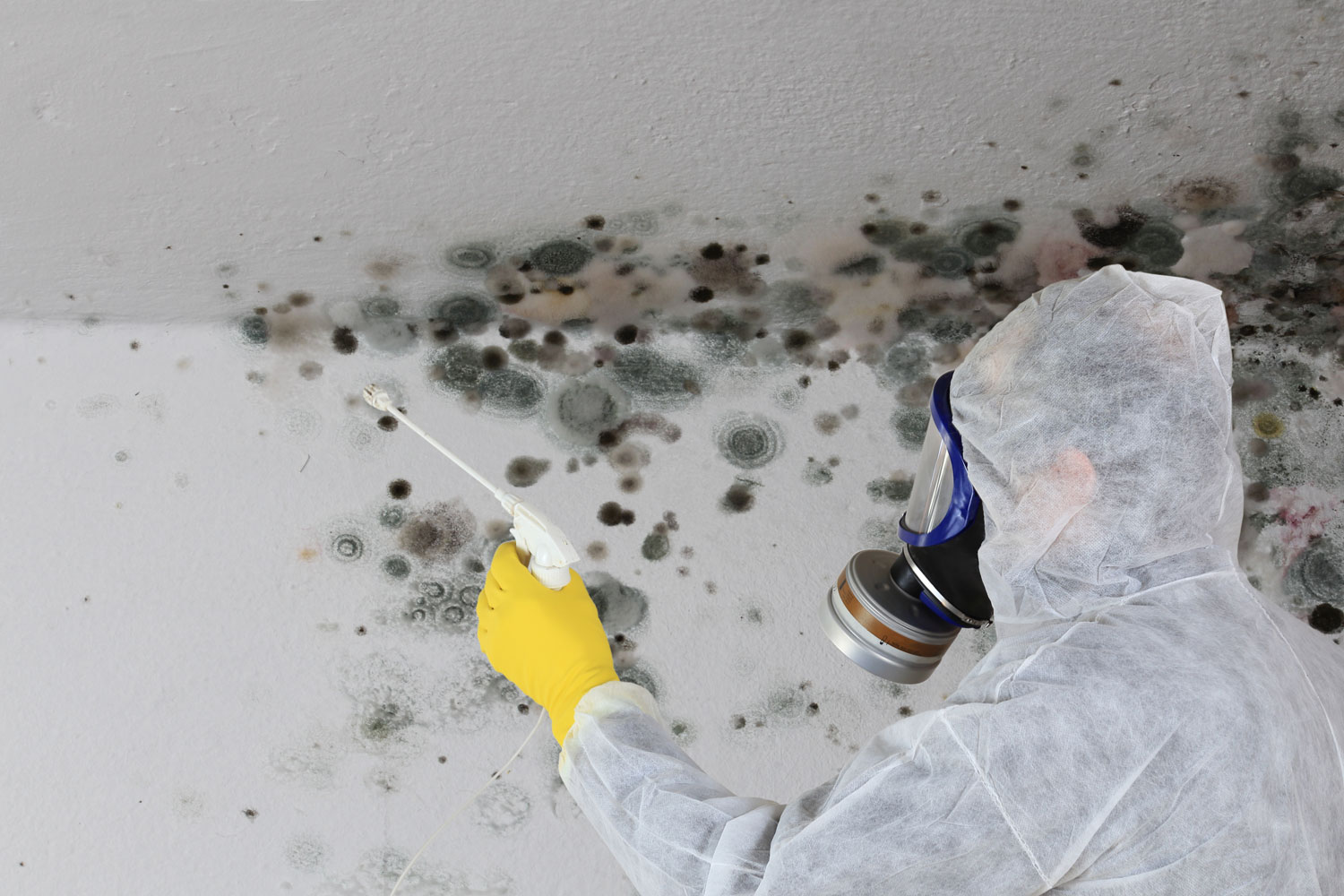
Mold often looks like black, green, or white spots. It can appear fuzzy or slimy. Check areas with water damage or leaks. Bathrooms, basements, and kitchens are common places. Look behind appliances and under sinks. Mold can grow on walls, ceilings, and carpets. Even small patches can indicate a bigger problem.
Odor Clues
Mold has a musty, earthy smell. This odor stays even after cleaning. It may smell like damp or rotting wood. If you smell mold but do not see it, investigate hidden areas. The smell can help you find mold behind walls or under floors. Trust your nose to alert you to mold’s presence.
Professional Mold Testing
Sometimes, mold is hidden or hard to identify. Professional mold testing can find mold you cannot see. Experts use special tools to detect mold spores in the air. They take samples from your home to check for mold types. Testing helps confirm mold and guides proper cleanup. Hiring professionals gives you peace of mind.
Preventing Mold Growth
Preventing mold growth is key to keeping your home safe and healthy. Mold thrives in damp, warm places. Stopping moisture and improving air flow helps control mold. Small steps can make a big difference in avoiding mold problems.
Controlling Moisture
Moisture is mold’s best friend. Fix leaks in pipes and roofs quickly. Use a dehumidifier in damp rooms. Keep the indoor humidity below 60%. Dry wet areas within 24 to 48 hours. Avoid leaving wet clothes inside the house.
Proper Ventilation
Good air flow stops mold from growing. Open windows to let fresh air in. Use exhaust fans in kitchens and bathrooms. Vent appliances like dryers outside. Avoid blocking air vents. Proper ventilation moves moisture out of your home.
Regular Cleaning Tips
Clean often to stop mold spores. Use mold-killing cleaners in bathrooms and kitchens. Wash shower curtains and bathroom mats regularly. Vacuum with a HEPA filter to catch mold spores. Check hidden spots like under sinks and behind furniture. Keep your home tidy and dry.
Treating Mold-related Illnesses
Treating mold-related illnesses requires careful attention and proper care. Mold exposure can cause various health problems, such as allergies, asthma, and respiratory issues. Identifying the right treatment helps reduce symptoms and improves well-being.
People with mild symptoms may find relief with simple home remedies. But severe cases often need medical help. Knowing when to seek professional care is important for quick recovery.
Medical Interventions
Doctors may prescribe antihistamines or corticosteroids for mold allergies. These medicines reduce inflammation and ease breathing problems. In some cases, allergy shots help build tolerance over time. Severe asthma attacks might require inhalers or other treatments. Always follow the doctor’s advice for medicine use.
Home Remedies
Using a clean air purifier can lower mold spores indoors. Keeping your home dry and well-ventilated prevents mold growth. Nasal rinses with saline solution clear mucus and irritants. Drinking plenty of water helps thin mucus and soothe the throat. Rest is essential to allow the body to heal.
When To Seek Help
Seek medical help if symptoms worsen or last more than a week. Difficulty breathing, chest pain, or high fever needs immediate attention. Children, elderly, and people with weak immune systems must be extra careful. Persistent coughing, wheezing, or skin rashes also require professional evaluation. Early treatment avoids serious health complications.
Credit: watermoldfire.net
Frequently Asked Questions
Can Mold Exposure Cause Respiratory Problems?
Yes, mold spores can irritate the respiratory system. They may trigger coughing, wheezing, and shortness of breath, especially in sensitive individuals.
What Symptoms Indicate Mold-related Illness?
Common symptoms include nasal congestion, throat irritation, headaches, and skin rashes. Severe cases might cause asthma attacks or allergic reactions.
How Long Does Mold Sickness Last?
Mold-related symptoms usually improve after mold removal and fresh air exposure. Persistent symptoms may require medical treatment and allergy management.
Who Is Most At Risk From Mold Exposure?
Children, elderly, people with asthma, allergies, or weakened immune systems are more vulnerable to mold-related health issues.
Conclusion
Mold can cause health problems for many people. It may trigger allergies, coughing, or skin irritation. Some people feel tired or have headaches around mold. Keeping your home dry helps stop mold growth. Clean any mold you find quickly and safely.
Good ventilation also lowers mold risks indoors. Watching for signs of mold keeps you safer. Taking action early protects your health and comfort. Stay aware and keep your space clean and dry. Mold does not have to make you sick.