Are you tired of using harsh chemicals to clean your home and still worrying about bacteria lurking around? What if you could kill germs using just water and steam?
Steam cleaners promise to do just that, but can they really eliminate bacteria effectively? You’ll discover how steam cleaning works, whether it’s powerful enough to kill harmful bacteria, and how you can use it safely for a healthier living space.
Keep reading to find out if steam cleaning is the game-changer your cleaning routine needs.
How Steam Cleaners Work
Steam cleaners kill bacteria using hot steam. The steam heats surfaces and loosens dirt. This process also destroys germs and bacteria. Understanding how steam cleaners work helps explain their cleaning power.
Steam Generation Process
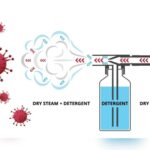
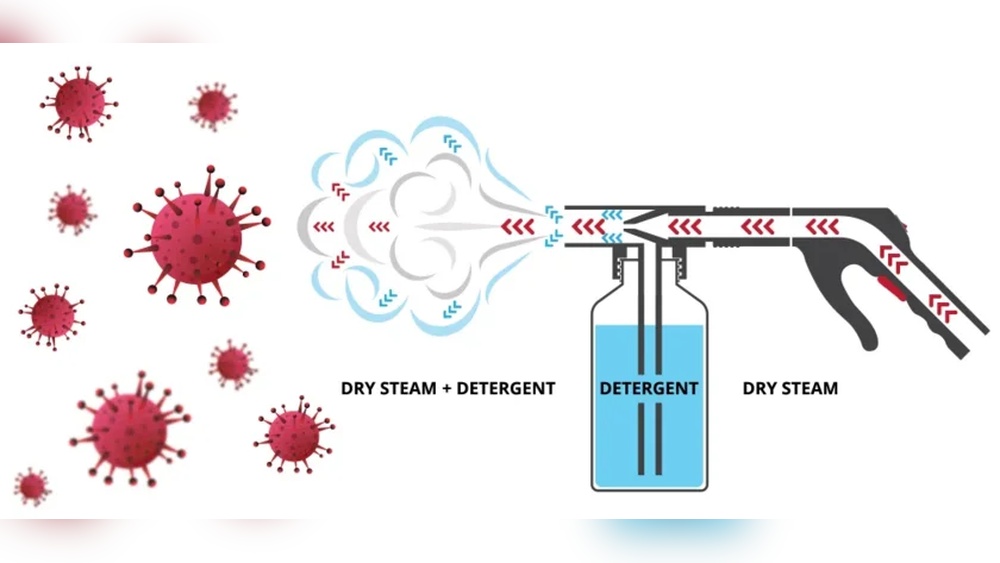
Steam cleaners heat water until it turns into steam. The water is stored in a small tank. A heating element raises the water temperature quickly. The steam then moves through a nozzle or brush. This hot steam sprays onto the surface to clean it.
Temperature And Pressure Levels
Steam cleaners use high temperatures to kill bacteria. Steam reaches temperatures above 200°F (93°C). The heat breaks down bacteria cell walls. High pressure pushes steam deep into cracks and pores. This pressure improves cleaning and disinfecting power.
Types Of Steam Cleaners
There are several types of steam cleaners. Handheld steamers are small and easy to use. They work well on small surfaces and fabrics. Cylinder steam cleaners have larger tanks for long cleaning. They clean floors and bigger areas efficiently. Steam mops combine steam with a mop head. They are great for hard floors and tiles.
Steam And Germ Elimination
Steam cleaning uses hot steam to clean and kill germs on surfaces. It reaches areas that are hard to clean by hand. The heat from steam can break down bacteria and viruses. This method cleans without harsh chemicals. It makes steam cleaners a popular choice for homes and businesses.
Understanding how steam kills germs helps you trust this cleaning method. The following sections explain how heat works on bacteria, its effect on viruses, and how steam compares to chemical cleaners.
Heat Impact On Bacteria
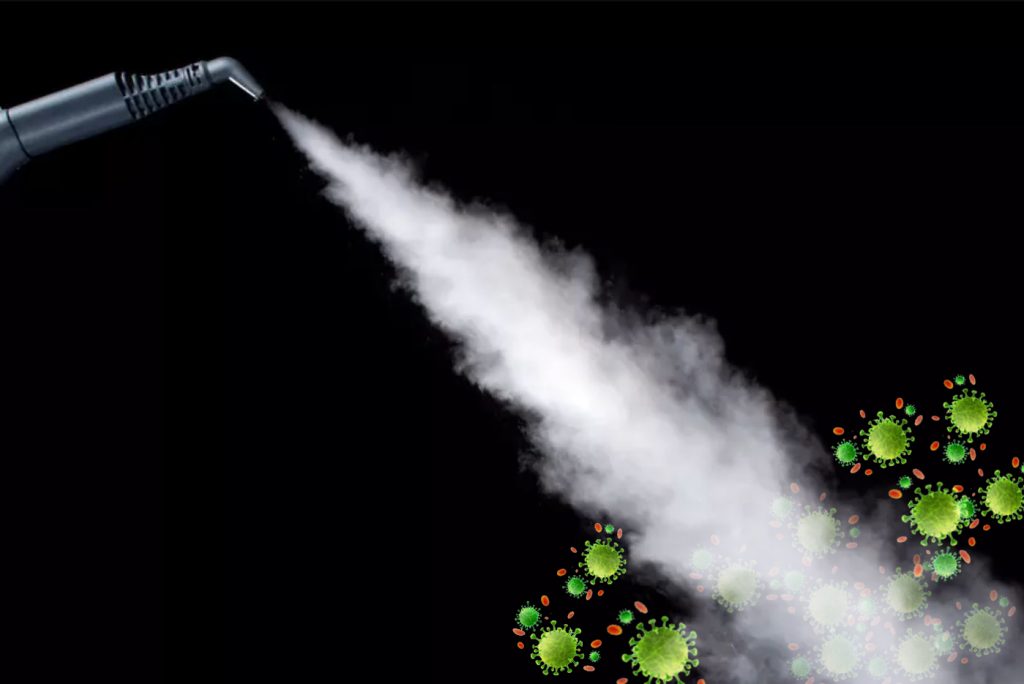
High heat from steam damages bacteria cells. Steam reaches temperatures above 200°F (93°C). This heat breaks the cell walls of bacteria. Without intact walls, bacteria cannot survive. Many common bacteria die quickly under steam. This makes steam cleaning effective against germs.
Effectiveness Against Viruses
Viruses are smaller but also sensitive to heat. Steam can deactivate many viruses by damaging their structure. Steam cleaning reduces the number of viruses on surfaces. It helps lower the risk of infection. Regular steam cleaning adds a layer of protection.
Comparison With Chemical Cleaners
Chemical cleaners kill germs but can leave residue. Steam cleans without chemicals or residues. Steam reaches cracks and crevices better than liquids. It is safer for people with allergies. Steam is eco-friendly and reduces chemical use. Both methods work well but steam offers a natural option.
Scientific Studies On Steam Cleaning
Scientific studies on steam cleaning explore how well steam kills bacteria. Researchers test steam cleaners in labs and real settings. These studies check steam’s power against germs on different surfaces. They also find steam cleaning limits. Understanding these results helps us trust steam cleaners for hygiene.
Lab Test Results
Lab tests show steam kills many types of bacteria. Scientists use controlled environments for precise results. Steam at high temperatures destroys bacteria quickly. It removes germs from hard surfaces like tiles and metal. Some tests show over 99% bacteria reduction. This proves steam cleaning is very effective in labs.
Real-world Applications
Studies also check steam cleaning in homes and hospitals. Real settings have dirt and uneven surfaces. Steam still kills many bacteria in these places. It cleans kitchens, bathrooms, and floors well. Hospitals use steam to reduce infection risks. Results show steam helps keep spaces cleaner and safer.
Limitations Found
Steam cleaning has limits. It may not reach bacteria deep in cracks or thick dirt. Some bacteria are more resistant to heat. Steam needs proper temperature and time to work well. Surfaces that absorb water may not dry fast. Knowing these limits helps users apply steam cleaning correctly.
Best Practices For Using Steam Cleaners
Using steam cleaners correctly improves their ability to kill bacteria effectively. Following best practices helps clean surfaces deeply and safely. Proper use extends the life of your steam cleaner and keeps your home healthy.
Surface Preparation Tips
Clear the area before steaming to remove loose dirt and dust. Wipe surfaces with a dry cloth to avoid spreading grime. Test a small spot first to check surface reaction. Avoid using steam on delicate materials like untreated wood.
Optimal Steam Settings
Set the steam cleaner to the highest temperature available. High heat kills most bacteria and germs quickly. Use a slow, steady motion to allow steam to penetrate. Keep the nozzle close but not touching the surface.
Safety Precautions
Wear gloves to protect your hands from hot steam. Keep children and pets away during use. Avoid directing steam at electrical outlets or devices. Allow surfaces to dry fully before touching or using again.
Common Surfaces And Steam Cleaning
Steam cleaning uses hot steam to kill bacteria and clean surfaces deeply. It works well on many common household surfaces. The heat breaks down dirt and germs without chemicals. This method can be safe and effective for your home.
Hard Floors And Tiles
Steam cleaners work great on hard floors like wood, tile, and vinyl. The hot steam loosens dirt and kills bacteria. It reaches into grout lines and cracks, areas where germs hide. This makes floors cleaner and fresher without harsh chemicals.
Kitchen And Bathroom Fixtures
Kitchen counters, sinks, and bathroom fixtures gather many germs daily. Steam cleaning kills bacteria on these surfaces quickly. It cleans taps, drains, and tiles without damage. The high temperature sanitizes spots that regular cleaners may miss.
Upholstery And Fabrics
Steam cleaners can refresh furniture and fabrics by killing germs. The steam penetrates deep into upholstery, removing dirt and bacteria. It can reduce dust mites and allergens on soft surfaces. Use gentle settings to protect delicate fabrics while cleaning.

Credit: www.amazon.com
Advantages Over Traditional Cleaning
Steam cleaners offer clear advantages over traditional cleaning methods. They use hot steam to kill bacteria and remove dirt without harsh chemicals. This method is safer for people and pets. It also cleans deeply into surfaces and hard-to-reach places.
These benefits make steam cleaning a smart choice for homes and businesses. The advantages extend beyond just killing germs to include environmental, financial, and health improvements.
Eco-friendly Benefits
Steam cleaners use only water to clean. No need for chemical cleaners that harm the environment. They reduce plastic waste from bottles and containers. Less pollution means safer air and water. Using steam is a green way to keep spaces clean.
Cost Efficiency
Steam cleaners save money over time. No need to buy many cleaning products. Water and electricity are the main costs. They also reduce the need for professional cleaning services. This lowers long-term cleaning expenses significantly.
Allergen Reduction
Steam kills dust mites, mold, and other allergens. It cleans deeply without chemicals that may cause reactions. This helps people with allergies or asthma breathe easier. Steam cleaning improves indoor air quality effectively.
Potential Drawbacks
Steam cleaners are popular for killing bacteria, but they have some drawbacks. Knowing these limits helps you use them safely and effectively. Understanding the potential issues will improve your cleaning results and protect your belongings.
Surface Damage Risks
High heat and moisture can harm some surfaces. Wood, paint, and delicate fabrics may warp or peel. Always test a small area first. Avoid using steam on materials that can soak up water easily. This prevents lasting damage to your items.
Steam Cleaner Maintenance
Steam cleaners need regular care to work well. Mineral buildup from water can clog the machine. Cleaning the device after use extends its life. Follow the manufacturer’s instructions for best results. Poor maintenance can reduce steam power and effectiveness.
Limitations On Certain Bacteria
Steam kills many bacteria but not all types. Some spores and viruses resist heat. Using steam alone might not fully disinfect. Combine steam cleaning with other methods for better hygiene. Relying only on steam may leave some germs behind.

Credit: smcwashers.com
Credit: www.detailedimage.com
Frequently Asked Questions
Can Steam Cleaners Effectively Kill Bacteria On Surfaces?
Yes, steam cleaners use high-temperature steam to kill most bacteria. The heat destroys bacterial cell walls, ensuring effective disinfection without chemicals. They are especially useful for hard, non-porous surfaces.
How Hot Must Steam Be To Kill Bacteria?
Steam needs to reach at least 212°F (100°C) to kill bacteria effectively. At this temperature, steam penetrates surfaces and destroys bacteria quickly, making it a natural and chemical-free cleaning method.
Are Steam Cleaners Safe For All Surface Types?
Steam cleaners are safe for many surfaces like tile and sealed wood. However, avoid using them on delicate materials like unsealed wood or silk, as high heat and moisture can cause damage.
Can Steam Cleaners Eliminate Viruses And Germs Too?
Yes, steam cleaners can kill many viruses and germs. The high heat and moisture disrupt their structure, making steam cleaning a powerful tool for sanitizing homes and workplaces.
Conclusion
Steam cleaners use high heat to kill many bacteria effectively. They clean without harsh chemicals, making them safer for homes. Steam reaches places that cloths or sprays might miss. This method helps reduce germs on floors, counters, and fabrics. Regular use supports a healthier environment.
Still, some bacteria may need extra cleaning steps. Combine steam cleaning with good hygiene for best results. Steam cleaners offer a practical way to keep spaces cleaner and safer.