Are you looking for a simple, natural way to keep your home clean and safe? You might have heard that vinegar can disinfect household surfaces.
But does it really work? Understanding how effective vinegar is against germs can help you decide if it’s the right choice for your cleaning routine. Keep reading to discover the truth about vinegar’s disinfecting power and learn how to protect your home the smart way.

Credit: pfharris.com
Vinegar’s Cleaning Properties
Vinegar is a common household item known for its strong cleaning power. It has natural acids that help break down dirt and grime. Many people use vinegar to clean surfaces in their homes.
The cleaning properties of vinegar come mainly from acetic acid. This acid can dissolve mineral deposits, grease, and stains. Vinegar also helps remove odors and leaves surfaces fresh.
Acetic Acid And Its Role In Cleaning
Acetic acid is the main ingredient in vinegar. It works by breaking down tough dirt and stains. This acid is strong enough to clean many surfaces but gentle enough to avoid damage.
Vinegar’s Ability To Cut Grease
Vinegar dissolves grease and oils on kitchen counters and appliances. It lifts sticky residues that soap may miss. This makes it effective for kitchen cleaning tasks.
Natural Deodorizing Effect
Vinegar neutralizes bad smells rather than covering them up. It removes odors from refrigerators, trash bins, and bathrooms. This helps keep your home smelling clean.
Safe Use On Various Surfaces
Vinegar works well on glass, tile, and stainless steel. Avoid using vinegar on natural stone like marble or granite. Its acid can damage these surfaces over time.
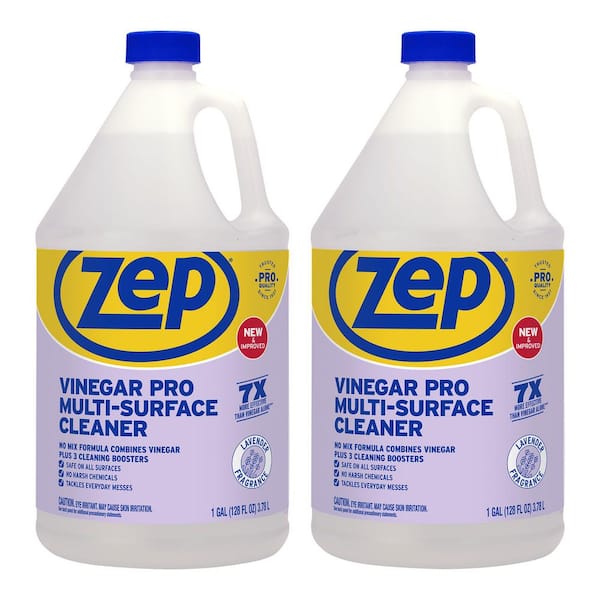
Credit: www.homedepot.com
Effectiveness Against Germs
Vinegar is a popular natural cleaner for many households. People often ask if vinegar can kill germs on surfaces. Understanding how vinegar works against germs helps decide if it is a good disinfectant.
Vinegar contains acetic acid. This acid can remove dirt and some bacteria. It works well on certain types of germs. But its strength varies depending on the germ type and concentration of vinegar used.
Vinegar’s Impact On Bacteria
Vinegar can kill some common bacteria. These include E. coli and Salmonella. These bacteria often cause food poisoning. Vinegar disrupts their cell walls, which stops them from growing. It works best at higher concentrations, like 6% or more.
Effectiveness Against Viruses
Vinegar is less effective on viruses. Many viruses have a protective outer layer. Acetic acid struggles to break this layer. It might reduce virus numbers but not fully kill them. For strong virus protection, other disinfectants are better.
Limitations On Fungi And Mold
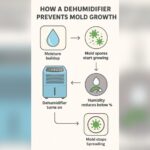
Vinegar can slow down mold growth. It lowers the pH, making the surface less friendly to mold. It does not always remove mold completely. For heavy mold, specialized cleaners work best.
Comparing Vinegar To Commercial Disinfectants
Vinegar often comes up as a natural cleaning choice. Many people wonder how it compares to commercial disinfectants. Both have their place in home cleaning routines. Understanding their strengths and limits helps you choose wisely.
Commercial disinfectants usually kill a wide range of bacteria and viruses. Vinegar has some ability to reduce germs but is not as strong. It works better on certain bacteria, not on many viruses. For tough germs, commercial products are more reliable.
Safety And Chemicals
Vinegar is natural and free from harsh chemicals. It is safe for most surfaces and less likely to cause allergies. Commercial disinfectants may contain strong chemicals. These can irritate skin or lungs if not used carefully. Always follow label instructions with commercial cleaners.
Surface Compatibility
Vinegar works well on glass, tile, and sealed wood. It can damage stone surfaces like marble or granite. Commercial disinfectants often suit a broader range of surfaces. They also come in special formulas for delicate materials. Check product labels to avoid damage.
Cost And Availability
Vinegar is inexpensive and easy to find. It lasts a long time and has many household uses. Commercial disinfectants vary in price. Some are affordable while others can be costly. They may not always be available, especially in busy seasons.

Credit: www.scjp.com
Safe And Proper Use
Using vinegar to clean household surfaces requires care and the right approach. Vinegar is natural and affordable, but it is not a one-size-fits-all disinfectant. Knowing how to use it safely ensures good results and protects your home.
Choosing The Right Vinegar
White distilled vinegar is the best choice for cleaning. It has a strong acidity that helps kill some germs and remove dirt. Avoid using apple cider vinegar or other types, as they may stain or leave residues.
Proper Dilution For Cleaning
Never use vinegar full strength on surfaces. Mix one part vinegar with one part water for safe cleaning. This dilution reduces the strong smell and prevents damage to surfaces like wood or stone.
Testing On Small Areas
Test vinegar on a small hidden spot before cleaning fully. Some surfaces like marble, granite, or hardwood can get damaged. Wait a few minutes to check for any adverse reaction.
Avoiding Sensitive Surfaces
Do not use vinegar on natural stone, waxed wood, or certain metals. The acid can eat away the finish or cause stains. Use other cleaners designed for these surfaces instead.
Applying Vinegar Safely
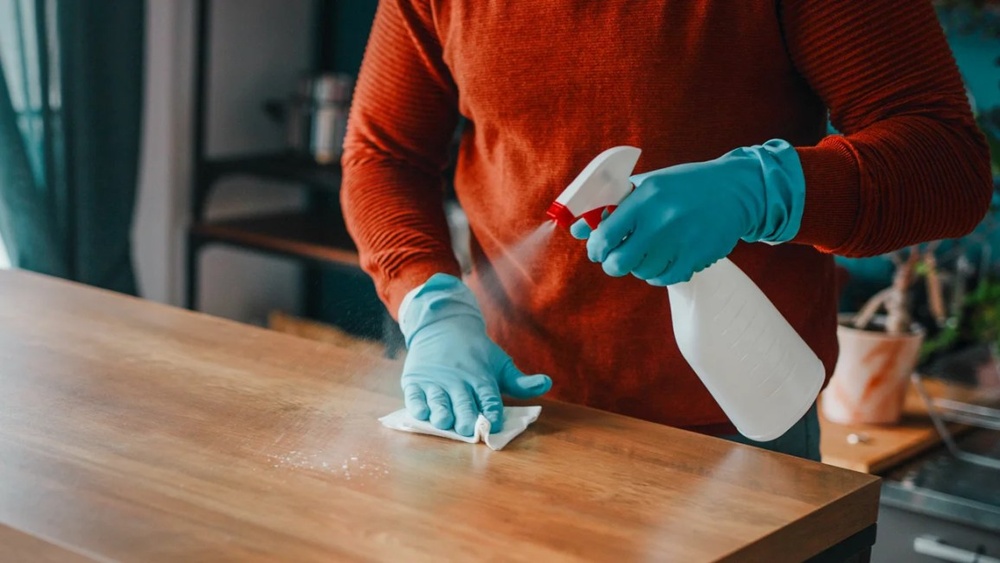
Use a spray bottle to apply the vinegar solution evenly. Let it sit for a few minutes to work on germs. Wipe with a clean cloth and allow the surface to air dry.
When To Choose Other Cleaners
Vinegar is a popular natural cleaner. It works well on many surfaces. But it does not kill all germs. Some situations need stronger cleaners. Knowing when to choose other products keeps your home safer.
When Strong Germs Are Present
Vinegar does not kill all bacteria and viruses. For dangerous germs like flu or COVID-19, use disinfectants with EPA approval. These products kill a wider range of harmful microbes quickly. Vinegar alone is not enough in these cases.
For Mold And Mildew Problems
Mold and mildew can cause health issues. Vinegar helps but may not remove all spores. Use cleaners made for mold removal. They stop mold growth and clean deeply. This prevents mold from coming back.
Cleaning Food Preparation Areas
Kitchens need very clean surfaces. Vinegar cleans but does not kill all germs found on raw meat or eggs. Use bleach or other food-safe disinfectants to sanitize cutting boards and counters. This reduces risk of food poisoning.
On Porous Or Delicate Surfaces
Vinegar can damage stone, marble, or hardwood. These materials need special cleaners. Choose pH-neutral products made for delicate surfaces. This keeps your furniture and floors safe and shiny.
Frequently Asked Questions
Can Vinegar Kill Bacteria On Household Surfaces?
Vinegar has some ability to kill certain bacteria, but it is not strong enough for all germs. It works well on light dirt and grime. For serious cleaning, stronger disinfectants are better.
Is Vinegar Effective Against Viruses Like The Flu?
Vinegar is not proven to kill many viruses, including the flu virus. It can clean surfaces but may not disinfect fully. Use products labeled as antiviral for better protection.
How Should Vinegar Be Used To Clean Surfaces Safely?
Mix equal parts of water and white vinegar in a spray bottle. Spray the surface and wipe with a clean cloth. Avoid using vinegar on natural stone or hardwood.
Can Vinegar Replace Commercial Disinfectants In The Home?
Vinegar can be a natural cleaner but does not replace commercial disinfectants. It is less effective against tough germs and harmful pathogens. Use disinfectants for high-risk areas like kitchens and bathrooms.
What Are The Limitations Of Using Vinegar For Disinfection?
Vinegar cannot kill all bacteria or viruses, especially resistant strains. It may not remove sticky residues or heavy dirt. Vinegar’s smell can be strong and irritating to some people.
Conclusion
Vinegar can clean many household surfaces well. It kills some germs but not all types. For strong disinfection, use products made to kill viruses and bacteria. Vinegar is safe and natural but has limits. Use it for light cleaning or freshening up areas.
Keep in mind, it does not replace stronger disinfectants. Always follow health advice for keeping your home safe. Simple steps help protect your family’s health every day.