Are you tired of high heating bills every winter? You might be surprised to learn that your windows could be the main reason warm air slips right out of your home.
Imagine if there was a simple way to keep the heat inside, making your space cozier and your energy costs lower. Can window insulation really reduce heat loss? This article will uncover the truth and show you how a small change can make a big difference in your comfort and savings.
Keep reading to find out how you can stop heat from escaping through your windows—and start feeling warmer today.
How Heat Escapes Through Windows
Windows are a major path for heat to leave a house. Heat moves from the warm inside to the cold outside. This happens in several ways. Understanding these ways helps to reduce heat loss. Simple changes can make windows better at keeping heat in.
Types Of Heat Loss
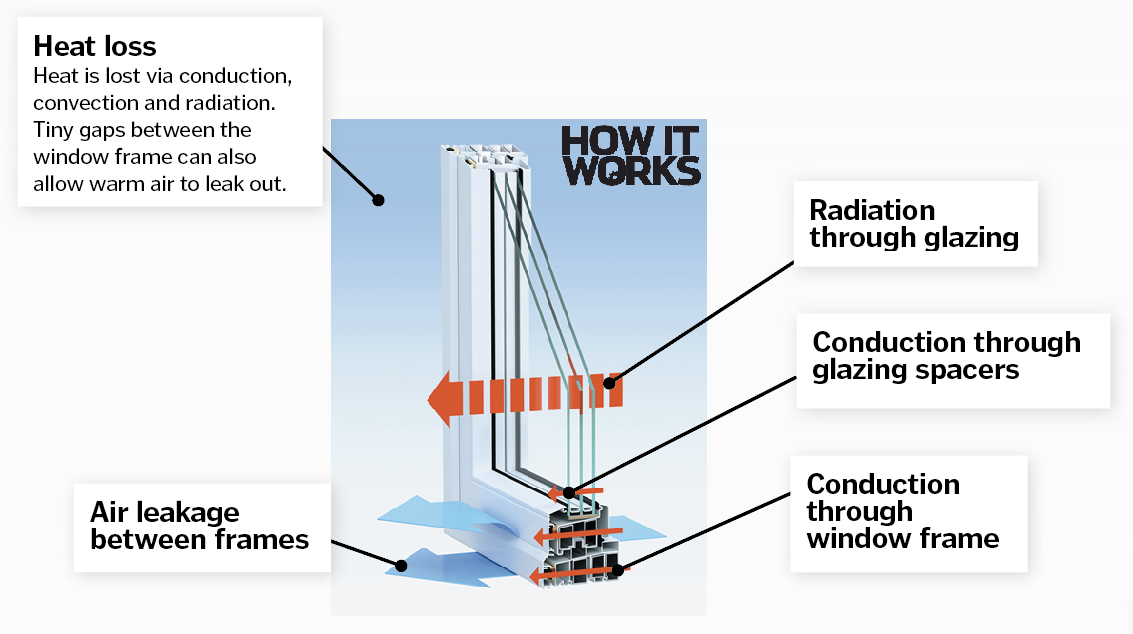
Heat escapes through windows in three main ways. First, conduction moves heat through glass and frames. Warm air touches cold glass and loses heat. Second, convection happens when air leaks through gaps. Cold air enters, and warm air leaves the room. Third, radiation sends heat as infrared rays through glass. This heat moves from warm rooms to cold outdoors.
Common Window Weaknesses
Many windows have weak spots that let heat out. Single-pane glass is thin and loses heat fast. Older frames often have cracks and gaps. Poor seals around windows allow air leaks. Metal frames conduct heat easily, cooling the room. These weak points increase energy use and bills.
Benefits Of Window Insulation
Window insulation offers several important benefits that improve home living. It helps keep the indoor temperature steady. This reduces the need for heating or cooling. The result is a more comfortable home and lower energy bills.
Insulating windows also blocks outside noise. This makes rooms quieter and more peaceful. Many people notice these benefits soon after installing window insulation.
Energy Savings
Window insulation stops warm air from escaping in winter. It also blocks heat from entering in summer. This lowers the use of heaters and air conditioners. Less energy use means smaller utility bills. It also reduces your home’s environmental impact.
Improved Comfort
Insulated windows keep the temperature steady inside your home. Rooms feel warmer in cold months and cooler in hot months. This reduces cold drafts and hot spots near windows. It creates a more pleasant living space all year round.
Noise Reduction
Window insulation helps block sounds from outside. It reduces street noise, barking dogs, and loud traffic. This makes it easier to relax, work, or sleep. A quieter home improves overall well-being and focus.
Popular Window Insulation Methods
Reducing heat loss through windows helps save energy and lowers bills. Several popular methods improve window insulation effectively. Each method offers different benefits depending on the window type and budget.
Choosing the right insulation method can keep your home warmer during cold months. Here are some common ways to insulate windows and reduce heat loss.
Weatherstripping
Weatherstripping seals gaps around window frames. It stops cold air from leaking inside. This method is affordable and easy to install. Different materials like foam, rubber, or vinyl are used. Weatherstripping also blocks drafts, making rooms more comfortable.
Window Film
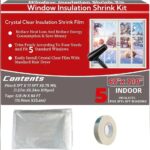
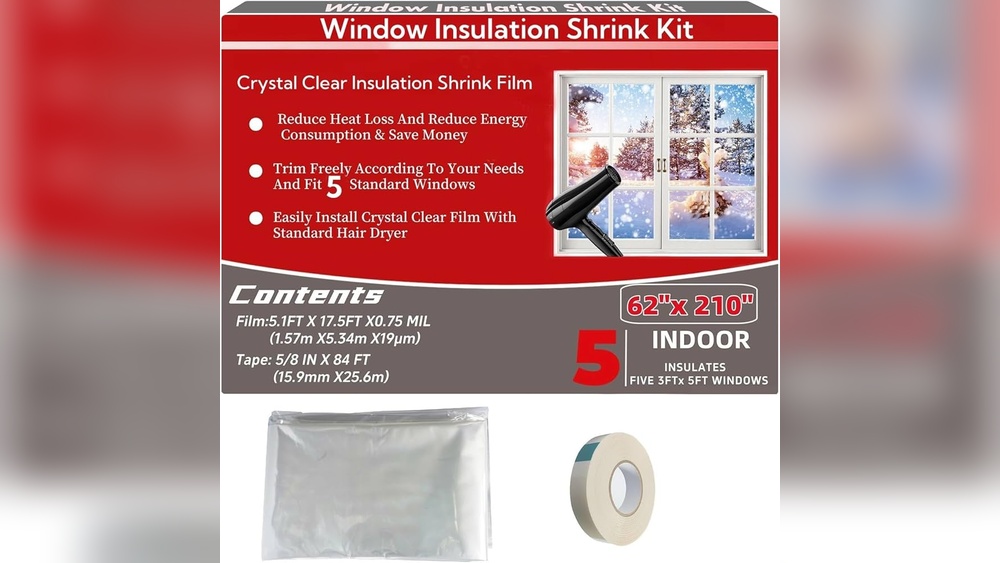
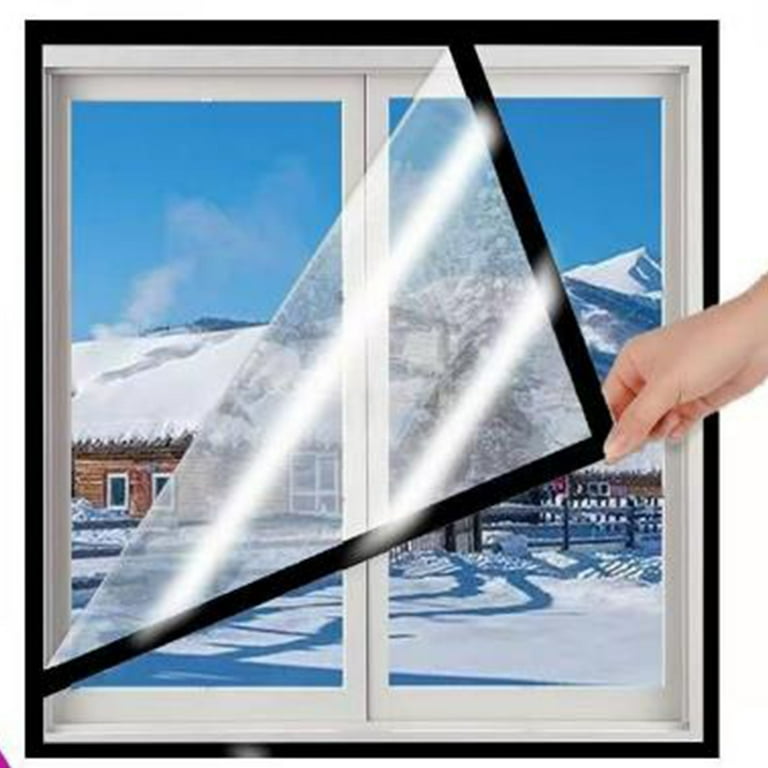
Window film is a thin layer applied directly on glass. It reflects heat back inside the house. This film reduces heat loss without changing the window look. Installation is simple and does not require professional help. Films can also reduce glare and protect furniture from sunlight.
Thermal Curtains
Thermal curtains have thick fabric designed to block cold air. They create an extra barrier at the window surface. Closing these curtains at night keeps heat inside. They come in various colors and styles. Thermal curtains also reduce noise from outside.
Double And Triple Glazing
Double and triple glazing means using two or three glass panes. These panes have air or gas-filled spaces between them. This setup slows heat transfer through the window. It greatly improves insulation compared to single-pane glass. Though costlier, glazing offers long-term energy savings.
Credit: www.walmart.com
Choosing The Right Insulation For Your Home
Choosing the right insulation for your home is key to reducing heat loss. The right material keeps your home warm in winter and cool in summer. It also helps save money on energy bills. Many options are available, so understanding your needs is important. Consider your local climate, budget, and how easy the insulation is to install.
Climate Considerations
Your local climate affects the insulation type you need. Cold areas need materials with high thermal resistance. Warm climates benefit from insulation that blocks heat from entering. Some insulations work well in both hot and cold weather. Check the insulation’s R-value, which shows how well it resists heat flow.
Budget Factors
Insulation costs vary widely depending on the material. Some types are cheap but less effective. Others cost more but last longer and save energy better. Balance initial cost with long-term savings. Choose an option that fits your budget and energy goals.
Installation Tips
Proper installation is crucial for insulation to work well. Seal all gaps and cracks around windows and doors first. Use protective gear and follow manufacturer instructions carefully. Some insulation types are easier to install by yourself. Others may need professional help for best results.
Common Mistakes To Avoid
Reducing heat loss through windows is possible with good insulation. Many people try to improve their window insulation. But they often make mistakes that stop the insulation from working well. Avoiding these common errors helps keep your home warmer and saves energy.
Ignoring Air Leaks
Air leaks around windows cause a lot of heat loss. Small gaps let cold air enter and warm air escape. Many ignore these leaks, thinking window insulation alone is enough. Sealing cracks and gaps is very important. Use weatherstripping or caulk to close these leaks first.
Using Ineffective Materials
Not all insulation materials work well for windows. Some thin films or cheap foam do little to stop heat loss. Using poor materials wastes money and effort. Choose materials made for window insulation. Look for ones that block heat and fit tightly.
Poor Installation Practices
Even the best materials fail if installed badly. Wrinkles, gaps, or loose fitting reduce the insulation’s power. Take time to install carefully. Follow instructions and make sure the material covers the whole window. A neat, tight fit keeps heat inside better.
Maintaining Window Insulation
Maintaining window insulation is key to reducing heat loss effectively. Proper care helps keep your home warm and lowers energy bills. It also extends the life of your insulation, saving money over time.
Checking insulation often helps catch small problems early. Fixing these issues quickly prevents bigger damage. Clean, well-maintained insulation works better and lasts longer.
Regular Inspections
Inspect window insulation at least twice a year. Look for cracks, gaps, or worn areas around the window frame. Check for peeling or damaged weatherstripping. These signs show where heat can escape.
Use a flashlight to spot hidden damage. Feel for cold drafts near the window edges. Regular inspections keep your insulation working well through all seasons.
Repair And Replacement Signs
Look for torn or missing insulation materials. Loose or broken seals let warm air out and cold air in. Condensation between double-pane windows signals a broken seal.
Replace damaged weatherstripping quickly. Old or brittle insulation should be swapped out. Timely repairs save energy and keep your home cozy.
Expert Tips For Maximum Efficiency
Improving window insulation can cut down heat loss significantly. This saves energy and keeps your home warm. Experts suggest smart steps to get the best results. Follow these tips to boost your window insulation’s efficiency.
Combining Insulation Techniques
Use more than one insulation method for better results. Pair window film with weatherstripping to block drafts. Add thermal curtains to keep heat inside. Each layer reduces heat loss further. This combination creates a stronger barrier against cold air.
Seasonal Adjustments
Change your insulation approach with the seasons. Remove heavy curtains in summer to let sunlight warm rooms. Install them again in winter to trap heat. Use removable window film for cold months only. This helps balance comfort and energy savings all year.
Professional Help
Experts can assess your windows for leaks and damage. They recommend the best insulation options for your home. Professionals install materials correctly, ensuring maximum effect. Their work often lasts longer and performs better. Investing in help can save money over time.
Credit: www.howitworksdaily.com
Credit: www.amazon.com
Frequently Asked Questions
How Effective Is Window Insulation In Reducing Heat Loss?
Window insulation can reduce heat loss by up to 30-50%. It creates a barrier that limits cold air entry and warm air escape, improving energy efficiency and comfort indoors.
What Types Of Window Insulation Work Best?
Double glazing, thermal curtains, and plastic film insulation are highly effective. These options enhance window sealing and reduce heat transfer, lowering heating costs in winter.
Can Window Insulation Lower Energy Bills?
Yes, insulating windows reduces heat loss, which decreases the need for heating. This leads to noticeable savings on energy bills, especially during colder months.
Is Diy Window Insulation Worth It?
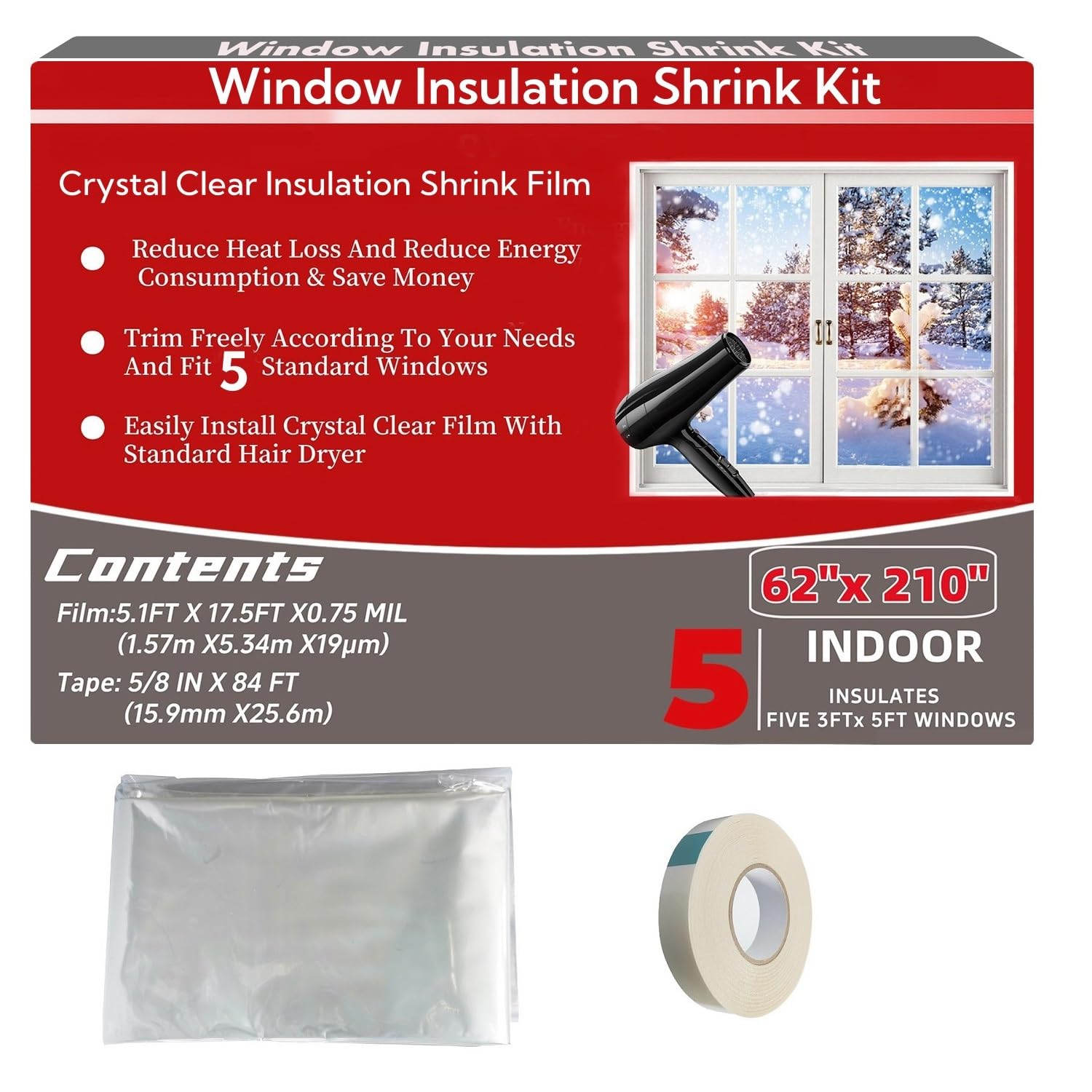
DIY window insulation kits are affordable and easy to install. They provide immediate heat retention benefits, making them a cost-effective solution for many homeowners.
Conclusion
Window insulation helps keep heat inside your home. It stops warm air from escaping through windows. This means your house stays warmer in cold weather. You also save money on heating bills. Installing insulation is a smart way to improve comfort.
It works best with other home energy steps. Small changes can make a big difference. Think about adding insulation to reduce heat loss today. Your home will feel cozier and your energy use will drop. Simple and effective.