Choosing the right cookware for your induction stove can feel confusing. You want pots and pans that heat quickly, last long, and make cooking easier.
But not all cookware works with induction technology. If you pick the wrong type, your meals won’t cook properly, and you’ll waste time and money. This guide will help you understand exactly what to look for. By the end, you’ll know how to find cookware that fits your needs and makes your cooking experience smooth and enjoyable.
Keep reading to make the best choice for your kitchen.

Credit: stahlkitchens.com
Induction Cookware Basics
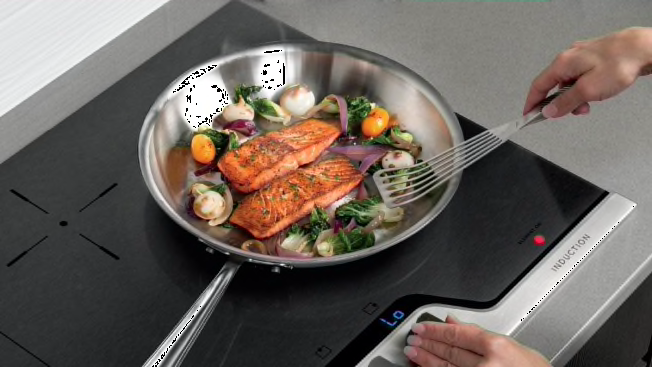
Choosing the right cookware for induction cooking is important for good results. Induction cooktops heat pots and pans differently than gas or electric stoves. They use magnetic fields to create heat directly in the cookware. This means not all pots and pans will work on induction cookers.
Understanding the basics of induction cookware helps make a smart choice. It ensures the cookware heats quickly and evenly. This section explains what makes cookware compatible and which materials work best.
What Makes Cookware Induction-compatible
Induction-compatible cookware must have a magnetic base. The cooktop creates a magnetic field that heats metal pots. Non-magnetic materials do not heat on induction cooktops. You can test cookware with a magnet. If the magnet sticks to the bottom, it will work on induction.
The base of the cookware should be flat and smooth. This allows good contact with the cooktop surface. Good contact helps the heat transfer efficiently. Cookware with warped or uneven bottoms may not heat well.
Materials That Work Best
Cast iron is very good for induction cooking. It has strong magnetic properties and holds heat well. Stainless steel works if it has a magnetic layer. Not all stainless steel pots are induction-compatible. Look for labels that say “induction ready.”
Some cookware uses a layer of magnetic material on the base. This makes them work with induction stoves. Avoid aluminum, copper, or glass pans unless they have a magnetic base. These materials alone won’t work on induction cooktops.
Credit: www.consumerreports.org
Types Of Induction Cookware
Choosing the right cookware for induction cooking is key. Not all pans work well with induction stoves. The cookware must have a magnetic base to heat properly.
Several types of cookware suit induction cooking. Each type offers unique benefits and suits different cooking styles. Understanding these types helps you pick the best one for your kitchen.
Stainless Steel Options
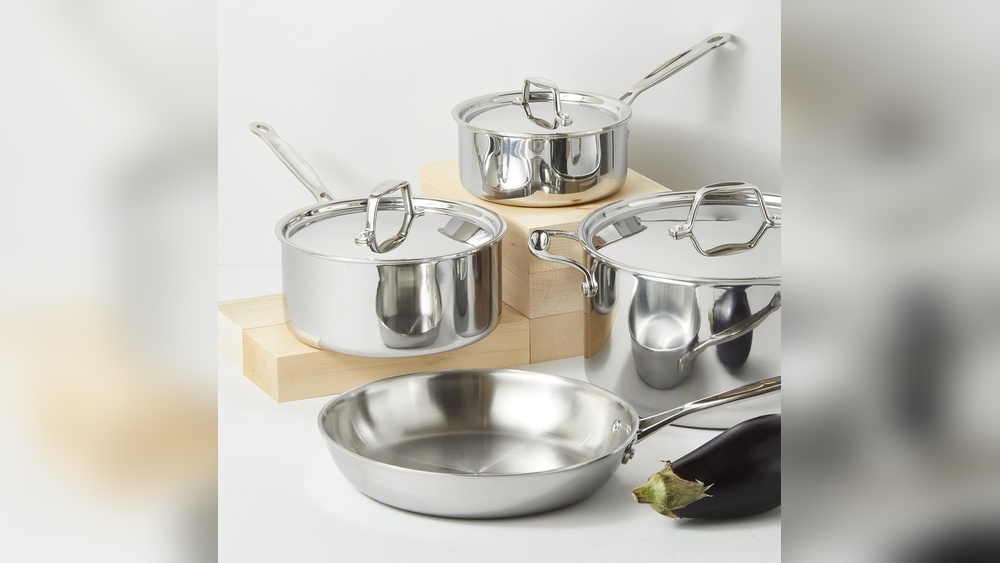
Stainless steel is popular for induction cooking. It is strong and resists rust and stains. Not all stainless steel is magnetic, so check for induction compatibility. Look for cookware with a magnetic layer at the base. These pans heat evenly and last long.
Cast Iron And Enameled Cast Iron
Cast iron holds heat well and cooks food evenly. It works perfectly on induction stoves because it is magnetic. Enameled cast iron has a smooth coating that stops rust. It is easier to clean and does not need seasoning. Both types are heavy but very durable.
Multi-ply And Clad Cookware
Multi-ply cookware has layers of different metals. Usually, stainless steel covers aluminum or copper cores. This design spreads heat quickly and evenly. Clad cookware is similar and often very durable. These pans are great for precise cooking on induction.
Key Features To Look For
Choosing the right cookware for induction cooktops requires attention to specific features. These features ensure the cookware works efficiently and lasts long. Understanding these key points helps in making smart purchases. The cookware must meet certain standards to be compatible with induction technology.
Magnetic Properties
Induction cooktops use magnets to heat the cookware. Cookware must have magnetic material like cast iron or stainless steel. Test with a magnet: it should stick firmly to the base. Non-magnetic materials like aluminum or glass do not work. Magnetic cookware heats faster and uses energy better.
Flat Bottom Design
The cookware base must be flat and smooth. A flat bottom makes full contact with the cooktop surface. This ensures even heat distribution across the pan. Warped or rounded bottoms reduce efficiency and cause uneven cooking. Flat cookware also prevents scratches on the cooktop.
Durability And Maintenance
Choose cookware that resists scratches and dents. Durable materials last longer and handle daily use well. Stainless steel and cast iron are good options for toughness. Easy-to-clean surfaces save time and effort. Avoid cookware that stains or rusts easily. Proper maintenance keeps the cookware safe and functional.
Sizing And Set Selection
Choosing the right size and set of cookware for induction cooking matters a lot. It affects how well you cook and the space you use in your kitchen. Picking the right pieces means you avoid clutter and have the tools you need for many recipes.
Essential Cookware Pieces
A basic induction cookware set should cover most cooking tasks. Start with a frying pan for sautéing and frying. A saucepan is good for sauces and boiling. A larger pot works well for soups and stews. These three pieces handle most meals.
Consider adding a grill pan if you like grilling indoors. A stockpot is useful for big batches and pasta. Choose pieces with flat bottoms for better contact with the induction surface.
Choosing The Right Sizes
Cookware size depends on how many people you cook for. Small pans, 8-10 inches, suit one to two people. Medium pans, 10-12 inches, fit a family of three to four. Large pans, over 12 inches, work well for bigger groups.
Use smaller pots for sauces and larger ones for soups. Avoid very large pans if your induction hob has small burners. Match the pan size to the burner size for even heating.
Budget And Brand Considerations
Choosing cookware for induction cooking needs careful thought about budget and brand. Price often reflects the quality, durability, and features of the cookware. Picking the right balance between cost and quality ensures long-term satisfaction. Brand reputation also plays a key role in trust and product performance.
Affordable Vs Premium Options
Affordable cookware suits beginners or those on a tight budget. These sets often use simpler materials but still work on induction cooktops. They may wear out faster or have fewer features. Premium options use high-quality materials like stainless steel or hard-anodized aluminum. They last longer and conduct heat more evenly. Premium sets often come with better warranties and design details. Decide what fits your budget and how often you cook.
Trusted Brands For Induction
Trusted brands offer reliable induction cookware with good reviews. They invest in quality control and customer service. Look for brands that specialize in induction or have specific product lines for it. Well-known brands often use better materials and advanced manufacturing. This means cookware that heats evenly and resists warping. Research brand history and user feedback before buying. Trusted brands reduce the risk of poor performance or early damage.
:max_bytes(150000):strip_icc()/FAW-AllClad_D5_10PC-FredHardy-0273-2-c46a6504af4d4a708896a8bf8d3551b2.jpeg)
Credit: www.foodandwine.com
Frequently Asked Questions
What Materials Work Best For Induction Cookware?
Cookware must have magnetic properties to work on induction stoves. Cast iron and stainless steel with a magnetic base are ideal choices. Aluminum or copper alone won’t work unless they have a magnetic layer.
How To Test If Cookware Is Induction Compatible?
Place a magnet on the bottom of the pan. If it sticks well, the pan will work with induction cooktops. This simple test helps avoid buying wrong cookware.
Can Non-stick Pans Be Used On Induction Cooktops?
Yes, non-stick pans with a magnetic base are suitable for induction. Check the label to ensure they are induction-compatible. The non-stick layer does not affect induction heating.
Does The Cookware Size Affect Induction Cooking?
The pan’s base should match the size of the induction zone. Too small or too large cookware can reduce heating efficiency. Proper size ensures even and fast cooking.
Are Expensive Cookware Sets Better For Induction Cooking?
Price does not always mean better induction performance. Quality depends on the material and magnetic base, not just cost. Affordable brands can also work well on induction stoves.
Conclusion
Choosing the right cookware for induction makes cooking easier and safer. Focus on materials like stainless steel or cast iron for best results. Check for flat bottoms and good magnetic properties. Size and weight also matter for comfort and fit.
Remember, quality cookware lasts longer and heats evenly. Take your time to pick what suits your needs. Enjoy cooking with confidence and better results every time. Simple steps lead to great meals.