Your hardwood floors are one of the most beautiful features in your home. But keeping them clean without causing damage can feel tricky.
You want your floors to shine and last for years, but harsh cleaners and the wrong tools can quickly ruin them. What if you could learn simple, safe ways to clean your hardwood floors that protect their natural beauty? You’ll discover easy tips and expert advice to keep your floors looking fresh and flawless—without any guesswork.
Ready to make your hardwood floors sparkle safely? Let’s dive in.
Choosing The Right Cleaning Tools
Choosing the right tools is key to cleaning hardwood floors safely. The wrong tools can cause scratches or damage. Gentle, effective cleaning tools protect the wood and keep it looking great. This section explains the best options for hardwood floor care.
Soft-bristled Brooms
Soft-bristled brooms sweep dirt and dust without scratching floors. The soft bristles are gentle on hardwood surfaces. They reach corners and edges easily. Use them regularly to prevent dirt buildup. Avoid stiff bristles that can leave marks.
Microfiber Mops
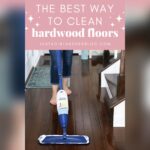
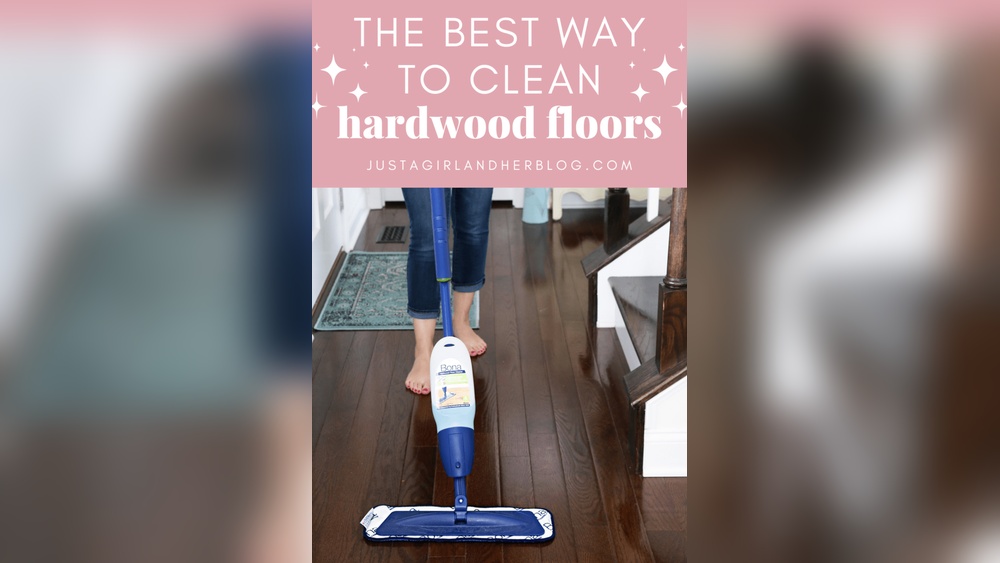
Microfiber mops trap dirt and dust with ease. Their soft fibers clean without water damage. They use less moisture than traditional mops. This helps protect the wood from warping. Choose a mop with a washable, reusable pad for eco-friendly cleaning.
Vacuum Cleaners For Hardwood
Vacuum cleaners with hardwood settings work well for deep cleaning. Use models with soft brush rolls or no beater bars. These avoid scratching or denting the floor. Vacuum regularly to remove fine dust and debris. Check the vacuum’s wheels to ensure they are smooth and floor-friendly.
:max_bytes(150000):strip_icc()/mopping-wood-floors-getty-0123-2000-5479e90420a8494bb3317e611892bbf0.jpg)
Credit: www.marthastewart.com
Safe Cleaning Solutions
Cleaning hardwood floors safely protects their beauty and lasts longer. Choosing the right cleaning solutions is very important. Harsh chemicals can damage the wood and finish. Natural and gentle options keep floors shiny and healthy.
Diy Natural Cleaners
Simple ingredients can make effective cleaners. Mix equal parts of water and white vinegar for a gentle solution. Add a few drops of mild dish soap for extra cleaning power. Use a soft mop or cloth to avoid scratches. Always wring out excess liquid to prevent water damage.
Avoiding Harsh Chemicals
Strong chemicals can strip the wood finish. Avoid bleach, ammonia, and abrasive cleaners. These harm the floor’s surface and cause discoloration. Stay away from oil-based soaps too. They leave a sticky residue that attracts dirt.
Commercial Hardwood Floor Cleaners
Choose cleaners made specifically for hardwood floors. Read labels to ensure they are safe and non-toxic. Test new products on a small area first. Follow the instructions carefully for the best results. Proper products keep floors clean without damage.
Step-by-step Cleaning Process
Cleaning hardwood floors needs care and the right steps. Follow this simple process to keep your floors shiny and safe. Each step helps protect the wood and makes cleaning easier.
Dusting And Sweeping
Start by removing dust and dirt. Use a soft broom or a microfiber dust mop. Avoid stiff brushes that can scratch the floor. Sweep gently to collect dust and small debris. This step stops dirt from scratching the wood during mopping.
Mopping Techniques
Use a damp mop with warm water and a mild cleaner made for hardwood. Do not soak the mop; it should be just damp. Mop in the direction of the wood grain. Rinse the mop often to avoid spreading dirt. Avoid harsh chemicals and excessive water that damage the floor finish.
Drying The Floor Properly
After mopping, dry the floor quickly. Use a clean, dry cloth or towel. Remove all moisture to prevent water damage. Open windows or use fans to speed up drying. Dry floors help keep wood strong and beautiful for years.
Preventing Damage And Scratches
Hardwood floors look beautiful but can get damaged easily. Scratches and dents lower their shine and lifespan. Taking simple steps helps keep floors smooth and strong. Protecting floors saves money and effort later.
Using Floor Mats And Rugs
Place floor mats at entryways to catch dirt and grit. Dirt particles can scratch hardwood when walked on. Rugs in high-traffic areas reduce wear on the floor. Use rugs with non-slip backing to avoid sliding. Clean mats and rugs often to remove trapped debris.
Furniture Pads And Protection
Attach soft pads under furniture legs to stop scratches. Move furniture carefully to avoid dragging marks. Replace pads regularly as they wear out over time. For heavy items, use wider pads to spread weight. This prevents dents and keeps floors smooth.
Avoiding Excess Water
Water can damage wood by causing swelling and warping. Use a damp mop, not a wet one, to clean floors. Wipe spills immediately to prevent water damage. Avoid steam cleaners on hardwood as they add too much moisture. Dry floors thoroughly after cleaning to keep them safe.
Maintaining Shine Between Cleanings
Maintaining the shine of hardwood floors between cleanings helps keep your home bright and fresh. Daily care prevents dirt buildup and protects the wood. Small efforts make a big difference in preserving your floor’s beauty.
Regular Dusting Tips
Dusting removes fine dirt and prevents scratches. Use a soft microfiber mop or cloth. Avoid using a vacuum with a beater bar. Dust floors gently every few days. This stops dust from settling deep into the wood.
Spot Cleaning Stains
Clean spills quickly to avoid stains. Use a damp cloth with mild soap. Do not soak the floor. Blot the spill instead of rubbing. For tough spots, try a cleaner made for hardwood floors. Test it in a small area first.
Polishing And Refinishing
Polishing adds a fresh shine and smooth finish. Use a polish designed for hardwood floors. Apply it sparingly and follow instructions. Refinishing removes scratches and restores wood. It should be done by professionals every few years. Regular polishing extends the time between refinishing jobs.
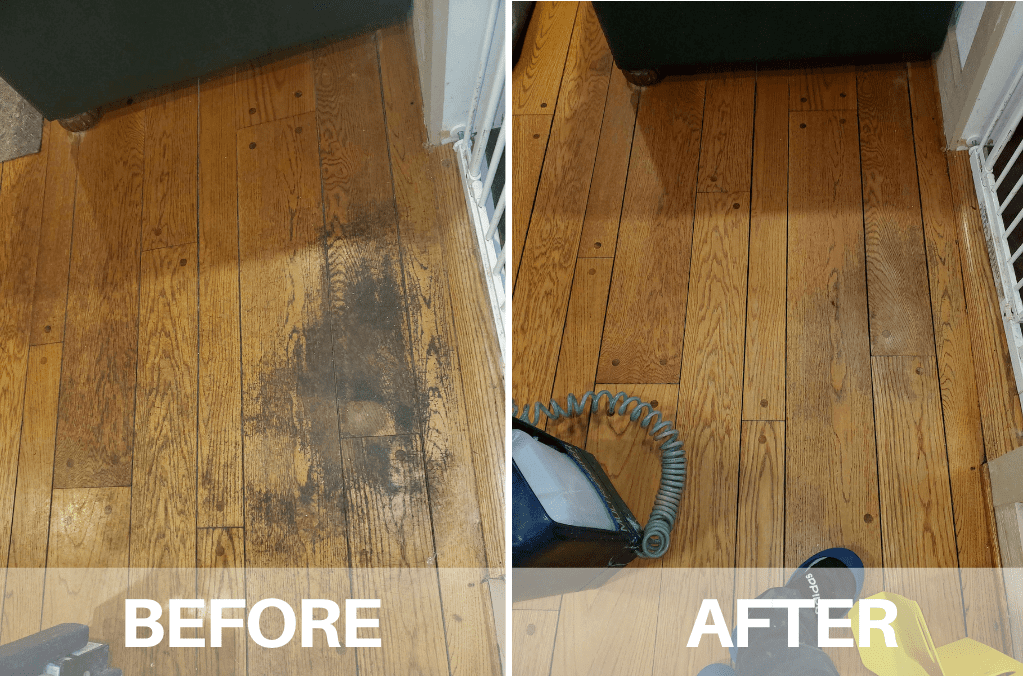
Credit: chetscleaning.com
:strip_icc()/homekeeping-house-cleaning-surface-how-to-clean-hardwood-floors-042-9ebd927d759e4e6fbe4c6e473587dfb1.jpg)
Credit: www.bhg.com
Frequently Asked Questions
How Often Should I Clean Hardwood Floors?
Clean hardwood floors weekly to remove dust and dirt. Regular cleaning prevents scratches and maintains their shine. Avoid excessive water to protect the wood.
What Is The Safest Cleaner For Hardwood Floors?
Use a pH-neutral, non-toxic hardwood floor cleaner. Avoid harsh chemicals like ammonia or bleach. Always follow the manufacturer’s recommendations for best results.
Can I Use Vinegar To Clean Hardwood Floors?
Vinegar is acidic and can dull hardwood finishes. If used, dilute heavily with water and apply sparingly. It’s safer to use products designed specifically for hardwood.
Is It Safe To Use A Steam Mop On Hardwood Floors?
Steam mops can damage hardwood by causing moisture to seep into the wood. Avoid steam cleaning; instead, use a damp mop with a suitable cleaner.
Conclusion
Cleaning hardwood floors safely takes care and attention. Use gentle cleaners and soft tools to protect wood. Avoid harsh chemicals that can damage the finish. Regular sweeping keeps dirt from scratching floors. Quick spills cleanup helps prevent stains and warping.
Keep floors dry but never soak them with water. Following these simple steps keeps your floors shining long. Enjoy the natural beauty of your hardwood every day. Safe cleaning preserves both shine and strength for years.