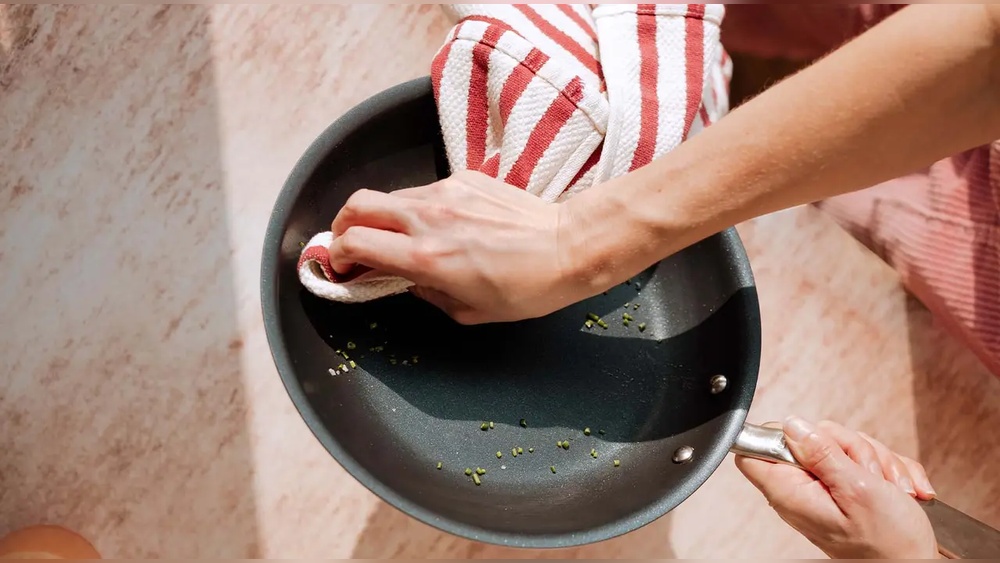
You rely on your nonstick pans every day to make cooking easier and cleanup faster. But if you’re not careful, these pans can lose their magic, becoming sticky and unsafe to use.
What if you could keep your pans looking new and cooking perfectly, meal after meal? You’ll discover simple, effective tips to clean your nonstick pans without damaging them. By following these easy steps, you’ll protect your investment, keep your food safe, and enjoy stress-free cooking every time.
Ready to extend the life of your favorite pans? Let’s dive in.
Choosing The Right Cleaning Tools
Choosing the right cleaning tools is key to keeping nonstick pans in good shape. The wrong tools can scratch or damage the surface. This shortens the life of your pan and makes cooking harder. Using gentle tools protects the nonstick coating and keeps pans safe to use. Simple care helps pans stay clean and last longer.
Avoiding Abrasive Scrubbers
Abrasive scrubbers like steel wool or rough brushes harm nonstick surfaces. They scrape off the coating and cause scratches. Scratches make food stick more and damage the pan’s finish. Avoid harsh scrubbers to keep your pan smooth. Instead, choose softer cleaning options that clean without damage.
Best Sponges And Cloths For Nonstick Pans
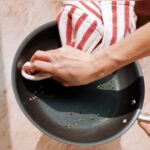
Soft sponges and cloths work best for cleaning nonstick pans. Look for sponges with a smooth side and a gentle scrubbing side. Microfiber cloths are gentle and absorbent, perfect for wiping pans clean. Use warm, soapy water with these tools to remove grease and food. These gentle tools clean well and protect your pan’s surface.
Effective Cleaning Techniques
Keeping nonstick pans clean is important for their long life and cooking safety. Using the right cleaning methods helps protect the pan’s surface. This section covers effective cleaning techniques to keep your pans in great shape.
Hand Washing Vs. Dishwasher Use
Hand washing is the safest method for nonstick pans. Use warm water and mild dish soap. A soft sponge cleans without scratching the surface. Avoid abrasive scrubbers or steel wool.
Dishwashers can damage the nonstick coating. High heat and strong detergents cause the coating to wear out faster. Frequent dishwasher use reduces pan life. Hand washing extends the pan’s usability and keeps it safe.
Removing Stubborn Residue Safely
Stubborn food residue needs gentle care. Fill the pan with warm soapy water. Let it soak for 10 to 15 minutes. This softens the residue, making it easier to remove.
Use a soft sponge or non-abrasive brush to scrub gently. Avoid metal utensils or harsh scrubbing pads. For tough spots, a paste of baking soda and water works well. Apply it, wait a few minutes, then wipe clean with a soft cloth.
Maintaining Nonstick Coating Integrity
Maintaining the nonstick coating on your pans is key to their long life. The coating makes cooking easier and cleaning faster. Taking care of it helps keep food from sticking and avoids damage.
Simple habits protect the coating. Treat your pans gently and keep them dry. These steps help your pans stay in good shape and work well for years.
Proper Drying And Storage
After washing, dry your pan completely. Water left on the surface can cause rust or damage. Use a soft cloth or towel to pat it dry gently.
Store pans in a dry place. Avoid stacking them without protection. Place a soft cloth or paper towel between pans to stop scratches.
Keep lids off or loose to avoid moisture build-up. This prevents peeling or bubbling of the coating.
Avoiding High Heat Damage
Nonstick coatings break down at very high temperatures. Use medium or low heat when cooking. High heat can make the coating wear out fast.
Do not heat an empty pan for long. This causes overheating and damages the surface. Always add oil, butter, or food before heating.
Electric and gas stoves can get very hot quickly. Watch the heat level to protect your pan’s coating.
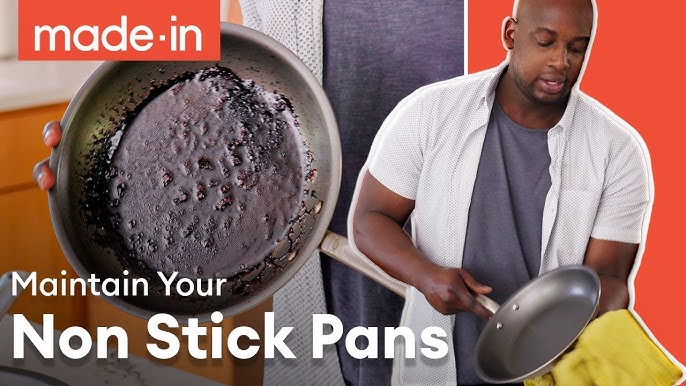
Credit: www.youtube.com
Safe Cooking Practices
Safe cooking practices help keep your nonstick pans in top shape. They also protect your health and improve food taste. Simple habits during cooking can extend the life of your pans and keep meals safe.
Using The Right Utensils
Choose utensils made of wood, silicone, or plastic. Metal tools can scratch the nonstick coating. Scratches reduce the pan’s effectiveness and can release harmful particles. Soft utensils keep the surface smooth and safe. Avoid sharp or rough tools while cooking or cleaning.
Cooking Oils And Their Impact
Use oils with a high smoke point like avocado or canola oil. Oils that burn easily can damage the nonstick surface. Burnt oil leaves residue and affects taste. Add oil before heating the pan for better protection. Clean the pan after each use to remove oil buildup.
When To Replace Your Nonstick Pan
Knowing when to replace your nonstick pan is important for safety and cooking quality. A worn-out pan can affect how your food cooks and may even pose health risks. Checking your pan regularly helps keep your kitchen safe and your meals tasty.
Signs Of Wear And Tear
Look for scratches or peeling on the pan’s surface. These signs mean the nonstick coating is breaking down. Food may start sticking more than usual. The pan might also discolor or warp from heat. These are clear signs it’s time for a new pan.
Health Considerations
Damaged coatings can release harmful chemicals during cooking. Eating food from a scratched pan can be unsafe. Older pans made before 2013 may contain PFOA, a harmful chemical. Using a new pan reduces health risks and keeps meals safe to eat.

Credit: www.amazon.com

Credit: www.amazon.com
Frequently Asked Questions
How Do I Clean A Nonstick Pan Without Damaging It?
Use warm water and mild dish soap with a soft sponge. Avoid abrasive scrubbers or steel wool to protect the coating.
Can I Put Nonstick Pans In The Dishwasher?
Most nonstick pans are not dishwasher safe. Hand washing helps keep the coating strong and lasts longer.
What Should I Avoid To Keep Nonstick Pans Safe?
Avoid cooking sprays, high heat, and metal utensils. These can scratch or wear down the nonstick surface.
How Often Should I Deep Clean My Nonstick Pan?
Deep clean your pan once a month using baking soda and water. This removes stuck-on food without harming the coating.
Is It Safe To Use Oil With Nonstick Pans?
Yes, a small amount of oil helps food cook evenly. Avoid using too much oil to keep the pan clean.
Conclusion
Keeping nonstick pans clean and safe takes simple steps. Use soft sponges and mild soap for washing. Avoid metal tools that can scratch the surface. Cook on low or medium heat to protect the coating. Store pans carefully to prevent damage.
Regular care helps pans last longer and stay effective. Clean pans cook food better and keep it healthy. Follow these tips to enjoy cooking with your pans every day. Easy habits make a big difference in pan care. Safe and clean pans make cooking more fun.