Your electric mixer is one of the most useful tools in your kitchen, making cooking and baking faster and easier. But have you ever stopped to think about how to keep it working safely and smoothly?
If you want to avoid costly repairs or even accidents, knowing how to maintain your electric mixer properly is key. You’ll discover simple, effective tips that will help you protect your mixer and keep it running like new. Keep reading—you’ll be glad you did.
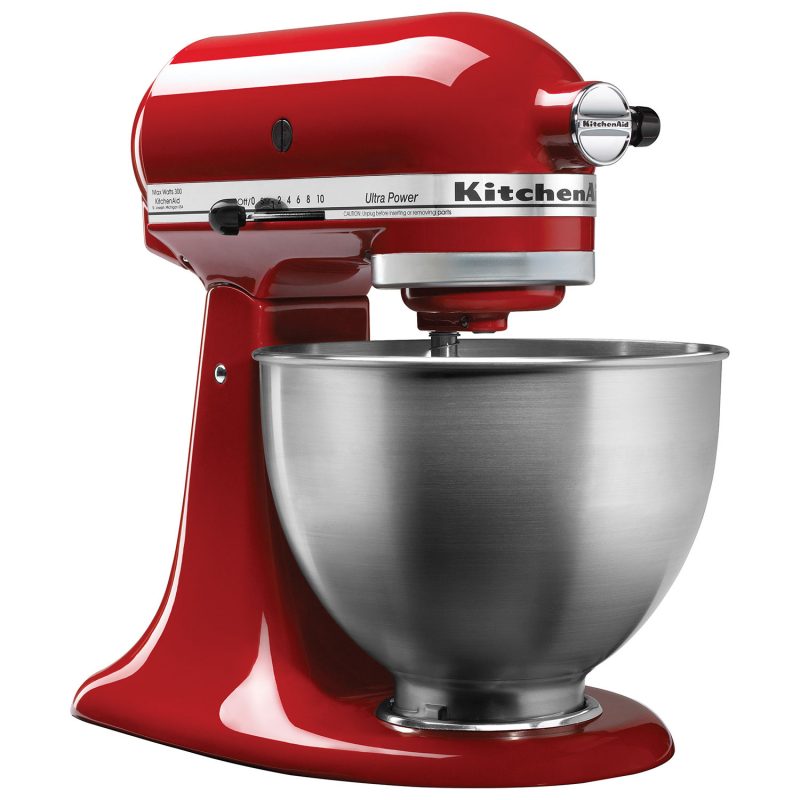
Credit: allareaappliancellc.com
Choosing The Right Mixer
Choosing the right electric mixer is key to safe and effective use. A good mixer matches your kitchen needs. It should handle the tasks you plan to do. Picking the right one helps prevent accidents and saves time.
Consider important features before buying. Think about power, size, and safety. These affect how well the mixer works and how safe it is to use.
Consider Power And Capacity
Power shows how strong the mixer motor is. A stronger motor handles thick dough and heavy mixes easily. Low power may cause the mixer to overheat or stop.
Capacity means how much the bowl can hold. Large bowls suit big batches or families. Small bowls are fine for quick, simple tasks. Choose a size that fits your needs to avoid spills or overloading.
Check Safety Features
Safety features protect users from harm. Look for mixers with automatic shut-off to prevent overheating. Non-slip feet keep the mixer steady on counters. A secure locking system stops the mixer from running if not closed properly.
Also, check for easy-to-reach controls. This helps you stop the mixer quickly in case of problems. Safety features reduce accidents and make the mixer easier to use.
Proper Cleaning Techniques
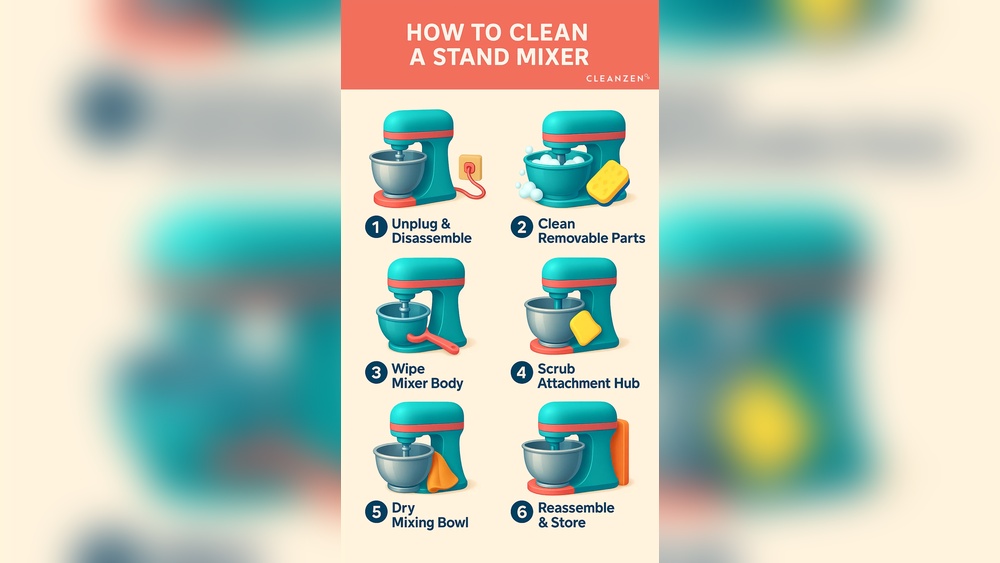
Proper cleaning techniques keep your electric mixer working well and safe. Dirt and food bits can build up in small parts. Cleaning removes these and stops damage. Clean the mixer often. This helps it last longer and stay hygienic.
Unplug Before Cleaning
Always unplug the mixer before cleaning. This stops electric shocks and accidents. Never clean the mixer while it is plugged in. Make sure your hands are dry when unplugging. Safety first.
Use Suitable Cleaning Tools
Use soft cloths or sponges to clean the mixer. Avoid rough brushes that can scratch the surface. Small brushes or toothpicks can clean tight spots. Use mild soap with water for sticky spots. Do not use harsh chemicals or abrasive cleaners.
Avoid Water Damage
Do not soak the mixer in water. Water can damage the motor and electrical parts. Use a damp cloth to wipe the outside only. Be careful around buttons and openings. Dry the mixer completely before using it again.
Routine Inspection
Routine inspection keeps electric mixers working well and safe. It helps find small problems before they become big. Regular checks save money and prevent accidents in the kitchen.
Examine Cords And Plugs
Look carefully at the power cord for cuts or frays. Check the plug for bent or broken prongs. Loose connections can cause sparks or shocks. Never use a mixer with damaged cords or plugs. Replace cords or plugs right away if you see damage.
Inspect Attachments And Blades
Remove attachments and check for cracks or wear. Blades should be sharp and not bent. Dull or damaged blades can hurt your mixer or food. Clean and dry attachments after each use to stop rust. Replace any broken parts before using the mixer again.

Credit: www.amazon.com
Safe Usage Practices
Using electric mixers safely protects the machine and prevents accidents. Following simple safety steps keeps the mixer working well for a long time. These practices also help avoid damage and injuries.
Avoid Overloading
Do not fill the mixer beyond its capacity. Overloading strains the motor and can cause it to stop. Use smaller batches to keep the mixer running smoothly. This practice prevents overheating and extends the mixer’s life.
Use On Stable Surfaces
Place the mixer on a flat, firm surface. A stable base stops the mixer from tipping over during use. Avoid using it on slippery or uneven areas. This reduces the risk of spills and accidents in the kitchen.
Storage And Handling
Proper storage and handling of electric mixers keep them working well for a long time. Safe habits prevent damage and accidents in your kitchen. Simple steps help protect your mixer from moisture, dust, and falls.
Store In Dry Areas
Keep your electric mixer in a dry place to avoid rust and electrical problems. Moisture can harm the motor and metal parts. Find a cupboard or shelf away from sinks or damp spots. Always dry the mixer before storing it after cleaning.
Keep Away From Children
Store the mixer where children cannot reach it. The mixer has sharp blades and electric parts that can cause harm. Use high shelves or locked cabinets to keep it safe. Teaching kids about kitchen safety lowers the risk of accidents.

Credit: www.amazon.com
Frequently Asked Questions
How Often Should I Clean My Electric Mixer?
Clean your electric mixer after every use to avoid buildup. Use a damp cloth for the outside and wash removable parts with warm, soapy water.
What Safety Steps Should I Take Before Maintenance?
Always unplug the mixer before cleaning or fixing it. Check that the blades have stopped moving and avoid water near the motor.
Can I Use Water To Clean The Mixer Motor?
Never immerse the mixer motor in water. Wipe the motor housing with a damp cloth to keep it clean and dry.
How Do I Check For Worn Or Damaged Parts?
Look for cracks, loose parts, or dull blades regularly. Replace damaged parts immediately to keep the mixer safe and working well.
What Should I Do If The Mixer Overheats?
Turn off and unplug the mixer if it feels hot. Let it cool down completely before using it again to prevent damage or accidents.
Conclusion
Safe maintenance keeps your electric mixer working longer. Clean the parts after each use. Check the cord and plug regularly for damage. Avoid water contact with the motor. Store the mixer in a dry place. Follow the user manual for proper care tips.
Small steps prevent big problems. Keep your kitchen safe and your mixer ready to use anytime. Regular care saves money and hassle. Simple habits make a big difference in safety and performance.