If you love cooking with nonstick cookware, you know how easy it makes your life. But have you ever noticed your pans losing their magic after a while?
Scratches, peeling, or food sticking can ruin your favorite pots and pans—and your meals. The good news is, you don’t have to replace them often. With the right care, your nonstick cookware can stay like new for years. You’ll discover simple, effective tips to keep your pans in top shape.
Keep reading, and learn how to protect your investment and make every meal a joy to cook.
Choosing Quality Nonstick Cookware
Choosing quality nonstick cookware is the first step to keeping your pans lasting longer. Good cookware saves money and reduces waste. It also cooks food better and cleans easily. Spend time understanding what makes cookware strong and safe. This knowledge helps pick the best pans for your kitchen.
Materials That Last
Nonstick pans come in different materials. Aluminum is light and heats fast. Hard-anodized aluminum is stronger and scratches less. Stainless steel pans with nonstick coating last longer and resist warping. Ceramic coatings are a safer, natural option. They handle high heat but may wear faster. Avoid cheap coatings that peel or chip quickly. Quality materials keep the coating intact and cooking smooth.
Brands Worth Investing In
Some brands build nonstick cookware better than others. They use durable materials and safe coatings. Brands with good reviews often offer warranties. Trusted names test their products for safety and performance. Choose brands known for lasting cookware. Avoid very cheap brands that use low-quality materials. A bit more money upfront means less replacement later.
Proper Cleaning Techniques
Proper cleaning techniques keep nonstick cookware in good shape for years. Clean your pans carefully after every use. This prevents food buildup and protects the nonstick surface.
Use gentle methods to clean. Avoid anything that can scratch or damage the coating. Clean cookware properly to maintain its nonstick power and appearance.
Hand Washing Tips
Always wash nonstick pans by hand. Use warm water and mild dish soap. A soft sponge or cloth works best. Avoid scrubbing hard to protect the coating. Rinse well to remove all soap. Dry the pan with a soft towel to stop water spots.
Avoiding Harsh Cleaners
Do not use bleach or strong chemicals. These can break down the nonstick surface. Skip abrasive powders or steel wool. These tools scratch and ruin the coating quickly. Stick to gentle cleaners made for delicate cookware. This keeps your pans safe and lasting longer.
Dealing With Stubborn Residue
Soak the pan in warm, soapy water for 10-15 minutes. This loosens stuck-on food without scrubbing hard. Use a soft sponge to wipe away residue gently. For tough spots, try a paste of baking soda and water. Let it sit briefly, then wipe clean. Avoid metal scrapers that can damage the surface.
Safe Cooking Practices
Safe cooking practices help keep nonstick cookware in good shape. They stop damage and make your pans last longer. Simple habits in the kitchen protect the coating from scratches and wear. This section covers key tips to use your nonstick cookware safely every day.
Using Appropriate Utensils
Metal utensils can scratch the nonstick surface. Use wooden, silicone, or plastic tools instead. These materials are gentle and keep the coating smooth. Avoid cutting or scraping food directly in the pan. This prevents damage and keeps your cookware working well.
Controlling Heat Levels
Nonstick pans work best on low to medium heat. High heat can break down the coating and release fumes. Heat your pan slowly and avoid overheating. Turn off the heat as soon as cooking finishes. This practice keeps the surface safe and your food tasty.
Avoiding Cooking Sprays
Cooking sprays can build up on nonstick surfaces. They leave sticky residue that is hard to clean. Use a small amount of oil or butter instead. This helps food not stick without harming the pan. Regular cleaning removes any leftover oils and keeps the coating fresh.

Credit: www.youtube.com
Storage And Handling
Proper storage and handling keep nonstick cookware in great shape. Careful habits prevent damage and extend the life of your pans. Simple steps protect the coating and maintain cooking performance.
Preventing Scratches
Never use metal utensils on nonstick surfaces. Choose wood, silicone, or plastic tools instead. Avoid abrasive scrubbers or harsh cleaning pads. Scratches ruin the nonstick coating and cause food to stick.
Stacking Safely
Avoid stacking pans directly on top of each other. Place a soft cloth or paper towel between them. This cushion stops scratches and dents from contact. Handle pans gently to prevent accidental drops or bumps.
Protective Covers And Liners
Use silicone or fabric liners inside cookware when stacking. These liners add extra protection to the coating. Store lids separately or with a soft cover to avoid scratches. Covers keep dust away and maintain cleanliness.
Periodic Maintenance Tips
Periodic maintenance keeps nonstick cookware working well for years. Small efforts prevent damage and preserve the surface. This saves money and avoids cooking problems.
Reconditioning Nonstick Surfaces
Reconditioning restores the smooth, nonstick finish. Clean the pan with warm water and mild soap. Avoid harsh scrubbing to protect the coating.
Apply a thin layer of cooking oil after drying. Heat the pan on low for a few minutes. Let it cool and wipe excess oil. This process refreshes the nonstick surface.
Use wooden or silicone utensils to prevent scratches. Do not use metal tools that can damage the coating.
When To Replace Your Cookware
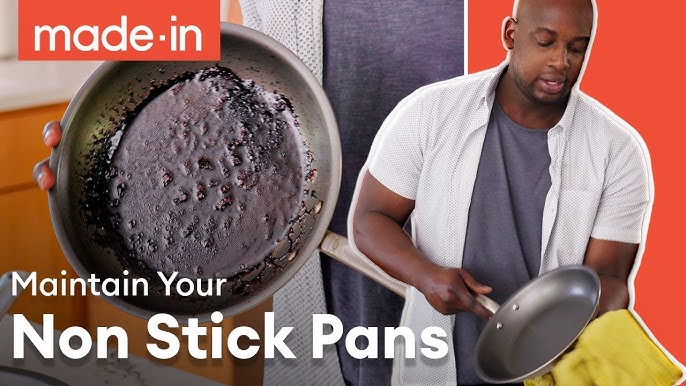
Replace cookware when the coating peels or flakes. Scratches and peeling reduce the nonstick effect and safety.
If food sticks despite cleaning and reconditioning, it is time to get new pans. Warped or cracked cookware also needs replacement.
Keep an eye on the condition. Regular checks avoid cooking problems and health risks.

Credit: food52.com
Credit: www.youtube.com
Frequently Asked Questions
How Do I Clean Nonstick Cookware Properly?
Use warm, soapy water and a soft sponge to clean. Avoid abrasive scrubbers to protect the coating. Rinse thoroughly and dry with a soft cloth to prevent damage.
Can I Use Metal Utensils On Nonstick Pans?
No, metal utensils can scratch and damage the nonstick surface. Use wooden, silicone, or plastic utensils to keep the coating intact and extend cookware life.
What Heat Level Is Best For Nonstick Cookware?
Use low to medium heat to preserve the coating. High heat can degrade the nonstick surface and reduce its lifespan.
How Should I Store Nonstick Cookware Safely?
Stack with care by placing paper towels or cloth between pans. This prevents scratches and preserves the nonstick layer.
Conclusion
Taking care of nonstick cookware helps it last for years. Clean it gently with soft sponges. Avoid metal tools that can scratch the surface. Use low to medium heat to protect the coating. Store pans carefully to prevent damage. Small habits make a big difference over time.
A well-maintained pan cooks food better and saves money. Keep these tips in mind for happy cooking days ahead. Your nonstick cookware will thank you with great performance. Simple care goes a long way.