
You love capturing nature’s beauty on your hiking trips, but packing your camera gear can feel overwhelming. How do you bring everything you need without carrying a heavy load?
If you’ve ever struggled with bulky bags or missed the perfect shot because your gear wasn’t ready, this guide is for you. Keep reading to discover simple, smart ways to pack your camera gear so you stay light, organized, and ready for every amazing photo opportunity on the trail.
Your next great shot is closer than you think.

Credit: www.airoxnigen.com
Choosing The Right Camera Gear
Choosing the right camera gear is important for hiking trips. The gear should be light and easy to carry. Heavy equipment can slow you down and tire you out quickly. Good gear helps you capture beautiful moments without extra weight. Focus on gear that fits your needs and hiking style.
Think about the type of photos you want to take. Nature shots, close-ups, or wide landscapes need different tools. Pack only what you really need. This keeps your pack light and comfortable.
Selecting Lightweight Cameras
Pick a camera that is small and light. Mirrorless cameras are a great choice. They offer good quality without heavy weight. Compact point-and-shoot cameras also work well. They fit easily in your bag or pocket. Avoid bulky DSLRs unless you need professional quality.
Essential Lenses For Hiking
Choose lenses that cover a range of scenes. A zoom lens can replace several fixed lenses. A wide-angle lens captures large landscapes. A macro lens helps with close-up shots of plants or insects. Limit yourself to one or two lenses to save space and weight.
Must-have Accessories
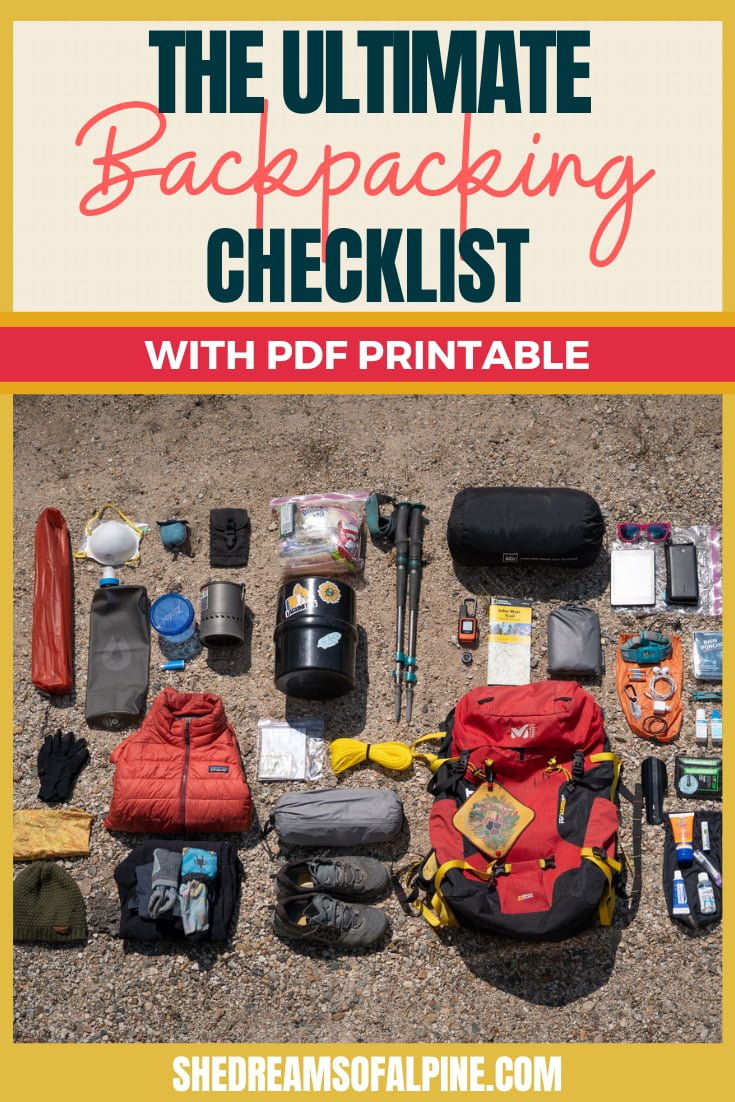
Bring only necessary accessories. Extra batteries keep your camera ready all day. Memory cards with large storage hold many photos. A lightweight tripod helps with steady shots. Use a protective camera bag that keeps gear safe. Clean cloths remove dust from lenses quickly.
Credit: www.shedreamsofalpine.com
Packing Techniques For Protection
Protecting camera gear during hiking trips is essential. Proper packing techniques keep your equipment safe from shocks, dust, and moisture. These methods help you carry your gear comfortably and prevent damage on rough trails.
Using Padded Camera Bags
Padded camera bags absorb impacts and reduce damage risk. Look for bags with thick foam padding. They cushion your camera and lenses against drops and bumps. A snug fit inside the bag stops gear from moving around. Choose bags designed specifically for camera equipment for best protection.
Organizing With Dividers
Dividers separate each camera item inside the bag. They stop lenses and cameras from hitting each other. Adjustable dividers allow you to customize space for different gear sizes. This keeps everything stable and easy to find. Proper organization lowers the chance of scratches and broken parts.
Weatherproofing Your Gear
Weatherproof gear stays dry and clean in rain or dust. Use rain covers or waterproof bags to shield your camera. Silica gel packs inside the bag absorb moisture. Wrap sensitive items in plastic bags for extra protection. Keeping gear dry improves its lifespan and performance on hikes.
Optimizing Weight And Space
Packing camera gear for hiking trips needs careful thought. Weight and space are limited on the trail. Carrying too much gear can slow you down. Packing too little might leave you without the shots you want. Finding the right balance is key for a successful hike and photo session.
Prioritizing Gear Based On Trip Length
Short hikes need less gear. Choose one versatile camera and a single lens. Long hikes may require extra lenses and batteries. Plan gear around how many days you hike. Carry only what you can comfortably manage. Leave bulky items at home for short trips.
Minimizing Extra Equipment
Bring only essential accessories. Skip heavy tripods unless necessary. Use lightweight lens filters and cleaning kits. Avoid duplicate items to save space. Compact gear fits better in your backpack. Every gram counts on the trail. Small adjustments reduce load without losing function.
Balancing Camera And Hiking Essentials
Camera gear is important but so is safety. Pack enough water, food, and clothing. Distribute weight evenly in your backpack. Use padded compartments for camera protection. Keep hiking essentials accessible at all times. Your comfort and safety come first on any hike.
Safety Tips On The Trail
Carrying camera gear on a hiking trip needs care and attention. Safety on the trail keeps your equipment safe and ready to use. Following simple tips helps avoid damage and loss. Protect your gear while enjoying the hike.
Securing Gear During Movement
Use padded straps and secure clips to hold cameras tightly. Place gear in a backpack with special compartments. Avoid loose items that can fall or bounce around. Keep heavier gear close to your body for balance. This reduces the risk of dropping or damaging equipment.
Protecting Against Environmental Hazards
Weather can harm cameras and lenses. Use waterproof bags or covers to shield gear from rain. Avoid direct sunlight on cameras to prevent overheating. Keep gear away from dirt, dust, and water on the trail. Use lens caps and body covers to protect sensitive parts.
Regular Gear Checks
Stop periodically to check your camera gear. Make sure straps and zippers are intact. Clean lenses from dust or smudges before shooting. Confirm batteries and memory cards are secure and working. Regular checks prevent surprises and keep gear ready.
Maintaining Gear On The Go
Keeping your camera gear in good shape during a hiking trip is important. Dirt, moisture, and battery drain can hurt your gear’s performance. Small steps help protect your equipment and keep it ready for the next shot. Carrying simple tools and knowing how to care for your gear on the go makes a big difference.
Cleaning Lenses In The Field
Dust and smudges blur photos. Use a soft brush or air blower to remove loose dirt. Avoid wiping lenses when dry; it can scratch the glass. Use a microfiber cloth with a little lens cleaner for stubborn spots. Clean gently in small circles. Keep lens caps on when not shooting.
Battery Management
Batteries drain faster in cold or wet conditions. Carry extra batteries in a warm pocket. Turn off the camera when not in use. Use airplane mode if your camera has Wi-Fi. Check battery levels often. Charge batteries fully before the hike. Avoid mixing old and new batteries.
Storing Gear Overnight
Keep your gear dry and safe overnight. Use waterproof bags or dry sacks for storage. Remove batteries if you won’t use your camera for a while. Store gear in a cool, dry place inside your tent or shelter. Avoid leaving gear exposed to dew or rain. Organize gear to prevent damage during transport.
Credit: paulkirtley.co.uk
Frequently Asked Questions
What Is The Best Camera Bag For Hiking Trips?
A lightweight, weather-resistant camera bag with padded compartments is best. It protects gear and offers easy access during hikes.
How To Protect Camera Gear From Weather On Hikes?
Use waterproof covers and silica gel packs inside your bag. Keep equipment in padded, sealed compartments to avoid moisture damage.
How To Organize Camera Gear Efficiently For Hiking?
Group lenses, batteries, and memory cards separately. Use padded dividers and small pouches to keep gear secure and accessible.
Can I Carry Extra Batteries And Memory Cards Safely?
Yes, store them in protective cases inside your bag. This prevents damage and makes swapping batteries or cards quick and easy.
Conclusion
Packing camera gear for hiking trips takes careful planning. Choose lightweight and durable equipment to carry easily. Protect your gear with padded bags or cases. Organize items so you find them quickly on the trail. Keep extra batteries and memory cards close at hand.
Balance comfort with accessibility to enjoy both hiking and photography. Follow these tips to capture great shots without stress. Your hiking adventure and photography will both benefit. Ready for your next trip? Start packing smart today.