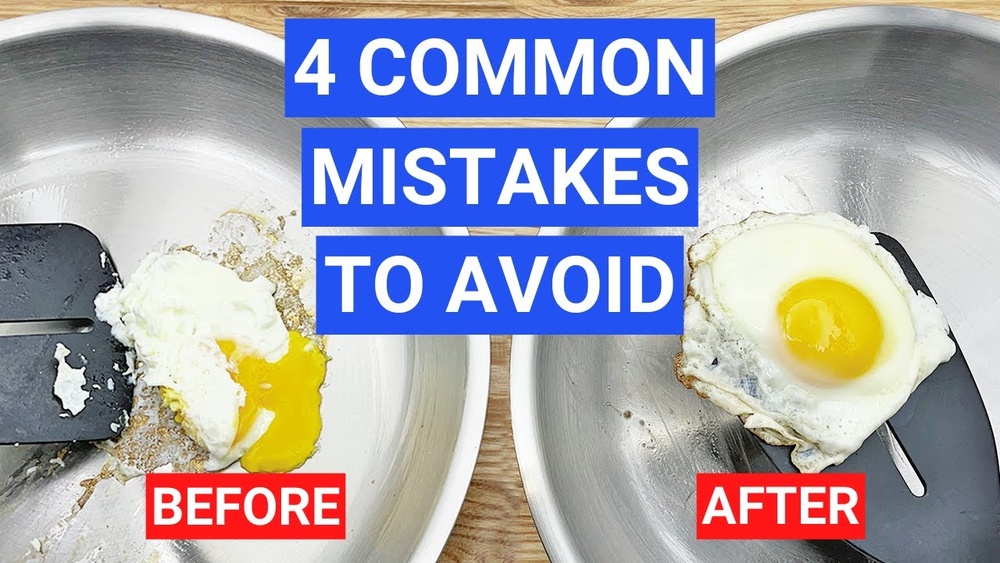
Have you ever spent time cooking only to find your food stuck stubbornly to the pan? It’s frustrating, wastes your effort, and makes cleaning a chore.
But what if you could easily prevent this from happening every time you cook? You’ll discover simple, practical tips that will help you keep your food from sticking—making your cooking smoother and your meals more enjoyable. Keep reading, and you’ll never have to scrape burnt bits off your pan again!

Credit: www.onegoodthingbyjillee.com
Choose The Right Pan
Choosing the right pan is key to stopping food from sticking. Different pans work better for certain foods and cooking styles. Picking the right material helps you cook with less oil and clean up faster. Knowing the pros and cons of each pan type saves time and frustration in the kitchen.
Non-stick Vs Stainless Steel
Non-stick pans have a special coating that stops food from sticking. They heat up quickly and need less oil. Perfect for eggs, pancakes, and delicate fish. But, non-stick coatings can wear off over time. Avoid using metal utensils to keep the surface safe.
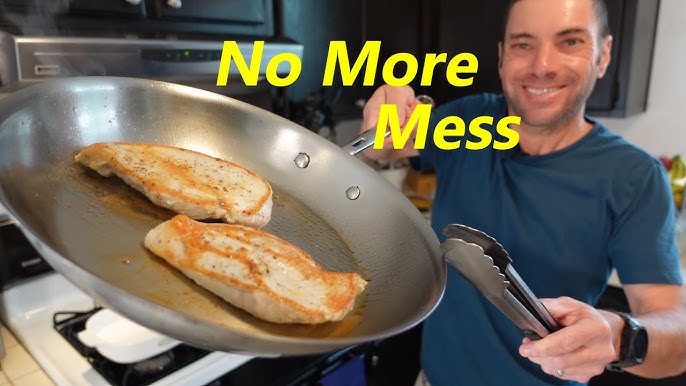
Stainless steel pans don’t have a coating but heat evenly. Food can stick if the pan is too hot or dry. Preheat the pan well and add oil before cooking. Great for searing meat and browning vegetables. They last a long time and handle high heat.
Seasoned Cast Iron Benefits
Cast iron pans are heavy but very durable. A well-seasoned cast iron pan forms a natural non-stick surface. Seasoning means baking oil into the pan’s surface. This layer improves with use and care. Cast iron holds heat very well, ideal for frying and slow cooking.
Cleaning cast iron is simple—avoid soap and dry immediately. Regular seasoning keeps the pan smooth and non-stick. Cast iron pans can last for generations if maintained properly. They add iron to your food, which can be a health benefit.
Prepare Your Pan Properly
Preparing your pan properly is key to stopping food from sticking. A well-prepared pan creates a smooth cooking surface. It helps food cook evenly and makes cleaning easier.
Simple steps before cooking can save you frustration. Learn how to prepare your pan with the right heat and oil.
Preheating Techniques
Start by heating your pan over medium heat. Let it warm up for 1 to 2 minutes. A hot pan helps food release naturally. Avoid cooking on cold pans to prevent sticking. You can test heat by sprinkling a few drops of water. If they dance and evaporate quickly, the pan is ready.
Using Oil Correctly
Choose the right oil for your cooking. Use oils with high smoke points like vegetable or canola oil. Pour a small amount of oil into the pan. Spread it evenly by tilting the pan around. Wait until the oil shimmers before adding food. This creates a barrier between the pan and food. Avoid adding oil too early or too late for best results.
Control Heat Levels
Controlling heat levels is key to stopping food from sticking to your pan. Heat affects how food cooks and how it interacts with the pan’s surface. Too much heat can cause food to burn and stick. Too little heat might make food soggy or cook unevenly. Knowing the right heat helps you cook with ease and get better results.
Avoiding High Heat
High heat can burn food quickly. Burnt food sticks tightly to the pan. It can also ruin the taste and texture. Use medium or low heat for most cooking. This keeps food from burning and sticking. Save high heat for boiling water or searing meat quickly.
Maintaining Consistent Temperature
Fluctuating heat makes food stick. When the temperature jumps up and down, food can cling to the pan. Keep the heat steady while cooking. Use a burner that fits your pan size. Adjust the stove to keep the temperature even. This helps food cook smoothly and release easily from the pan.
Credit: www.youtube.com
Use Proper Cooking Techniques
Proper cooking techniques help stop food from sticking to pans. Using the right methods improves your cooking results and keeps your pans in good shape. Small changes in how you cook can make a big difference.
Let Food Release Naturally
Let food cook undisturbed at first. Patience helps food form a natural crust. This crust lets the food release easily from the pan. If you try to move food too soon, it will stick and break apart.
Wait for the edges to look cooked before flipping or stirring. Use a spatula to gently lift the food. If it sticks, give it more time. This technique works well for meat, fish, and eggs.
Avoid Overcrowding The Pan
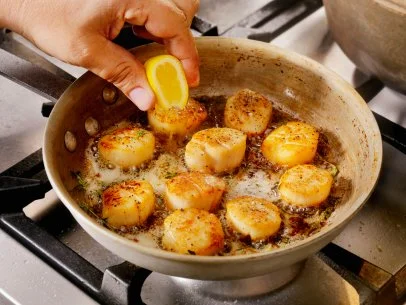
Give food enough space to cook evenly. Overcrowding lowers the pan’s temperature. This causes food to release liquid and stick. Leave gaps between pieces to allow heat circulation.
Cook food in batches if needed. This keeps the pan hot and food crispy. Crowded pans create steam, not a sear. A hot, clear pan surface prevents sticking and improves flavor.
Clean And Maintain Pans
Cleaning and maintaining your pans properly keeps food from sticking. Dirt, grease, and damage can ruin the pan’s surface. This makes cooking harder and less enjoyable. Taking care of your pans helps them last longer and work better.
Cleaning Without Damage
Use warm water and mild dish soap for washing. Avoid harsh scrubbers that can scratch the surface. Soft sponges or cloths work best. For stuck food, soak the pan in warm water first. Avoid metal utensils to protect the coating. Dry the pan fully after cleaning to stop rust.
Regular Seasoning Tips
Seasoning creates a smooth, non-stick layer on the pan. Heat the pan and apply a thin layer of cooking oil. Let it cool and wipe off extra oil. Repeat this process every few uses. Seasoning works well for cast iron and carbon steel pans. It keeps food from sticking and improves flavor.
Credit: www.foodnetwork.com
Frequently Asked Questions
How Do I Stop Food From Sticking To A Pan?
Use a little oil or butter before cooking. Heat the pan first, then add oil. This creates a smooth surface to prevent sticking.
What Type Of Pan Is Best To Avoid Sticking?
Non-stick pans are best for easy cooking and cleaning. Cast iron pans work well if properly seasoned and heated.
Why Does Food Stick To My Pan When Cooking?
Food sticks when the pan is too cold or dry. Proper heat and enough oil help food release easily.
Can Cooking Temperature Affect Food Sticking To Pans?
Yes, cooking at medium heat prevents food from burning and sticking. High heat can cause food to stick and burn.
How Does Seasoning A Pan Help Prevent Sticking?
Seasoning creates a natural non-stick layer on the pan’s surface. It fills tiny holes, making cooking smoother and easier.
Conclusion
Preventing food from sticking to your pan is easy with simple steps. Use the right pan and heat it properly. Add enough oil or butter before cooking. Avoid crowding the pan to allow even cooking. Let the food cook undisturbed until it naturally releases.
Clean your pans well to keep their surface smooth. These tips save time and make cooking more enjoyable. Try them today and enjoy perfect meals every time.