Are you tired of throwing away spoiled food and wasting money? Imagine saving more of your groceries while helping the planet at the same time.
You can easily cut down on food waste with smart storage hacks that keep your food fresh longer. You’ll discover simple, practical tips that anyone can use to make the most of every bite. Ready to transform your kitchen habits and stop wasting food?
Keep reading—you’ll be amazed at how small changes can lead to big savings and less waste.
Common Causes Of Food Waste
Food waste happens for many reasons. Knowing why food goes bad helps us stop wasting it. Simple mistakes in buying, storing, or reading dates cause most food waste. Fixing these can save money and food.
Overbuying And Impulse Purchases
Buying too much food is a common problem. Stores often offer deals that seem too good to miss. People buy more than they need. Food stays unused and spoils in the fridge or pantry. Planning meals and shopping lists helps avoid this.
Improper Storage Methods
Storing food the wrong way makes it go bad fast. Some fruits and vegetables need cool, dry places. Others need moisture or special containers. Mixing foods that release gases can spoil fresh produce. Learning how to store each type saves food longer.
Misunderstanding Expiration Dates
Dates on packages confuse many people. “Sell by” and “use by” dates are not the same. Some foods are still good after these dates. Tossing food too soon causes unnecessary waste. Knowing the real meaning of dates helps keep food safe and fresh.

Credit: www.julesacree.com
Choosing The Right Containers
Choosing the right containers plays a big role in reducing food waste. Proper storage keeps food fresh longer. It also helps prevent spoilage and odor mixing. Picking the best containers protects your meals and saves money.
Airtight Containers Benefits
Airtight containers keep air and moisture out. This slows down food spoilage and mold growth. They help maintain food texture and flavor. Using airtight containers stops fridge smells from spreading. Your food stays fresher for days or weeks.
Using Glass Vs Plastic
Glass containers do not absorb stains or odors. They are easy to clean and can go in the oven. Glass is safer for storing hot food. Plastic containers are lighter and less breakable. Choose BPA-free plastic to avoid harmful chemicals. Both types have their own uses in the kitchen.
Reusable Storage Options
Reusable containers reduce waste from single-use bags and wraps. Silicone bags and beeswax wraps are good choices. They are flexible, washable, and eco-friendly. Using reusable options helps the environment and saves money. Store leftovers and snacks safely with these tools.
Optimal Storage Techniques
Proper storage keeps food fresh and safe longer. Using the right methods helps reduce waste. You save money and enjoy better flavors. Small changes in storage can make a big difference.
Here are some simple storage techniques to keep your food fresh and safe.
Keeping Produce Fresh Longer
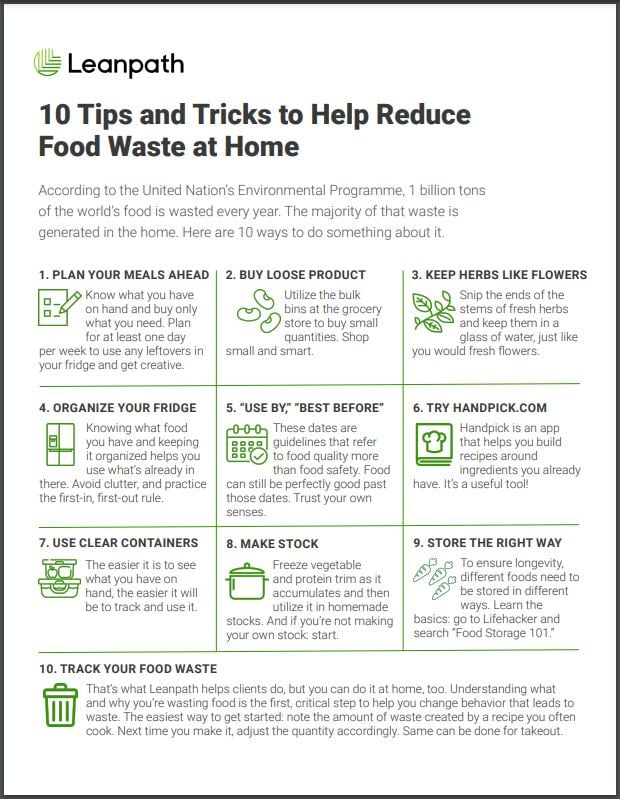
Store fruits and vegetables separately to prevent faster spoilage. Many fruits release a gas called ethylene that makes vegetables age quickly. Keep leafy greens in perforated bags to allow airflow. Wrap herbs in damp paper towels to keep them moist. Place root vegetables in a cool, dark place. Avoid washing produce before storing; moisture speeds up decay.
Storing Leftovers Safely
Use airtight containers to keep leftovers fresh and safe. Label containers with the date you stored the food. Store leftovers within two hours after cooking. Keep leftovers in small portions to cool faster. Reheat leftovers only once to avoid bacteria growth. Use clear containers to easily see food inside.
Freezing Tips And Tricks
Freeze food in small, portion-sized bags or containers. Remove as much air as possible before sealing. Use freezer-safe bags or containers to prevent freezer burn. Label items with the date and name before freezing. Freeze leftovers and produce quickly after buying. Thaw food in the fridge, not at room temperature.
Credit: www.epa.gov
Organizing Your Pantry And Fridge
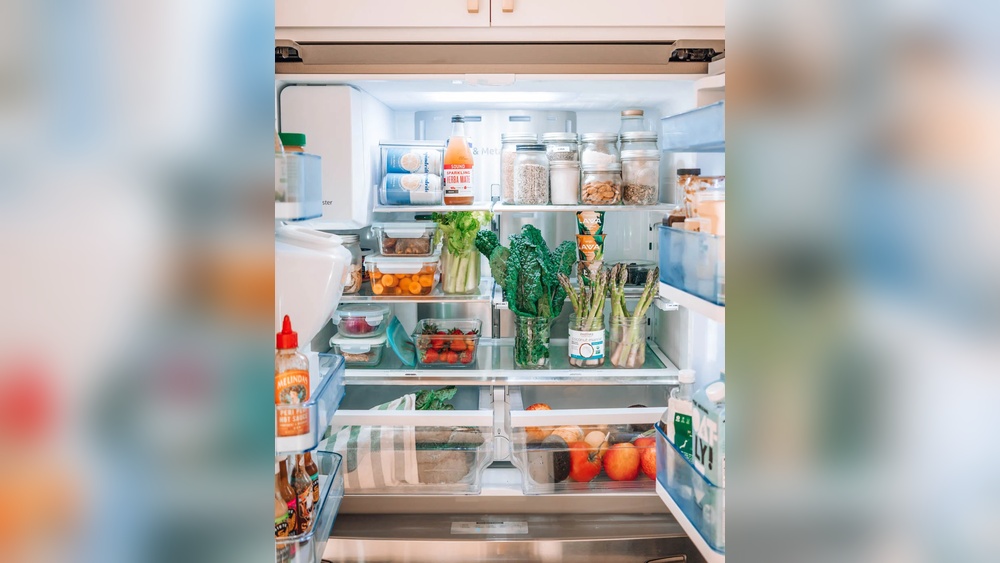
Organizing your pantry and fridge helps reduce food waste by keeping items visible and fresh. A neat space makes it easy to find what you need. It also reminds you to use food before it spoils. Simple storage hacks save money and time. They keep your kitchen clean and food safe.
First In, First Out Method
Place new groceries behind older items. Use older food first to avoid spoilage. This method keeps your food fresh longer. It prevents waste by using what you bought earlier. Rotate items regularly to stay on track.
Labeling And Dating Food Items
Write the date you store food on labels. Use clear containers to see contents easily. Labels help you track how long food stays good. This practice reduces forgotten food that goes bad. Use simple tags or masking tape with a marker.
Creating Zones For Different Foods
Separate your pantry and fridge into zones for each food type. Keep fruits in one area and vegetables in another. Store dairy products together to avoid confusion. Zones help find items quickly and avoid waste. Organize snacks, canned goods, and spices in their spaces.
Preserving Food With Simple Hacks
Preserving food with simple hacks helps reduce waste and saves money. It keeps food fresh longer without extra effort. Small changes in storage make a big difference. These easy methods suit every kitchen and help avoid throwing food away.
Using Vinegar And Lemon For Freshness
Vinegar and lemon are natural preservatives. A light spray on fruits and vegetables slows spoilage. The acidity stops bacteria growth. Soak leafy greens in cold water with vinegar to clean and freshen them. Lemon juice on cut fruits stops browning. These tricks keep food looking and tasting fresh.
Diy Dehydration And Pickling
Drying food removes moisture, stopping mold and bacteria. Use an oven or a dehydrator to dry fruits and vegetables. Store dried items in airtight containers. Pickling uses vinegar or brine to preserve vegetables. This method adds flavor and extends shelf life. Both drying and pickling are affordable ways to save food.
Freezing Herbs And Bread
Freezing herbs keeps their flavor for months. Chop herbs, place them in ice cube trays, and cover with water or oil. Freeze and use cubes in cooking. Bread freezes well too. Slice bread before freezing for easy use. Thaw slices as needed to avoid waste. Freezing slows spoilage and keeps food ready.
Smart Shopping And Meal Planning
Smart shopping and meal planning help cut down food waste significantly. By buying only what you need and planning meals carefully, you use food more efficiently. This saves money and reduces waste in your kitchen. Small changes in shopping and cooking routines make a big difference.
Making A Realistic Shopping List
Create a shopping list based on what you really need. Check your fridge and pantry before you shop. Write down items you must buy for the week. Avoid adding extra items that might go unused. Stick to the list to prevent impulse buys.
Planning Meals Around Leftovers
Use leftovers in your meal plan for the week. Plan recipes that include last night’s dinner. This reduces the chances of food spoiling. Leftovers can become soups, salads, or sandwiches. This approach saves both time and food.
Buying In Bulk Wisely
Bulk buying saves money but can lead to waste if not careful. Only buy large amounts of items you use often. Divide bulk foods into smaller portions before storing. Freeze what you cannot use quickly. This keeps food fresh and lasts longer.
Tech Tools To Track Food Storage
Tech tools make it easier to track food storage and reduce waste. They help you know what food you have and when it expires. This way, you can use food before it goes bad. Using technology saves money and cuts down on trash. Here are some tools that help with food storage tracking.
Apps For Expiration Reminders
Apps can remind you about food expiration dates. You just enter the food item and its expiry date. The app sends alerts so you use food on time. Some apps suggest recipes based on what you have. They keep your kitchen organized and reduce spoiled food.
Smart Fridge Features
Smart fridges have built-in cameras and sensors. They track what food is inside and its condition. Some models connect to your phone for easy updates. They notify you about items that need to be eaten soon. This technology helps keep your food fresh longer.
Digital Inventory Systems
Digital inventory systems let you log all your food items. You can see what you have at a glance. These systems update automatically or manually. They help plan meals and grocery shopping better. Keeping a digital list avoids buying duplicates and wasting food.
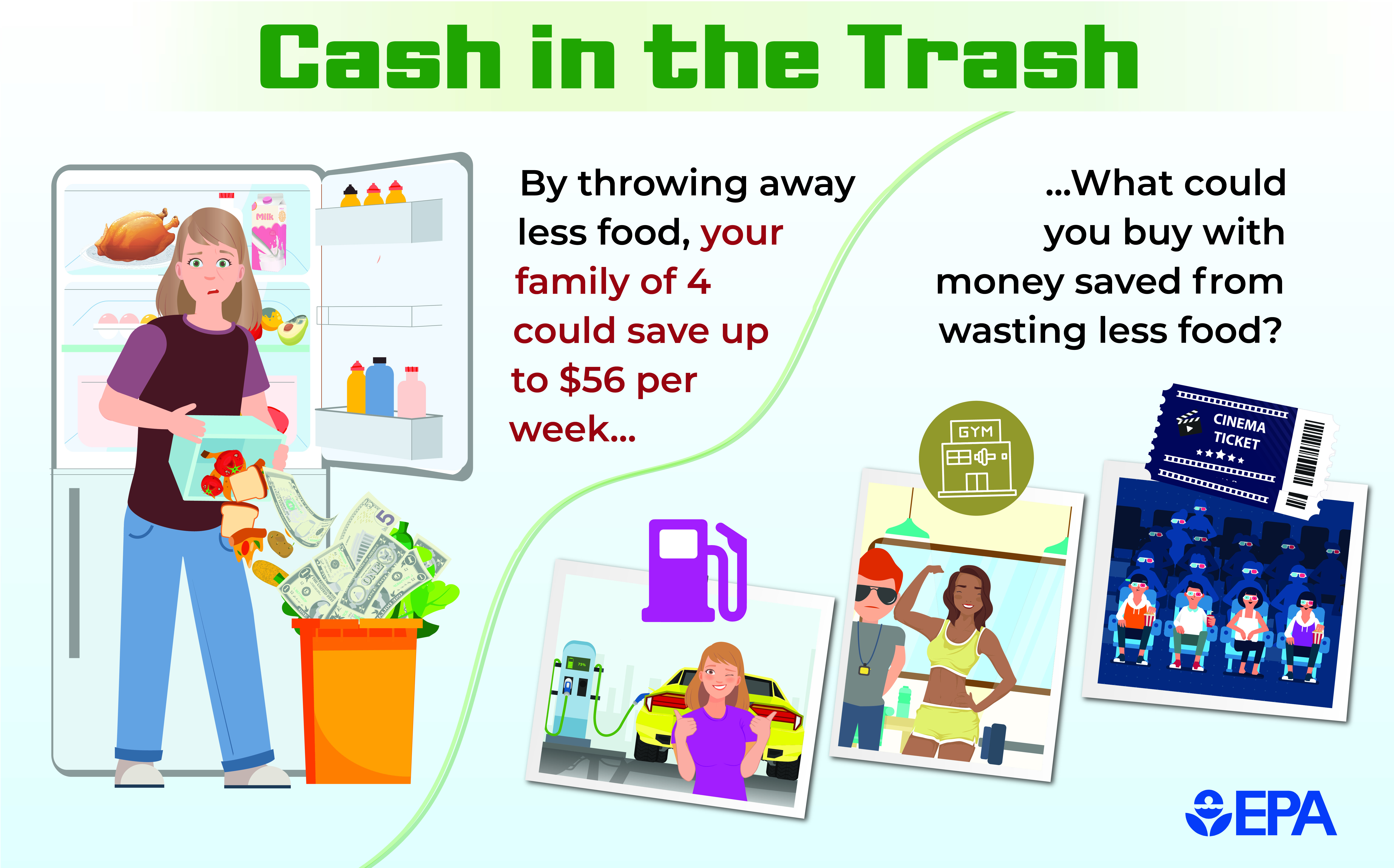
Credit: www.epa.gov
Frequently Asked Questions
How Can Proper Storage Reduce Food Waste Effectively?
Proper storage slows spoilage and extends freshness. Using airtight containers and refrigeration preserves food quality. Labeling dates helps track expiration. Organizing by type prevents forgotten items. These habits reduce waste and save money.
What Are The Best Containers For Food Storage?
Glass containers with tight lids are ideal. They keep food fresh and avoid odors. BPA-free plastic containers are a lighter option. Vacuum-sealed bags extend shelf life. Choose containers that fit your fridge and pantry space.
How Does Freezing Help Minimize Food Waste?
Freezing preserves food by stopping bacterial growth. It keeps leftovers and bulk buys fresh longer. Portion food before freezing for easy use. Label and date packages to prevent forgotten items. Freezing reduces waste by extending food usability.
What Are Simple Hacks To Store Fruits And Vegetables?
Store fruits separately from vegetables to avoid spoilage. Use perforated bags for airflow. Keep leafy greens in damp paper towels inside containers. Store root vegetables in cool, dark places. These hacks maintain freshness and reduce waste.
Conclusion
Reducing food waste starts with smart storage habits. Keep fruits and vegetables fresh longer by storing them properly. Use airtight containers to protect leftovers and dry goods. Label items with dates to know what to eat first. Small changes save money and help the environment.
Everyone can make a difference by wasting less food daily. Try these simple hacks and see the benefits yourself. Waste less, save more, and enjoy fresher meals every day.