Your kitchen tools are the heart of your cooking, but are they truly clean? Simply washing isn’t enough to kill harmful germs that can make you and your family sick.
Knowing how to sanitize kitchen tools properly can protect your health and keep your meals safe. You’ll discover easy, effective methods to sanitize knives, cutting boards, utensils, and more—without spending hours or using harsh chemicals. Keep reading to learn simple tips that make a big difference in your kitchen’s cleanliness and your peace of mind.

Credit: www.cleanipedia.com
Choosing The Right Sanitizers
Choosing the right sanitizers is important to keep kitchen tools clean and safe. Not all sanitizers work well on every surface. Some chemicals can damage tools or leave harmful residues. Picking the right option ensures your kitchen stays hygienic and tools last longer. Let’s explore safe chemical options and natural alternatives for sanitizing kitchen tools.
Safe Chemical Options
Many safe chemical sanitizers kill bacteria and viruses effectively. Common options include diluted bleach and quaternary ammonium compounds. Diluted bleach works well if used in the right strength. It kills germs quickly on hard surfaces. Quaternary ammonium compounds are gentle on tools but strong against microbes. Always follow product instructions to avoid damage or health risks. Rinse tools well after using chemicals to remove residues. These sanitizers are widely used in kitchens and food businesses.
Natural Alternatives
Natural sanitizers offer a gentle way to clean kitchen tools. Vinegar is a popular option. It can kill some germs and remove odors. Lemon juice also has mild antimicrobial properties. Both vinegar and lemon are safe on most surfaces. Another natural method is using hot, soapy water followed by air drying. Natural options may not kill all bacteria but reduce risks. They are good choices for everyday cleaning and sensitive tools.

Credit: maggymaid.com
Preparing Tools For Cleaning
Preparing kitchen tools for cleaning is the first step to keep them safe and hygienic. Dirt and food leftovers must be removed carefully. This makes the sanitizing process more effective. Proper preparation saves time and stops germs from spreading.
Removing Food Residue
Start by scraping off any food stuck on the tools. Use a brush or a cloth to wipe away loose bits. Avoid soaking tools with sharp edges for a long time. This prevents damage and rust. Rinse the tools under warm water to clear out smaller particles. Clean tools work better and last longer.
Disassembling Complex Tools
Many kitchen tools have parts that can be taken apart. Remove blades, handles, and other pieces carefully. This allows you to clean all surfaces well. Check the manufacturer’s instructions if unsure how to disassemble. Small parts can hide germs and food debris. Cleaning each piece separately ensures thorough sanitation.
Effective Cleaning Techniques
Effective cleaning techniques keep kitchen tools safe and ready for use. Proper cleaning removes dirt, grease, and germs. It protects your health and prevents food contamination. Using the right methods helps tools last longer and work better.
Hand Washing Tips
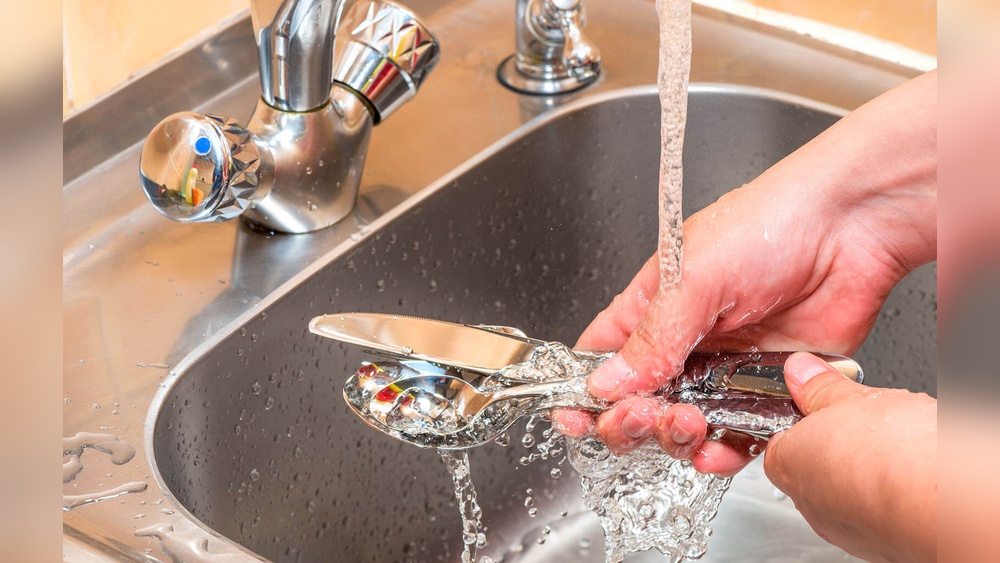
Start by rinsing tools with warm water to remove food bits. Use a sponge or brush with dish soap to scrub all surfaces. Pay attention to crevices and handles where dirt hides. Rinse thoroughly under running water to wash away soap. Dry tools with a clean towel or let them air dry. Avoid using the same sponge for dirty and clean items. Replace sponges often to stop bacteria growth.
Using Dishwashers Properly
Load tools so water reaches all surfaces easily. Avoid overcrowding to ensure effective cleaning. Use a dishwasher detergent made for sanitizing kitchenware. Select the hottest water setting for better germ removal. Remove tools promptly after the cycle to prevent moisture buildup. Check the dishwasher filter regularly and clean it to maintain performance. Use a rinse aid to help tools dry faster and spot-free.
Sanitizing Methods
Sanitizing kitchen tools is essential for food safety. It helps remove germs that washing alone cannot kill. Different methods suit various types of tools and materials. Choosing the right sanitizing method keeps your kitchen safe and clean.
Heat-based Sanitizing
Heat kills most bacteria and viruses quickly. Boiling kitchen tools in water for at least one minute sanitizes them well. Using a dishwasher with a high-temperature setting also works. Steam can sanitize tools without chemicals. Heat-based methods are great for metal and glass items. Avoid heat on plastic tools not labeled heat-safe.
Chemical Soaking Procedures
Chemicals like bleach and sanitizing solutions kill germs effectively. Mix bleach with water in proper ratios for safe use. Soak tools in the solution for the time recommended on the label. Rinse tools well with clean water after soaking. Use food-safe chemicals to avoid contamination. Chemical soaking works well for plastic and wooden tools.
Maintaining A Germ-free Kitchen
Keeping your kitchen tools clean is key to a safe kitchen. Germs can spread quickly on knives, cutting boards, and other utensils. A clean kitchen protects your family from foodborne illnesses. Simple habits help maintain a germ-free kitchen every day.
Regular Cleaning Schedule
Set a daily cleaning routine for all kitchen tools. Wash knives, spoons, and cutting boards with hot, soapy water. Scrub well to remove food particles and germs. Rinse with clean water and dry completely. Use a disinfectant or bleach solution once a week to kill bacteria. Avoid leaving tools wet as moisture invites germs. Clean tools right after use to stop bacteria growth.
Proper Storage Practices
Store kitchen tools in a dry, clean place. Use containers or holders that allow air flow. Avoid stacking wet tools together. Keep cutting boards upright to dry faster. Store knives in a block or magnetic strip for safety. Separate raw meat tools from others to prevent cross-contamination. Regularly check storage areas for dirt or pests. Clean storage spots often to keep tools safe.
:max_bytes(150000):strip_icc()/clean-small-kitchen-appliances-4153520-05-58415d047a2a49dd87b1e8a1bdb3d6ed.jpg)
Credit: www.thespruce.com
Frequently Asked Questions
How Often Should Kitchen Tools Be Sanitized?
Kitchen tools should be sanitized after every use to kill germs. Regular cleaning prevents bacteria buildup and keeps food safe.
What Is The Best Way To Sanitize Wooden Kitchen Tools?
Use hot, soapy water first, then wipe with vinegar or bleach solution. Let wooden tools air dry completely before storing.
Can Dishwasher Sanitize All Types Of Kitchen Tools?
Most plastic and metal tools can be sanitized in a dishwasher. Avoid putting wooden or delicate tools in the dishwasher to prevent damage.
How Long Should I Soak Kitchen Tools To Sanitize Them?
Soak tools in a sanitizing solution for at least 5 minutes. This helps kill harmful bacteria effectively.
Is Boiling Water Effective For Sanitizing Kitchen Tools?
Boiling water kills most bacteria and viruses on kitchen tools. Dip tools in boiling water for a few minutes for quick sanitizing.
Conclusion
Sanitizing kitchen tools keeps your cooking safe and clean. Regular cleaning stops germs from spreading. Use hot water and soap for the first wash. Then, apply a sanitizer or bleach solution for best results. Dry tools completely before storing to avoid bacteria growth.
Clean tools help protect your family’s health. Simple steps can make a big difference every day. Stay consistent and keep your kitchen safe and fresh. Healthy habits start with clean tools.