Are your kitchen knives feeling dull and frustrating to use? A sharp knife makes cooking safer, faster, and more enjoyable.
If you’ve ever struggled with chopping or slicing, you know how important it is to keep your blades in top shape. In this guide, you’ll discover simple, effective ways to sharpen your kitchen knives at home. By the end, you’ll handle your knives with confidence and precision every time.
Ready to bring back that perfect edge? Let’s get started!

Credit: www.youtube.com
Choosing The Right Sharpening Tools
Choosing the right sharpening tools makes a big difference in how well your kitchen knives perform. Each tool has a specific role and suits different skill levels. Picking the correct tool ensures your knives stay sharp and last longer.
Whetstones
Whetstones are popular for sharpening knives by hand. They come in different grit sizes for rough or fine sharpening. Use a coarse grit to fix chips or dull edges. A fine grit smooths and polishes the blade. Whetstones need water or oil to work well. They require practice but give great control over the sharpening process.
Honing Rods
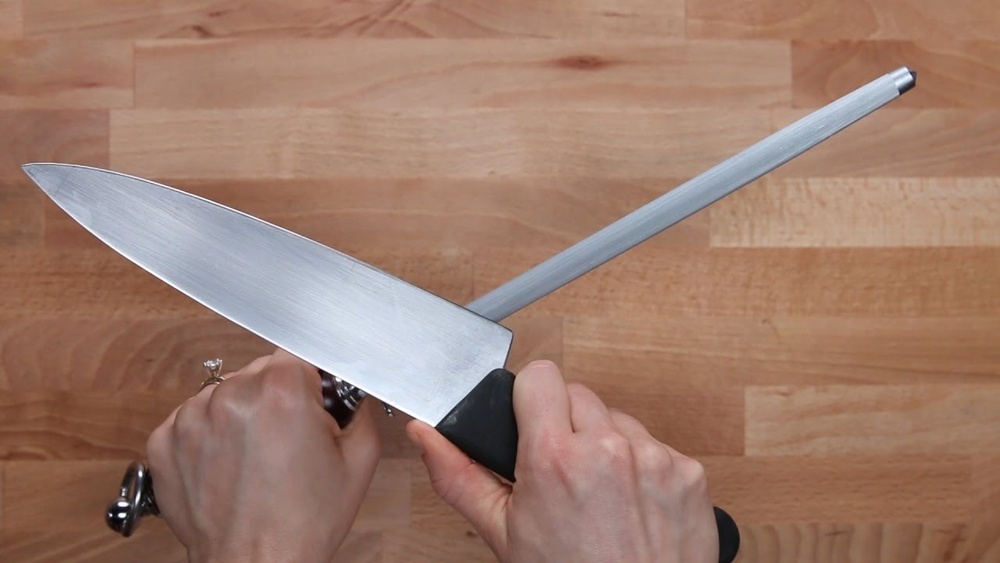
Honing rods do not sharpen but straighten knife edges. They fix small bends and keep blades aligned. Use a honing rod regularly to maintain sharpness between sharpenings. Made from steel or ceramic, they are easy to use. Just slide the blade along the rod at a steady angle. Honing rods work best for daily knife care.
Electric Sharpeners
Electric sharpeners offer quick and easy sharpening. They have built-in guides to hold the knife at the right angle. Most models use rotating abrasive wheels or belts. Electric sharpeners suit those who want fast results without much skill. Use them carefully to avoid removing too much metal. They are perfect for busy kitchens and beginners.

Credit: www.americastestkitchen.com
Preparing Your Knife For Sharpening
Preparing your knife for sharpening is a key step. It ensures the blade is clean and safe to handle. Proper preparation helps get the best sharpening results. Taking time to set up your workspace also keeps accidents away.
Cleaning The Blade
Start by washing the knife with warm water and mild soap. Remove any food or grease stuck on the blade. Dry the knife fully using a clean cloth. A clean blade sharpens more evenly and safely. Avoid touching the edge directly to prevent cuts.
Setting Up A Safe Workspace
Find a flat, stable surface to work on. Clear the area of clutter and distractions. Use a non-slip mat or towel under your sharpening tool. Make sure the space has good lighting to see the blade clearly. Keep your fingers away from the sharp edge at all times.
Step-by-step Sharpening Techniques
Sharpening kitchen knives keeps them effective and safe. Dull knives require more force and can slip, causing injury. Follow these clear steps to sharpen knives with different tools. Choose the method that fits your skill and available tools. Each method improves the blade’s edge in a unique way.
Using A Whetstone
Soak the whetstone in water for 10 minutes. Place the stone on a flat surface. Hold the knife at a 15 to 20-degree angle. Slide the blade across the stone, moving from heel to tip. Use gentle, even pressure. Repeat on one side 10 to 15 times.
Flip the knife and sharpen the other side. Keep the same angle for balance. Check the edge by lightly touching it. Rinse the blade and dry it well. Clean the whetstone and store it properly.
Honing With A Rod
Hold the honing rod vertically with the tip on a stable surface. Place the knife at a 15 to 20-degree angle to the rod. Pull the blade down and across the rod. Start from the heel to the tip. Repeat 5 to 10 times on each side.
Use smooth, controlled motions. Honing realigns the blade edge but does not sharpen deeply. Use honing regularly to keep knives sharp longer. Clean the rod and knife after honing.
Electric Sharpener Tips
Choose an electric sharpener with good reviews. Read the instruction manual before use. Insert the knife into the sharpener slot. Pull the blade slowly through the machine. Repeat as the device recommends.
Use light pressure. Avoid forcing the blade. Clean the knife after sharpening. Store the sharpener safely. Electric sharpeners work fast but may remove more metal.
Maintaining Sharpness And Safety
Keeping your kitchen knives sharp and safe is very important. Sharp knives cut better and need less force. This lowers the chance of accidents. Safety is not just about the blade. How you store and handle knives matters too.
Regular Honing
Honing straightens the knife’s edge. It does not remove metal like sharpening. Use a honing rod every few uses. Hold the rod steady and slide the blade at a 20-degree angle. This keeps the edge aligned. Honing helps knives stay sharp longer.
Proper Storage
Store knives where blades stay protected. Use a knife block or magnetic strip. Avoid tossing knives in drawers. Blades can get dull or damaged. Proper storage also keeps hands safe from cuts.
Safe Handling Practices
Always hold knives by the handle. Cut on a stable surface like a cutting board. Keep fingers clear of the blade path. Never try to catch a falling knife. These habits prevent accidents and keep knives in good shape.

Credit: www.oxo.com
Frequently Asked Questions
How Often Should I Sharpen My Kitchen Knives?
Sharpen kitchen knives every few months or when they feel dull. Regular use dulls blades faster.
What Tools Do I Need To Sharpen Kitchen Knives?
Use a sharpening stone, honing rod, or electric sharpener for best results. Each tool suits different skills.
Can I Sharpen Knives At Home Safely?
Yes, with care and the right tools, sharpening at home is safe. Follow instructions closely.
What Angle Is Best For Sharpening Kitchen Knives?
A 15 to 20-degree angle works well for most kitchen knives. It keeps the edge sharp and durable.
How Do I Know If My Knife Needs Sharpening?
If your knife slips or tears food instead of cutting cleanly, it needs sharpening. Dull blades are less safe.
Conclusion
Sharpening kitchen knives keeps them safe and easy to use. Regular care makes cutting smoother and faster. Use the right tools and follow steps carefully. A sharp knife saves time and reduces accidents. Practice a little, and results will improve.
Keep your knives sharp for better cooking every day.