Are you frustrated with your nonstick pan peeling after just a few uses? You’re not alone.
When the coating starts to come off, it not only ruins your cooking experience but can also be unhealthy. The good news is, you don’t have to toss your pan just yet. You’ll discover simple, effective ways to stop your nonstick pan from peeling and keep it working like new for longer.
Keep reading to protect your kitchen investment and enjoy hassle-free cooking every day.
Credit: www.reddit.com
Causes Of Nonstick Pan Peeling
Nonstick pans make cooking easier and cleaning faster. Yet, peeling can spoil their use quickly. Understanding what causes this peeling helps protect your pans. Several common factors lead to damage and peeling of nonstick surfaces. Learning these causes can extend your pan’s life.
Common Wear And Tear
Everyday use wears down the nonstick coating. Scratches from metal utensils harm the surface. Over time, friction causes the coating to thin and peel. Using wooden or silicone tools reduces this damage. Avoid stacking pans without protection to prevent scratches.
Improper Cleaning Techniques
Harsh scrubbing can strip the nonstick layer. Using steel wool or abrasive pads worsens peeling. Soaking pans too long may loosen the coating. Gentle washing with a soft sponge keeps the surface safe. Avoid strong chemical cleaners that degrade the nonstick finish.
High Heat Damage
Nonstick coatings break down under very high heat. Cooking on maximum heat causes fast wear and peeling. Many nonstick pans work best on low to medium heat. Overheating releases harmful fumes and damages the surface. Always follow the manufacturer’s temperature guidelines.
Safe Cleaning Practices
Safe cleaning practices protect your nonstick pan from peeling. Proper care keeps the coating strong and extends the pan’s life.
Cleaning your pan gently removes food without damaging the surface. Harsh cleaning can wear the coating quickly.
Using Gentle Sponges
Choose soft sponges or cloths for washing nonstick pans. Rough scrubbers can scratch and harm the coating. Use circular motions to clean stuck food. Avoid steel wool or abrasive pads that strip the surface. Rinse the pan well after washing to remove soap and debris.
Avoiding Harsh Chemicals
Stay away from strong cleaners like bleach or oven cleaners. These chemicals break down the nonstick layer. Mild dish soap is enough to clean the pan safely. For tough stains, soak the pan in warm soapy water. This loosens grime without using damaging chemicals.
Proper Cooking Methods
Proper cooking methods help keep your nonstick pan safe and long-lasting. Careful use protects the coating from damage and peeling. Simple habits in the kitchen make a big difference.
Optimal Heat Settings
Nonstick pans work best at low to medium heat. High heat can break down the coating. Avoid heating an empty pan for too long. Use stove settings below medium to keep the pan safe. This prevents peeling and keeps food from sticking.
Choosing Suitable Utensils
Use utensils made of wood, silicone, or plastic with nonstick pans. Metal tools can scratch and damage the coating. Scratches lead to peeling over time. Soft utensils protect the surface and extend pan life. Handle your pan gently to keep it smooth and safe.
Maintenance Tips To Extend Pan Life
Maintaining your nonstick pan properly helps it last longer and keeps food from sticking. Simple care steps protect the surface and prevent peeling. These tips save money and keep your cooking easy.
Seasoning Nonstick Pans
Seasoning creates a thin protective layer on the pan’s surface. Heat the pan on low for a few minutes. Add a small amount of oil and spread it evenly. Let the pan cool, then wipe off excess oil with a paper towel. This process keeps the coating strong and smooth.
Storing Pans Correctly
Store pans in a dry place to avoid damage. Avoid stacking them directly on top of each other. Use a soft cloth or paper towel between pans if stacking is necessary. This prevents scratches and peeling of the nonstick surface. Proper storage keeps pans safe and ready for use.
When To Replace Your Nonstick Pan
Knowing when to replace your nonstick pan helps keep cooking safe and easy. A pan that peels or scratches can harm your food and health. Watch your pan carefully to spot clear signs it no longer works well. Timely replacement saves money and avoids bigger problems in the kitchen.
Signs Of Irreparable Damage
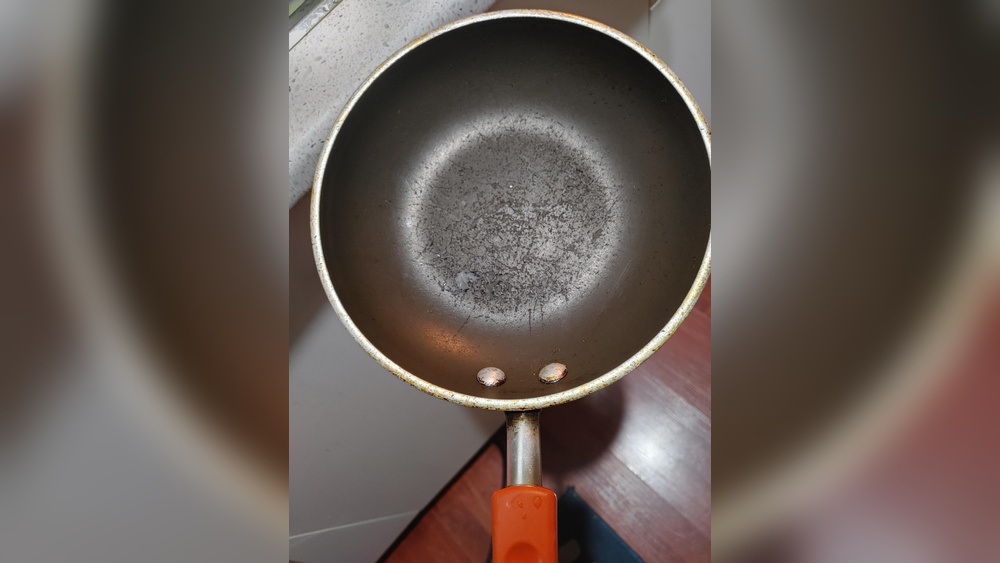
Deep scratches and large peeling areas mean the pan is beyond repair. Food sticks more and cleaning becomes harder. The surface looks rough or uneven. The pan heats unevenly, causing burnt spots. These problems show the coating fails to protect the pan anymore. Keep using a damaged pan risks poor cooking results and more peeling.
Health Risks Of Peeling Coatings
Peeling nonstick coatings can mix with your food. Eating tiny flakes may cause stomach upset. Chemicals from damaged coatings might release when heated. Long-term exposure to these chemicals could be harmful. Avoid using pans with visible peeling to protect your health. Choosing a new pan ensures safer meals every day.
Credit: www.reddit.com
Credit: www.reddit.com
Frequently Asked Questions
Why Does My Nonstick Pan Start Peeling?
Nonstick pans peel due to high heat, harsh scrubbing, or metal utensils. These damage the coating over time. Proper care helps prevent peeling.
How Can I Clean A Nonstick Pan Without Peeling It?
Use a soft sponge and mild dish soap to clean your pan. Avoid steel wool or abrasive cleaners that scratch the surface. Hand wash only.
Can I Use Metal Utensils On A Nonstick Pan?
Metal utensils can scratch and peel the nonstick coating. Use wooden, silicone, or plastic tools instead. This keeps the surface safe.
What Heat Level Is Safe For Nonstick Pans?
Cook on low to medium heat to protect the coating. High heat breaks down the nonstick layer faster. This extends your pan’s life.
Is It Safe To Keep Using A Peeling Nonstick Pan?
Peeling pans can release harmful particles into food. It’s best to replace the pan once peeling starts. This ensures safe and healthy cooking.
Conclusion
Stopping your nonstick pan from peeling takes simple care steps. Use low to medium heat and avoid metal tools. Hand wash gently with soft sponges and mild soap. Store pans carefully to prevent scratches. These small habits protect your pan’s coating longer.
Enjoy cooking without worry or waste. Keep your pan safe, and it will serve you well. Prevention is easier than repair. A little care goes a long way.