Have you ever opened your fridge to find leftovers that look unappetizing or worse, spoiled? Storing your leftovers properly can save you money, reduce waste, and keep your meals tasting fresh longer.
But how do you do it right? You’ll discover simple, effective ways to store your leftovers so they stay fresh and safe to eat. Keep reading to learn easy tips that will change the way you handle your food and make your life easier.
Best Containers For Leftovers
Choosing the right containers helps keep leftovers fresh and tasty longer. Containers protect food from air, moisture, and spills. They also make storing and reheating easier. Using good containers reduces waste and saves money.
Glass Vs Plastic Options
Glass containers do not absorb stains or smells. They are safe for microwaves and ovens. Glass lasts longer and is easy to clean. Plastic containers are lighter and less breakable. Some plastics can stain or hold odors. Check if plastic containers are BPA-free for safety.
Airtight Seals And Their Benefits
Airtight containers block air and keep moisture out. This slows down food spoilage. They stop leaks and spills in the fridge or bag. Good seals keep food fresh and prevent odors. Look for containers with tight lids or silicone seals.
Reusable And Eco-friendly Choices
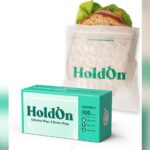
Choose containers that you can use many times. Reusable containers reduce plastic waste. Materials like glass and stainless steel are eco-friendly. Cloth bags and beeswax wraps also work well for some foods. Saving the planet starts with small choices at home.
Proper Cooling Techniques
Proper cooling is key to keeping leftovers fresh and safe. Cooling food correctly slows bacteria growth. It also keeps flavors and textures intact. Understanding how to cool food safely helps avoid spoilage and waste.
Allowing Food To Cool Safely
Let hot food cool at room temperature no longer than two hours. Transfer food to shallow containers to cool faster. Spread food thinly to help heat escape. Cover containers loosely while cooling to avoid moisture buildup.
Avoiding Bacterial Growth
Bacteria grow quickly between 40°F and 140°F. Cool food quickly to pass through this danger zone. Store cooled food in the fridge within two hours. Avoid stacking containers too deep to allow air circulation.
Using Ice Baths For Quick Cooling
Place hot food containers in a larger bowl filled with ice. Stir food occasionally to release heat. Change ice as it melts to keep the bath cold. This method cools food fast and safely.
Optimal Storage Temperatures
Keeping leftovers fresh starts with storing them at the right temperature. Food spoils fast at warm temperatures. Cold slows down bacteria growth. Setting your fridge and freezer correctly helps food last longer and stay safe to eat. Understanding the best storage temperatures is key to reducing waste and saving money.
Refrigerator Settings
The ideal fridge temperature is between 34°F and 40°F (1°C to 4°C). This range keeps leftovers fresh without freezing them. Set your fridge at 37°F (3°C) for best results. Avoid temperatures above 40°F, as bacteria grows quickly. Check that your fridge door seals tightly to keep cold air in.
Freezer Guidelines
The freezer should be at 0°F (-18°C) or lower. This stops bacteria and mold from growing. Store leftovers in airtight containers or freezer bags to prevent freezer burn. Label items with dates to track freshness. Keep the freezer organized to allow cold air circulation around the food.
Temperature Monitoring Tips
Use a fridge thermometer to check exact temperatures. Digital thermometers are easy to read and accurate. Place the thermometer in the middle of the fridge or freezer. Check temperatures regularly to catch any changes early. Avoid opening doors too often to keep temperatures stable.
:max_bytes(150000):strip_icc()/ar-french-fry-taste-test-fries-4x3-379e37abdf4e46899a961ceada871f70.jpg)
Credit: www.allrecipes.com
Labeling And Dating Leftovers
Labeling and dating leftovers is a key step to keep food fresh and safe. It helps you know what’s inside and when it was stored. This simple habit stops food waste and saves time. You can easily check if food is still good to eat. Clear labels make your fridge or freezer more organized. Let’s explore easy ways to label and track your leftovers.
Simple Labeling Methods
Use masking tape or sticky labels on containers. Write the name of the food and the date it was stored. A permanent marker works best for clear writing. Try color-coded labels for different types of food. For example, red for meat and green for veggies. This method helps quickly identify leftovers at a glance.
Tracking Storage Time
Note the storage date on every leftover container. Most cooked foods last 3 to 4 days in the fridge. Frozen leftovers can last 2 to 6 months depending on the food. Keep a list on the fridge of leftovers and their storage dates. Check this list daily to use older items first. This practice reduces the chance of eating spoiled food.
Using Technology For Reminders
Set reminders on your phone or smart device. Use calendar apps to mark leftover storage dates. Apps designed for food tracking can send alerts before food expires. Take a photo of the labeled container to keep a digital record. Technology helps manage leftovers efficiently without forgetting them.
Food Types And Storage Tips
Storing leftovers correctly helps keep food fresh and safe to eat. Different foods need different storage methods. Knowing how to store each type can reduce waste and save money. Follow simple tips for best results.
Storing Cooked Meats
Cool cooked meats quickly before storing. Place meat in airtight containers or wrap tightly with foil. Keep in the fridge for up to four days. For longer storage, freeze meat in small portions. Label packages with the date to track freshness.
Handling Soups And Sauces
Let soups and sauces cool before refrigerating. Use shallow containers to help food cool faster. Store liquids in sealed containers to avoid spills. Soups last three to four days in the fridge. Freeze soup in single servings for easy meals later.
Preserving Vegetables And Fruits
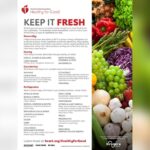
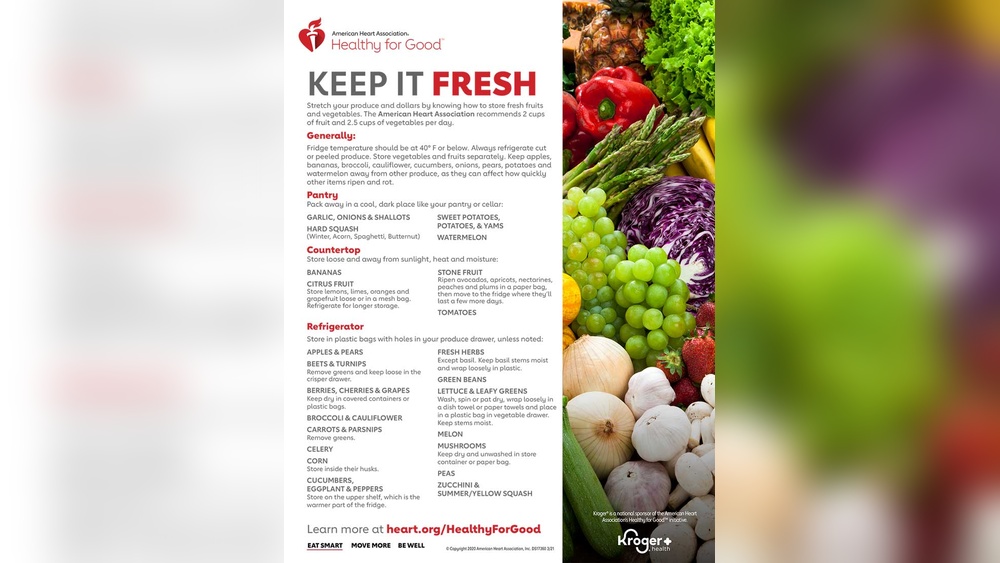
Wash vegetables and fruits before storing. Dry them well to prevent mold and spoilage. Store leafy greens in paper towels inside containers. Keep fruits separate from vegetables to avoid quick ripening. Refrigerate most vegetables, but some fruits do better at room temperature.
Credit: www.savethestudent.org
Reheating Leftovers Safely
Reheating leftovers safely is important for health and taste. Proper reheating kills harmful bacteria that can grow during storage. It also helps keep food moist and flavorful. Using the right method makes a big difference in safety and quality.
Microwave Best Practices
Microwaves heat food unevenly. Stir leftovers halfway through heating. Cover food to keep moisture in. Use microwave-safe containers only. Heat food until it is steaming hot. Check the temperature in several spots.
Oven And Stovetop Methods
Ovens heat food evenly but take longer. Preheat the oven to 350°F (175°C). Place leftovers in an oven-safe dish. Cover with foil to avoid drying out. On the stovetop, use low to medium heat. Stir often to prevent burning. Heat until food reaches 165°F (74°C).
Avoiding Overcooking
Overcooked leftovers lose flavor and texture. Heat food just until warm. Use a food thermometer for accuracy. Remove food promptly when done. Let food rest briefly before serving. This keeps moisture and taste balanced.
Avoiding Common Storage Mistakes
Storing leftovers properly keeps food fresh and safe to eat. Avoiding common storage mistakes helps reduce waste and foodborne illness. Small changes in how you store food make a big difference. Follow simple rules to keep your meals tasty and healthy.
Overpacking Containers
Do not fill containers to the top. Leave some space for air to circulate. Overpacked containers can cause uneven cooling. This allows bacteria to grow faster. Use smaller containers or divide food into portions. Proper packing helps leftovers stay fresh longer.
Ignoring Expiration Guidelines
Check and follow expiration dates on food labels. Leftovers also have safe storage times. Eating old leftovers can cause stomach issues. Use a marker to label containers with dates. Throw away food that is past its safe time. This keeps you safe and avoids bad taste.
Cross-contamination Risks
Keep raw and cooked foods separate. Use clean utensils and containers for each type. Store leftovers in sealed containers to avoid spills. Wash hands before handling food. Cross-contamination spreads bacteria and causes illness. Careful storage protects your health and food quality.

Credit: fatcork.com
Frequently Asked Questions
How Long Can Leftovers Stay Fresh In The Fridge?
Leftovers generally stay fresh for 3 to 4 days in the fridge. Always store them in airtight containers to maintain freshness. Label containers with dates to track storage time. Discard any leftovers that smell or look spoiled.
What Is The Best Container For Storing Leftovers?
Glass or BPA-free plastic containers with tight lids are best. They prevent air exposure and preserve food quality. Avoid using thin plastic bags as they don’t seal well. Proper containers help keep leftovers fresh longer.
Should Leftovers Be Cooled Before Refrigerating?
Yes, allow leftovers to cool for about 30 minutes before refrigerating. Placing hot food directly in the fridge can raise its temperature. This may promote bacterial growth and spoilage. Cooling food first helps maintain fridge safety and food freshness.
Can Freezing Leftovers Help Keep Them Fresh?
Freezing leftovers can extend their freshness for several months. Use freezer-safe, airtight containers or heavy-duty freezer bags. Label with dates for easy tracking. Thaw leftovers safely in the fridge before reheating to retain quality.
Conclusion
Storing leftovers the right way keeps food fresh longer. Use airtight containers to block air and moisture. Cool food quickly before placing it in the fridge. Label containers with dates to know when to eat. Avoid leaving food out too long to stop bacteria growth.
Reheat leftovers properly to enjoy safe meals. These simple steps save money and reduce waste. Fresh leftovers mean tasty meals ready anytime. Keep your kitchen habits smart and your food fresh.