Are you ready to take your cooking skills to the next level? Using a sous vide machine might sound complicated, but it’s actually one of the easiest ways to cook perfect meals every time.
Imagine juicy steaks, tender vegetables, and flavorful dishes that come out just right—no guesswork needed. In this guide, you’ll learn exactly how to use your sous vide machine step by step. By the end, you’ll feel confident and excited to create restaurant-quality dishes right in your own kitchen.
Keep reading, and discover the secret to cooking with precision and ease!
Choosing The Right Sous Vide Machine
Choosing the right sous vide machine is important for cooking success. The right device fits your kitchen space and cooking style. It also helps you cook food evenly and safely. Understanding the different types and features can make your choice easier. Balance your budget with the quality you need for best results.
Types Of Sous Vide Devices
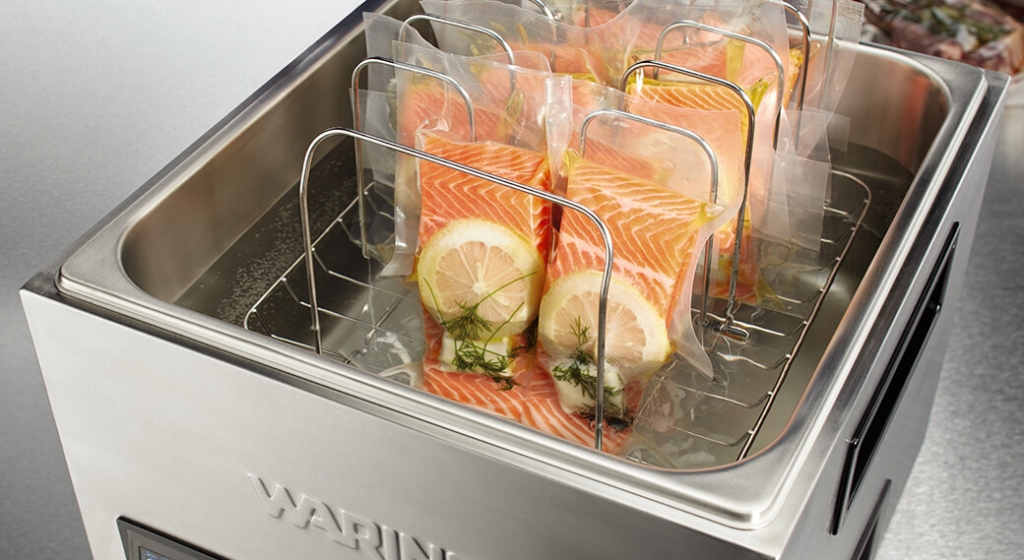
Sous vide machines come in two main types: immersion circulators and water ovens. Immersion circulators attach to a pot or container. They heat and circulate water to keep temperature steady. Water ovens are all-in-one units with a built-in water tank. They are compact and easy to use. Choose a type that matches your kitchen size and cooking habits.
Key Features To Consider
Check the temperature range and accuracy. Most machines heat between 104°F and 195°F. Accuracy helps cook food perfectly every time. Look for a device with good water circulation to avoid hot spots. A timer and easy controls improve convenience. Some models connect to smartphones for remote control. Choose features that simplify your cooking process.
Budget Vs. Quality
Lower-priced sous vide machines offer basic functions. They work well for beginners or occasional use. Higher-priced models have better build quality and precision. They last longer and cook more evenly. Decide how often you will use the machine. Invest more if you plan to cook sous vide regularly. Balance cost with features and reliability to get the best value.
Setting Up Your Sous Vide Machine
Setting up your sous vide machine is the first step to cooking perfect meals. This process ensures your food cooks evenly and stays juicy. Follow these easy steps to get started with confidence.
Preparing The Water Bath
Fill a large container with water. Use enough water to cover your food bags completely. Attach the sous vide machine to the container’s edge. Make sure it is stable and won’t tip over. Turn on the machine to start heating the water.
Temperature And Time Settings
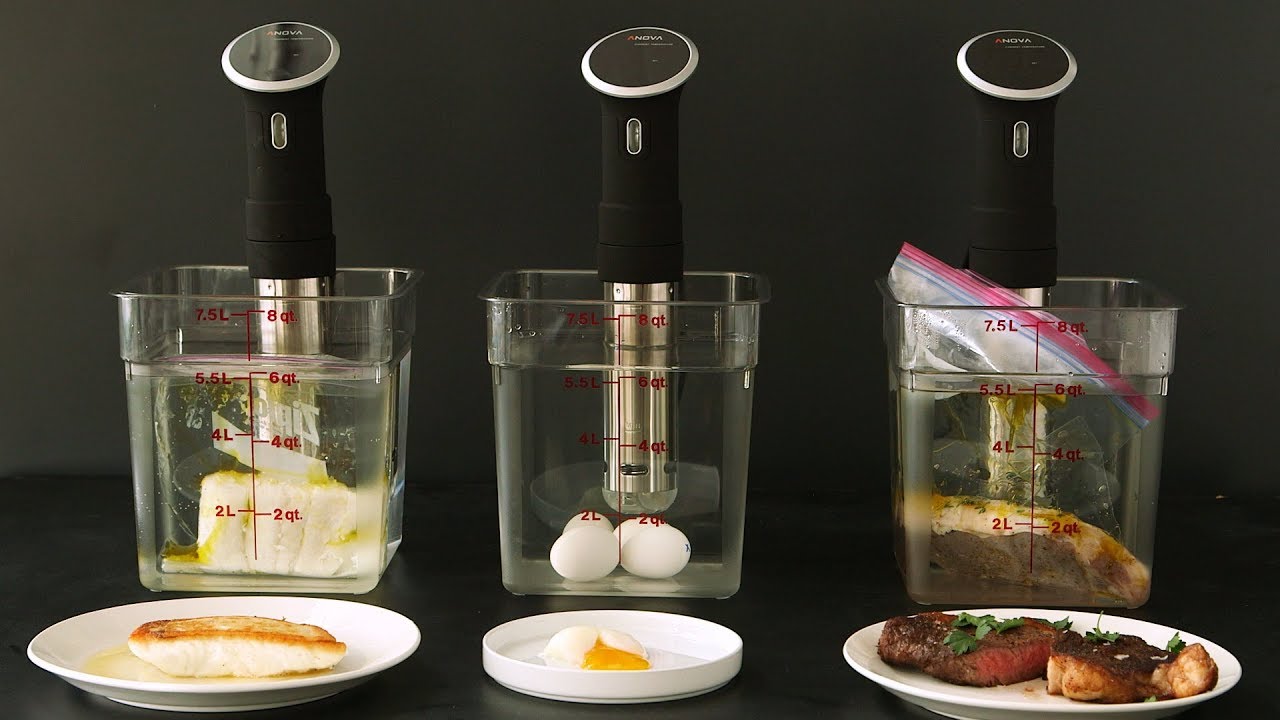
Set the temperature based on the food type. Fish cooks best at lower temperatures, while steak needs higher heat. Adjust the cooking time according to the recipe. The machine will keep the water steady at the chosen temperature.
Sealing Food Properly
Place your food in a vacuum bag or a resealable plastic bag. Remove as much air as possible before sealing. Use a vacuum sealer or the water displacement method to seal. Proper sealing prevents water from leaking in and keeps flavors inside.
Cooking Techniques For Different Foods
Sous vide cooking uses precise temperature control to cook food evenly. This technique keeps moisture and flavors locked in. Different foods need different times and temperatures. Knowing the right settings helps you get the best results every time.
Perfecting Meats
Set the sous vide machine to low temperatures for tender meat. Beef steaks cook well at 130°F to 140°F for medium-rare. For chicken, use 145°F to 150°F to keep it juicy and safe. Seal meat in vacuum bags to keep juices inside. Cook thicker cuts longer for even doneness throughout.
Cooking Vegetables
Vegetables need a higher temperature than meat. Most vegetables do best between 183°F and 185°F. This temperature softens them without losing nutrients. Cut vegetables into uniform pieces for even cooking. Use airtight bags or jars to keep flavors pure. Some vegetables, like carrots, may need longer cooking times.
Delicate Seafood Tips
Seafood is fragile and cooks fast with sous vide. Keep the temperature between 120°F and 130°F for fish. Shellfish like shrimp or scallops cook quickly at 135°F. Use short cooking times to avoid mushy texture. Seal seafood tightly to prevent water from entering the bag. This method preserves flavor and texture perfectly.
Credit: www.youtube.com
Finishing Touches After Sous Vide
After cooking food with a sous vide machine, the final steps make a big difference. These finishing touches improve taste, texture, and look. Proper finishing helps turn the perfectly cooked food into a delicious meal.
Searing And Browning
Searing adds color and flavor. Heat a pan or grill until very hot. Quickly brown the food on each side. This step gives a crisp, tasty crust. Use oil or butter for better browning. Avoid overcooking by searing only a short time.
Plating And Presentation
Good plating makes food more inviting. Use clean plates and arrange food neatly. Add fresh herbs or a small sauce for color. Keep portions balanced and not crowded. Simple presentation highlights the food’s natural appeal.
Storing And Reheating
Store leftover sous vide food in airtight containers. Cool it quickly before placing in the fridge. Reheat gently to keep texture and flavor. Use a low oven or warm water bath. Avoid overheating, which can dry out food.
Troubleshooting Common Issues
Troubleshooting common issues with your sous vide machine helps you cook better meals. Small problems can affect your food’s taste and texture. Fixing these issues keeps your cooking smooth and safe.
Temperature Inconsistencies
Temperature changes can spoil your cooking results. Check if the water circulates well inside the container. A stuck or blocked circulator causes uneven heat. Use a thermometer to compare water temperature. If the machine shows wrong numbers, reset it or clean the sensor. Avoid opening the lid often, as heat escapes quickly.
Food Texture Problems
Rubbery or mushy food means wrong cooking time or temperature. Tough meat might need more time or higher heat. Soft vegetables need less time or lower temperature. Cut food into even pieces for steady cooking. Overcooking makes food lose its natural texture and flavor.
Safety And Hygiene Tips
Keep your sous vide machine clean to avoid bacteria. Wash bags and containers after every use. Use fresh ingredients and vacuum-seal food properly. Store cooked food in the fridge quickly. Do not reuse bags unless they are designed for it. Regularly check for mold or odors in your machine.
:max_bytes(150000):strip_icc()/sea-primary-sous-vide-machines-oct-24-rkilgore-1-84a5137c3b7b48c98408d7dac237e3f6.jpeg)
Credit: www.seriouseats.com
Credit: www.wasserstrom.com
Frequently Asked Questions
What Is A Sous Vide Machine Used For?
A sous vide machine cooks food in a water bath at a set temperature. It helps cook food evenly and keeps it juicy.
How Do I Set The Temperature On A Sous Vide Machine?
Most sous vide machines have a digital control panel. You simply enter the desired temperature for your recipe.
Can I Cook Different Foods Together In Sous Vide?
Yes, but cook foods with similar cooking times and temperatures together. This ensures all food cooks properly.
How Long Does Sous Vide Cooking Usually Take?
Cooking times vary from 30 minutes to several hours. It depends on the type and thickness of the food.
Do I Need Special Bags For Sous Vide Cooking?
Yes, use food-safe, heat-resistant bags that seal tightly. These keep water out and flavors in during cooking.
Conclusion
Using a sous vide machine makes cooking simple and precise. You can cook meat, vegetables, and fish evenly every time. The machine keeps food at the right temperature for perfect results. It saves time and reduces guesswork in the kitchen.
Try small recipes first to get comfortable with the process. With practice, your meals will taste better and stay juicy. Enjoy cooking with ease and confidence using sous vide. It adds a new way to prepare food at home. Give it a try and see the difference yourself.