Imagine never overcooking or undercooking your meals again. Your kitchen timer can be your secret weapon for perfect cooking every time.
But are you really using it to its full potential? You’ll discover simple, effective tips that make your timer work harder for you. Get ready to transform your cooking experience and impress everyone at your table. Keep reading to unlock the full power of your kitchen timer!
Choosing The Right Timer
Choosing the right kitchen timer can improve your cooking results. The right timer helps you track cooking times accurately. It reduces the risk of overcooked or undercooked food. Selecting the best type depends on your kitchen habits and needs. Consider ease of use, features, and where you will place the timer in your kitchen.
Mechanical Vs Digital Timers
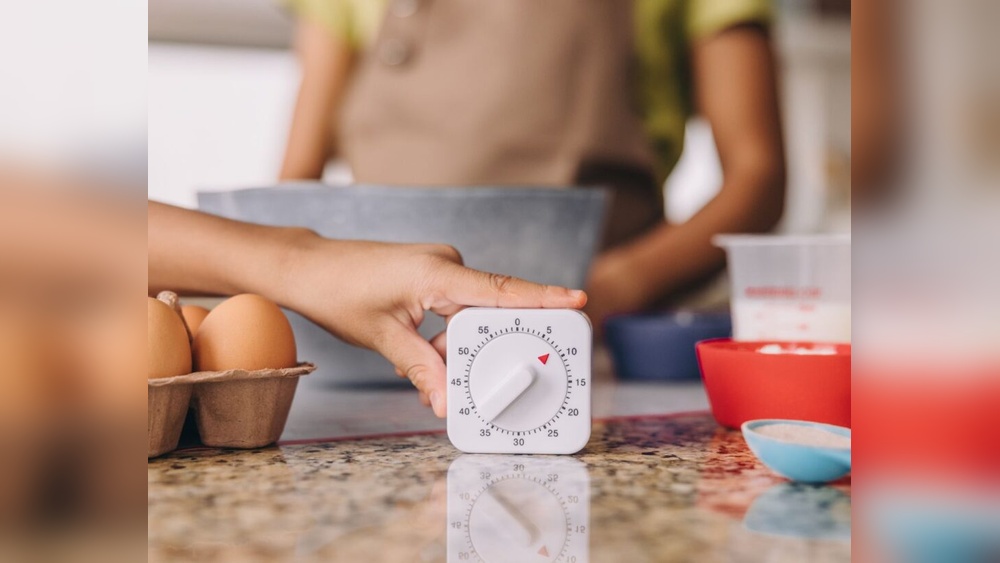
Mechanical timers use a dial to set time. They are simple and do not need batteries. These timers make a ticking sound and ring loudly. Digital timers use buttons and a screen to show time. They offer more precise timing and extra functions. Digital timers often have a countdown and count-up option. Choose mechanical for simplicity. Pick digital for accuracy and features.
Features To Look For
Look for a timer with a loud alarm. It should be easy to read from a distance. A magnetic back helps stick the timer on the fridge. Some timers have multiple timers for cooking several dishes. A timer with a pause and reset button adds convenience. Battery life is important for digital timers. Choose one with a clear display and simple controls.
Timer Placement In The Kitchen
Place the timer where you can see and hear it clearly. Near the stove or prep area works best. Avoid spots too close to heat or water. A magnetic timer can attach to the fridge or oven door. Countertop timers need a stable, flat surface. Proper placement helps you notice the alarm quickly. It keeps your cooking on track without distractions.
Credit: www.omahasteaks.com
Setting Accurate Cooking Times
Setting accurate cooking times is key for great results in the kitchen. Using a timer helps prevent overcooking or undercooking food. It ensures each dish gets just the right amount of heat. Knowing how to set and adjust times makes cooking easier and more enjoyable.
Cooking times in recipes serve as a good starting point. But small changes in your kitchen can affect how long food takes to cook. Adjusting your timer based on these factors leads to better meals every time.
Following Recipe Instructions
Start by reading the recipe carefully. Note the recommended cooking time. Set your timer exactly as the recipe says. This keeps you on track and reduces guesswork. If the recipe suggests checking food early, do so. Timers help you follow these steps without rushing.
Adjusting For Altitude And Oven Variations
Higher altitudes change cooking times. Water boils at lower temperatures, slowing cooking. Add a few extra minutes to your timer. Oven heat can vary too. Some ovens run hotter or cooler than the dial shows. Use an oven thermometer to check temperature. Adjust cooking times slightly to match your oven’s true heat.
Timing Multiple Dishes
Cooking many dishes at once needs careful timing. Set separate timers for each dish. This avoids confusion and keeps food fresh. Start timers based on each dish’s cooking time. Check dishes often to prevent burning or undercooking. Using multiple timers helps manage busy cooking moments easily.
Maximizing Timer Efficiency
Using a kitchen timer well can make cooking easier and more precise. It helps you keep track of cooking times without guessing. This saves your food from burning or undercooking. You can do more tasks at once by using timers smartly.
Using Multiple Timers
Set more than one timer for different dishes. This keeps each food cooked perfectly. You avoid mixing up times or forgetting a dish. Use separate timers for baking, boiling, and simmering. It helps you manage cooking steps smoothly.
Prepping Ahead While Timing
Use the timer to start prepping other ingredients. While one dish cooks, chop vegetables or measure spices. This saves time and keeps the cooking flow steady. The timer reminds you when to switch tasks. You stay organized and reduce kitchen stress.
Combining Timers With Other Tools
Use timers along with kitchen gadgets like thermometers. This checks if food is cooked inside while timing the process. Timers plus timers apps on your phone can send alerts. Using both helps avoid overcooking or undercooking. It makes cooking more accurate and less stressful.
Avoiding Common Timing Mistakes
Timing is key to perfect cooking. Many cooks make simple mistakes using kitchen timers. These errors can spoil the dish or cause stress. Avoiding common timing mistakes helps you cook with ease. Follow these tips to improve your kitchen timer habits.
Ignoring Timer Alerts
Timer alerts are there to catch your attention. Ignoring them leads to overcooked or burnt food. Always stop what you are doing when the timer rings. Check your dish immediately. This small habit saves meals from being ruined.
Over-reliance On Timers Alone
Timers help, but they are not everything. Cooking depends on heat, ingredients, and size too. Use your senses along with the timer. Smell, look, and feel the food. These clues tell you if cooking is done or needs more time.
Not Accounting For Resting Time
Resting food is part of cooking. Meats and baked goods need time to settle after cooking. The timer may stop, but the food keeps cooking inside. Add resting time to your timer. This step improves texture and flavor greatly.
Advanced Timer Techniques
Advanced timer techniques help improve cooking accuracy and efficiency. These methods support managing multiple steps and dishes simultaneously. Using timers smartly leads to better results and less stress in the kitchen.
Interval Timing For Complex Recipes
Complex recipes often require several steps with different cooking times. Setting interval timers helps manage each stage easily. For example, start a timer for boiling, then reset it for simmering. This method keeps you on track and prevents overcooking.
Using interval timing avoids guesswork. It also allows multitasking without losing focus on any step. This technique works well for soups, stews, and layered dishes.
Using Timers For Baking Precision
Baking needs exact timing to get perfect texture and rise. Timers ensure consistent baking by alerting you at the right moment. Set the timer according to the recipe’s instructions, not just your feeling.
Check the food when the timer rings. Avoid opening the oven too soon, as it affects baking quality. Timers help create cakes, bread, and cookies with great results every time.
Incorporating Timers In Meal Planning
Timers support better meal planning by organizing cooking steps. Set different timers for each dish or ingredient. This approach helps cook multiple items without confusion.
Plan your cooking schedule using timers to finish all dishes together. It saves time and keeps meals warm and fresh. Timers also reduce stress during busy meal preparations.

Credit: www.all-clad.ca
Maintaining Your Kitchen Timer
Keeping your kitchen timer in good shape helps you cook with ease. A well-maintained timer works accurately every time. It also lasts longer, saving money and hassle. Simple care routines protect your timer from damage and wear. Follow these tips to keep your timer ready for any recipe.
Cleaning And Care Tips
Wipe your timer with a soft, damp cloth. Avoid harsh cleaners that can damage the surface. Keep the timer dry to prevent moisture problems. Store it in a cool, dry place away from heat. Dust and crumbs can block buttons, so clean regularly. Handle the timer gently to avoid drops and scratches.
Battery Replacement And Troubleshooting
Change batteries as soon as the timer starts to lag. Use the right battery type suggested by the manufacturer. Remove batteries if you won’t use the timer for a long time. If the timer stops working, check the battery first. Reset the timer if buttons freeze or malfunction. Replace batteries promptly to keep it reliable.
When To Upgrade Your Timer
Consider a new timer if it loses accuracy often. Broken buttons or display issues are signs to replace it. Choose a timer with easy-to-read numbers and simple controls. New models offer extra features but keep it simple for daily use. A reliable timer makes cooking smoother and more fun.
Credit: www.ebay.com
Frequently Asked Questions
How Do I Set A Kitchen Timer Correctly?
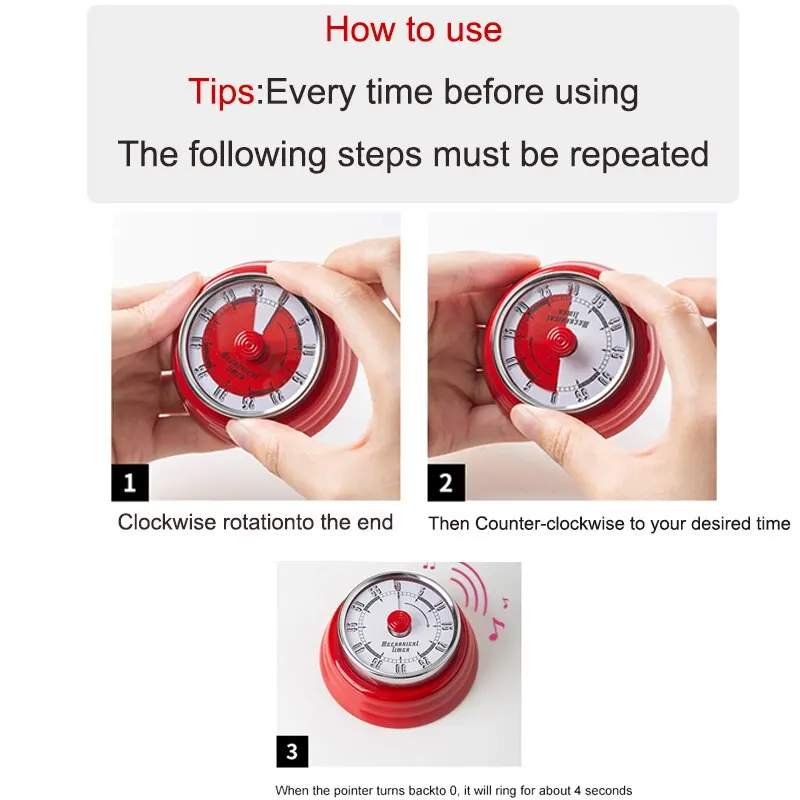
To set a kitchen timer, turn the dial or press buttons to your desired cooking time. Start it immediately. This ensures accurate timing for perfect cooking results every time.
Can Kitchen Timers Improve Cooking Consistency?
Yes, kitchen timers help maintain consistent cooking times. They prevent overcooking or undercooking by alerting you exactly when your food is done.
What Types Of Kitchen Timers Are Best For Cooking?
Mechanical and digital timers are popular. Mechanical timers are simple and durable. Digital timers offer precision and extra features like multiple timers or alarms.
How Often Should I Use A Kitchen Timer While Cooking?
Use a kitchen timer whenever timing is critical. For baking, boiling, or simmering, it ensures you don’t miss the perfect cooking moment.
Conclusion
Using a kitchen timer helps cook meals just right every time. It stops food from burning or undercooking. Set the timer based on your recipe’s time. Keep an eye on the timer and stay nearby. This small tool saves effort and brings better results.
Try different timer settings for varied dishes. Cooking becomes easier, less stressful, and more fun. Remember, timing matters a lot in cooking success. A simple timer can make your meals taste better. Give these tips a try and enjoy perfect cooking!