
Have you ever wondered why some baked goods turn out perfectly crispy on the outside and tender inside? The secret might be a convection oven.
If you’re looking to upgrade your cooking game or simply understand what makes this kitchen appliance special, you’re in the right place. This article will reveal what a convection oven is, how it works, and why it could be the key to unlocking better meals in your own kitchen.
Keep reading to discover how this clever device can change the way you cook forever.

Credit: www.dialappliance.com
How Convection Ovens Work
Understanding how convection ovens work helps you use them better. These ovens cook food by moving hot air around inside. This process makes cooking faster and more even than regular ovens.
Fan And Exhaust System
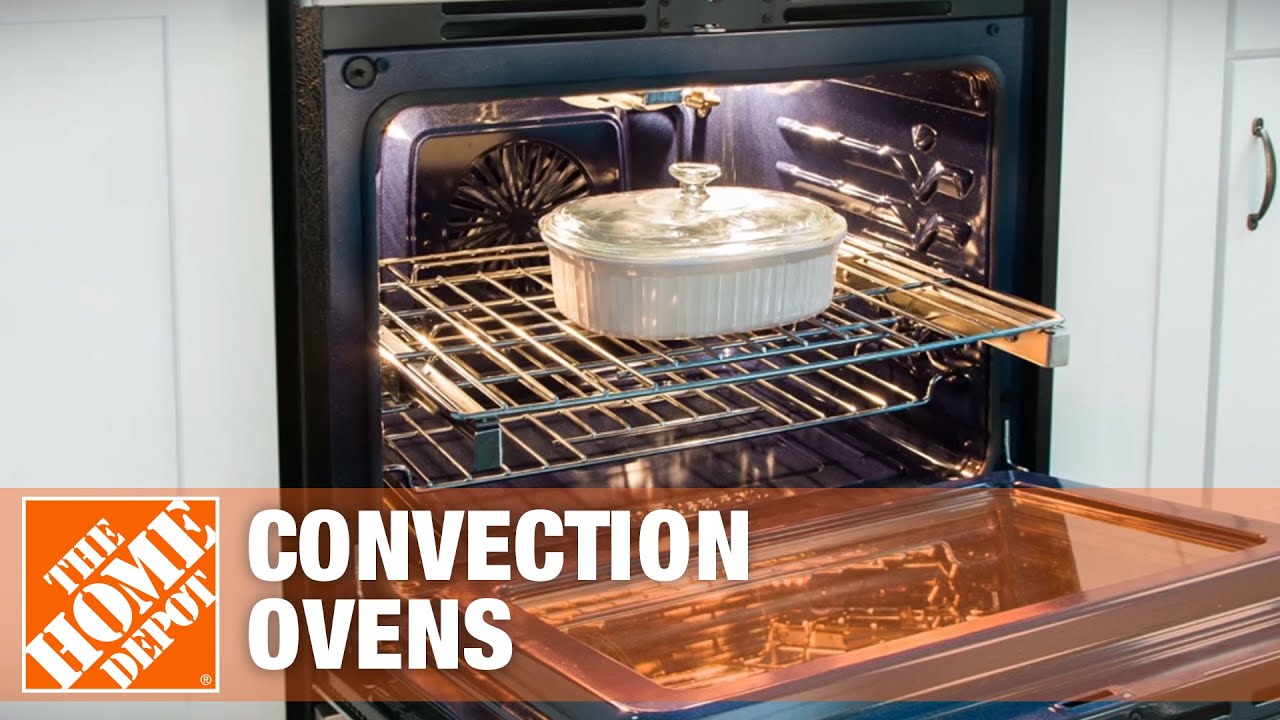
A convection oven has a fan and exhaust system at the back. The fan blows hot air inside the oven. The exhaust removes cool air to keep the temperature steady. This system keeps air moving all the time.
Heat Circulation Process
The fan pushes hot air around the food. This hot air moves in a circle inside the oven. It surrounds the food on all sides. This movement cooks food evenly and quickly.
Temperature Distribution
The moving air spreads heat evenly across the oven. No cold spots or hot spots form inside. This means food cooks at the same speed everywhere. The temperature stays steady, so dishes turn out perfect.
Credit: www.youtube.com
Benefits Of Using Convection Ovens
Convection ovens offer many benefits that improve cooking quality and save time. They use a fan to blow hot air evenly around food. This method changes how food cooks compared to regular ovens.
Understanding these benefits helps you decide if a convection oven suits your kitchen needs.
Faster Cooking Times
The fan in a convection oven moves hot air quickly. This speeds up the cooking process. Food cooks faster than in a traditional oven. Faster cooking saves time in busy kitchens. It also helps keep food moist and tender.
Even Heat Distribution
Heat spreads evenly inside a convection oven. The fan circulates warm air to all sides of the food. This stops hot or cold spots from forming. Food cooks evenly, with no burnt edges or raw centers. Even cooking means better results every time.
Energy Efficiency
Cooking faster uses less energy overall. A convection oven needs lower temperatures than a standard oven. This cuts down electricity or gas use. Energy savings help reduce utility bills. Using a convection oven supports a greener lifestyle.
Improved Browning And Crisping
The moving air helps dry the food’s surface. This creates a nice brown color and crisp texture. Perfect for roasting meats and baking pastries. Crispier food looks more appetizing and tastes better. It adds a delicious crunch to many dishes.
Types Of Convection Ovens
Convection ovens come in different types. Each type offers unique features and cooking styles. Knowing these types helps you pick the right oven for your kitchen needs.
True Convection Ovens
True convection ovens have a fan and an extra heating element. This design ensures hot air moves evenly around the food. It cooks food faster and more evenly. Many professional kitchens use true convection ovens.
Regular Convection Ovens
Regular convection ovens have a fan but no extra heating element. The fan circulates the heat inside the oven. It helps food cook more evenly than standard ovens. These ovens are common in home kitchens.
Countertop Convection Ovens
Countertop convection ovens are small and portable. They fit easily on kitchen counters. These ovens use a fan to cook food quickly. They are perfect for small meals or snacks. Many people use them to save space.
Comparing Convection And Conventional Ovens
Convection ovens and conventional ovens are common in many kitchens. Both cook food using heat, but they do it differently. Understanding their differences helps choose the right oven for cooking needs. This section compares convection ovens with conventional ovens in three key areas.
Cooking Speed Differences
Convection ovens cook food faster than conventional ovens. They use a fan to move hot air around the food. This speeds up cooking by about 25%. Conventional ovens cook slower because heat stays in one place. Faster cooking saves time and energy.
Heat Distribution Contrast
Convection ovens have even heat distribution. The fan circulates hot air, preventing hot spots. Food cooks more evenly on all sides. Conventional ovens heat from the bottom or top. This can cause uneven cooking or burning in some areas.
Best Uses For Each Oven Type
Convection ovens work well for roasting meats, baking cookies, and cooking multiple trays. They create a crispy outside and juicy inside. Conventional ovens suit recipes needing slow, gentle heat. Bread, casseroles, and custards bake well in conventional ovens.
Tips For Cooking With A Convection Oven
Cooking with a convection oven can change how meals turn out. It uses a fan to move hot air around food. This helps cook food evenly and faster. Follow simple tips to get the best results.
Adjusting Temperature And Time
Lower the oven temperature by 25°F from the recipe. This prevents food from burning or drying out. Check food earlier than usual to avoid overcooking. Cooking times are usually 20% shorter with convection.
Choosing The Right Bakeware
Use shallow, low-sided pans for better air flow. Dark or non-stick pans cook food faster. Avoid deep or glass dishes that block air movement. Metal pans work best for even cooking.
Avoiding Common Mistakes
Do not cover food with foil; it blocks hot air. Avoid overcrowding the oven; air needs space to circulate. Do not open the oven door often; it cools the oven. Always preheat the oven for consistent cooking.
Popular Recipes For Convection Ovens
Convection ovens are versatile tools in the kitchen. They cook food faster and more evenly by circulating hot air. Many recipes work well in convection ovens, helping you save time and energy. Here are some popular recipes that show the best use of convection ovens.
Roasting Meats And Vegetables
Convection ovens roast meats and vegetables beautifully. The hot air crisps the outside while keeping the inside juicy. Try roasting chicken, beef, or pork with your favorite spices. Vegetables like carrots, potatoes, and Brussels sprouts become tender and golden. The oven’s even heat helps cook everything uniformly. This method reduces cooking time and enhances flavor.
Baking Pastries And Bread
Pastries and bread bake well in convection ovens. The circulating air creates a crispy crust and soft inside. Use convection mode to bake cookies, croissants, and pies. Bread loaves rise evenly and brown nicely on all sides. This oven keeps pastries flaky and fresh. It is perfect for any baking task that needs a consistent heat.
Dehydrating And Toasting
Convection ovens also work great for dehydrating and toasting. Dry fruits, herbs, and vegetables easily lose moisture without burning. Toast nuts, seeds, or bread slices evenly and quickly. The steady airflow prevents hotspots and uneven cooking. Use low temperatures to dry foods slowly and keep flavor. This function adds more uses to your convection oven.
Maintaining And Cleaning Convection Ovens
Maintaining and cleaning convection ovens is key to keeping them working well. Dirt and grease can build up fast. This affects how your oven cooks food and its lifespan. Regular care helps your oven stay safe and efficient. It also saves money on repairs and replacements.
Regular Cleaning Tips
Start by wiping the oven after each use. Use a soft cloth and mild soap. Avoid harsh chemicals that can damage the oven’s surface. Clean the racks and trays with warm, soapy water. Remove crumbs and spills to stop bad smells. Check the fan area for dust and clean gently.
Troubleshooting Common Issues
Oven not heating evenly? Check if the fan is working. Clean the fan and vents to improve airflow. If the oven smells strange, clean the interior thoroughly. For error codes, refer to the user manual. Sometimes a simple reset fixes the problem.
Extending Oven Lifespan
Use the oven as the manual suggests. Avoid overloading the oven with heavy dishes. Keep the door seals clean and intact. Fix small problems quickly to avoid bigger damage. Regularly check for wear and tear on parts. Proper care helps your oven last many years.
:max_bytes(150000):strip_icc()/Simply-Recipes-Pickle-Pizza-METHOD-1-2-d77beff58cbf4a4799ec9f22f986b424.jpg)
Credit: www.simplyrecipes.com
Frequently Asked Questions
What Is A Convection Oven Used For?
A convection oven is used for baking, roasting, and cooking food evenly. It circulates hot air to speed up cooking and improve browning.
How Does A Convection Oven Differ From A Regular Oven?
A convection oven uses a fan to circulate hot air, unlike a regular oven. This results in faster and more even cooking.
Are Convection Ovens Energy Efficient?
Yes, convection ovens cook food faster and at lower temperatures. This reduces energy consumption compared to traditional ovens.
Can I Use Regular Recipes In A Convection Oven?
You can, but you may need to reduce cooking time by 25% or lower the temperature by 25°F for best results.
Conclusion
A convection oven cooks food evenly and faster than regular ovens. It uses a fan to spread hot air around your dishes. This helps bake or roast food with better texture and taste. Many home cooks and chefs prefer convection ovens for their efficiency.
Knowing how it works can improve your cooking results. Try it and enjoy more consistent meals every time.