Have you ever wondered what “BPA-free plastic” really means and why it matters for your health? You use plastic containers, bottles, and packaging every day, but not all plastics are created equal.
Some contain chemicals that can affect your body in ways you might not expect. Understanding what BPA-free plastic is can help you make smarter choices for yourself and your family. Keep reading to discover why this simple label could make a big difference in your daily life.
Bpa And Its Risks
BPA is a chemical found in many plastics. It can affect your health in different ways. Understanding BPA and its risks helps you make safer choices.
What Is Bpa?
BPA stands for Bisphenol A. It is used to make hard, clear plastics. BPA is also in the lining of some metal cans. It helps keep food fresh and safe.
Health Concerns Linked To Bpa
BPA can act like a hormone in the body. It may interfere with how hormones work. This can cause problems with growth and development. Some studies link BPA to heart issues and diabetes. Children and pregnant women are more at risk.
Common Sources Of Bpa Exposure
Many plastic bottles and containers have BPA. Canned foods often have BPA in their lining. Receipts from stores can also contain BPA. Heat can cause BPA to leak from plastics into food. Using BPA-free products reduces these risks.
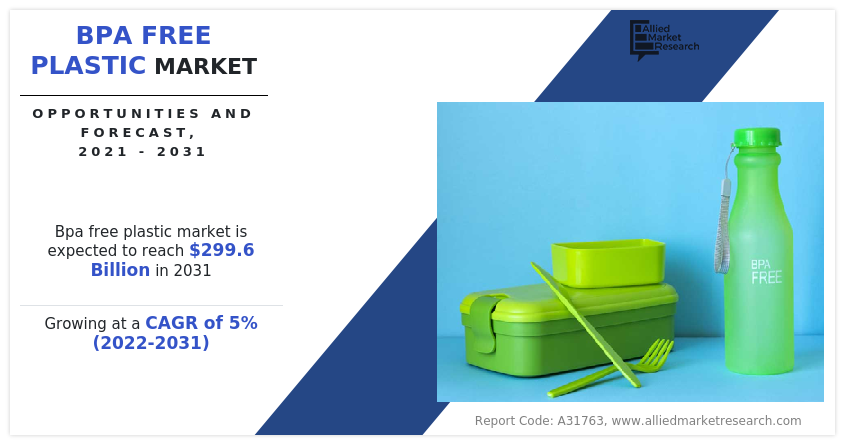
Credit: www.alliedmarketresearch.com
Bpa-free Plastic Explained
BPA-free plastic is a safer choice for many daily uses. It means the plastic does not contain bisphenol A (BPA). BPA is a chemical once common in making plastics and resins. Studies showed BPA might affect health, especially hormone systems. This led to demand for BPA-free alternatives. Many products now use BPA-free plastics to protect users.
Materials Used In Bpa-free Plastics
BPA-free plastics use different chemicals than traditional plastics. Common materials include polyethylene, polypropylene, and Tritan. These materials do not release BPA. They are strong and safe for food and drink containers. BPA-free plastics can also be clear or colored. Manufacturers choose materials that resist heat and damage.
How Bpa-free Plastics Differ
BPA-free plastics do not contain bisphenol A. This difference reduces the risk of chemical exposure. Traditional plastics may release BPA over time. BPA-free options are tested to ensure safety. They often feel similar to regular plastic. Users may not notice much difference in use or look.
Benefits Of Choosing Bpa-free
Choosing BPA-free plastic helps reduce health risks. It lowers chances of hormone disruption. BPA-free products are safer for children and pregnant women. They also reduce chemical leaks into food and drinks. Many find peace of mind using BPA-free items daily.
Identifying Bpa-free Products
Identifying BPA-free products helps protect your health. BPA, or bisphenol A, is a chemical used in some plastics. It can seep into food or drinks and may cause health risks. Choosing BPA-free items reduces this risk. Learn how to spot these safer products with ease.
Labels And Certifications To Look For
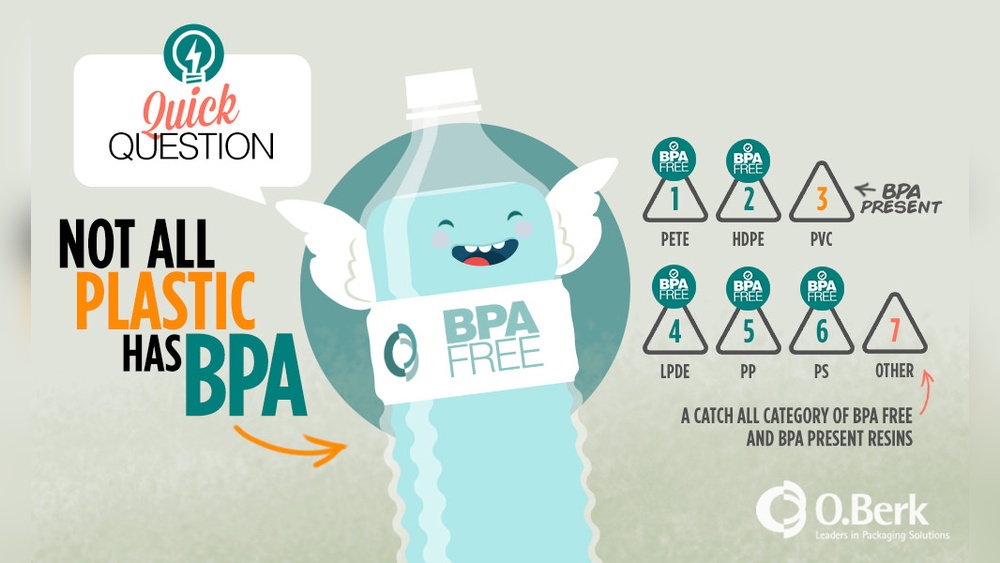
Check product labels for “BPA-Free” markings. Many brands now include this on packaging. Look for official certifications too. The FDA and other health groups approve certain BPA-free plastics. Symbols like recycling codes 1, 2, 4, 5 often mean safer plastics. Avoid plastics marked with recycling code 7, unless labeled BPA-free.
Common Bpa-free Product Categories
BPA-free plastics appear in many daily items. Water bottles and baby bottles often use BPA-free materials. Food containers and lunch boxes also avoid BPA now. Some canned foods use BPA-free linings. Choose glass or stainless steel for extra safety. These products help reduce BPA exposure at home.

Credit: puracy.com
Safety And Regulations
Safety and regulations play a key role in the use of BPA-free plastic. Governments and industries set rules to protect people from harmful chemicals. These rules help ensure products are safe for everyday use. Understanding these safety measures helps consumers make better choices.
Government Standards On Bpa
Many countries have strict standards on BPA use. They limit BPA in food containers and baby products. These rules reduce BPA exposure, especially for children. Agencies test products to confirm they meet safety levels. Regular reviews update these standards to reflect new research.
Industry Responses To Bpa Concerns
Companies began offering BPA-free alternatives to meet safety demands. They invest in new materials that do not release BPA. Some manufacturers label products clearly to inform buyers. This shift helps build trust with consumers. Industries continue to improve product safety every year.
Alternatives To Bpa-free Plastics
Choosing the right material for everyday items matters a lot. BPA-free plastics reduce some risks but still have limits. Many people want safer and eco-friendly options. These alternatives offer durability, safety, and less harm to the environment. Here are some popular choices beyond BPA-free plastics.
Glass And Stainless Steel Options
Glass is a safe, non-toxic option. It does not release harmful chemicals. Glass containers keep food fresh and clean. They are easy to wash and reuse. Stainless steel is strong and long-lasting. It does not rust or leach chemicals. Many water bottles and lunch boxes use stainless steel. Both materials are recyclable and better for health.
Biodegradable And Plant-based Materials
Biodegradable plastics break down naturally over time. They reduce plastic waste in landfills and oceans. Plant-based materials come from corn, sugarcane, or bamboo. These renew faster than fossil fuels used in plastics. They often compost at home or in industrial facilities. These materials are safe for food storage and daily use. Using them helps protect the planet for future generations.
Tips For Safer Plastic Use
Using plastic safely is important for health and the environment. Choosing BPA-free plastic helps reduce risks, but safe use still matters. Follow simple tips to keep plastic products safe for daily use.
Proper Handling And Storage
Handle plastic containers gently to avoid cracks or damage. Store plastic items in cool, dry places away from direct sunlight. Keep lids tightly closed to prevent spills and contamination. Clean plastic products with mild soap and water only.
Avoiding Heat Exposure
Never heat plastic containers in the microwave unless labeled safe. Avoid placing plastic near ovens, stoves, or hot surfaces. Heat can cause plastic to release harmful chemicals. Use glass or ceramic containers for hot foods and drinks.
Regular Product Replacement
Check plastic products for signs of wear like scratches or discoloration. Replace damaged containers promptly to avoid chemical leaks. Old plastics can break down and become unsafe. Regularly update your plastic items to ensure safety.
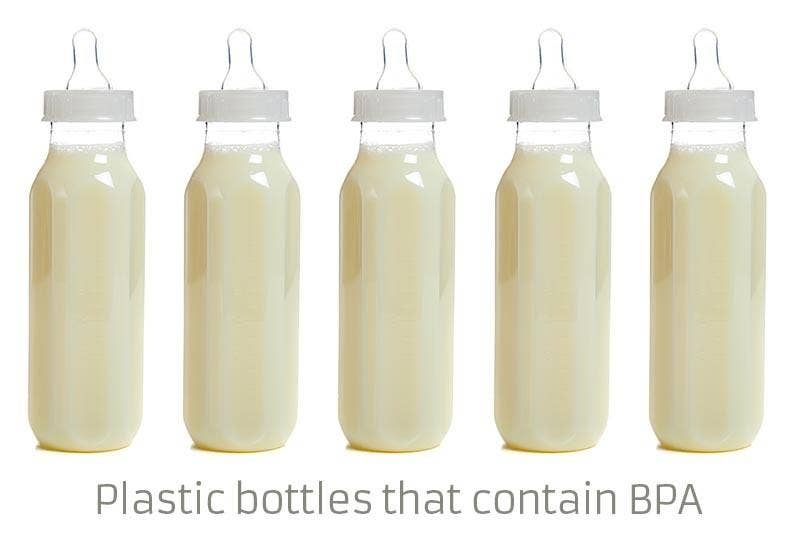
Credit: www.tricorbraun.com
Frequently Asked Questions
What Does Bpa-free Plastic Mean?
BPA-free plastic means it does not contain bisphenol A. BPA is a chemical linked to health risks. BPA-free products aim to reduce exposure to this harmful substance. They are considered safer for food and drink storage.
Why Choose Bpa-free Plastic Products?
BPA-free plastic products reduce the risk of hormone disruption. BPA can mimic estrogen and affect the body’s endocrine system. Choosing BPA-free helps avoid potential health issues like reproductive problems. It ensures safer use, especially for children and pregnant women.
How To Identify Bpa-free Plastic Containers?
Look for labels stating “BPA-free” on the product. Check recycling codes; plastics marked 1, 2, 4, 5, and 6 are usually BPA-free. Avoid plastics with recycling code 7 unless labeled BPA-free. Always verify product information for safety confirmation.
Are Bpa-free Plastics Safer For Babies?
Yes, BPA-free plastics are safer for babies. BPA exposure in infants can affect brain development and hormone balance. Using BPA-free bottles and containers helps protect babies from these risks. It’s a preferred choice for baby feeding products.
Conclusion
Choosing BPA-free plastic helps protect your health and the environment. These products do not contain harmful chemicals. They reduce risks linked to plastic use. Many everyday items now come in BPA-free versions. This choice supports safer food and drink storage.
Always check labels to ensure BPA-free materials. Small steps like this make a big difference. Stay informed and choose wisely for your family’s safety. Simple changes can lead to healthier living every day.