Have you ever wondered why your cast iron skillet can last for generations or why some pans seem to cook better than others? The secret lies in something called cast iron seasoning.
If you’ve noticed your pan sticking or rusting, understanding seasoning could change the way you cook forever. You’ll discover what cast iron seasoning really is, why it matters for your cookware, and how you can easily master it at home.
Keep reading, and you’ll unlock the key to making your cast iron skillet your favorite kitchen tool.
Basics Of Cast Iron Seasoning
Seasoning cast iron is a simple process that protects the pan and improves cooking. It creates a natural, non-stick surface on the cookware. This surface prevents rust and helps food cook evenly.
Seasoning involves applying oil and heating the pan. The oil bonds to the metal through heat, forming a hard layer. This layer gets better with use and care.
What Is Cast Iron Seasoning?
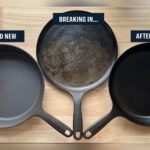
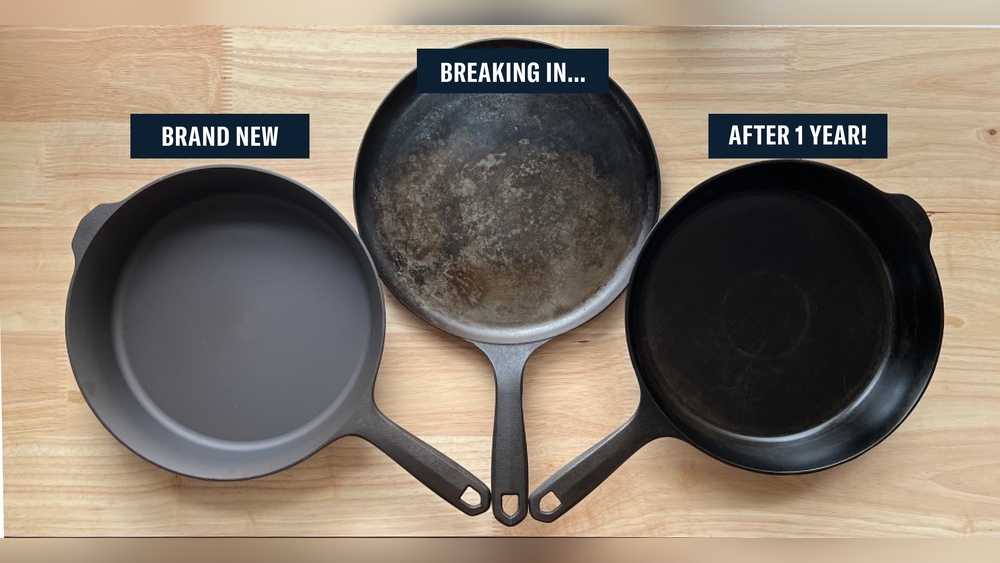
Cast iron seasoning is a layer of oil baked onto the pan’s surface. It forms a strong, smooth coating. This coating stops food from sticking and protects the pan from moisture and rust.
How Seasoning Works
When oil heats on cast iron, it changes chemically. This process is called polymerization. The oil turns into a solid, plastic-like layer that bonds with the pan. It creates a durable, protective surface.
Why Seasoning Is Important
Seasoning keeps cast iron pans in good shape. It stops rust and damage. It also makes cooking easier by creating a natural non-stick surface. Well-seasoned pans need less oil for cooking.

Credit: en.wikipedia.org
Steps To Season Cast Iron
Seasoning cast iron is important to protect the pan and improve cooking. The process creates a natural, non-stick surface. It also prevents rust from forming. Follow these simple steps to season your cast iron properly.
Clean The Cast Iron
Start by washing the cast iron with warm water. Use a brush or sponge to remove dirt. Avoid soap or harsh detergents. Dry the pan completely with a towel. You can also heat it on the stove to remove all moisture.
Apply A Thin Layer Of Oil
Choose a cooking oil with a high smoke point, like vegetable or flaxseed oil. Pour a small amount on the pan. Use a cloth or paper towel to spread the oil evenly. Cover the entire surface, inside and outside, with a thin layer. Too much oil can cause sticky spots.
Heat The Cast Iron
Preheat your oven to 450°F (230°C). Place the pan upside down on the oven rack. Put a baking sheet or foil on the lower rack to catch drips. Bake the pan for one hour. This process bonds the oil to the metal.
Cool Down The Pan
Turn off the oven and let the pan cool inside. This helps the seasoning set properly. After cooling, your pan will have a smooth, dark surface. Repeat the seasoning steps if needed for a stronger coating.
Benefits Of Proper Seasoning
Proper seasoning of cast iron pans offers many benefits. It keeps the pan safe and easy to use. Seasoning forms a natural coat that protects the metal. This coat helps food cook better and stops sticking. It also prevents rust and damage over time.
Seasoning improves the pan’s performance and makes cooking more enjoyable. It turns the cast iron into a non-stick surface without chemicals. Each use makes the seasoning stronger and better.
Improved Non-stick Surface
Seasoning creates a smooth, non-stick layer on the pan. This layer stops food from sticking during cooking. It helps with easy flipping and removing food. Less oil is needed for cooking, making meals healthier.
Protection Against Rust
The seasoning layer acts as a shield against moisture. It stops water from touching the iron. This prevents rust from forming on the pan’s surface. Properly seasoned pans last much longer without damage.
Enhanced Flavor
A well-seasoned pan adds a unique taste to food. The oil layer absorbs flavors over time. This creates a richer cooking experience. Food cooked in seasoned pans often tastes better and more natural.
Easy Cleaning
Seasoning makes cleaning cast iron simpler. Food residue does not stick tightly to the surface. Warm water and a soft brush are enough for cleaning. Avoid harsh soaps that can damage the seasoning.

Credit: www.bbcgoodfood.com
Maintaining Seasoned Cookware
Maintaining seasoned cookware is key to lasting cast iron pans. Proper care keeps the non-stick surface strong and prevents rust. Small daily steps help your pan perform well for years.
Cleaning your cast iron right matters. Avoid soap or harsh scrubbing, which strips seasoning. Use warm water and a soft brush or sponge. Dry the pan completely to stop rust from forming.
After cleaning, apply a thin layer of oil. This step seals the surface and adds protection. Heat the pan on low for a few minutes. The oil bonds with the metal, renewing the seasoning.
Store cast iron in a dry place. Avoid stacking with other cookware without protection. Place a paper towel inside to absorb moisture and keep the surface dry.
Cleaning Tips For Seasoned Cast Iron
Rinse with warm water after use. Scrub gently with a soft brush. Avoid soap and steel wool. Dry thoroughly with a towel or heat on stove. Remove stuck food by boiling water in the pan.
Reapplying Oil To Preserve Seasoning
Coat the pan lightly after each wash. Use vegetable or flaxseed oil for best results. Spread oil evenly inside and outside the pan. Warm the pan on low heat for 5 minutes. This keeps the seasoning smooth and strong.
Proper Storage Practices
Keep the pan in a dry, cool spot. Avoid stacking pans without protection. Place paper towels between pans to absorb moisture. Store with the lid off or ajar to prevent humidity buildup.
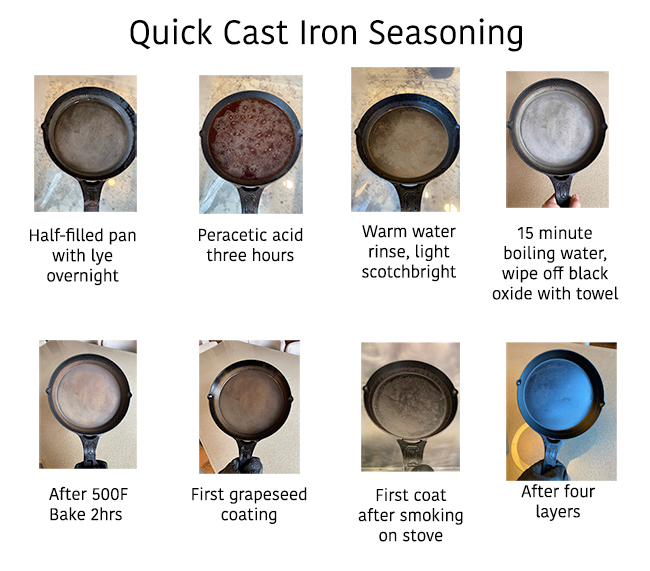
Credit: genuineideas.com
Frequently Asked Questions
What Is Cast Iron Seasoning And Why Is It Important?
Cast iron seasoning is a layer of baked oil on the pan’s surface. It protects the pan from rust and creates a natural non-stick coating.
How Do You Season A Cast Iron Skillet At Home?
Clean the pan, apply a thin layer of oil, and bake it upside down. This process bonds the oil to the pan, forming the seasoning.
How Often Should You Re-season Cast Iron Cookware?
Re-seasoning depends on use and cleaning. If food starts sticking or rust appears, it’s time to re-season the pan.
Can Seasoning Improve The Cooking Performance Of Cast Iron?
Yes, seasoning creates a smooth, non-stick surface that cooks food evenly. It also helps the pan last longer and stay rust-free.
Conclusion
Seasoning cast iron keeps your pan non-stick and rust-free. It builds a natural coating that improves with use. This process protects the pan and makes cooking easier. Regular seasoning helps your cast iron last many years. Try to season your pan often for best results.
A well-seasoned pan cooks food evenly and tastes better. Keep your cast iron clean and dry after use. Small efforts bring big benefits to your cooking tools. Cast iron seasoning is simple but very important. Enjoy cooking with your perfectly seasoned cast iron!